
A heat pump is a device that enables the transfer of heat from one space to another through a refrigeration cycle. In an electric vehicle (EV), the heat pump helps manage cabin and battery temperatures, improving energy efficiency, especially in cold environments.

Traditional car heaters generate heat by applying electric resistance, which occurs when electricity flows through a heating element. An EV heat pump, on the other hand, takes already existing heat from ambient air and moves it into the cabin and battery compartment.
Because a heat pump does not generate new heat, which would put greater demands on the battery, the vehicle requires less energy to warm the car. The result is more all-electric range (AER).
The heat pump employs a refrigeration cycle to extract heat from the surrounding air and transfer it into the car. Some heat pumps can also reverse the refrigeration cycle, functioning as a dual-purpose system for both heating and cooling.
The heat pump refrigeration process is as follows:
Evaporation—This step begins with refrigerant fluid that cools and absorbs heat from surrounding air via an evaporator coil.
Compression—As the refrigerant heats, it is compressed, causing its temperature to rise significantly.
Condensation—The hot refrigerant is passed through a condenser, releasing heat into the vehicle's cabin.
Expansion—The refrigerant is expanded, reducing its pressure and temperature, and the cycle repeats.
Efficiency is the single most crucial operating concern for electric cars. Innovations like regenerative braking have turned common vehicle functions into energy-saving systems. The heat pump is similar in this way. It's an old concept re-engineered to make EVs more efficient and practical.
Electric vehicles experience reduced range in cold weather due to the increased heating demands that draw a significant amount of energy from the battery. The heat pump reduces power loss in this regard, enabling the car to operate effectively in cold conditions with minimal power loss from the battery.
Heat pumps have three primary benefits for EVs:
Higher AER—A heat pump allows for a lower impact on range. According to a study conducted by Move Electric, EVs with resistive heating lost an average of 33.6% of their range in cold weather, while cars with heat pumps experienced a decrease of just 25.4% in range. That's a big difference.
Cabin pre-conditioning—This feature allows you to make the cabin toasty on a cold morning well before you even reach the car.
Faster charging speed—EV batteries charge fastest when the ambient temperature is between about 60 and 95 degrees Fahrenheit. In colder temperatures, the heat pump efficiently and sufficiently warms the battery.
Heat pumps enhance EV performance and efficiency. As demand for more energy-efficient EVs grows and technology becomes more affordable, heat pumps will likely become a standard on the EV landscape.
To learn more about EVs, visit the Electric Vehicle Learning Center section of our website.
Jessica Shea Choksey is an experienced writer in the automotive field. In addition to JDPower.com, she was a correspondent for PBS's MotorWeek, and her work has appeared on Autotrader.



The new 2027 BMW i3 boasts an estimated range of up to 440 miles, 400-kilowatt DC fast charging capability, bidirectional charging to a home or the grid, and next-generation technology.
Read the Full Article
Facing renewed competition in the full-size, light duty pickup truck segment, the 2027 Ford F-150 receives subtle styling updates, a new standard engine, broader availability of its 5.0-liter V8, and ...See More
Read the Full Article
The 2027 Civic Type R goes on sale in October 2026, and it starts at $49,990, including the $1,295 destination charge.
Read the Full Article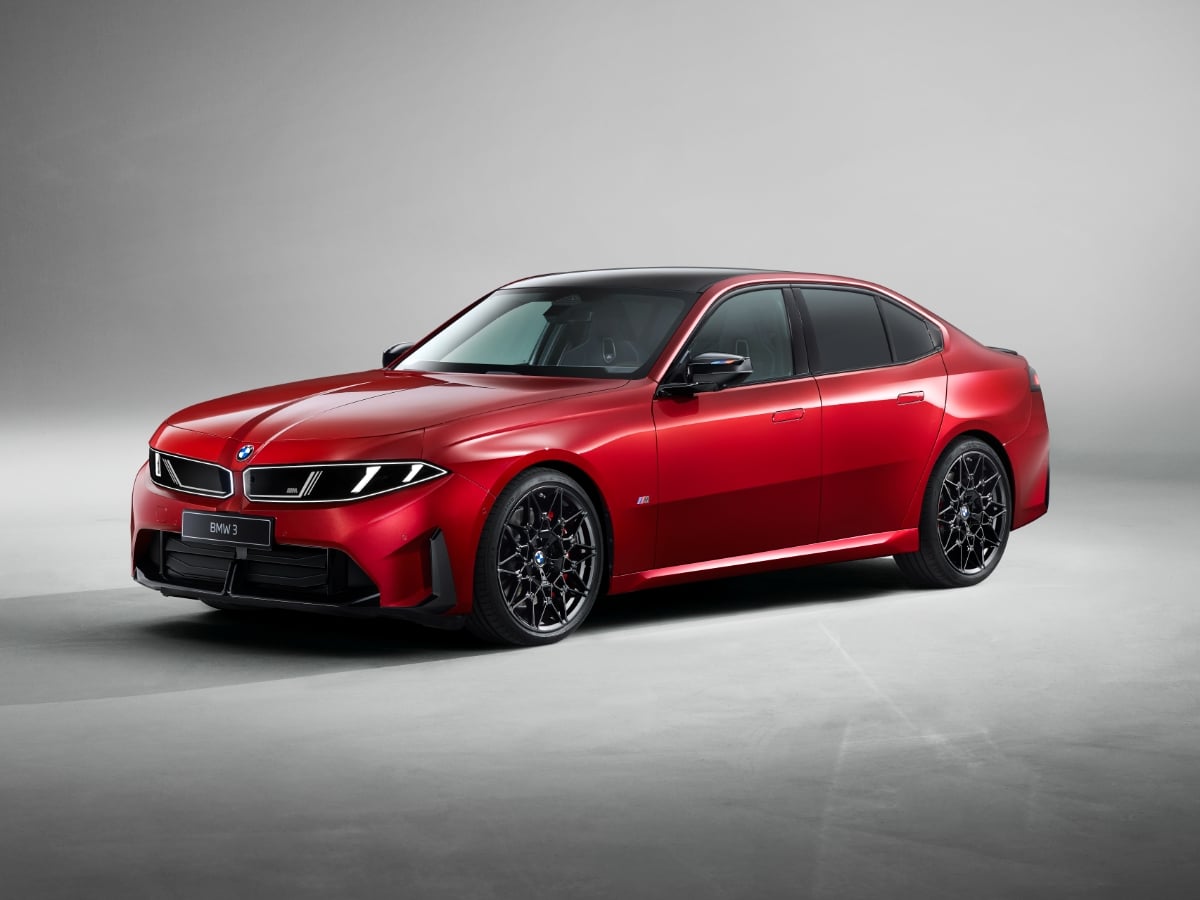
Part of BMW’s Neue Klasse (new class) rollout of redesigned models, the 2027 BMW 3 Series is all-new and goes on sale in the first quarter of 2027.
Read the Full Article