
GPS is an acronym for Global Positioning System. It is a satellite navigation system providing distance, time, and position measurements in the world coordinate system. To put it simply, it is a system that helps you and your vehicle navigate different terrain.

GPS tracking devices send unique satellite signals that a receiver then processes. These GPS receivers track the exact location of the GPS device and compute their time and the velocity they are traveling at.
Today, modern GPS navigators are no longer limited to just finding the right address. They will guide you to this address by the fastest way, which is not always the nearest. Your GPS creates a path to navigate unpredictable road situations, traffic accidents, and traffic jams. Without this “eye of omniscience,” it can be pretty challenging to get anywhere on time.
This article will learn more about the history of GPS, how it was adapted for the automotive industry, the most popular tracker manufacturers for your vehicle, and the technology analogs in different countries.
Global Positioning System (GPS) history dates back to 1973, when the Joint Programs Office, part of the U.S. Space and Missile Research Center, was ordered by the U.S. Department of Defense to develop, test, and deploy a space-based navigation system. So it was initially created for government use but later expanded to civilian and commercial use worldwide.
This work resulted in a system initially called NAVSTAR (NAVigation System with Time and Ranging), which researchers explicitly designed to solve two main problems − navigation, i.e., instantly determining the position and speed of consumers, and synchronization of time scales.
Today, GPS is owned by the United States government and operated by a branch of the Air Force known as the United States Space Force (USSF).
Since the initiator of the creation of GPS was the U.S. Department of Defense, its creators envisioned it solving defense and national security problems. It had another name − the Defense Navigation Satellite System (DNSS).
The GPS provides two types of services:
Considering who’s allowed to use PPS and SPS, respectively, it’s a given that car manufacturers leverage SPS. When it comes to most new cars, an automotive navigation system is part of the automobile controls or a third-party add-on used to find direction in a car. It typically uses a satellite navigation device to get its position data, then correlates to a position on the road. When you need navigation directions, the system will calculate routing details. Traffic information, such as road closures and congestion, can be used to adjust the route.
GPS tracking devices send unique satellite signals that are processed by a receiver. These GPS receivers track the exact location of the GPS device and compute their time and the velocity they are traveling.
There are three parts to GPS:
Satellites are used to figure out a receiver's location from space, as a satellite's exact position is known at any time. This is a significant reason for GPS tracking to be so accurate. Ground stations ensure the location of the satellites is where they’re supposed to be using radar, and receivers get signals from a group of satellites to measure how far they are and pinpoint the receiver's location.
The Iter Avto electromechanical device, introduced in 1932 in Italy, can be considered a predecessor to modern GPS. You installed it on the dashboard, and a map on paper tape was rewound from one roll to another in proportion to the car speed, information about which was taken from the speedometer.
Over time, various new car navigation devices, such as the DAIR (Driver Aid, Information and Routing) system by General Motors in the 1960s, Electro Gyrocator by Honda in 1981, and others, were also developed.
And finally, after GPS reached its full functionality and the US military opened it to civilian use, a device called “Mobile Assistant,” or MASS for short, was introduced by ComRoad AG. It offered turn-by-turn navigation via a wireless internet connection, with GPS and the speed sensor in the car.
Apart from the GPS, there are other global navigation satellite systems. Examples include the European Galileo positioning system, Russia’s GLONASS, and the Chinese BeiDou.
Two other geopositioning systems do not have global coverage: NavIC (India) and QZSS (Japan). Unlike the other systems, they only have regional coverage and cannot be used globally. At the end of the day, GPS-related systems are all an increasingly vital part of the driving experience - GPS-enabled devices help us with everything from long road trips to figuring out exactly where that late Uber is. We hope you’ve learned a bit more about what GPS is and how it works!


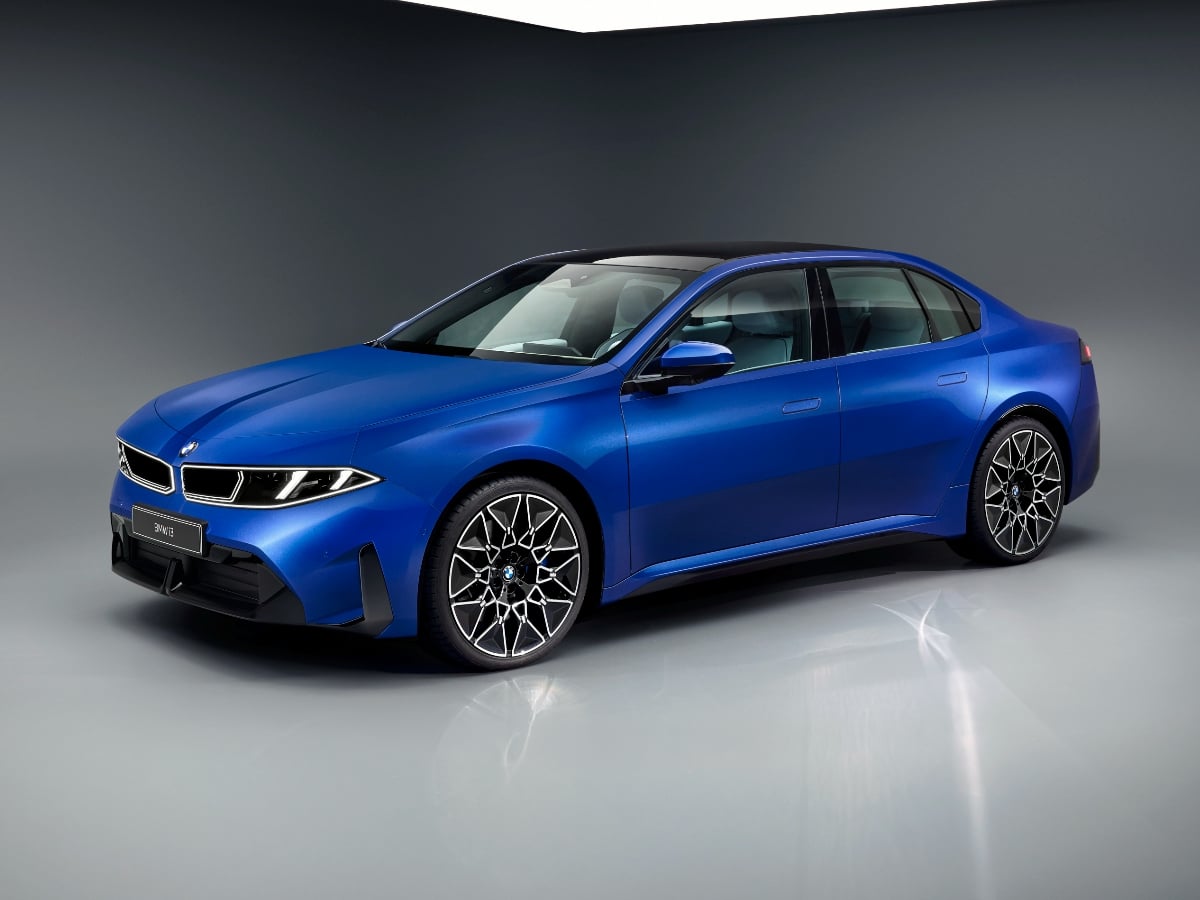
The new 2027 BMW i3 boasts an estimated range of up to 440 miles, 400-kilowatt DC fast charging capability, bidirectional charging to a home or the grid, and next-generation technology.
Read the Full Article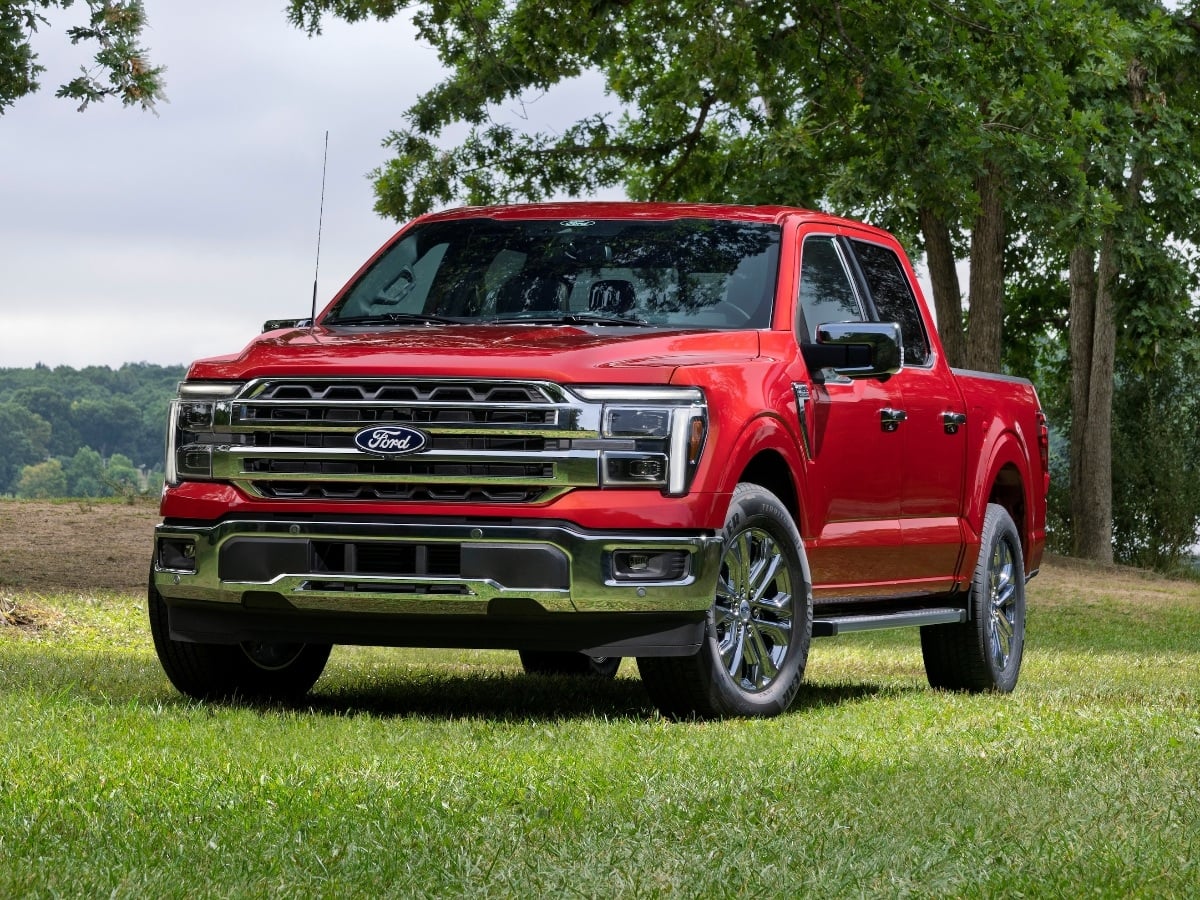
Facing renewed competition in the full-size, light duty pickup truck segment, the 2027 Ford F-150 receives subtle styling updates, a new standard engine, broader availability of its 5.0-liter V8, and ...See More
Read the Full Article
The 2027 Civic Type R goes on sale in October 2026, and it starts at $49,990, including the $1,295 destination charge.
Read the Full Article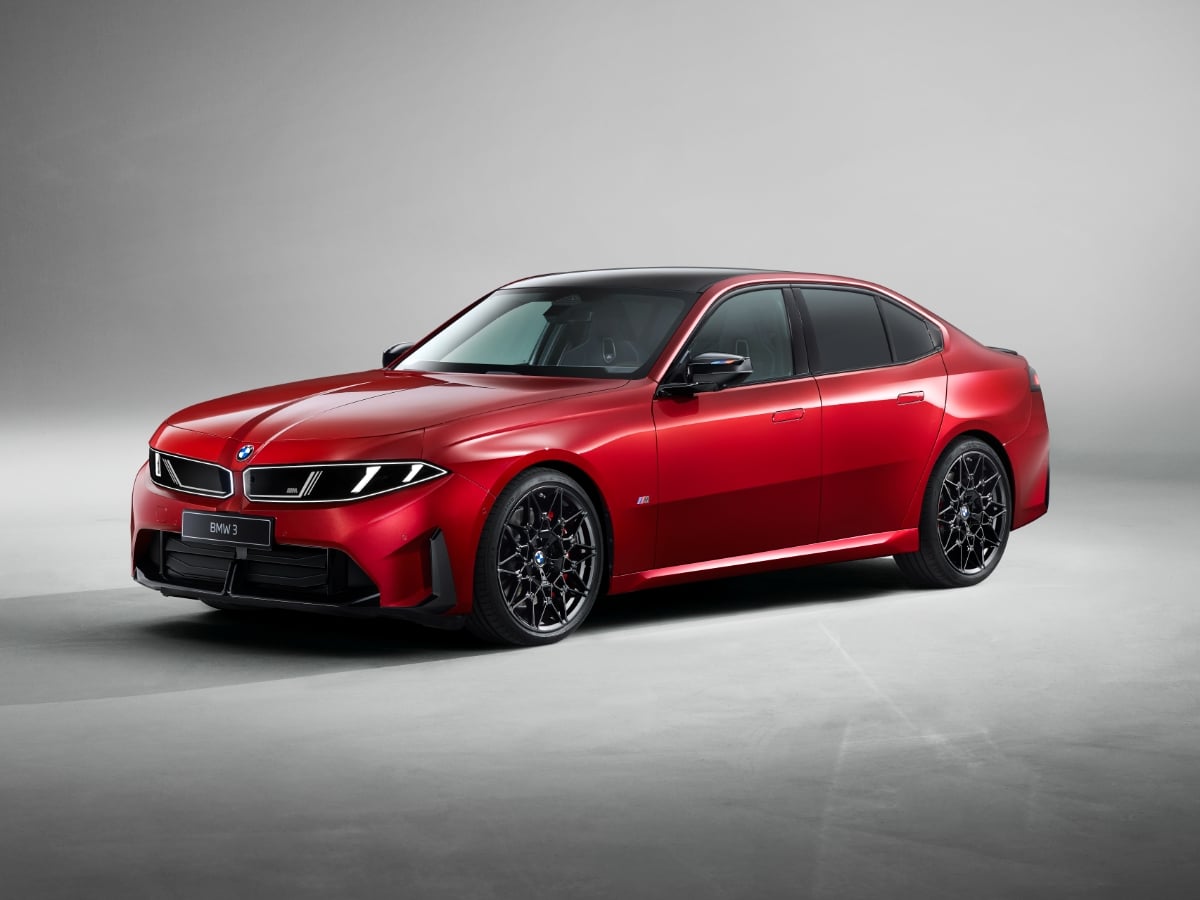
Part of BMW’s Neue Klasse (new class) rollout of redesigned models, the 2027 BMW 3 Series is all-new and goes on sale in the first quarter of 2027.
Read the Full Article