
Bikes can be either economical or expensive, depending on performance and speed. If you plan to buy a two-wheeler, you need to remember a few things.

Before purchasing one, it’s best to figure out what kind of bike you want beforehand. That rings true if you’d like your engine capacity to be just right, and that’s precisely where the term “cc” comes to the forefront.
The term CC isn't new and has been used in regard to bikes and scooters. Ever wondered what it means? The complete form is cubic capacity; in layman’s terms, it refers to the engine's volume. The bike's engine capacity is directly proportional to the level of power it packs. The motorcycle’s capacity is measured in terms of cubic capacity. Cubic capacity or C cc is a standard parameter for buying a two-wheeler.
The cubic capacity currently covers ranges from 50 to approximately 6300 ccs. The larger the chamber of a two-wheeler, the more powerful it might be. The engine capacity of a bike is measured in the same manner as the capacity of a four-wheeler. For example, a two-wheeler with an engine capacity of 350 ccs has a capacity of 0.35 liters. The term “cc” also helps determine engine outputs such as power, torque, and mileage.
The space or the volume available inside the tank of an engine is called the engine capacity. The room inside the engine accommodates the air-fuel mix for combustion. The bigger the space inside the engine, the more infusion it can accommodate. Large bikes or superbikes usually have bigger containers to help them produce more power and have extra fuel space. The higher the engine capacity, the more you will spend on fuel. Bikes with smaller engine capacities are more efficient and give more mileage.
Engine capacity determines the engine outputs like mileage, power, and torque. A larger cylinder provides larger combustion space, resulting in better power output. The amount of power generated by the engine is directly proportional to the amount of fuel used by the engine. Higher fuel consumption leads to lower mileage.
There are two engine cylinders:
The short-stroke engine moves faster due to the pistons with a larger diameter. These pistons travel a short distance and produce more power quickly. At the same time, long-stroke engines have narrow pistons that travel further while making more torque than power. The heat energy inside the cylinder pushes the piston, which converts into pressure. The process, as mentioned earlier, results in a mechanically powerful engine. The linear motion of the pistons is converted to rotational motion by the crankshaft, transmitted to the clutch and gearbox, and transferred to the rear wheel. This is the primary mechanism behind a bike, and the cylinder's shape and capacity play a considerable role.
Many factors come into play during the calculation of insurance premiums on vehicles. The cubic capacity of your bike is one such parameter. This is why people pay different insurance premiums for the same two-wheelers. The bike model plays a huge role in determining the insurance premium. Other automakers have separate price tags; therefore, the insurer’s risk differs, and so does the premium. Another factor directly proportional to higher engine capacity is the higher cost of repairs and hence, a higher premium.
The cubic capacity of the cylinder determines factors like horsepower and torque. So, the short answer to this question is, yes! A motorbike's acceleration and speed can be upgraded with a higher cc engine. An important point to remember here is the relationship between more significant machines and lower fuel economy. So, if you care about mileage, a lower cc bike would suit your needs better.
However, there is a twist here. A short-stroke bike with a lower cc can produce more power than a long-stroke bike with a higher cc. Therefore, the shape of the engine matters when it comes to assessing the bike's power.
It is essential to decide the purpose of your purchase to make a wise decision. If you want the best mileage out of your bike, buying something up to 100 ccs is recommended. It is essential to consider the engine capacity because it can help you save money on fuel and get better mileage out of your two-wheeler. So, consider how you’ll be using your bike carefully.


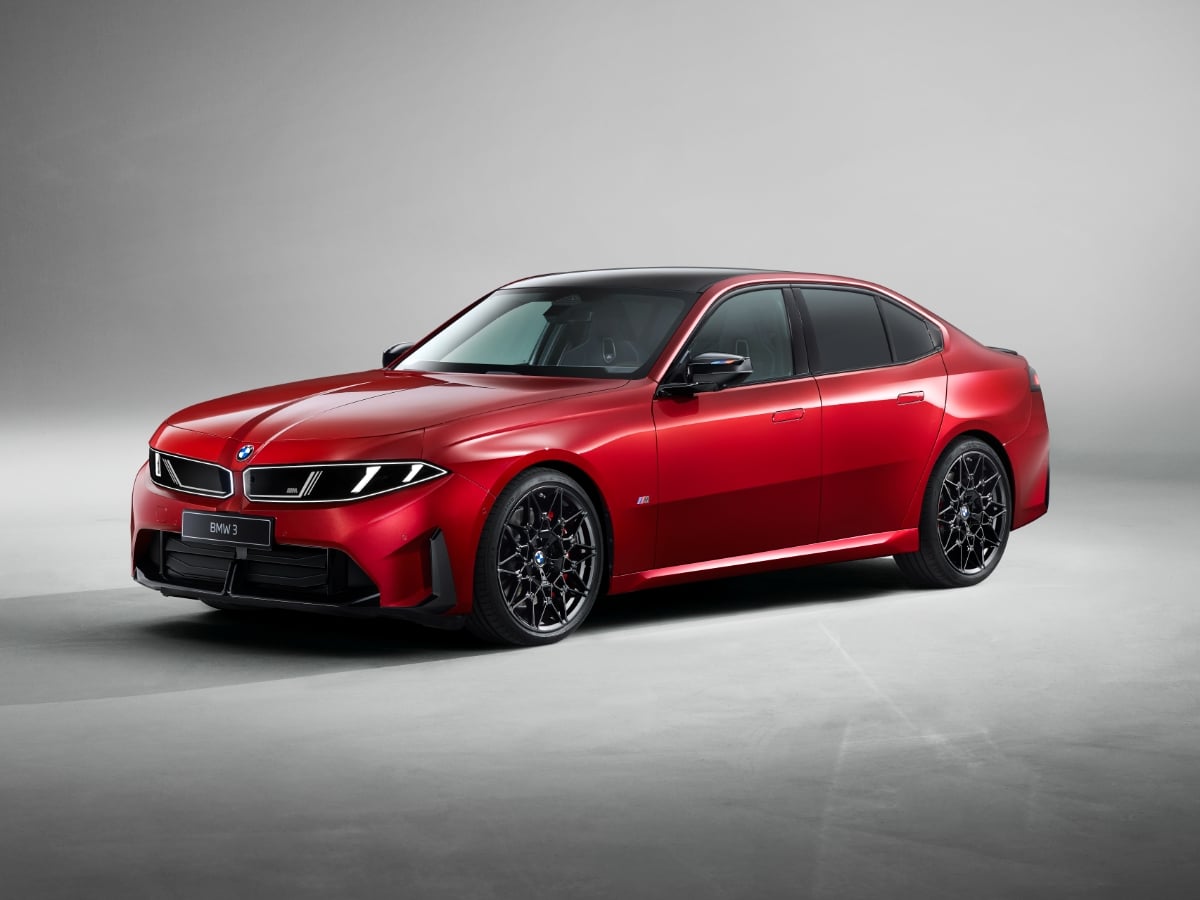
Part of BMW’s Neue Klasse (new class) rollout of redesigned models, the 2027 BMW 3 Series is all-new and goes on sale in the first quarter of 2027.
Read the Full Article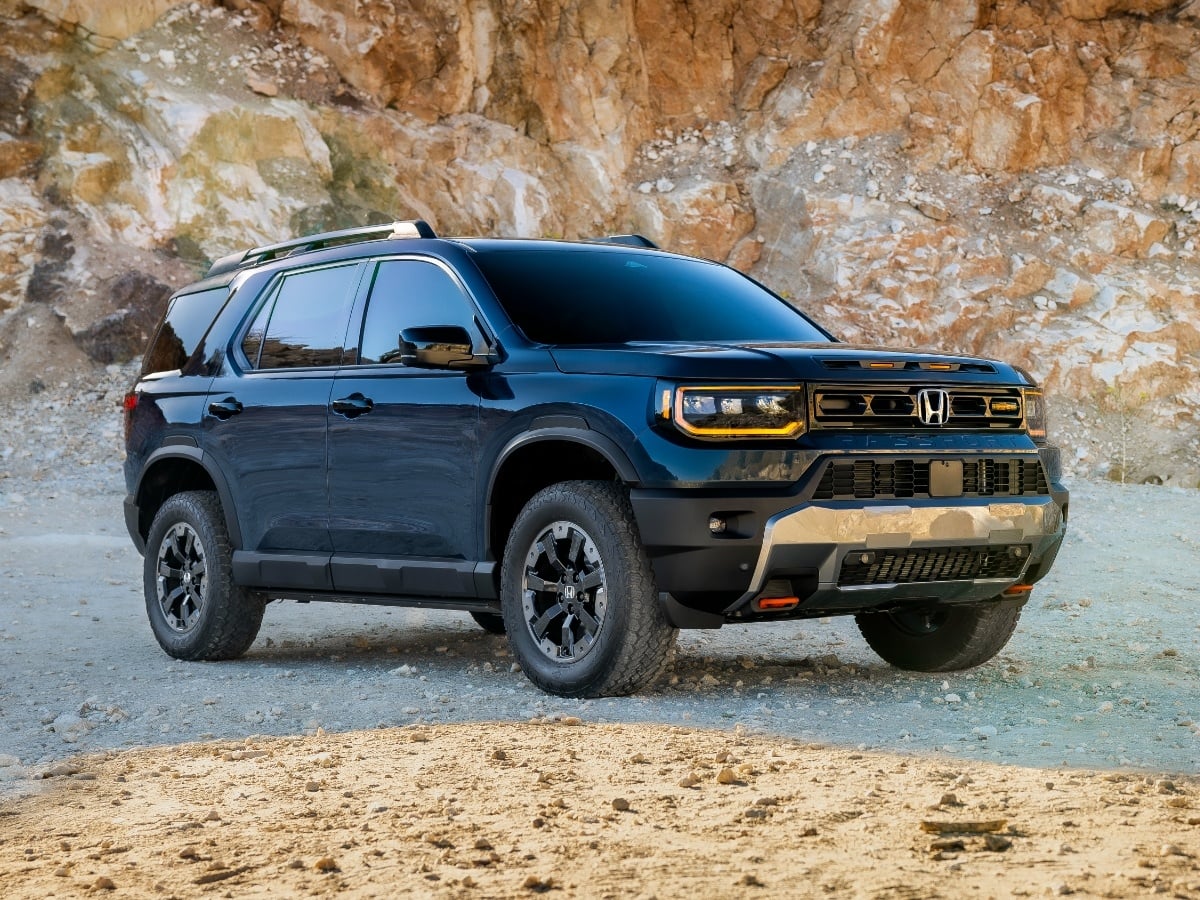
Updates to the 2027 Honda Passport TrailSport include a reworked suspension, improved steering, subtle styling enhancements, and added standard equipment.
Read the Full Article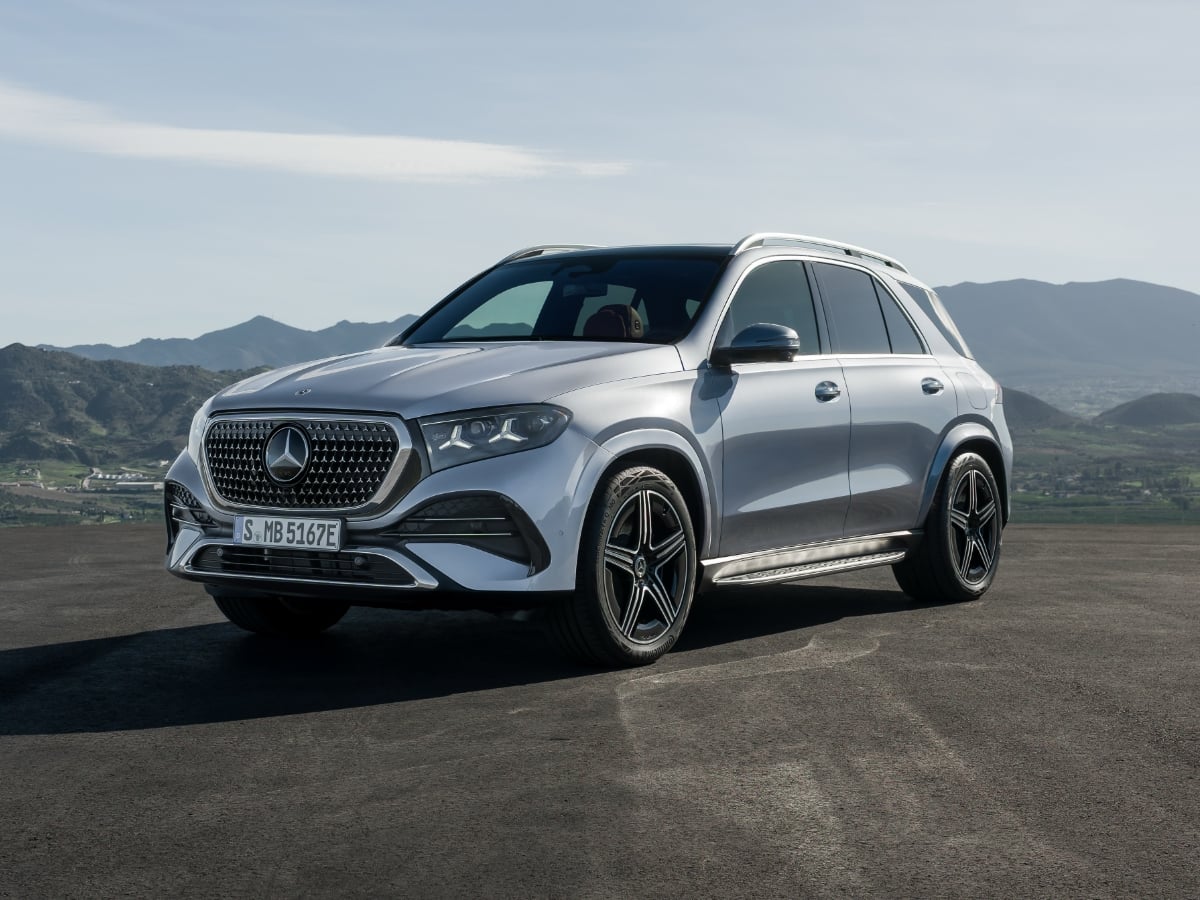
The midsize 2027 Mercedes GLE remains available in original and spicy Coupe recipes, now with standard 4Matic all-wheel drive (AWD), MBUX Superscreen technology, and a panoramic glass sunroof for ...See More
Read the Full Article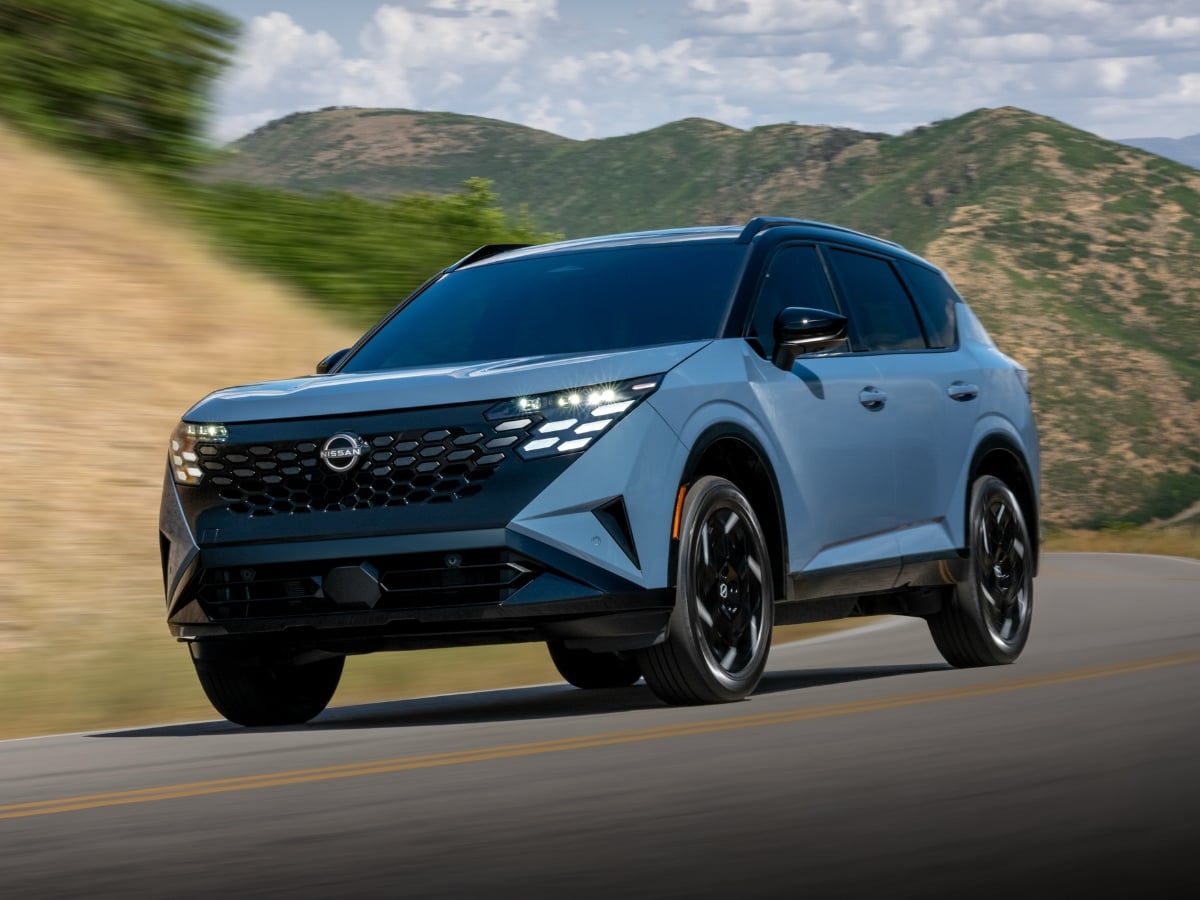
Nissan is about to introduce an innovative new SUV. The 2027 Nissan Rogue Hybrid has a gasoline engine, but it does not power the wheels. Instead, electric motors at each axle provide propulsion, ...See More
Read the Full Article