
A sway bar, also known as an anti-roll bar, is a component of a vehicle's suspension system that helps to reduce the amount of body roll (or lean) that occurs when the vehicle turns. A sway bar helps to keep the vehicle more level and stable, improving handling and ride comfort.

When a vehicle turns, the wheels on the outside of the turn have to travel a greater distance than the wheels on the inside of the turn. This causes the vehicle's body to lean towards the inside of the turn, a phenomenon known as body roll. This can make the vehicle feel less stable and more challenging to control, especially at high speeds or tight turns.
The sway bar connects the left and right wheels through a torsion spring. As the vehicle turns, the torsion spring resists the twisting forces generated by the wheels, helping to keep the vehicle more level and stable. This improves the handling and ride comfort of the vehicle, making it feel more secure and confident in turns.
Sway bars are typically found on vehicles with independent suspension systems, such as most cars and trucks. You can tune them for different driving conditions and styles by adjusting the stiffness of the torsion spring, which changes the amount of resistance the sway bar provides. Sometimes, you can upgrade or replace sway bars with aftermarket options for improved performance.
There are several types of sway bars, each with advantages and disadvantages. The most common types of sway bars include:
Some vehicles come with more than one sway bar, front and rear sway bars, which may have different shapes, sizes, and designs. Sometimes, sway bars can be upgraded or replaced with aftermarket options for improved performance.
Sway bar maintenance is relatively simple. Regular inspection and maintenance can help to ensure that the sway bar is in good working condition and help to prevent any potential problems. Here are a few things to keep in mind when it comes to sway bar maintenance:
Sway bars, also known as anti-roll bars, are a critical component of a vehicle's suspension system that helps reduce the body roll (or lean) that occurs when a vehicle turns. The sway bar is a metal bar that connects the left and right wheels through a torsion spring, which resists the twisting forces generated when a vehicle corners. This helps to keep the vehicle more level and stable, improving handling and ride comfort.
Several types of sway bars include solid, hollow, adjustable, tubular, and split. Regular inspection and maintenance of sway bars ensure they are in good condition and prevent potential problems. Upgrading or replacing the sway bar with aftermarket options can improve performance and handling.


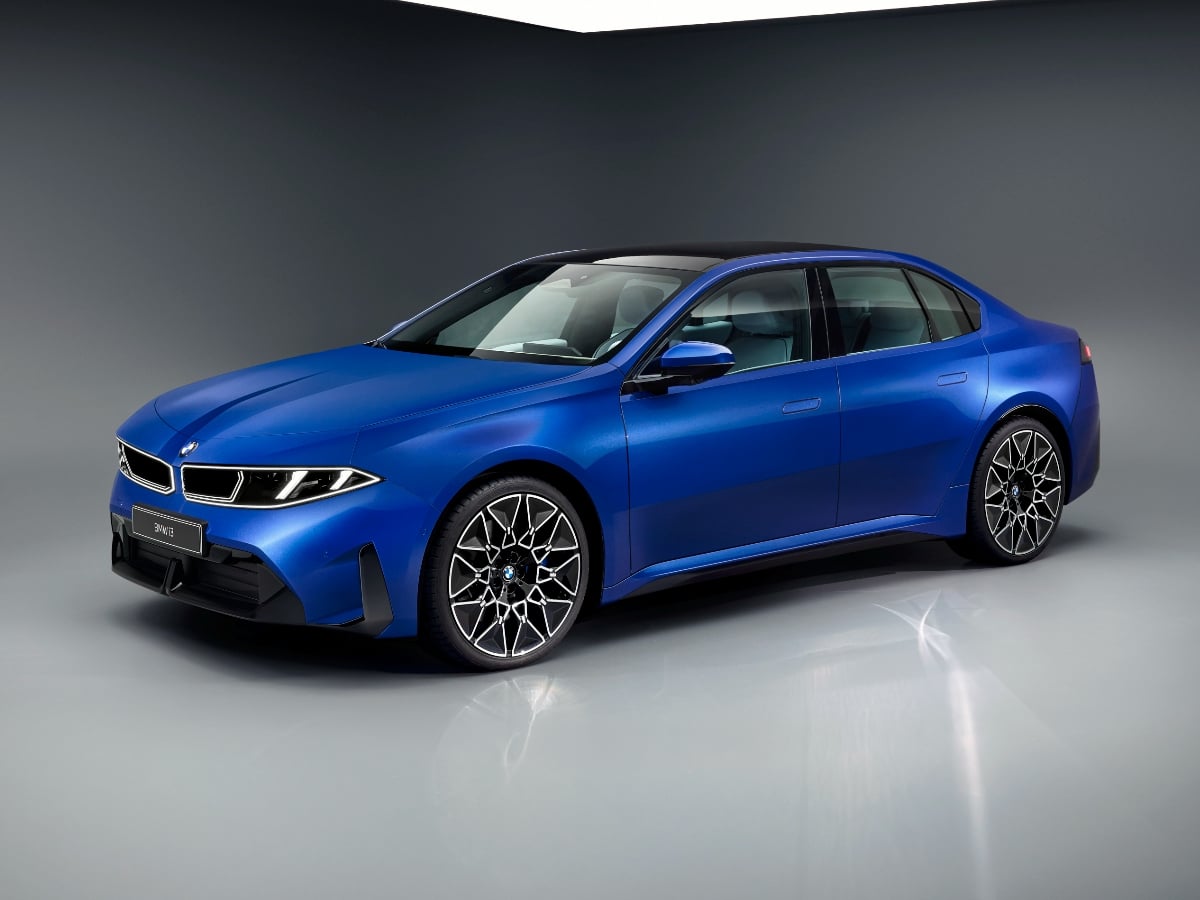
The new 2027 BMW i3 boasts an estimated range of up to 440 miles, 400-kilowatt DC fast charging capability, bidirectional charging to a home or the grid, and next-generation technology.
Read the Full Article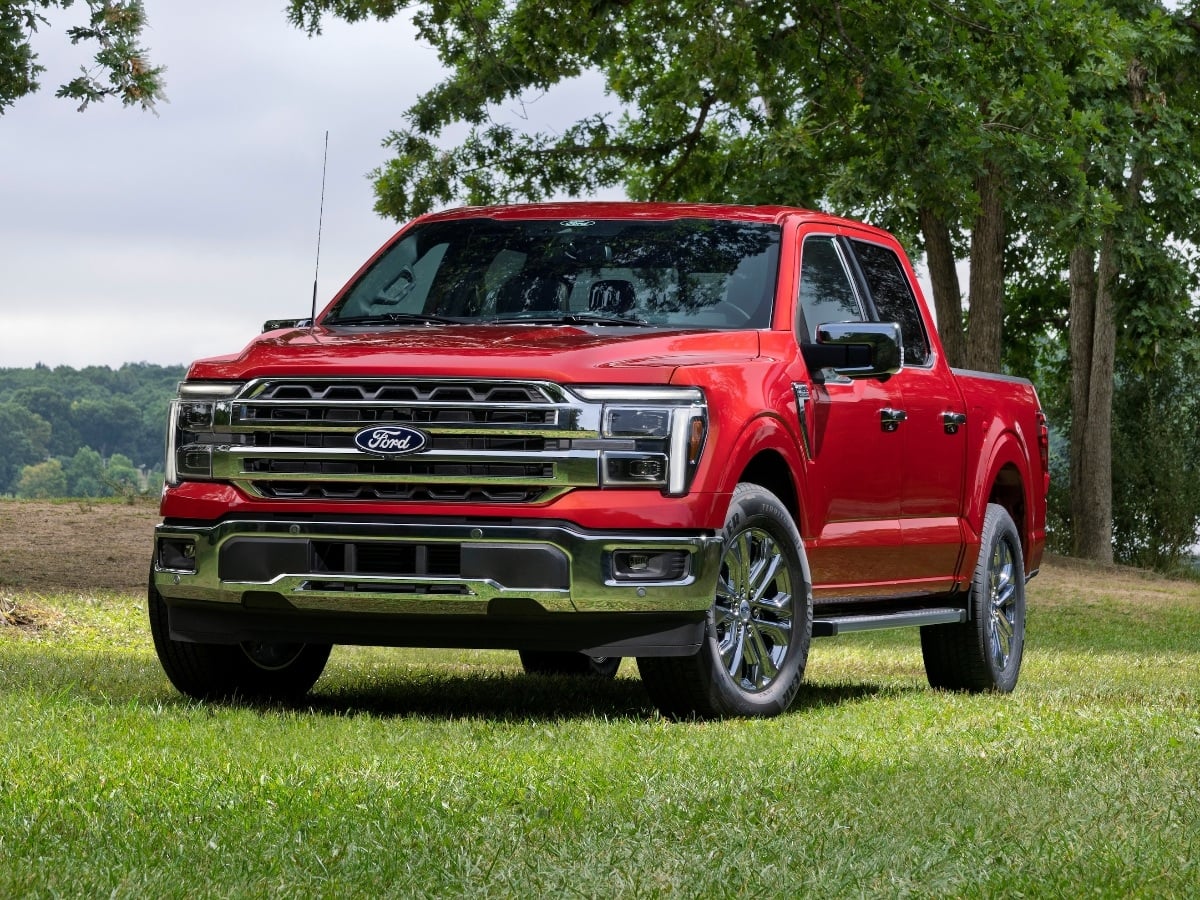
Facing renewed competition in the full-size, light duty pickup truck segment, the 2027 Ford F-150 receives subtle styling updates, a new standard engine, broader availability of its 5.0-liter V8, and ...See More
Read the Full Article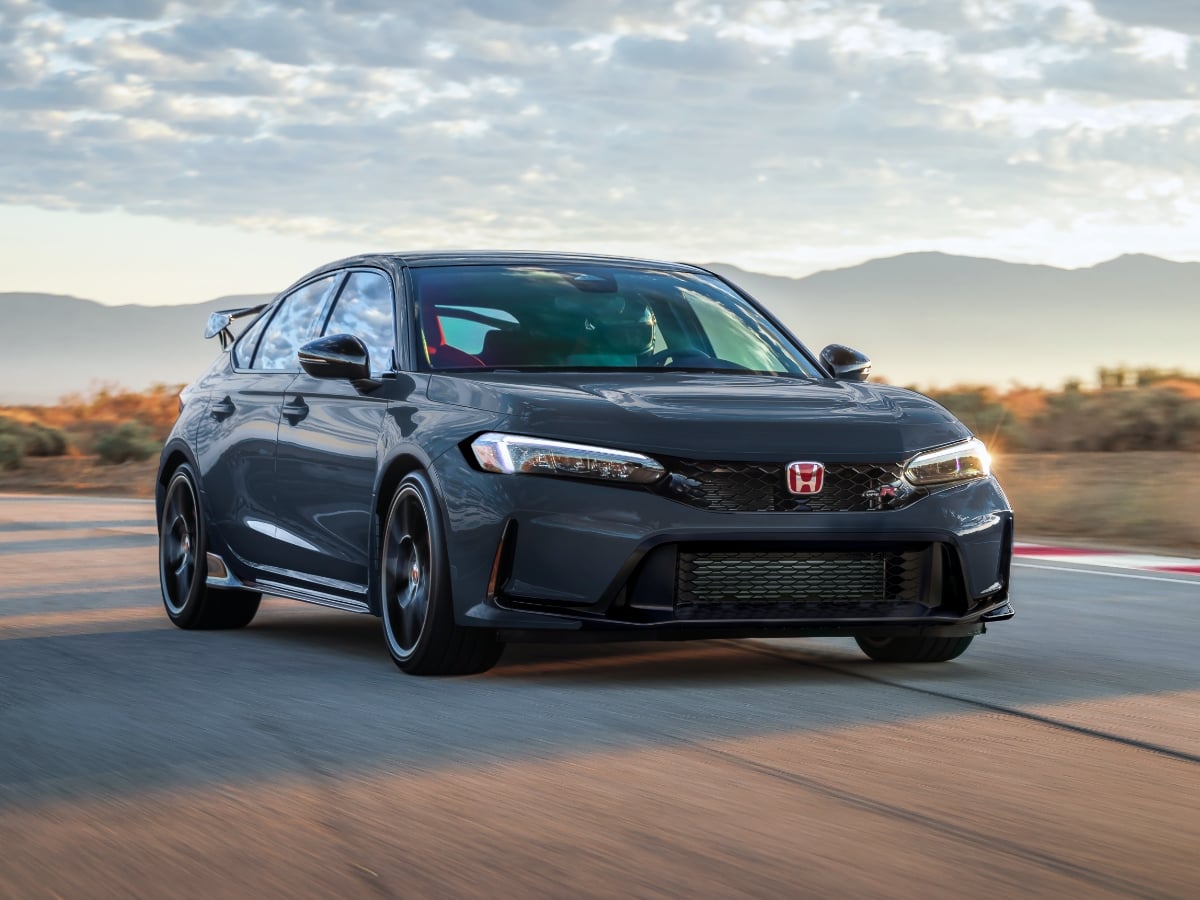
The 2027 Civic Type R goes on sale in October 2026, and it starts at $49,990, including the $1,295 destination charge.
Read the Full Article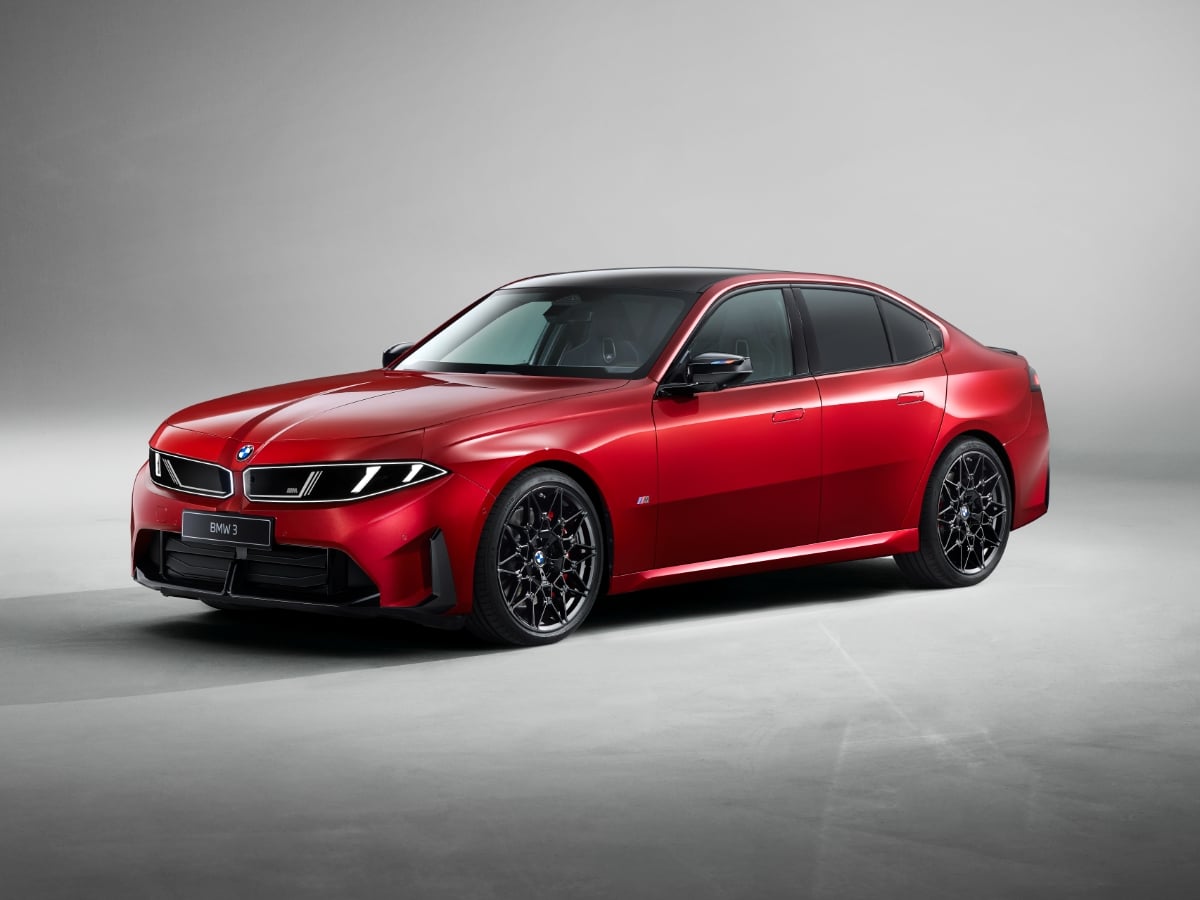
Part of BMW’s Neue Klasse (new class) rollout of redesigned models, the 2027 BMW 3 Series is all-new and goes on sale in the first quarter of 2027.
Read the Full Article