
Whenever you purchase a vehicle, sites or dealerships offer you various options: different engines, cabin configuration, interior design, and much more. As part of the purchasing routine, customers also can pick any accessories they want. Many feel that a spoiler will complement the vehicle’s look, ignoring or not knowing the potential benefits of having one.

That is why in this article, we will talk about spoilers. We will begin with their brief history and usage, touch upon physics somewhat and, finally, explain which type of car should always have a spoiler installed.
Spoilers started to gain traction in the 1960s as manufacturers sought to improve the aerodynamics (the management of air flowing around a vehicle) of race cars and high-performance vehicles. Later, federal fuel economy regulations motivated them to improve the aerodynamics of all rides to generate higher mileage ratings. A vehicle with less wind resistance uses less fuel at high speeds.
Spoilers come in many shapes and sizes and can be installed on the vehicle to ensure driving efficiency. Whenever someone mentions the word “spoiler,” you instantly think of wing-type spoilers attached to a car's trunk lid. However, they can be installed on the front to direct air to the sides so that less goes underneath.
If you like racing, you will have seen spoilers installed on many cars. For instance, Formula 1 vehicles travel at extremely high speeds. These cars require extensive air management due to particulars of aerodynamics.
When you drive fast, you will experience adverse consequences. Lift is always dangerous and can lead to fatal accidents.
Luckily enough, there is a polar opposite. Downforce is something that pushes the car down and doesn’t allow it to lift from the road. It helps the fast vehicle to corner better but, in turn, сreates the drag that reduces speed.
As you can see, there is a great need for a counterbalance between the two. Fortunately, this is precisely where wings and spoilers come in. Wings create downforce for high-performance vehicles, while spoilers prevent or reduce lift.
In short, spoilers disrupt the aerodynamic motion and switch the high-pressure and low-pressure zones. They eliminate the high pressure that creates lift and moves it away from the car. Alternatively, you can increase the vehicle's weight, but this negatively affects cornering because of inertia. In that situation, spoilers are used.
If you are driving fast enough or are into racing, having a spoiler could greatly benefit you. It helps the vehicle’s braking stability, as it is easier to apply the brakes at high speeds. Spoilers may improve fuel efficiency, especially if your car has front spoilers or air dams, as they move air around the vehicle and reduce drag.


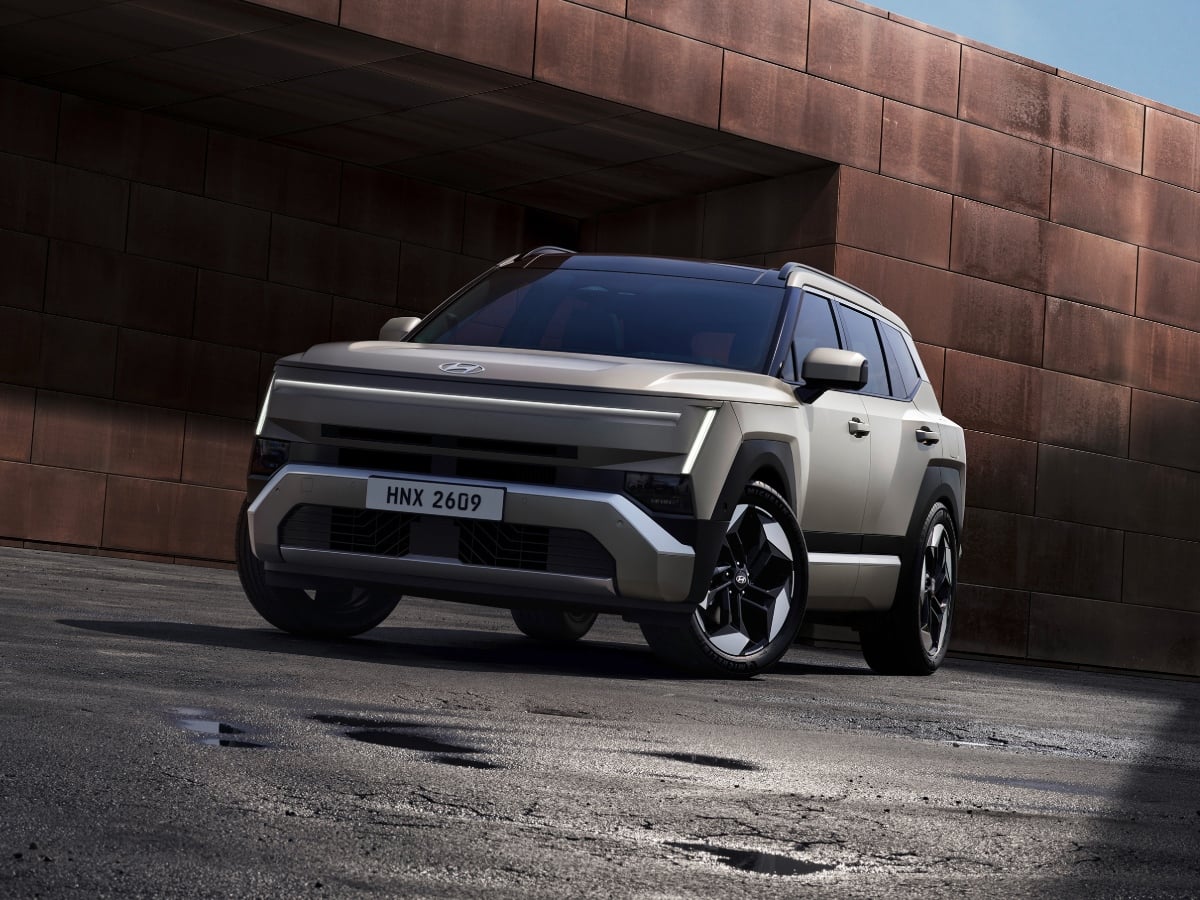
With a purposeful new design and some trail-ready upgrades, the 2027 Hyundai Tucson is pushing the brand's best-selling crossover SUV into more aggressive territory.
Read the Full Article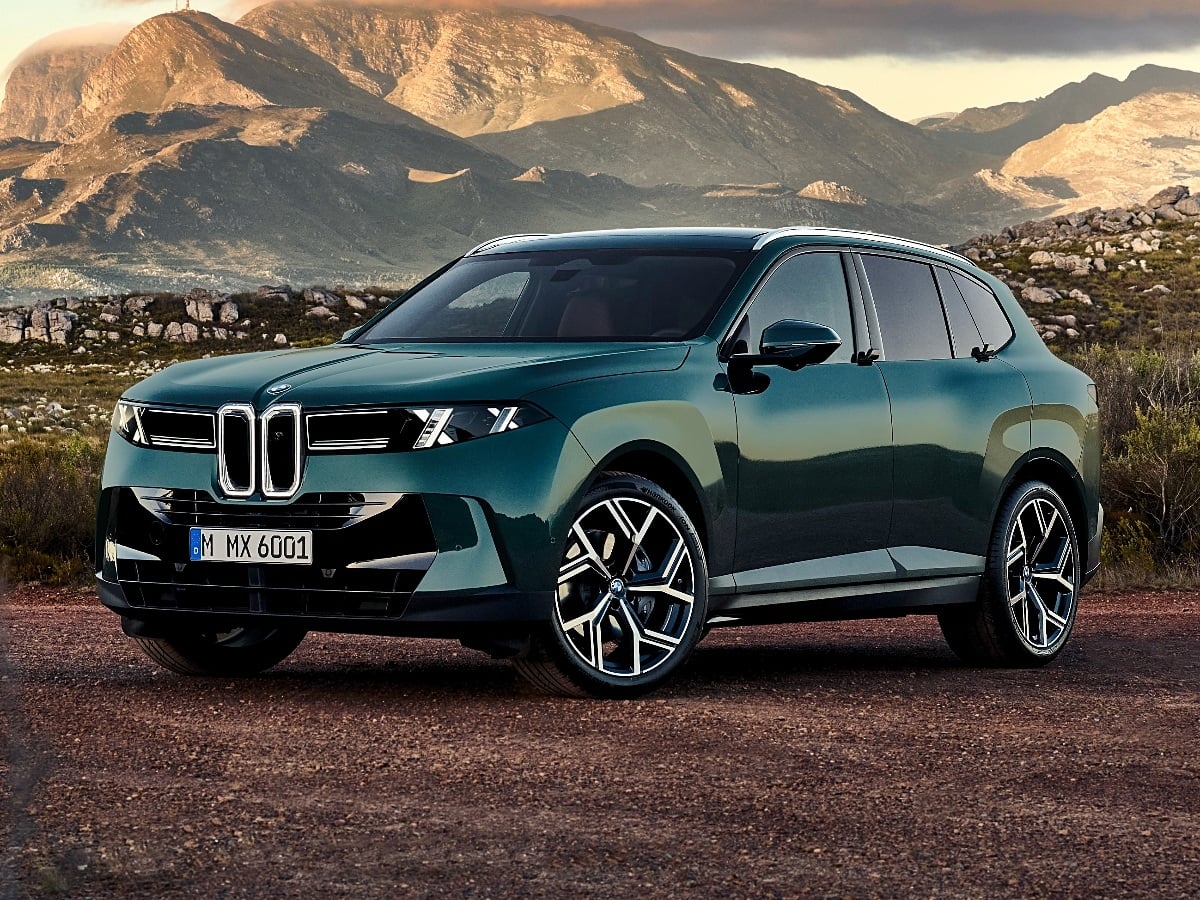
For more than 25 years, the BMW X5 has helped to define the luxury SUV segment. Now, the redesigned fifth-generation 2027 BMW X5 arrives with the automaker’s Neue Klasse styling, a roomier interior, ...See More
Read the Full Article
One of Lexus's most popular models, the NX crossover SUV is also one of the most affordable in the company’s lineup. The 2027 Lexus NX transitions to hybrid-only powertrains, and gets revised ...See More
Read the Full Article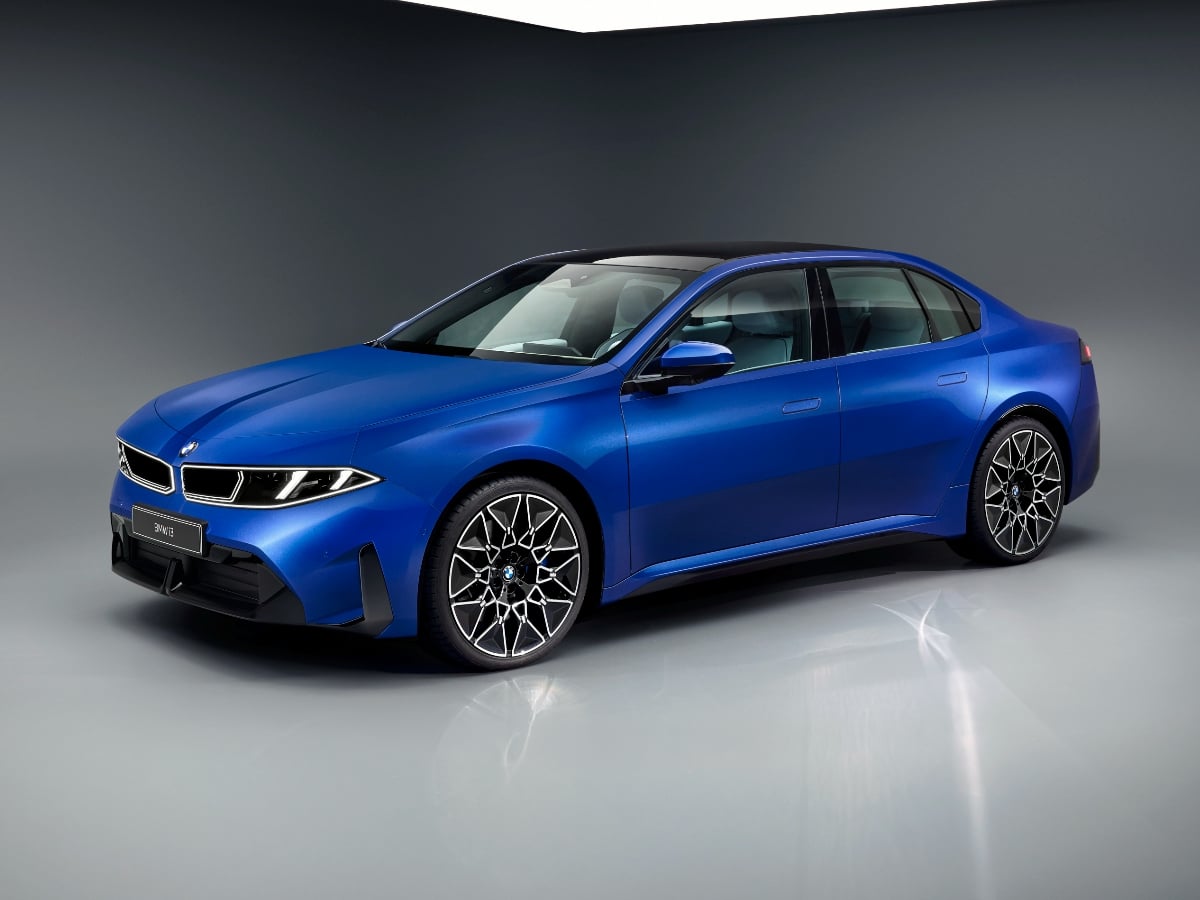
The new 2027 BMW i3 boasts an estimated range of up to 440 miles, 400-kilowatt DC fast charging capability, bidirectional charging to a home or the grid, and next-generation technology.
Read the Full Article