
You probably have seen many road signs along the road. They help you follow traffic regulations and keep you safe. But seeing as there are multiple types of signs out there, and there are more and more new drivers each year, things could quickly get confusing, especially when it concerns the No Passing Zone sign.
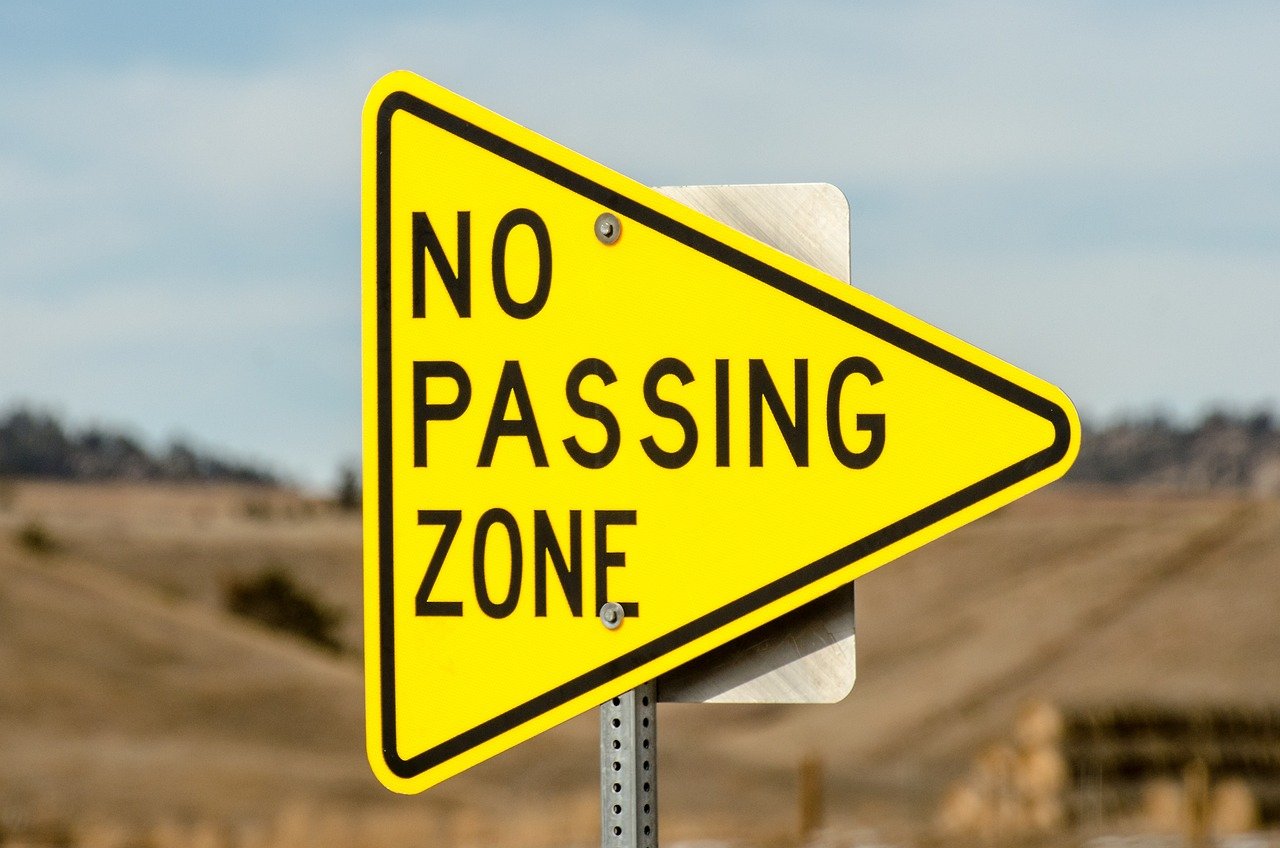
So, let’s take an in-depth look into what this particular sign means.
A no-passing zone indicates a section of the road where you are not allowed to pass other vehicles. The sign is a yellow diamond with a red vertical line, which may be accompanied by signs indicating the speed limit for that section of the road.
There are several reasons why no passing zones may be in place, including:
There are three types of no-passing zones:
A solid yellow line along your side of the road indicates that passing is prohibited even if there is an area beyond that lane that has room for another vehicle to move over or merge into the lane. This type of solid yellow line is typically only used on highways.
Double solid yellow lines along your side and center lines clearly show that it’s illegal for any vehicle, including emergency response vehicles, to pass through this area. This type of double solid yellow line may also be referred to as a “double barrier”.
A sign with the words “No Passing Zone” printed on it at intervals across from each other. These signs indicate areas where passing isn't allowed even if there is room for another vehicle to move over or merge into the lane.
You can find such signs at various places on the road:
You can also find these signs at intersections within school zones, before sharp curves in the road, bridges, tunnels, and other structures with limited visibility beyond them.
However, there is a sign that is extremely similar to the no-passing zone one.
The Do Not Pass, and No Passing Zone signs mean the same: you are not allowed to overtake other cars. The key difference, however, lies in details. For instance, a No Passing Zone would prohibit you from using the opposite lane of traffic to pass other vehicles, while a Do Not Pass sign would be put in places where adjacent lanes are ending or merging.
Apart from that, the No Passing Zone sign has a yellow background with black letters and a thick red border, whereas the Do Not Pass sign has a black background with white letters and thin red borders.Both signs are often found on the sides of roads, but they can also be placed in other areas that require motorists to slow down or stop.
When you see a No Passing Zone sign, it means that passing is not permitted. You must wait until you see a Passing Permitted sign or the end of the no-passing zone before attempting to pass another vehicle.
If you are driving at a slower rate than other vehicles on the road, be sure to maintain your speed rather than slowing down for no reason. This will help keep traffic moving smoothly and avoid confusion among fellow drivers.
No Passing Zone signs are there for a reason. They are posted to prevent motorists from passing other vehicles in areas where it’s unsafe to do so.
When you see one, don’t attempt to pass other cars until you reach a Passing Permitted sign or the end of such a zone. After all, you must follow traffic regulations to avoid legal trouble and road accidents.


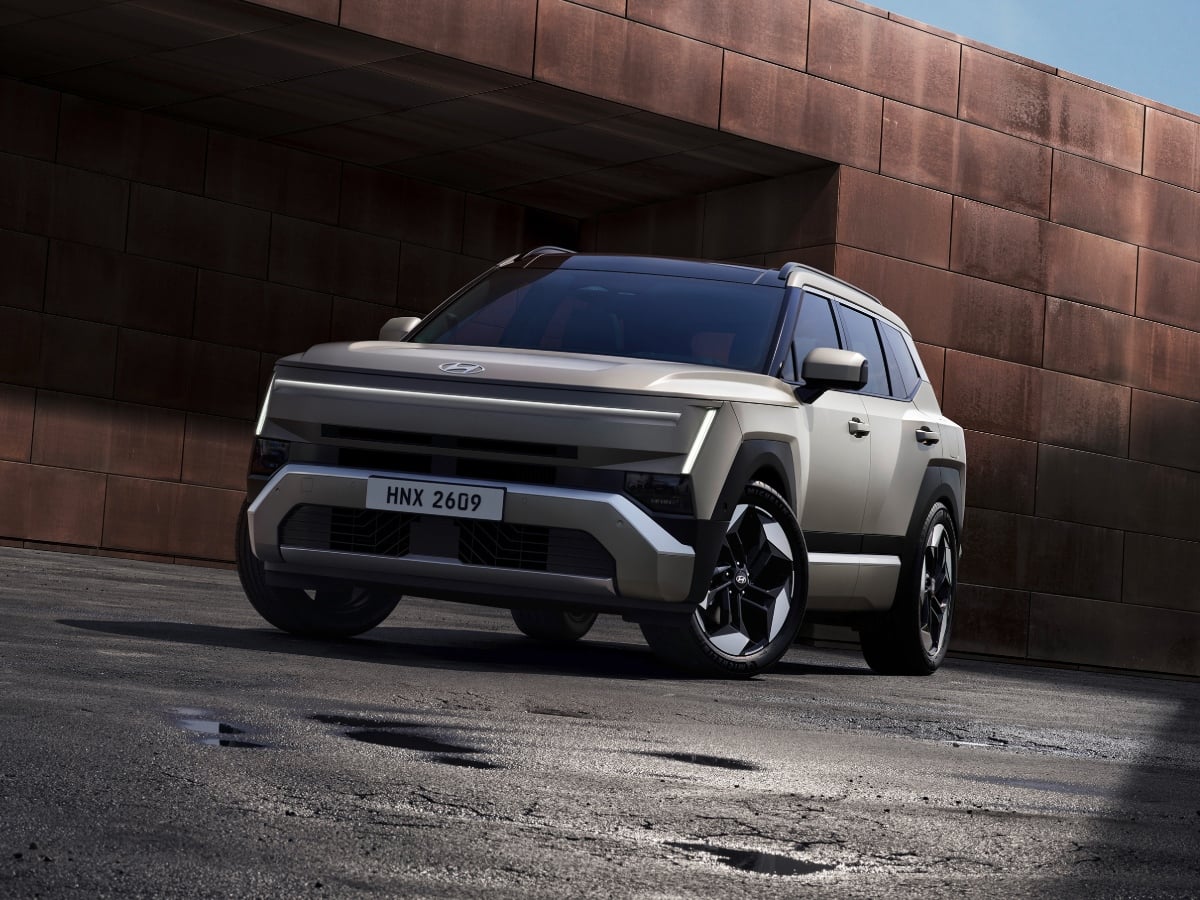
With a purposeful new design and some trail-ready upgrades, the 2027 Hyundai Tucson is pushing the brand's best-selling crossover SUV into more aggressive territory.
Read the Full Article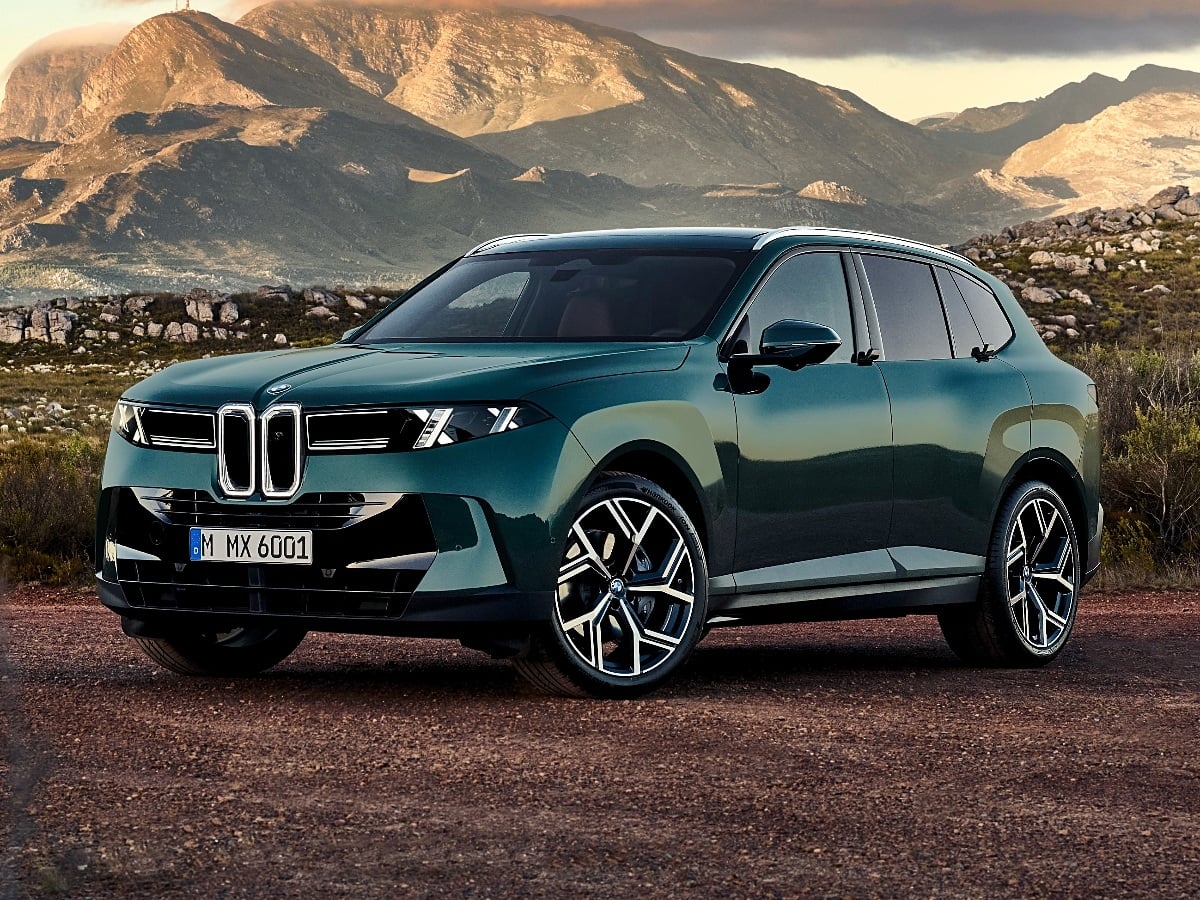
For more than 25 years, the BMW X5 has helped to define the luxury SUV segment. Now, the redesigned fifth-generation 2027 BMW X5 arrives with the automaker’s Neue Klasse styling, a roomier interior, ...See More
Read the Full Article
One of Lexus's most popular models, the NX crossover SUV is also one of the most affordable in the company’s lineup. The 2027 Lexus NX transitions to hybrid-only powertrains, and gets revised ...See More
Read the Full Article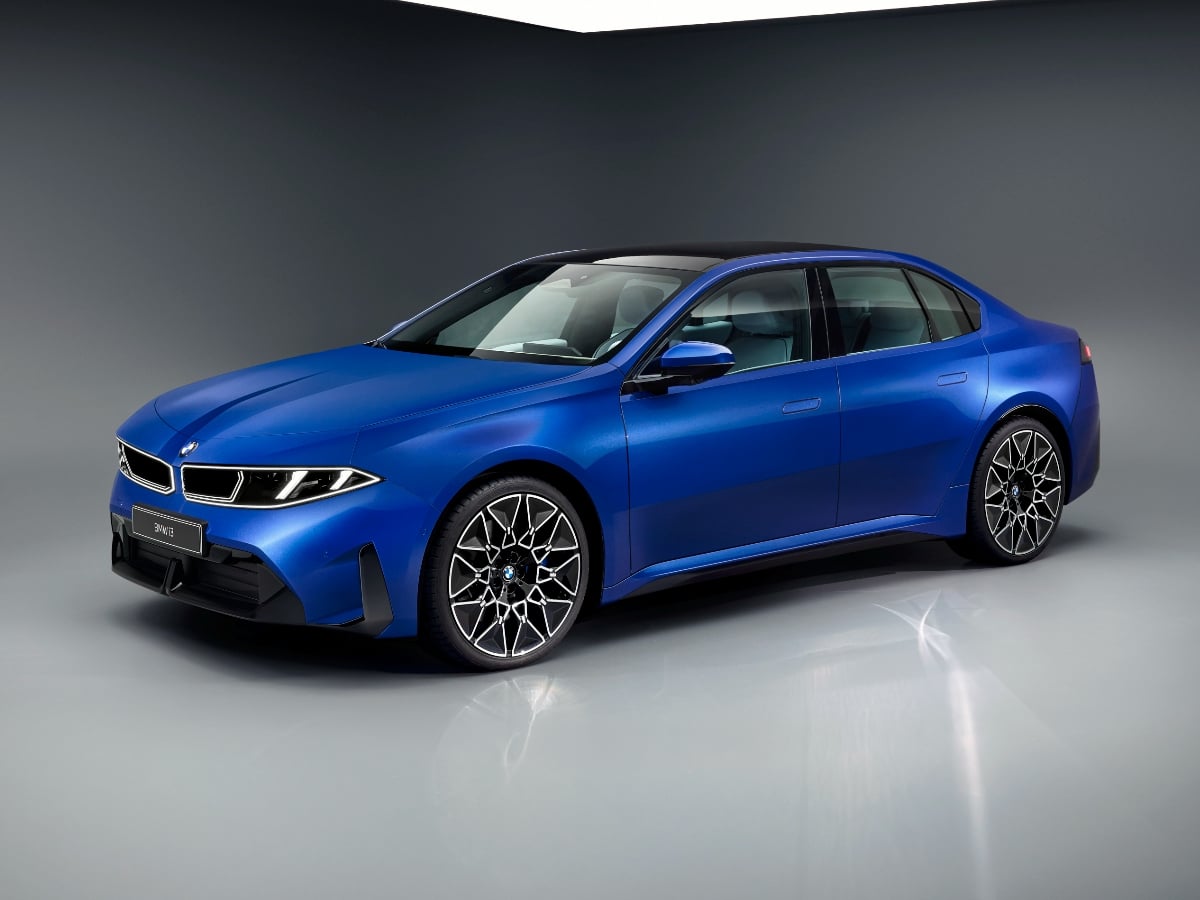
The new 2027 BMW i3 boasts an estimated range of up to 440 miles, 400-kilowatt DC fast charging capability, bidirectional charging to a home or the grid, and next-generation technology.
Read the Full Article