
Getting a flat tire is a surefire way to mess up an otherwise perfect day. Beyond the hassle and questionable safety of swapping to a spare tire on the side of the road, dealing with a flat is undoubtedly a big waste of time. Tire makers know this and have worked to develop new technologies to prevent flat tires and keep you rolling if a puncture occurs.
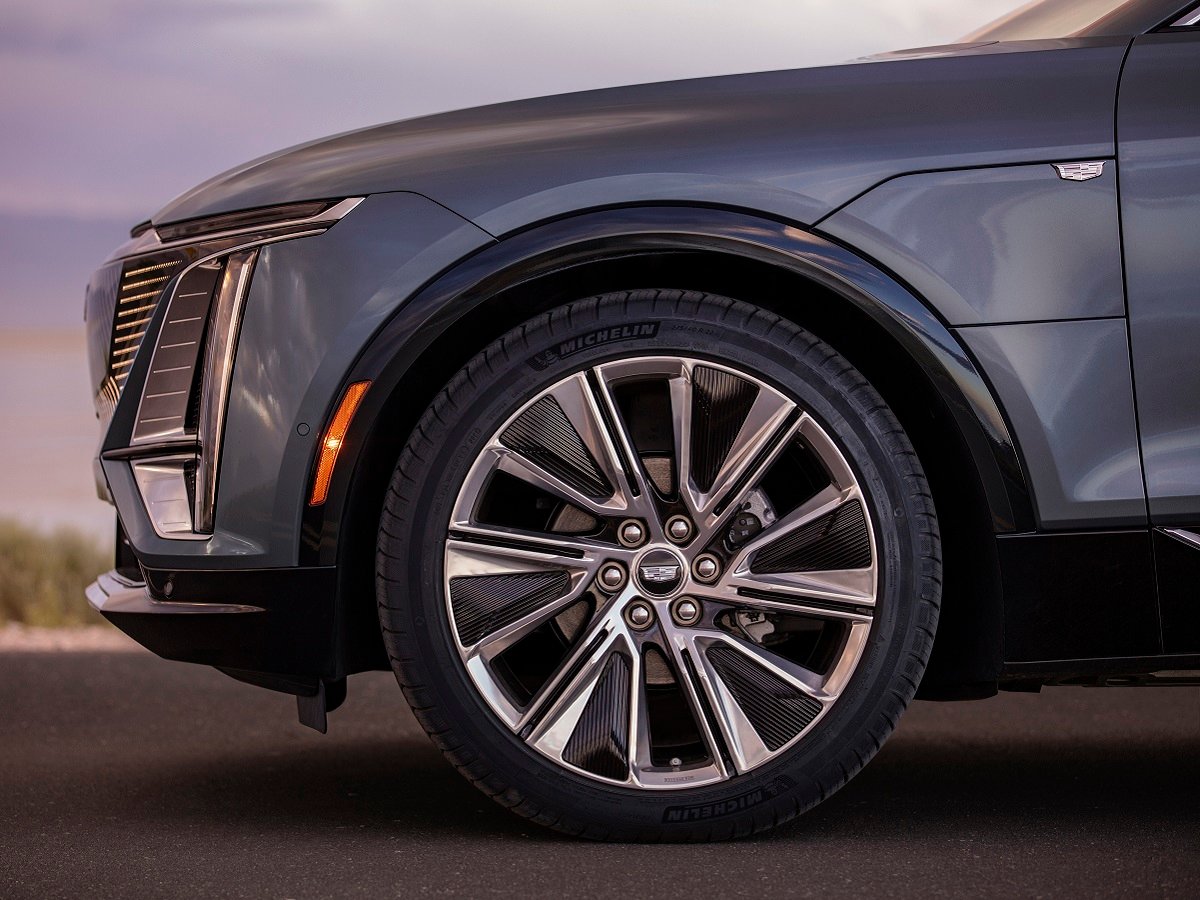
Run-flat tires come in two major types: self-supporting and self-sealing. Many brands offer run-flat models in different styles, such as winter, performance, and all-season tires. Several automakers offer run-flat tires as options from the factory. Still, it’s important to remember that there are tradeoffs that can impact your car’s driving feel, interior noise, and more. Though they can save time and may prevent an unsafe roadside situation, run-flat tires have some disadvantages that regular rubber doesn’t, so let’s take a closer look.
Self-supporting tires have structural reinforcements that let them continue rolling after losing air pressure. However, the sidewalls are stiffer than traditional tires, so they don’t offer the best responsiveness and grip in corners. The reinforced sidewall does not allow the tire to flex as well as conventional models, which can impact the tire contact patch and reduce grip.
Like the evil T1000 robot in Terminator 2, self-sealing tires can “regenerate” and cover up a small puncture. Self-sealing tires use a special sealant compound on the inside that spreads and “heals” a puncture hole. The sealant material is typically under the tread only, so self-sealing tires can’t cope with a sidewall puncture, and they may not perform so well with larger or oddly shaped holes.
Both types of run-flat tires offer a different driving feel from traditional tire models. Many people notice a slight fuel-economy dip when they install run-flat tires, though it’s not usually bad enough to drive buyers to other tires. Run-flat tires can also cause more road noise inside the cabin, especially at highway speeds, and most people find a slightly harsher ride compared to traditional tire models.
In most cases, run-flat tires are noticeably more expensive than traditional tires. Buyers can expect to pay at least 25 percent more for run-flat models. However, some run-flat tires can be as much as twice the price of comparable traditional tires. They also do not usually last as long as regular tires, so the replacement period is shorter. That’s on top of the fact that once a run-flat tire does its thing, you must replace it, no matter how small the puncture. Most experts recommend replacing tires in pairs, so you’re in for a costly ride if your run-flat tire gets a puncture.
Run-flat tires can be a significant benefit and prevent unsafe situations with roadside repairs, but they aren’t perfect and aren’t the best for every driver. The added safety and convenience come with a few downsides.
Pros:
Cons:
Many new cars are available with run-flat tires from the factory. If you’re looking for the best new models and want to learn more, head to our Shopping Guides section.



The new 2027 BMW i3 boasts an estimated range of up to 440 miles, 400-kilowatt DC fast charging capability, bidirectional charging to a home or the grid, and next-generation technology.
Read the Full Article
Facing renewed competition in the full-size, light duty pickup truck segment, the 2027 Ford F-150 receives subtle styling updates, a new standard engine, broader availability of its 5.0-liter V8, and ...See More
Read the Full Article
The 2027 Civic Type R goes on sale in October 2026, and it starts at $49,990, including the $1,295 destination charge.
Read the Full Article
Part of BMW’s Neue Klasse (new class) rollout of redesigned models, the 2027 BMW 3 Series is all-new and goes on sale in the first quarter of 2027.
Read the Full Article