
Whether a high-performance vehicle is a dedicated track car or a fun vehicle to take on twisty roads to experience its superior handling capability, tires make or break the experience. One might surmise the same way shoes might complete an outfit: tires complete the car.

Despite all drivers depending on tires to operate their vehicles, the average consumer may find it challenging to notice the distinctions between the different types of tires. However, to more discerning drivers and enthusiasts, tires are a crucial element in the performance equation. While a standard all-season tire might be great for an all-wheel drive Honda Pilot driven in New York, that same tire model could dilute the performance of a Porsche 911 that sees track days in Florida.
This article focuses on performance tires and explores why they may make sense for you, how much they cost, and the pros and cons of choosing a performance tire over other options.
Performance tires are composed of a soft rubber compound to enhance handling and speed. Just as you might buy a sports car for its cornering capabilities, you may consider performance tires to match or augment its handling prowess.
Depending on the model, performance tires come with a higher speed rating than most of their non-performance counterparts. When reading your tire, the last character in the alphanumeric code on the sidewall is typically an “H” indicating that the tire is rated for speeds up to 130 mph. However, many performance and ultra-high performance tires come with the following increased speed ratings:
Although these numbers are nearly double the legal speed limits on American roads, they represent the racing and track lineage of performance tires.
Performance tires were originally aligned more to summer tires with drivers swapping the tires for winter tires to safely handle inclement weather. Fortunately, the surge in market demand for performance tires has caused an increase in all-season performance options. Thus, drivers can meet their performance expectations with one set of tires year-round. Summer-performance tires are still an option, but no longer a prerequisite for performance.
High Performance All-Season Tires: High performance all-season tires feature the improved roadholding, braking, and cornering capabilities of high-performance summer tires, but also boast a rubber compound that is sticky in cooler temperatures, improved handling in wet weather, as well as more notable rain grooves for water channeling. In addition to the cost-savings of only purchasing one set of tires, performance all-season tires mean not having to store and install a separate set of tires for winter and summer.
High Performance Summer Tires: Convenience and improved capabilities have shifted market demand away from performance summer tires towards performance all-season tires. Still, there are numerous summer tire choices. Featuring shallower tread depth and stickier rubber compounds in warmer temperatures, summer tires make sense for those in warmer climates and for those who plan to regularly take their vehicle to track days and competitions.
Originally intended for sports cars, performance tires have expanded to other segments. As public preference shifted towards crossovers and SUVs, automakers developed high-performance variants of these models. For instance, SUVs such as the Porsche Cayenne GTS, which can accelerate to 60 mph in about 4.4 seconds, necessitate performance tires to showcase their engineering capabilities. Thus, these tires are now available on SUVs and crossovers in addition to the traditional sports sedan and supercar.
Performance tires range from $100 to hundreds of dollars depending on your needs and vehicle specifications. Luckily, there are highly rated performance tires in the following price categories:
For those willing to compromise on price but unwilling to compromise on performance, there are high-end options like the Michelin Pilot Sport 3 that cost approximately $600 per tire.
Given their added capabilities, engineering, and compounds, performance tires typically have a lower mileage tread life than other tires. For instance, one can generally expect performance tires to last 45,000-60,000 miles. There are numerous factors that impact the life of all tires, so if you live in a cold climate with a harsh winter, your tires might not last as many miles regardless of the tire type. Similarly, if you encounter a lot of stop-and-go traffic, or you seek out performance tires to test your car’s limits at the track, you will most likely replace those tires sooner than later.
Despite their advancements in versatility, performance tires are not without their drawbacks. As noted earlier, they have a higher entry price and typically do not last as long as standard all-season tires. Further hurting their value principle is sacrificing fuel economy and durability in favor of performance. Another result of their performance lean is compromised ride comfort and increased noise. The low-profile design of many performance tires increases the risk of a blowout and restricts these tires to paved surfaces only.
Performance tires have unmatched handling, grip, and braking capabilities. With the introduction of all-season ultra high-performance options, they are now suitable year-round. Whether you do track days every weekend or have a sports sedan you want to enjoy on winding roads, there are performance tires to match your desired needs.
Matt Yantakosol is a lifelong automotive enthusiast and former consultant focused on the consumer aspect of the industry. He has traveled to New York, Detroit, Chicago, L.A., Paris, Geneva, Frankfurt, and Tokyo Auto Shows to track and observe the newest industry innovations. In addition to JDPower.com, Matt's writing has appeared on Pcarmarket.com.


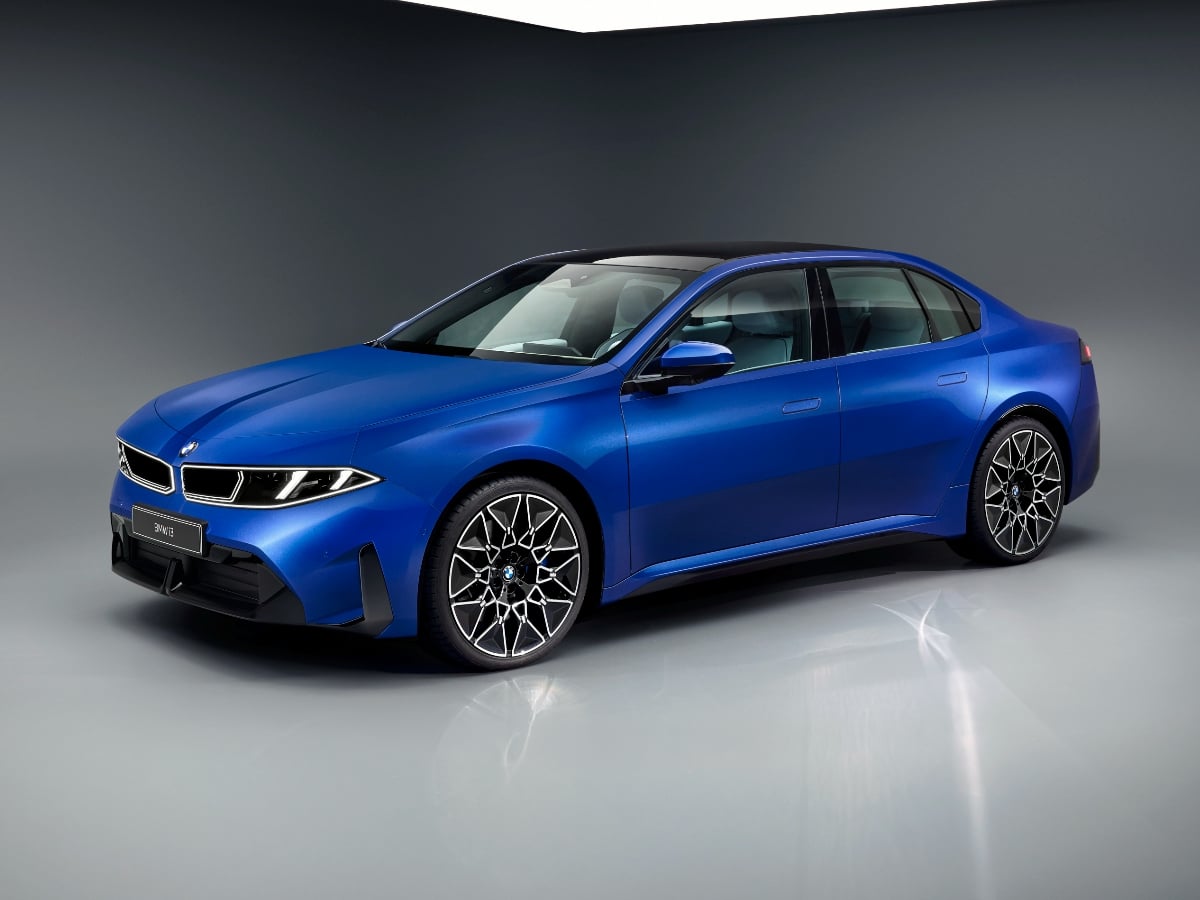
The new 2027 BMW i3 boasts an estimated range of up to 440 miles, 400-kilowatt DC fast charging capability, bidirectional charging to a home or the grid, and next-generation technology.
Read the Full Article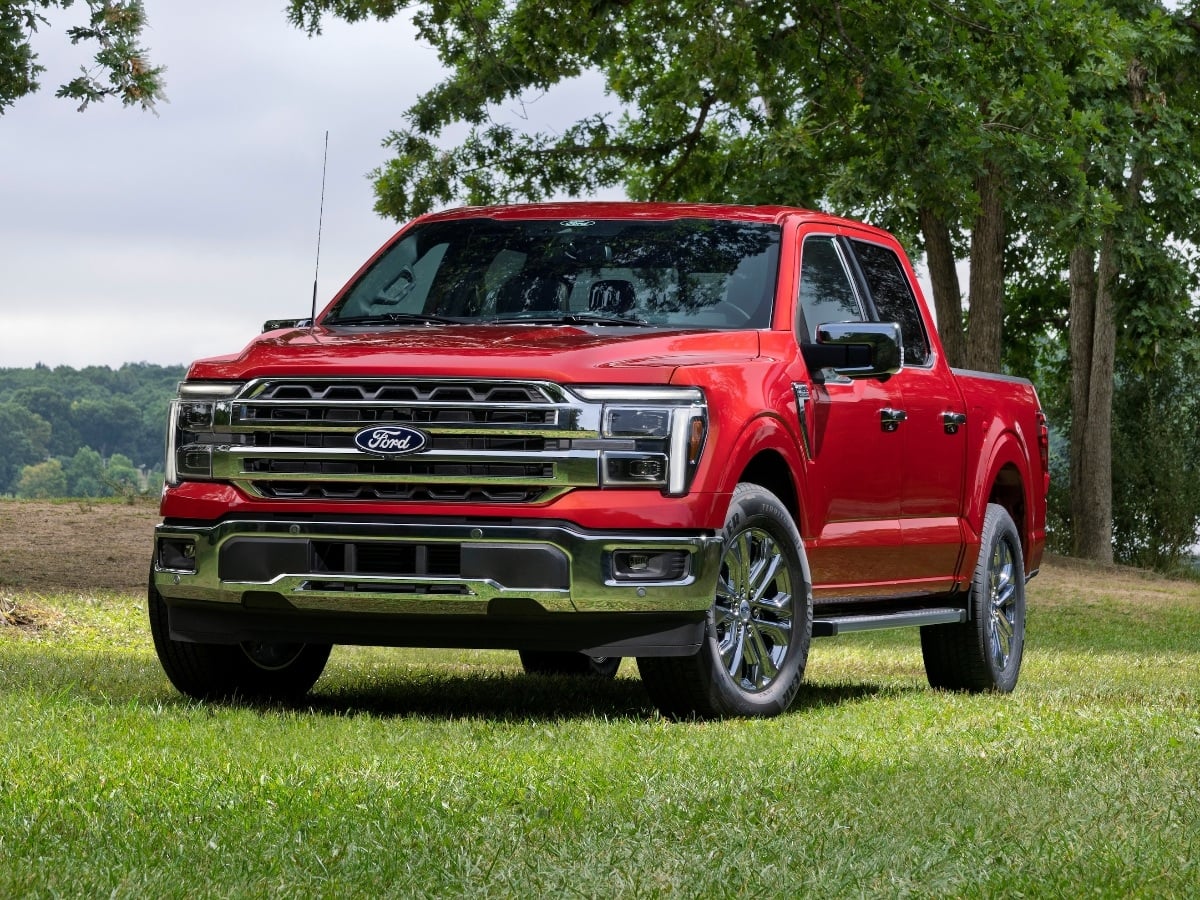
Facing renewed competition in the full-size, light duty pickup truck segment, the 2027 Ford F-150 receives subtle styling updates, a new standard engine, broader availability of its 5.0-liter V8, and ...See More
Read the Full Article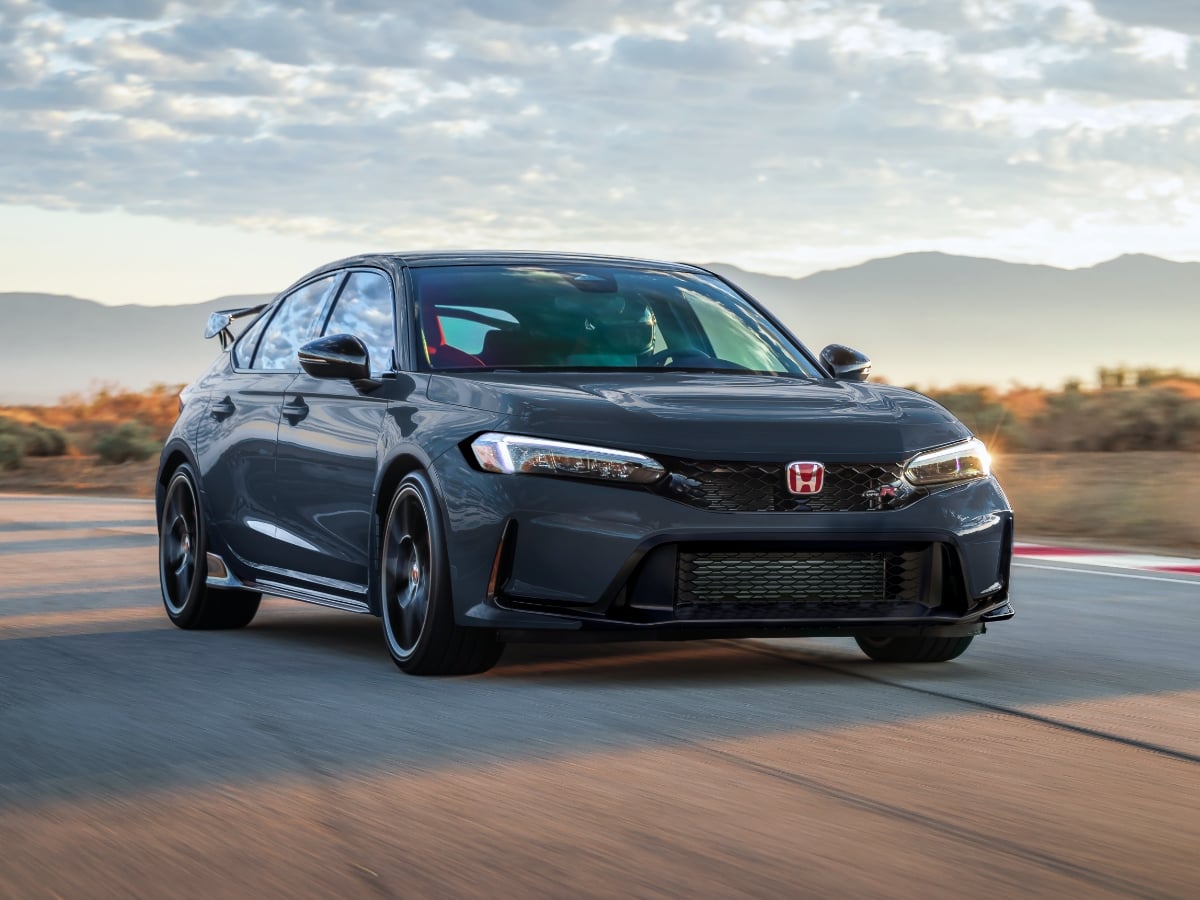
The 2027 Civic Type R goes on sale in October 2026, and it starts at $49,990, including the $1,295 destination charge.
Read the Full Article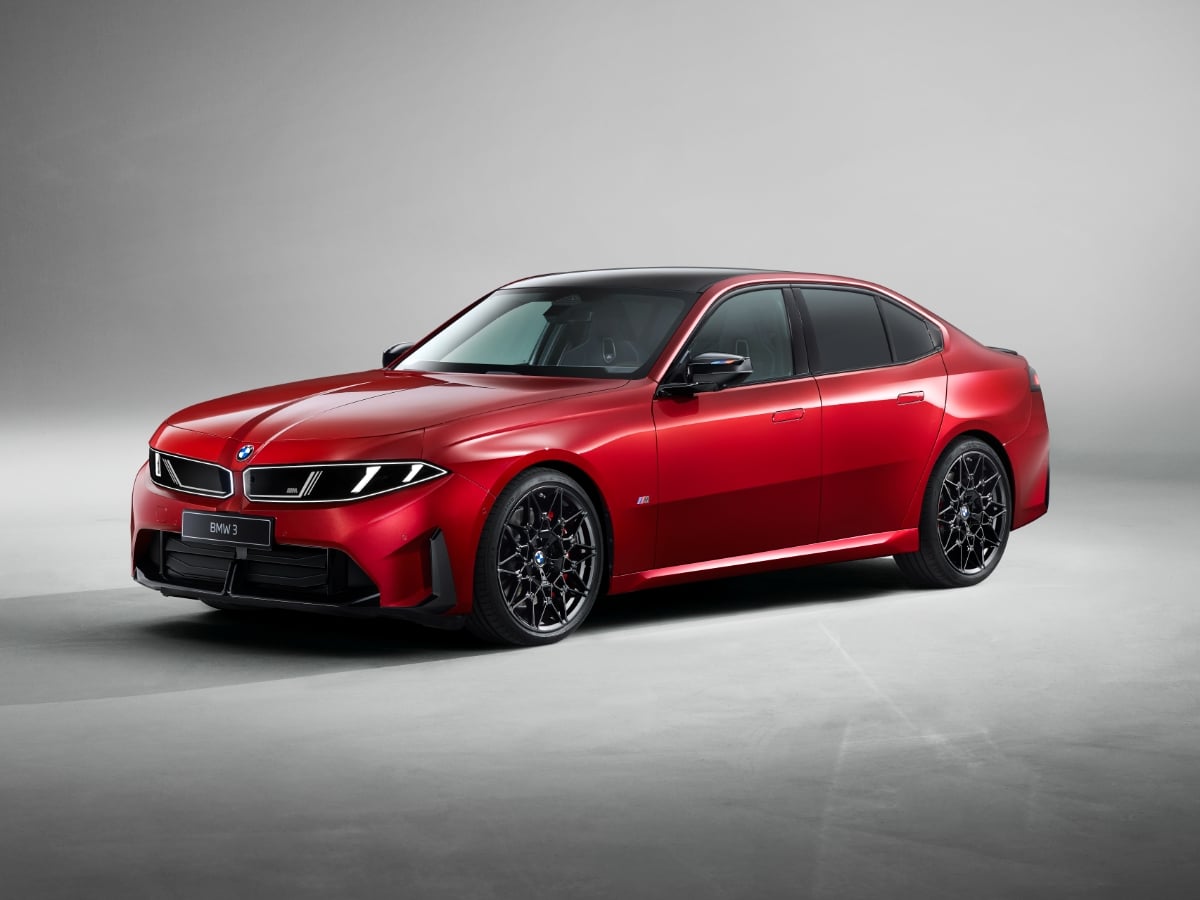
Part of BMW’s Neue Klasse (new class) rollout of redesigned models, the 2027 BMW 3 Series is all-new and goes on sale in the first quarter of 2027.
Read the Full Article