
We must first understand what each of these two systems does for a car. They both serve the same purpose, which is to coordinate the movement of the crankshaft as well as the camshaft(s) so that the engine's valves open and close at the appropriate times. The only differences between them are their shapes and the materials they are composed of, as they both function in the same manner.

Timing chains typically last longer than timing belts. The explanation for this is straightforward: chains are made of metal, whereas timing belts are composed of rubber, which is just not as robust. This does not imply timing belts are bad, but they will need to be replaced eventually, whereas a chain can last as long as the vehicle itself.
If you take your vehicle to a qualified repair facility, a replacement timing chain may cost you anywhere between $1,500 and $4,000. It's usually not a simple fix for the ordinary home mechanic, but if you have the knowledge, tools, and experience to replace it yourself, you may only spend $500 to $900 instead.
A timing belt service may be a major deal and expensive depending on your car. Timing belt replacements typically cost between $500 and $1,000, but waiting until they break can cost as much as $2,000 or more. Especially if more damage was done throughout the process.
Timing belts and chains are the mechanisms that connect the crankshaft. When you open your hood, you won't be able to see them. Timing belts and chains are always concealed beneath timing covers made of plastic or metal. These maintain the camshaft timing stable regardless of the environment outside the engine.
The timing chain performs the same duties as a timing belt. The two are just different in terms of substance and location. One is made of metal, while the other is made of reinforced rubber.
Timing chains are often preferred over chains, especially in newer vehicles. This is due to the longevity of timing chains. Both, however, have advantages and disadvantages. Before you decide which is preferable, you need to understand the advantages and disadvantages of timing belt versus timing chain so you can make an informed conclusion.
Whether your car has a timing chain or belt, it's critical that you watch for any symptoms of wear and strain and take appropriate action. Depending on the sort of engine you have, a timing belt failure can have disastrous results. If repairs are too expensive or impractical, you could be better off looking for a new vehicle.
As long as you don't pick an engine model with a history of timing chain failures, a timing chain is better than a timing belt. The chances are that you won't have to replace a timing chain again, despite how much it cost. However, over the length of the vehicle's lifespan, the timing belt will probably need to be replaced two or three times.
As a result, there is really no reason to utilize a timing belt in a modern automobile because timing chains are advancing to match timing belts in terms of quietness.



The new 2027 BMW i3 boasts an estimated range of up to 440 miles, 400-kilowatt DC fast charging capability, bidirectional charging to a home or the grid, and next-generation technology.
Read the Full Article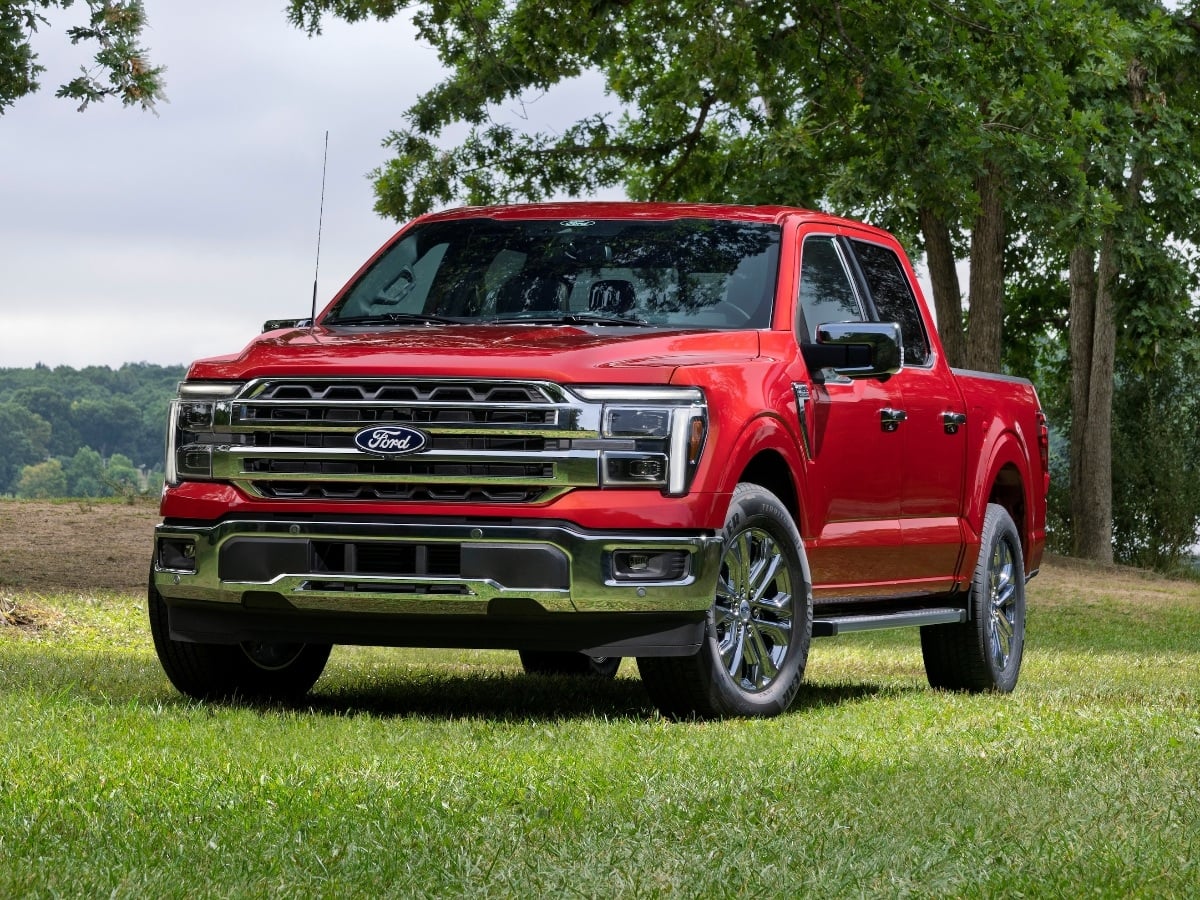
Facing renewed competition in the full-size, light duty pickup truck segment, the 2027 Ford F-150 receives subtle styling updates, a new standard engine, broader availability of its 5.0-liter V8, and ...See More
Read the Full Article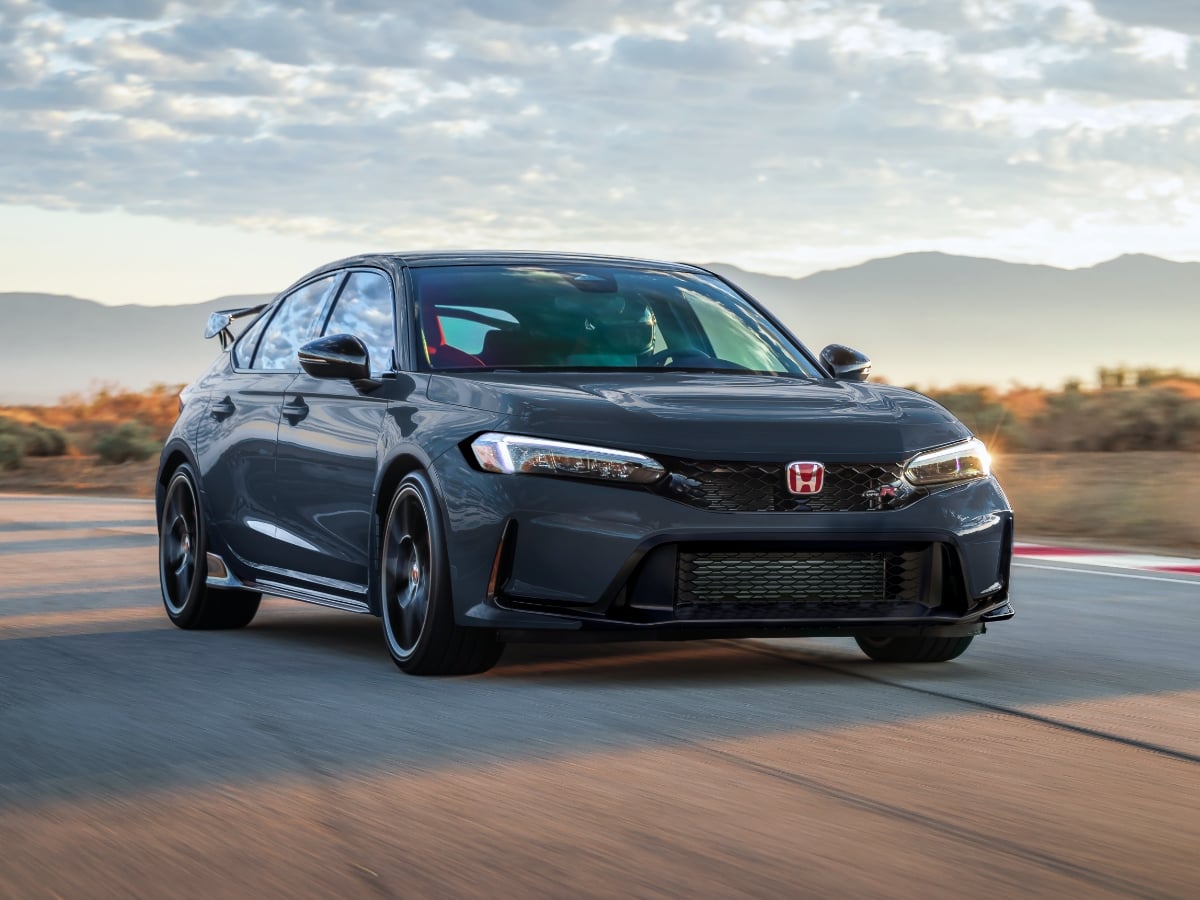
The 2027 Civic Type R goes on sale in October 2026, and it starts at $49,990, including the $1,295 destination charge.
Read the Full Article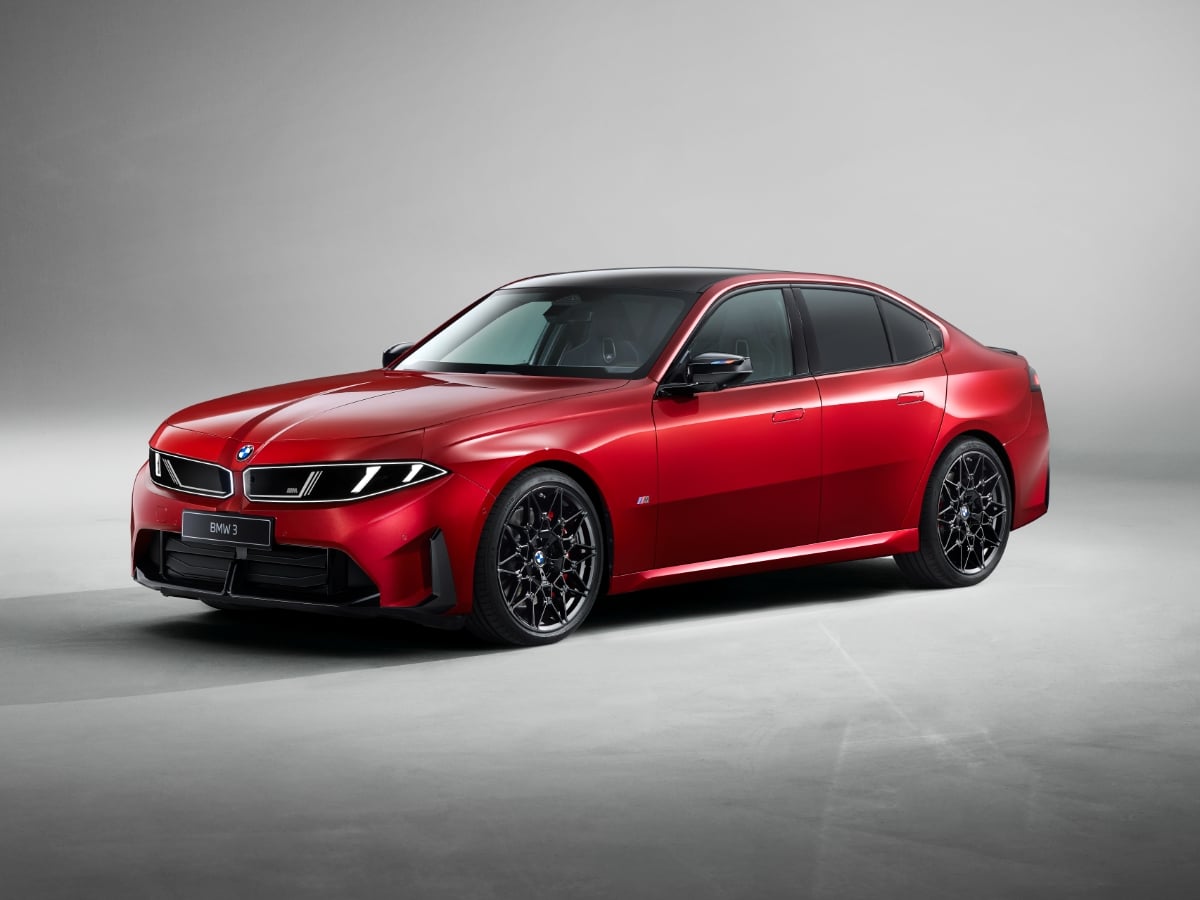
Part of BMW’s Neue Klasse (new class) rollout of redesigned models, the 2027 BMW 3 Series is all-new and goes on sale in the first quarter of 2027.
Read the Full Article