
New cars must innovate and deliver the latest features and tech to remain competitive. The challenge therein is that innovation often breeds instability, which can be infuriating when it comes to the in-vehicle experience. JD Power notes this trend in the recently released 2023 Initial Quality Study (IQS), which finds that the number of problems reported increased drastically between 2022 and 2023, driven by confusing tech, annoying interior design, and brand-new models with an array of complex features.

One surprising area of angst relates to new models' door handles, which owners feel are becoming too complex. Automakers have tried to recreate the wheel with many new models, equipping retractable handles and other unique designs that don't always meet buyers' expectations. New electric-vehicle (EV) models are particularly guilty of this, as seven of the 10 models with the most door handle issues are EVs.
In the IQS, JD Power ranks automakers based on verified-owner responses, calculating for each a problems-per-100-vehicles (PP100) score. Looking at recent study results, the number of problems increased by 18 PP100 between 2021 and 2022 and climbed a massive 30 PP100 from 2022 to 2023. That's nearly 50 PP100 combined in just two years. Automakers are seeing more persistent problems with their new technologies. JD Power also polled owners on other aspects of the early ownership experience, including vehicle controls and displays, exterior, driving assistance, interior, powertrain, and more.

Owners of vehicles with Android Automotive OS—the foundation for a growing number of infotainment systems from brands like Chevrolet and Volvo—report a significantly higher number of problems than those without, with a gap of 21.5 PP100. Wireless smartphone charging is also particularly problematic, as owners have issues with overheating phones, awkwardly located charging pads, and spotty operation.
At the same time, owners are becoming happier with automakers' smartphone apps, with 76 percent saying they use them. According to the study, EV owners are likelier to use the apps for charging and vehicle range estimates. Interestingly, controls/displays and infotainment have the largest increase in problems at 3.2 and 2.3 PP100, respectively.
In the 2023 IQS, problems related to advanced driver assistance systems (ADAS) like lane-keeping assistance increase by 1.8 PP100. Drivers also note experiencing issues with forward-collision warning, automatic emergency braking, and lane-departure warning. Though sometimes problematic, vehicles are becoming safer, as 80 percent of owners say their new cars have the basic suite of ADAS features, including blind-spot warning, lane-keeping assistance, and forward collision-prevention tech.
Alfa Romeo, Maserati, and Ram improve significantly in the 2023 IQS, showing parent company Stellantis' efforts to make its vehicles more appealing and easy to use. On the other hand, brands without official JD Power rankings don't perform so well. In the study, owners of Lucid, Polestar, Rivian, and Tesla vehicles experience plenty of problems, but those brands are not rank-eligible because they do not meet various study award criteria.
In researching new-vehicle quality, JD Power surveys tens of thousands of verified original owners of new, 2023 model-year vehicles after 90 days of ownership. The IQS collects owner feedback across nine major categories, including:
Based on this Voice of the Customer data, JD Power determines the makes and models that are most and least troublesome to their owners.
In a somewhat surprising twist, three Stellantis nameplates—Dodge (140 PP100), Ram (141), and Alfa Romeo (143)—sit atop the 2023 IQS brand rankings. According to the study, Dodge is not only the highest-ranking mass-market brand but leads the entire industry in initial quality. Among premium brands, Alfa Romeo ranks highest (third overall among all brands), followed by Porsche (167) and Cadillac (170).
According to the 2023 IQS, the following mass-market brands provide the highest levels of initial quality:
In the premium category, these are the highest-ranked brands:
General Motors receives the most model-level awards among automakers, with seven, followed by Hyundai Motor Group (five) and Toyota Motor Corporation (four). Among brands, Chevrolet and Kia receive the most segment awards (four each).
According to the 2023 IQS, these are the highest-ranked mass-market cars and minivans:
Following are the top-rated 2023 mass-market SUVs and pickup trucks:
These are the highest-rated premium-brand models for initial quality:
The model with the highest overall initial quality (lowest overall PP100 score) in the 2023 IQS is the Nissan Maxima.
Vehicle owners will likely grow more accustomed to new models' tech and advanced features, but innovation is progressing quickly. And with that innovation will probably come quality challenges. If you want to learn more about problems and high points of vehicles hitting the market this year, head to our Shopping Guides section for more.
Chris Teague is an experienced writer in the automotive and technology fields. In addition to JDPower.com, his work appears at Forbes, The Drive, Your Test Driver, and others.


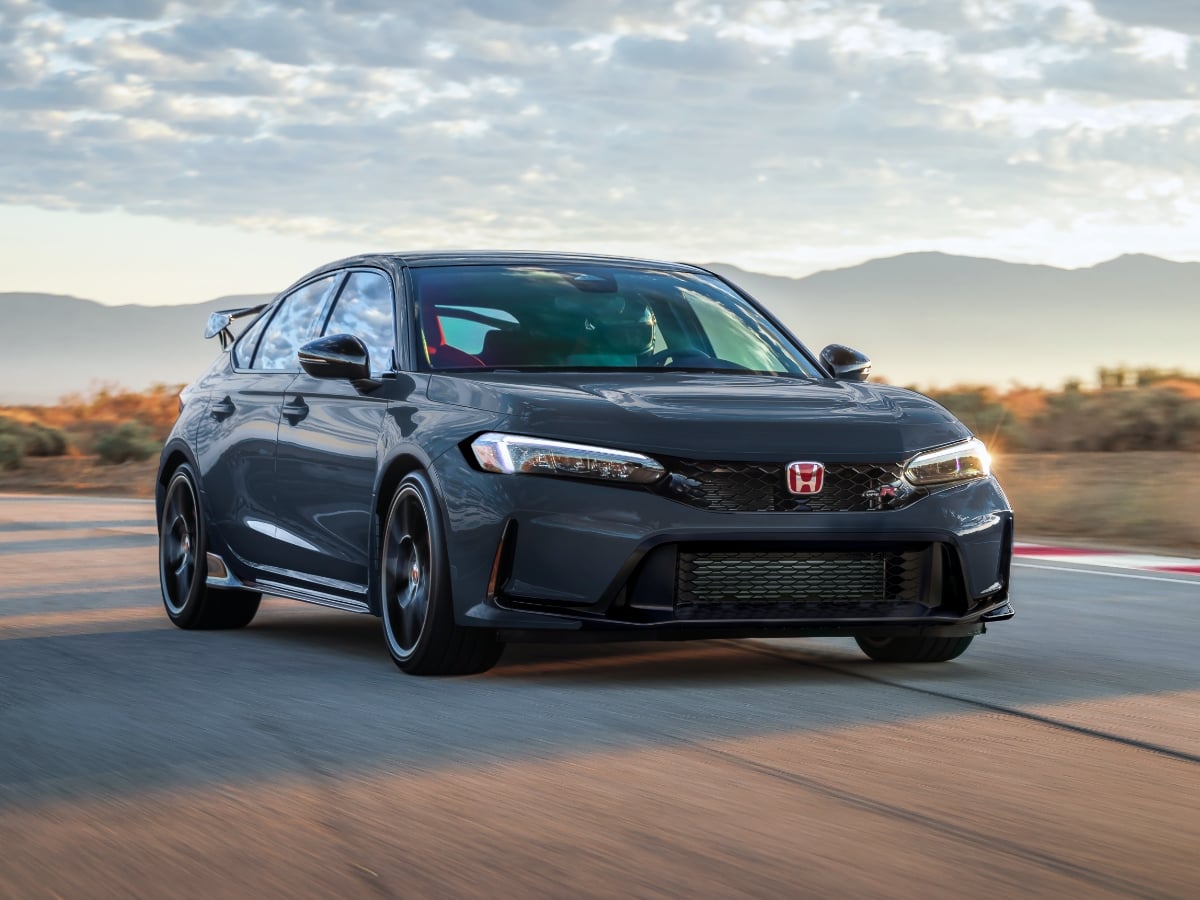
The 2027 Civic Type R goes on sale in October 2026, and it starts at $49,990, including the $1,295 destination charge.
Read the Full Article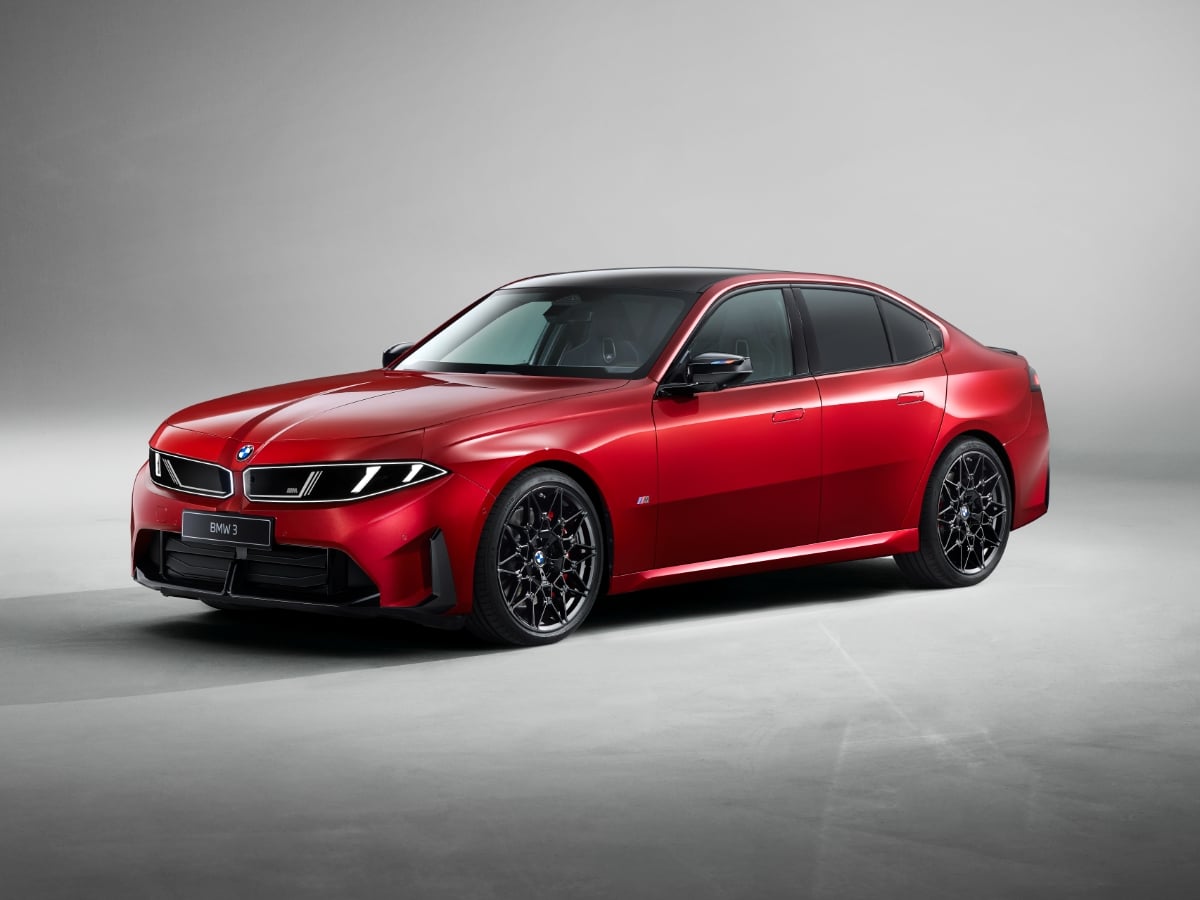
Part of BMW’s Neue Klasse (new class) rollout of redesigned models, the 2027 BMW 3 Series is all-new and goes on sale in the first quarter of 2027.
Read the Full Article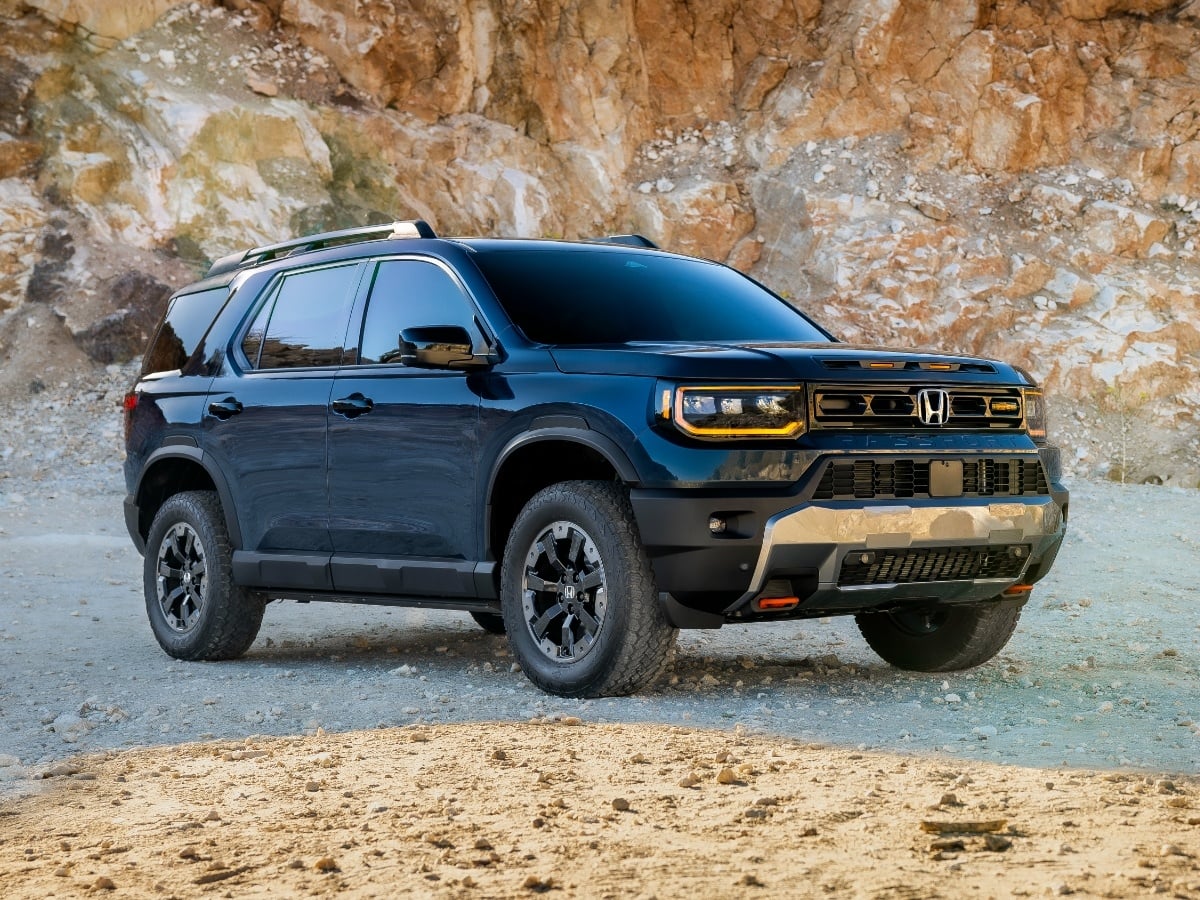
Updates to the 2027 Honda Passport TrailSport include a reworked suspension, improved steering, subtle styling enhancements, and added standard equipment.
Read the Full Article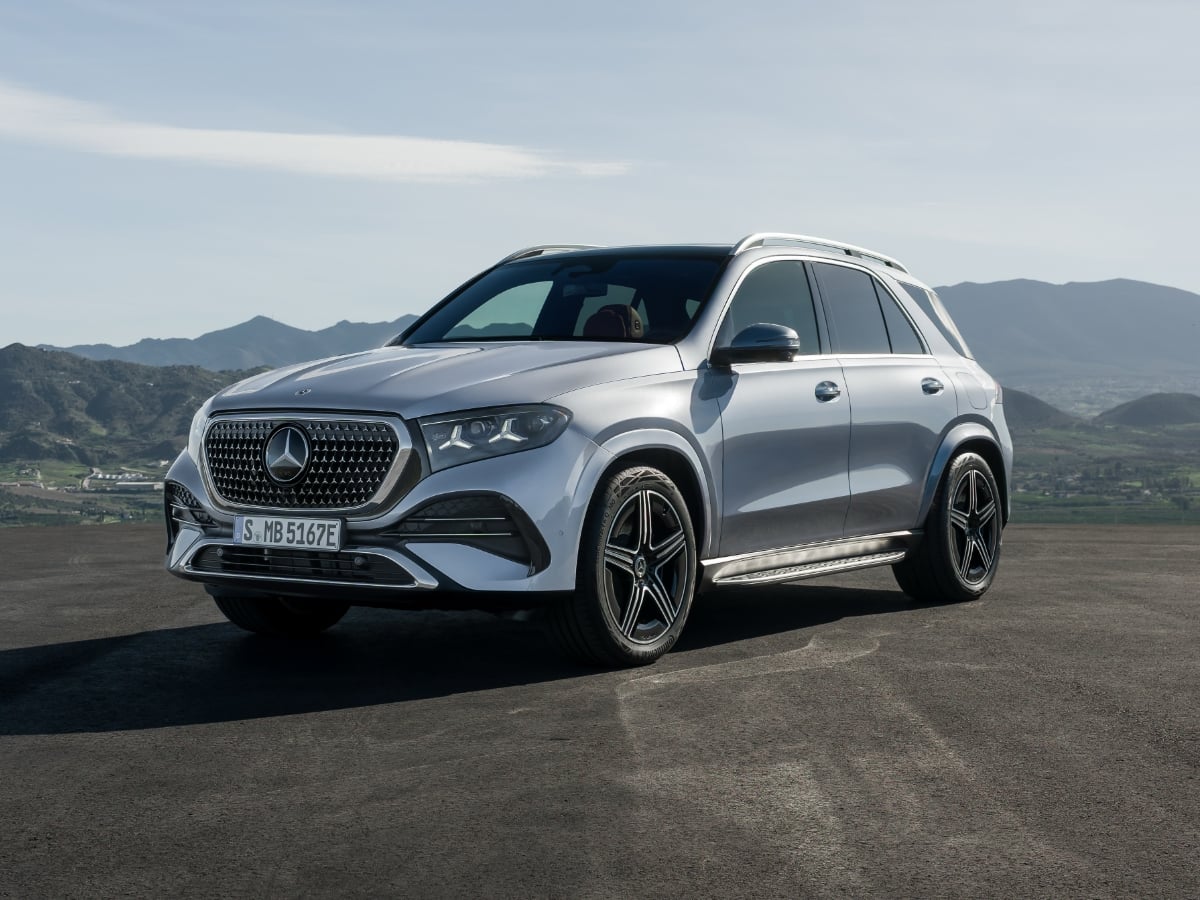
The midsize 2027 Mercedes GLE remains available in original and spicy Coupe recipes, now with standard 4Matic all-wheel drive (AWD), MBUX Superscreen technology, and a panoramic glass sunroof for ...See More
Read the Full Article