
Cars have many features that protect the driver and other occupants in an accident. Motorcycles, on the other hand, offer less protection to the riders, making any accident that much more dangerous. The ultimate solution ensuring one is protected is wearing the appropriate gear, and helmets are by far the most effective in doing that.

Helmets protect riders from severe head injuries and lethal outcomes. According to the Centers for Disease Control and Prevention CDC, 1,872 motorcyclists in the U.S. were saved in 2017 because of wearing helmets, and it is estimated that 749 more motorcyclists could have been saved had they worn their helmets.
This outlines why most countries and states are stringent on motorcycle helmet laws.
Motorcycle helmet laws may have slight variations depending on the country or state. But these variations are based on the two motorcycle helmet laws, the Universal Motorcycle Helmet Laws and the Partial Motorcycle Helmet laws.
Universal motorcycle helmet laws stipulate that all motorcycle operators, including passengers, wear helmets all the time. It further requires that helmets used must meet approved safety standards.
Universal helmet laws have no exception and encourage the use of helmets to decrease deaths and injuries that ensue in motor accidents.
Partial motorcycle helmet laws make helmets optional depending on age, experience, or scope of medical insurance coverage.
They apply to motorcyclists in a particular age group (varies by state), riders with fewer years of experience, riders without motorcycle rider training, and riders whose insurance does not include motorcycle-related injuries. It means you are not mandated to wear a helmet if you’re an exception to the established rules.
Despite the above, both universal and partial helmet laws require that motorcyclists use only helmets approved by regulatory bodies like the U.S. Department of Transportation, DOT.
Secondly, both laws contain provisions that cover all motorized vehicles, such as mopeds and scooters, or cover those meeting specific criteria. Criteria include the vehicle’s ability to attain certain speeds, engine capacity, and horsepower.
Both laws also contain penalty clauses to punish offenders.
All motorcycles released to the public are required to meet acceptable safety standards. There are various helmet safety standards, and many countries have set their own. The only difference between these standards is the testing methods applied.
Motorcycle helmet standards include the DOT, SNELL, ECE 22.05, and ACU Gold Standards.
DOT stands for U.S. Department of Transportation. They ensure that helmets that go through DOT certification are tested to ensure they will provide maximum protection to motorcyclists.
Their tests, however, do not include a chin bar test for full-face helmets. All DOT-certified helmets have DOT stamps on the back of the helmet.
The Snell Memorial Foundation undertakes tests for helmets designed for racing activities and competitions. They, therefore, test helmets under stricter conditions.
Their testing procedures involve using falling weights to test if a helmet will remain on a rider’s head during an impact. They also do chin bar tests for full-face helmets and test the strength of the face shield by shooting lead pellets at it.
Regardless of the stricter testing, the SNELL standard does not replace the DOT standard, and buying such helmets is voluntary.
The Economic Community of Europe ECE ensures that all helmets released to the public meet the ECE 22.05 safety requirements by testing them to ensure they offer adequate protection. It makes the ECE 22.05 certified helmets the most popularly used helmets worldwide. Over 50 countries require the use of helmets with ECE 22.05 approved standards.
ECE-approved helmets have chin strap labels that start with the letter ‘E’ followed by a number. Together they indicate the helmets’ approval and the country where the testing was carried out. Helmets can be used in any country, irrespective of where it was tested.
The ACU Gold standard, established by the Auto-Cycle Union ACU, sets the minimum requirements for helmets used in motorcycle competitions such as drag racing, road racing, sprints, and hill climbs.
The highest safety rating they award is the Gold rating, thus the name ACU Gold standard.
All standards are set to ensure that helmets released to the public provide adequate protection to motorcyclists by testing the ability of the helmet to withstand and remain on a rider’s head during impact.
Therefore no particular standard is superior to the others. The only difference here is the method of testing applied.
All you need to choose the correct helmet is to ensure it has a label or stamp that indicates it is up to an approved standard. The next is to make sure it fits well on your head or won’t be as effective.
The two motorcycle helmet laws are the Universal Helmet laws and Partial Helmet Laws.
Universal helmet laws stipulate that all motorcycle operators and passengers must always wear helmets. Partial helmet laws make it optional depending on age, experience, proof of riders’ training, or scope of medical insurance coverage.
All in all, universal helmet laws encourage the use of helmets more than partial helmet laws. Both, however, require the use of helmets of the approved standards and contain clauses that either apply to all motorized vehicles or vehicles that meet certain criteria, as well as penalty clauses.
To ensure maximum protection, always buy helmets of the approved standards, refrain from buying used helmets, and replace your helmet after it becomes damaged.


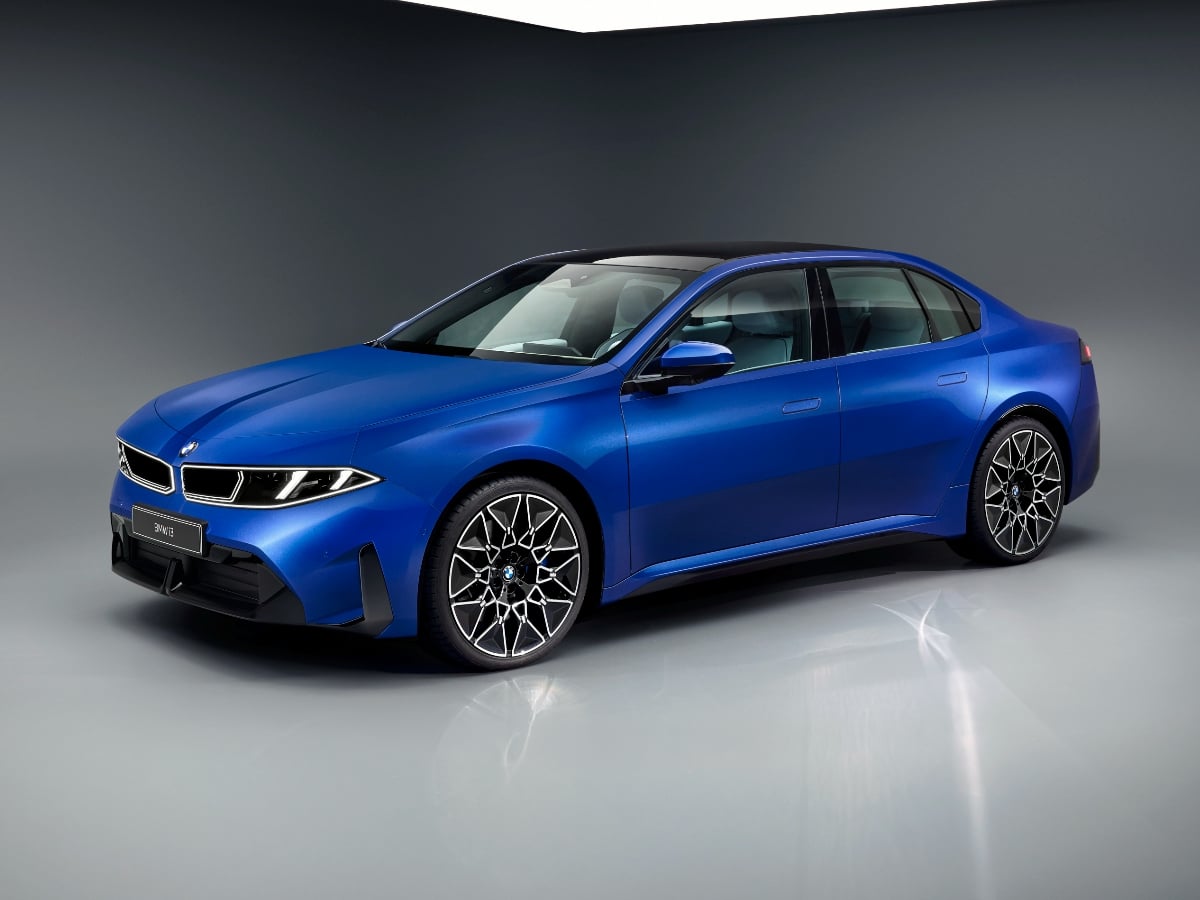
The new 2027 BMW i3 boasts an estimated range of up to 440 miles, 400-kilowatt DC fast charging capability, bidirectional charging to a home or the grid, and next-generation technology.
Read the Full Article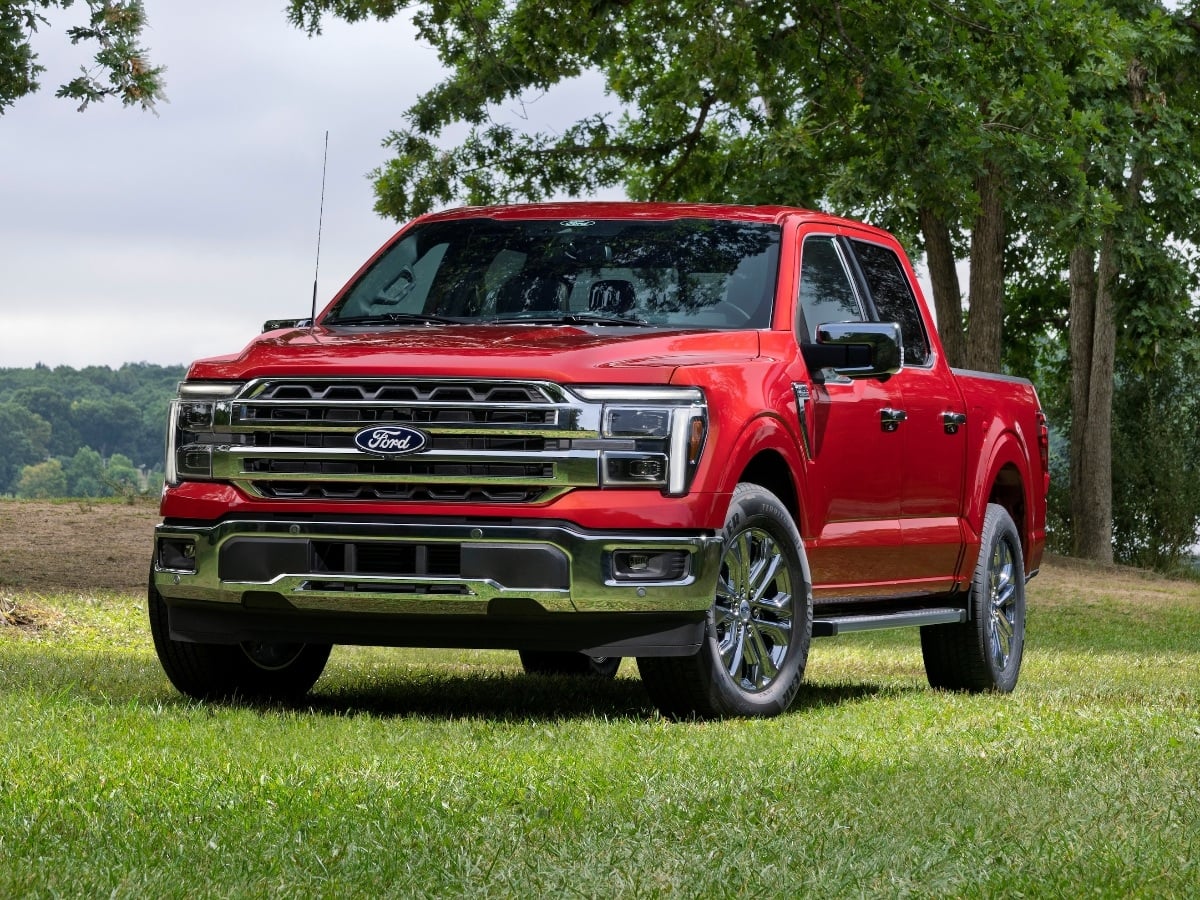
Facing renewed competition in the full-size, light duty pickup truck segment, the 2027 Ford F-150 receives subtle styling updates, a new standard engine, broader availability of its 5.0-liter V8, and ...See More
Read the Full Article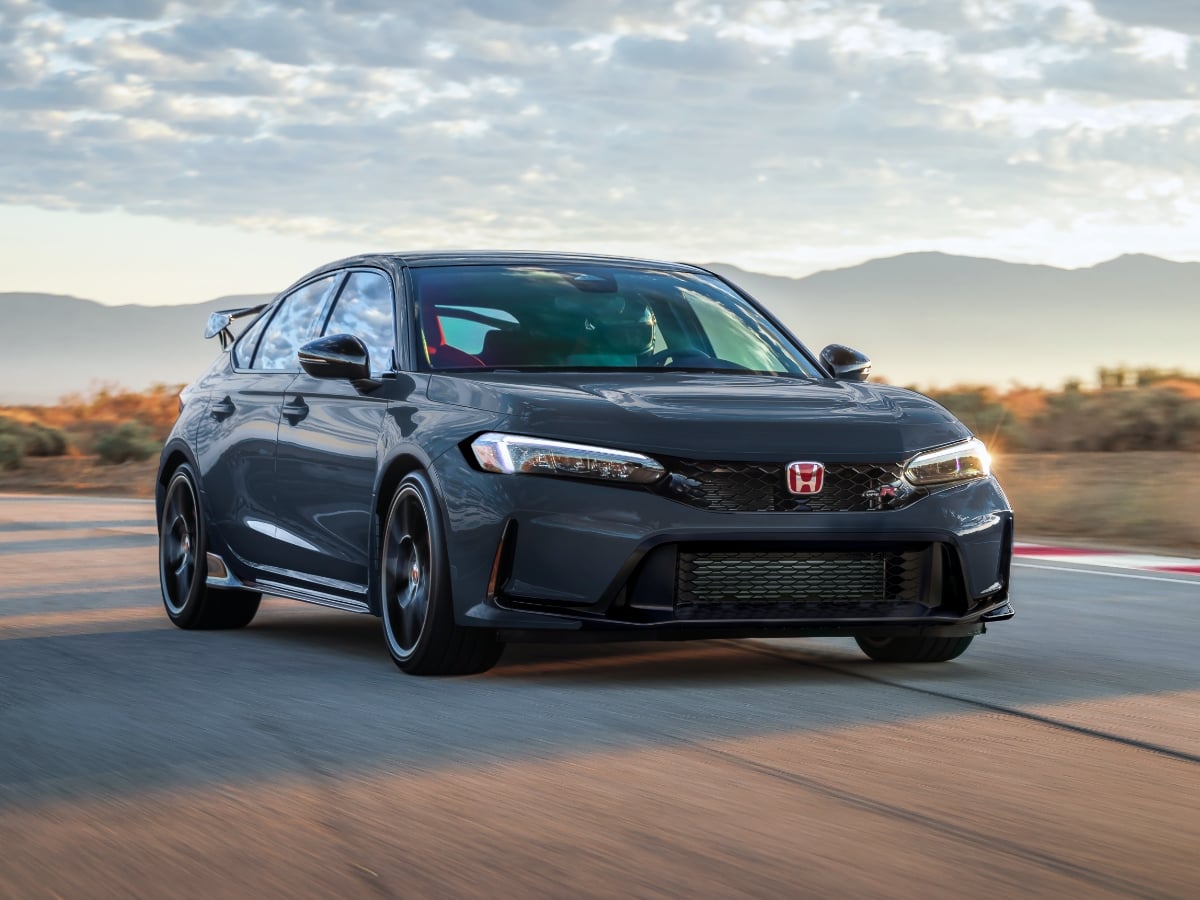
The 2027 Civic Type R goes on sale in October 2026, and it starts at $49,990, including the $1,295 destination charge.
Read the Full Article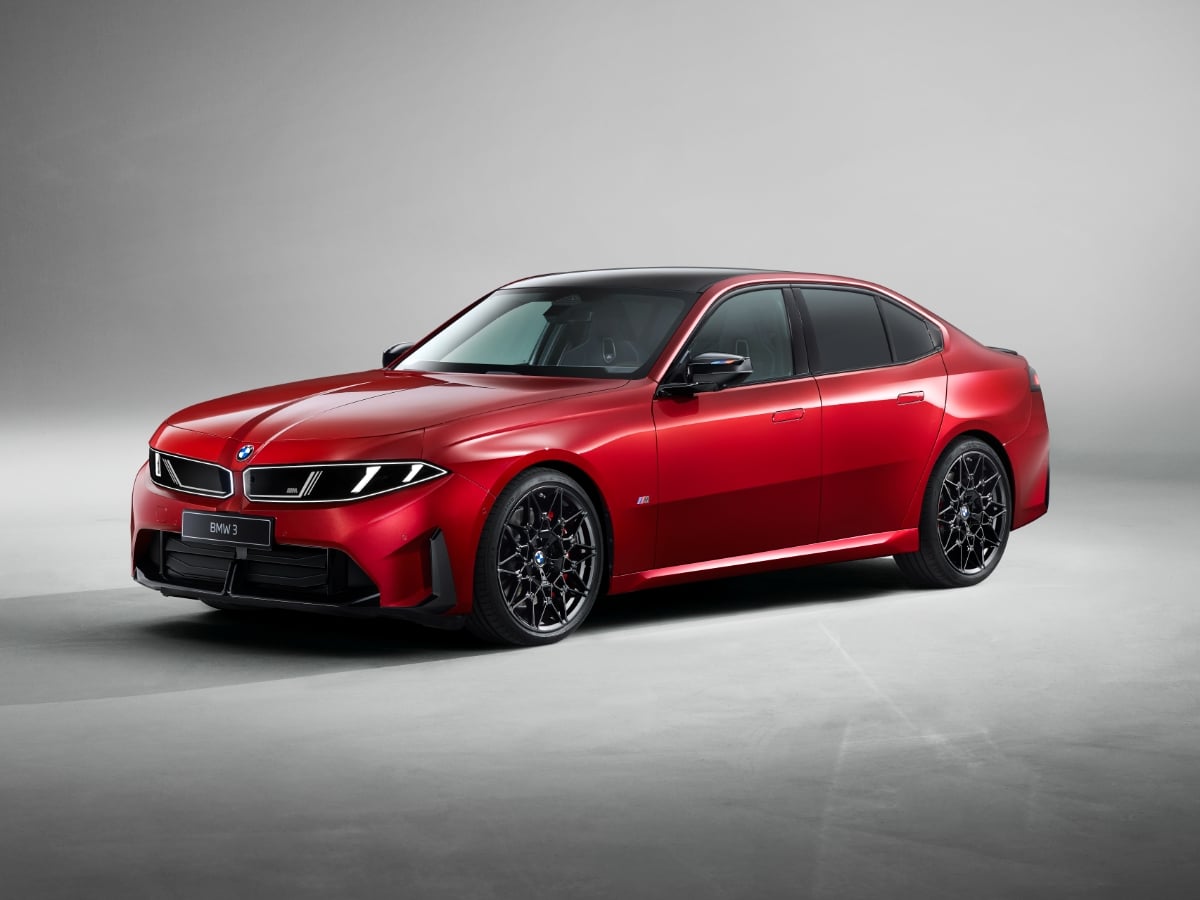
Part of BMW’s Neue Klasse (new class) rollout of redesigned models, the 2027 BMW 3 Series is all-new and goes on sale in the first quarter of 2027.
Read the Full Article