
Regular inspections are necessary to maintain the proper operation of your Mazda. The manufacturer typically provides specific maintenance schedules that indicate which systems require inspection and at what intervals. However, each Mazda model has a unique schedule that considers the vehicle's specific design features. This guide, however, outlines general recommendations which should apply to any Mazda model.

As a rule of thumb, you should fully follow Mazda's maintenance regulations for any model. You should go in for regular maintenance annually or every 9,000 miles, whichever comes first (for cars produced before 2008, the service interval is 12,000 miles).
Mazda service centers perform all work using only OEM parts and original consumables. The maintenance schedule varies for cars with gasoline engines, diesel engines (engine oil and oil filter replacement is carried out every 6,000 miles), and Mazda CX-9 with a 2.5T gasoline engine.
The service intervals for Mazdas are as follows:
The service interval may be tighter depending on the driving style and operating conditions.
Maintenance for your vehicle is crucial to ensure its proper functioning, safety, and longevity. The following is a list of checks and replacements that need to be performed every 12, 36, 60, 84, 108, and 132 months:
Additionally, you should perform the following maintenance tasks every 24, 48, 72, 96, 120, and 144 months:
Remember, adhering to this maintenance schedule will help keep your vehicle in optimal condition, ensure safety, and help retain your warranty.
If you regularly drive in dusty environments, clean the air filter periodically and, if necessary, replace it more frequently than indicated in the list. Generally, the challenging environments include the following:
Also, check the condition and tension of the power steering pump drive belts and air conditioner compressor (if equipped).
If the radiator cap is marked with “FL22” on or near the radiator cap, use FL22 grade coolant.
Replace the brake fluid if the vehicle is subjected to heavy braking (e.g., driving fast, driving in mountainous terrain) or if the air humidity is very high. The brake fluid should be changed every 28,000 miles if the vehicle is driven under at least one of the following conditions:
If this transmission unit was completely or partially submerged in water (e.g., by driving through a deep puddle), change the fluid immediately.
Adhering to the manufacturer-recommended maintenance schedule is vital to prolonging service life, retaining automobile value, and ensuring optimal performance. So, stay on top of your maintenance, and always remember to pay attention to your car.



The new 2027 BMW i3 boasts an estimated range of up to 440 miles, 400-kilowatt DC fast charging capability, bidirectional charging to a home or the grid, and next-generation technology.
Read the Full Article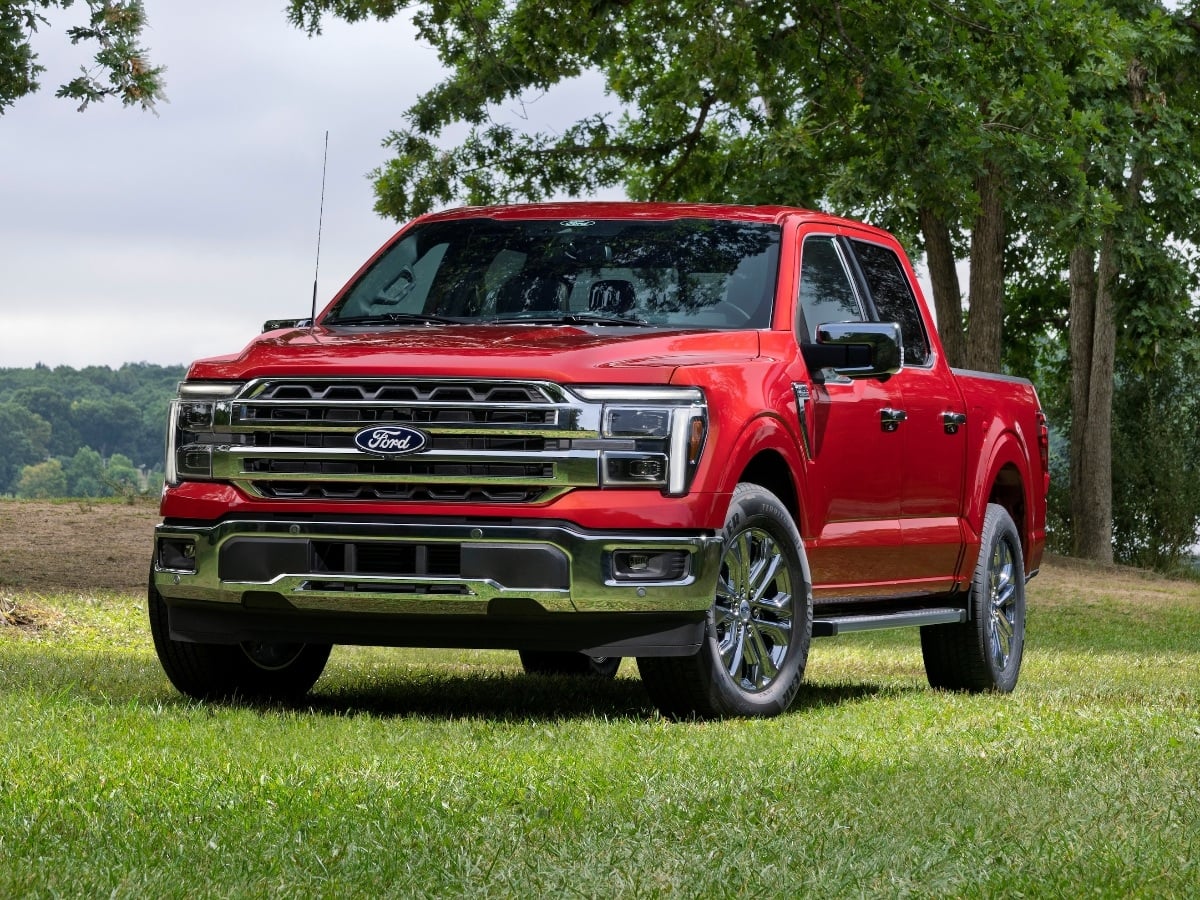
Facing renewed competition in the full-size, light duty pickup truck segment, the 2027 Ford F-150 receives subtle styling updates, a new standard engine, broader availability of its 5.0-liter V8, and ...See More
Read the Full Article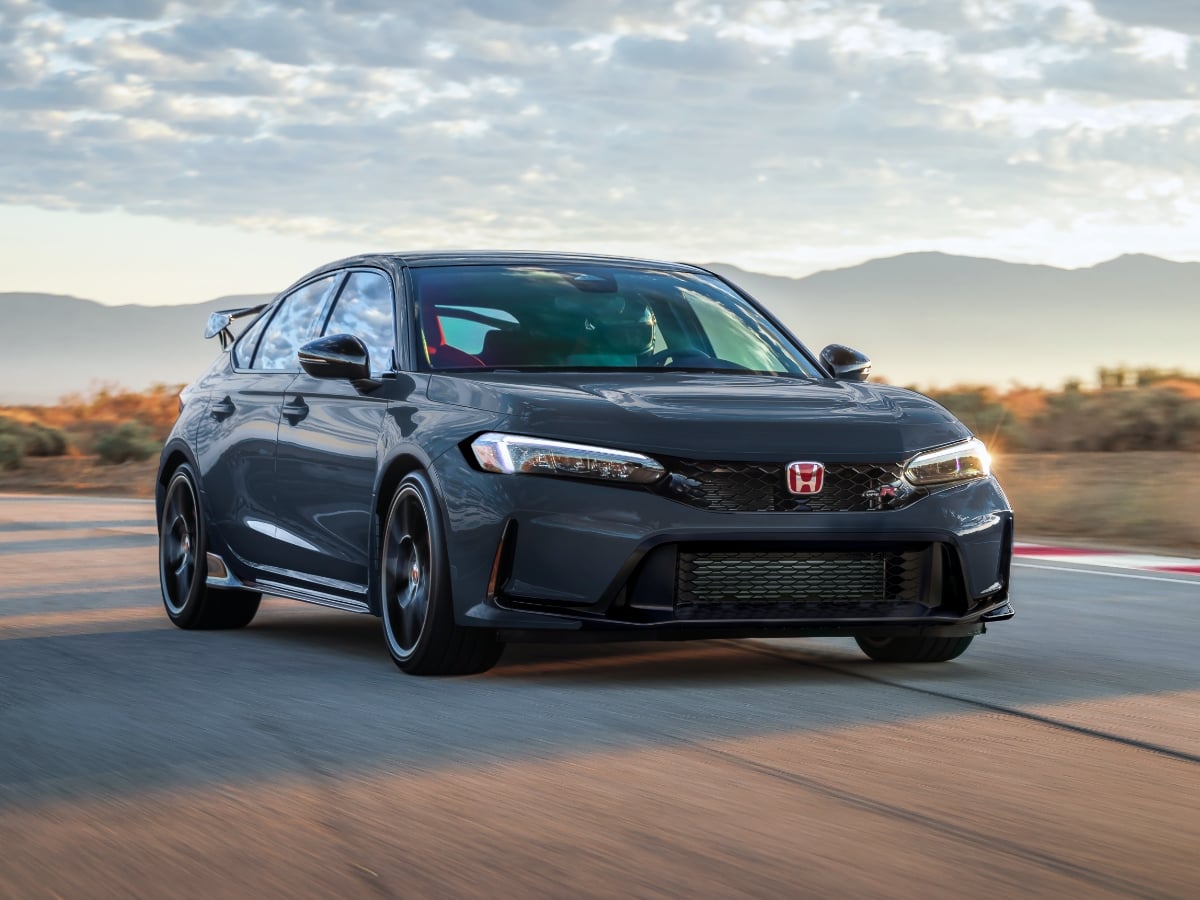
The 2027 Civic Type R goes on sale in October 2026, and it starts at $49,990, including the $1,295 destination charge.
Read the Full Article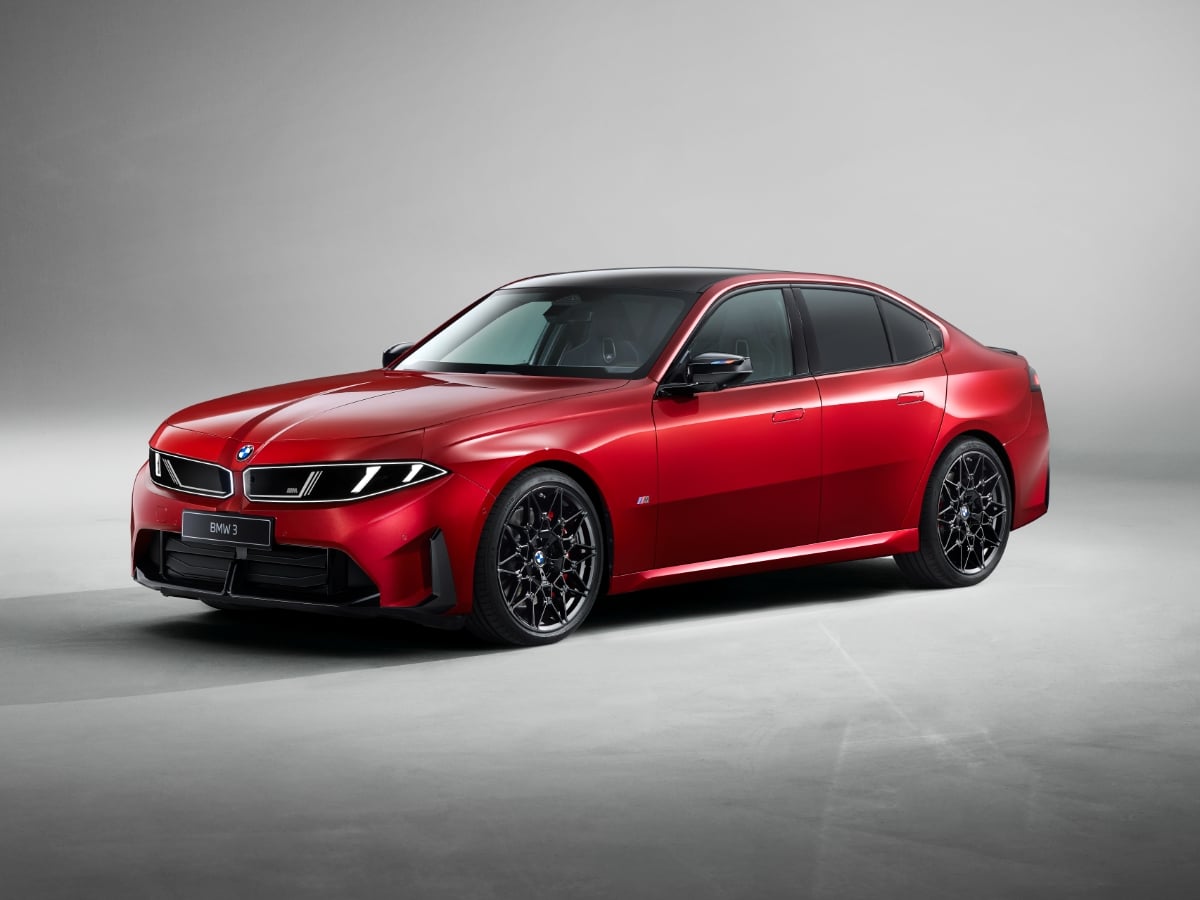
Part of BMW’s Neue Klasse (new class) rollout of redesigned models, the 2027 BMW 3 Series is all-new and goes on sale in the first quarter of 2027.
Read the Full Article