
Over the years, people interested in owning a vehicle have been torn between buying or leasing it. This confusion has led to people making the wrong decision. However, this article will discuss the clear distinction between buying and leasing and which option is best suited for you.

Leasing is similar to renting a vehicle out for a while. You must pay the expected depreciation amount, plus interest and other costs, throughout the lease. Most car leases are closed-end, meaning the final residual value is fixed before you leave the dealership.
With leasing, you usually need to make a down payment. You must pay the remaining cost in equal monthly installments. The average lease period is two or three years, although you can have a lease agreement for almost any period.
While leasing may appear easy in theory, it is a complicated financial transaction different from vehicle purchasing. If you're thinking about leasing a vehicle, you should be aware of the following terms:
Buying a car is the conventional method of getting a new ride. You negotiate a price for a vehicle, truck, or SUV and obtain a car loan minus the value of your trade-in or down payment. The lender keeps the title until you pay off the debt. You will then receive the title and be the only vehicle owner.
Banks, credit unions, and finance companies provide most new vehicle loans. When a loan application is submitted and approved, the lender transfers the funds to purchase the vehicle. You next make a series of equal monthly payments that cover principal and interest to repay the remaining amount of the loan.
A car loan's term refers to how long it will last. Terms might range from a few years to seven or eight years. Many experts urge consumers to avoid taking out more than five years of car loans. However, buyers looking for low monthly payments do not pay more attention to that limit.
The Pros and Cons of purchasing a vehicle are as follows:
Leasing allows people to replace their cars every few years. It can keep their payments reasonably steady when leasing the same make and model of the vehicle throughout many leases. Leasing also relieves the lessee of the responsibility of disposing of the vehicle at the end of the lease period.
However, the most significant drawback of leasing a vehicle is that you never own it. You do not accumulate equity in the car when you make lease payments. A lease can be terminated early, although there is usually a cancellation fee. Lease lengths range from two to five years.
There needs to be a simple answer to whether buying or leasing a new vehicle is preferable. While leasing often results in reduced monthly payments, you never truly own the vehicle. Lease clients are bound by strict mileage restrictions and must maintain their vehicles in near-showroom condition. You have no equity at the end of the lease to use toward a down payment on your next vehicle.
Purchasing a car is more expensive since you must cover the entire cost. A purchase involves higher sales taxes than a lease. Your payments stop when you pay off your debt. You can put any equity in the vehicle toward purchasing a new vehicle.
Each person's lifestyle, driving demands, and financial condition determines the choice between leasing and owning a vehicle. If you want cheaper monthly payments, a new vehicle with new automotive technology every few years, and want to avoid bothering about some responsibilities, such as selling your car, leasing might be appealing. However, purchasing is the best option if you want to drive as much as you like, customize your vehicle, and dispose of it on your terms.


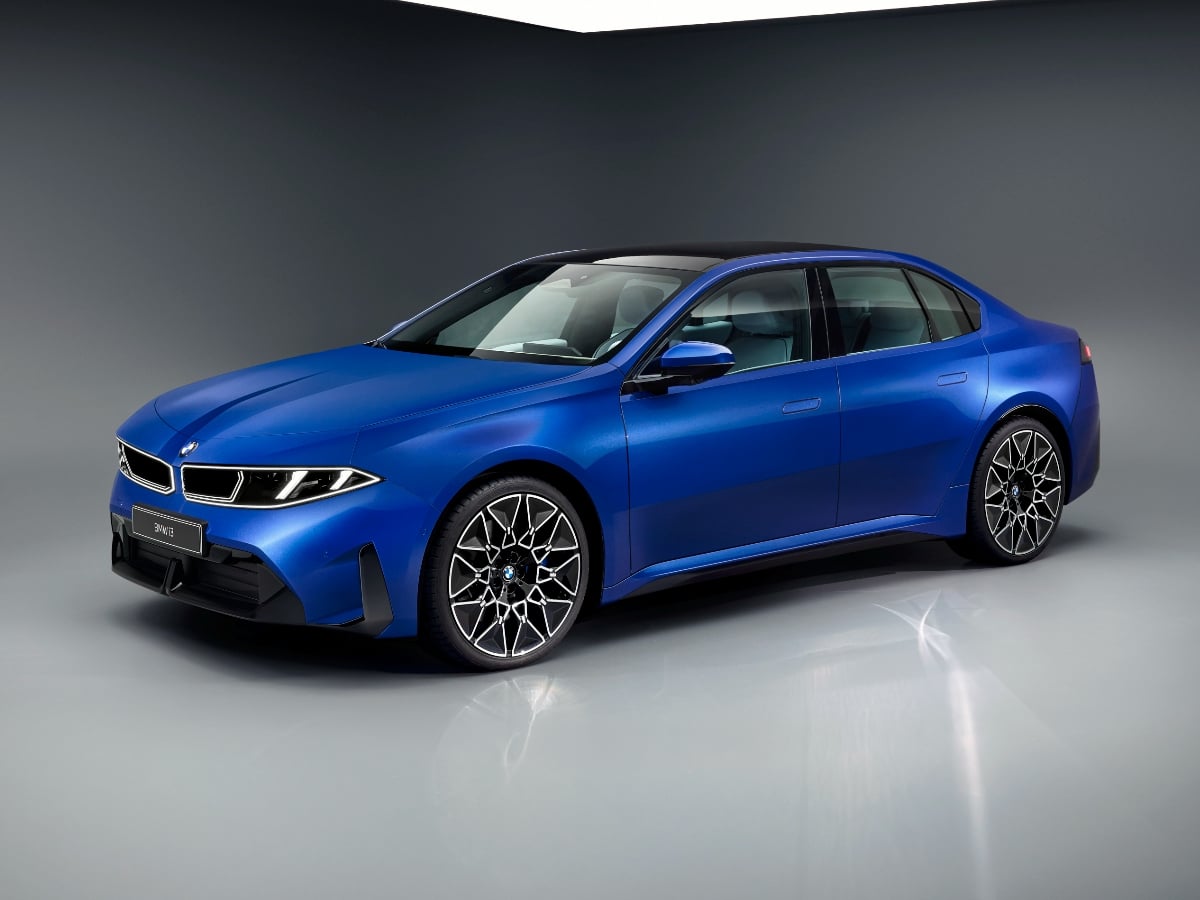
The new 2027 BMW i3 boasts an estimated range of up to 440 miles, 400-kilowatt DC fast charging capability, bidirectional charging to a home or the grid, and next-generation technology.
Read the Full Article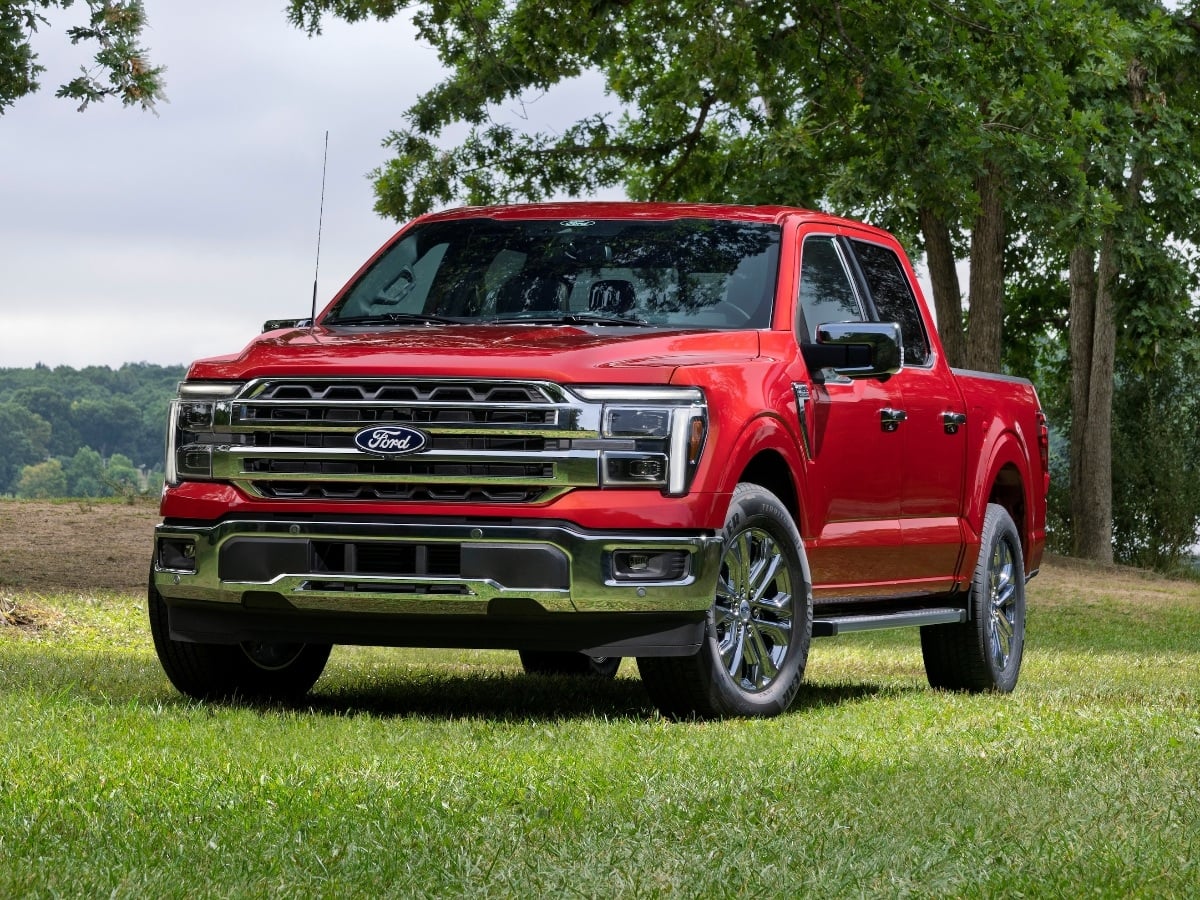
Facing renewed competition in the full-size, light duty pickup truck segment, the 2027 Ford F-150 receives subtle styling updates, a new standard engine, broader availability of its 5.0-liter V8, and ...See More
Read the Full Article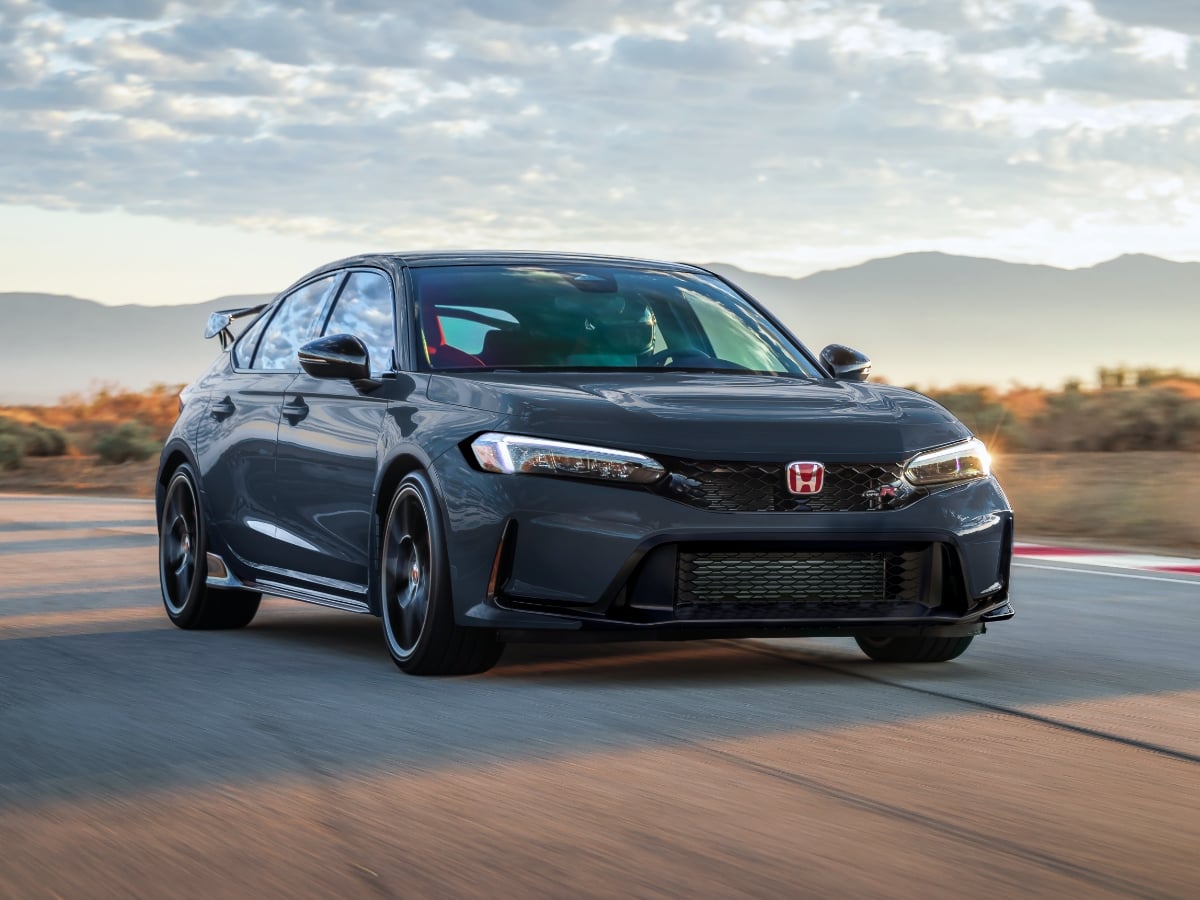
The 2027 Civic Type R goes on sale in October 2026, and it starts at $49,990, including the $1,295 destination charge.
Read the Full Article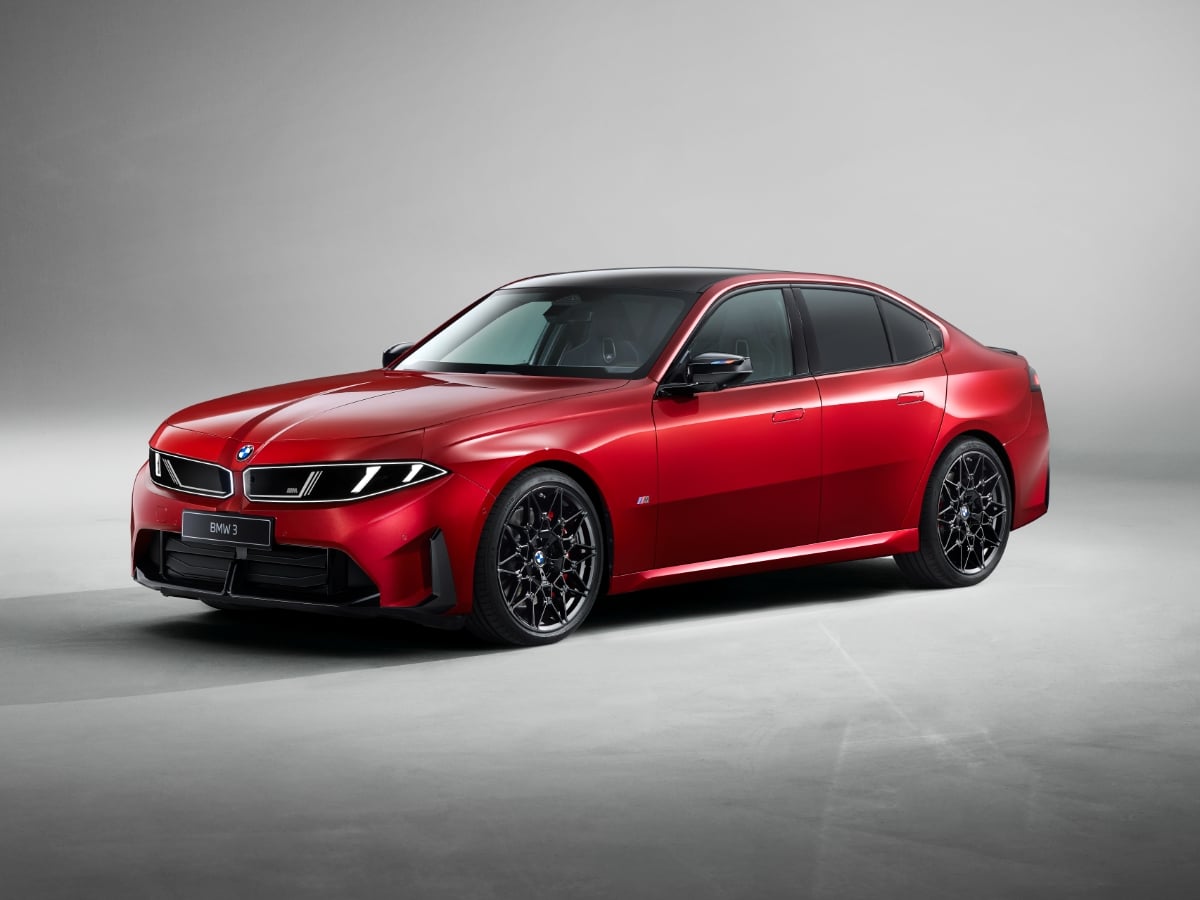
Part of BMW’s Neue Klasse (new class) rollout of redesigned models, the 2027 BMW 3 Series is all-new and goes on sale in the first quarter of 2027.
Read the Full Article