
For Land Rover owners, regular maintenance is critical for ensuring their vehicle runs smoothly and performs at its best. This guide offers a comprehensive maintenance schedule to help you stay on top of your Land Rover's maintenance needs. By following this schedule, you can extend the life of your vehicle and ensure that it continues to provide you with the reliability and performance you've come to expect.

To retain optimal performance, you should perform daily maintenance checks, which are listed below.
Check your Land Rover's oil level daily, especially if you frequently drive in harsh conditions. Ensure the oil level is between the minimum and maximum marks on the dipstick, and add more oil if necessary.
The coolant helps keep your Land Rover's engine from overheating, so it's essential to check the coolant level daily. Ensure the coolant level is optimal in the reservoir, and, just as with motor oil, check it regularly.
Maintaining the correct tire pressure is essential for safety and performance in your Land Rover. Check the tire pressure daily and inflate the tires to the recommended pressure listed on the tire information label.
Monthly maintenance checks are essential to keep your Land Rover running smoothly, and, just as previously, you’ll find the three most important ones down below.
The air filter helps prevent debris from entering your Land Rover's engine, which can cause damage or decrease performance. Inspect the air filter every month and replace it if it's dirty or clogged.
The brakes are one of the most critical safety features on your Land Rover, and it's essential to inspect the brake pads every month and replace them if worn or damaged.
The windshield wipers maintain visibility in wet or snowy conditions. Check the windshield wipers every month and replace them as needed.
Now that monthly and daily maintenance is out of the way, it’s time to turn to quarterly maintenance items, including motor oil, battery, and suspension.
Regular oil changes are essential for keeping your Land Rover's engine running smoothly. Change the engine oil every 5,000 to 7,500 miles or according to your owner's manual.
The battery starts your Land Rover and provides power to the electrical system. Check the battery every quarter and replace it if it's more than three years old or showing signs of wear.
The suspension system helps absorb shocks and vibrations from the road. So, you should inspect the suspension every quarter and replace any worn or damaged components.
Lastly, we turn to annual tasks, which are just as crucial as any previously mentioned ones. Here, it’s generally recommended that you examine the brakes, cabin air filter, belts, and hoses.
Have a professional inspect the brakes annually to ensure they're functioning correctly. They should replace worn or damaged components and take good care of them.
The cabin air filter helps remove dust and debris from the air entering your Land Rover's cabin. Replace the cabin air filter annually or according to your owner's manual.
The belts and hoses in your Land Rover's engine help keep the engine running smoothly. Inspect the belts and hoses annually and replace any worn or damaged components.
Beyond the regular maintenance checks outlined above, there are some additional maintenance checks that you should consider to keep your Land Rover running at its best:
Check the transmission fluid. The transmission enhances the driving experience but relies heavily on the fluid to function optimally. So, check the transmission fluid every 30,000 miles or according to your owner's manual.
Inspect the exhaust system. The exhaust system removes harmful gases from your Land Rover's engine. Inspect the exhaust system every year and replace any worn or damaged components.
Check the spark plugs. The spark plugs help ignite the fuel in your Land Rover's engine, and they can become worn or damaged over time. Check the spark plugs every 30,000 miles or according to your owner's manual, and replace them if necessary.
Regular maintenance is essential for keeping your Land Rover running smoothly and maintaining its value over time. By following the maintenance schedule outlined above, you can stay on top of your Land Rover's maintenance needs and catch any issues before they become more serious. Remember that the maintenance schedule is only a guideline, and your Land Rover's specific maintenance needs may vary depending on your driving habits, environmental conditions, and the age and condition of your vehicle. Always refer to your owner's manual for the most accurate and up-to-date information on your Land Rover's maintenance needs.



The new 2027 BMW i3 boasts an estimated range of up to 440 miles, 400-kilowatt DC fast charging capability, bidirectional charging to a home or the grid, and next-generation technology.
Read the Full Article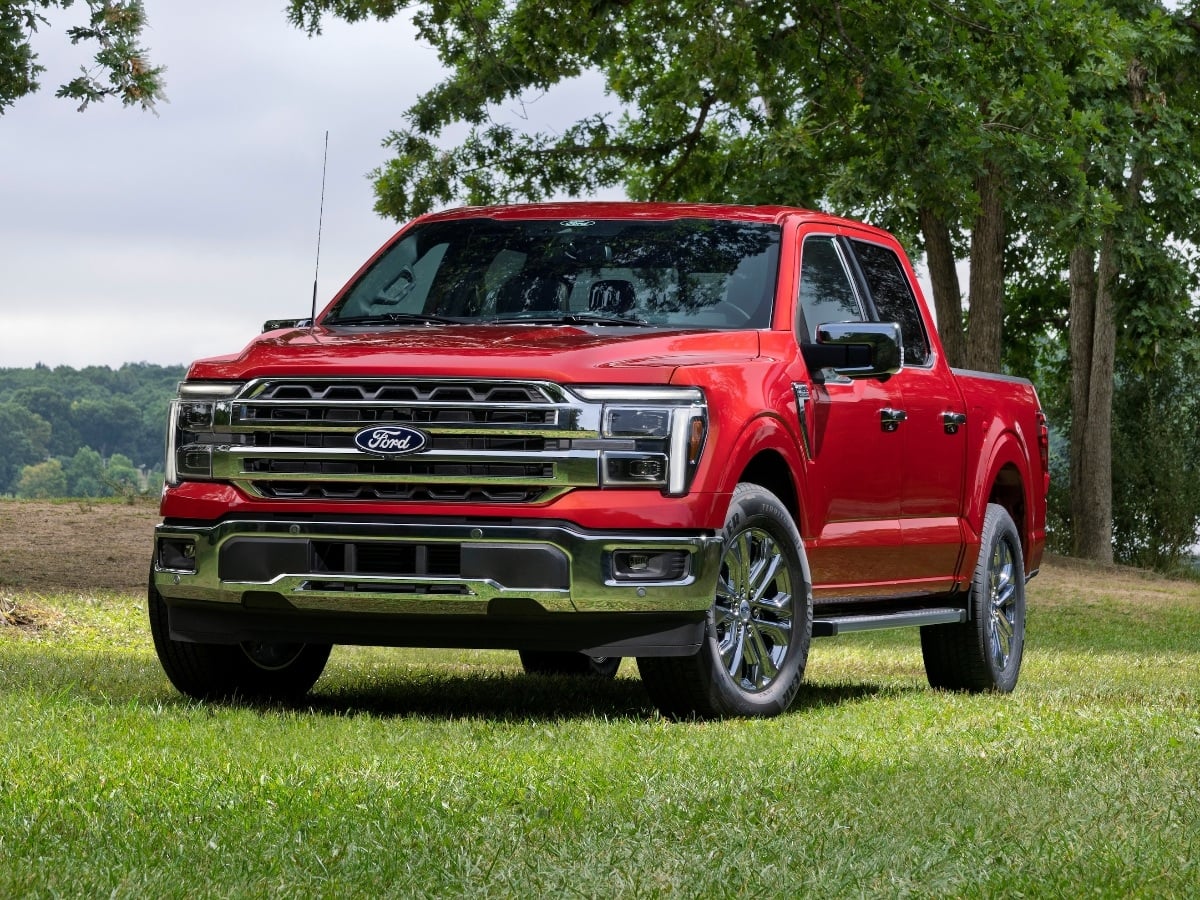
Facing renewed competition in the full-size, light duty pickup truck segment, the 2027 Ford F-150 receives subtle styling updates, a new standard engine, broader availability of its 5.0-liter V8, and ...See More
Read the Full Article
The 2027 Civic Type R goes on sale in October 2026, and it starts at $49,990, including the $1,295 destination charge.
Read the Full Article
Part of BMW’s Neue Klasse (new class) rollout of redesigned models, the 2027 BMW 3 Series is all-new and goes on sale in the first quarter of 2027.
Read the Full Article