
Car owners continuously run into issues while using their vehicles. While some problems are tolerable, others border on irritating and not only for the driver.
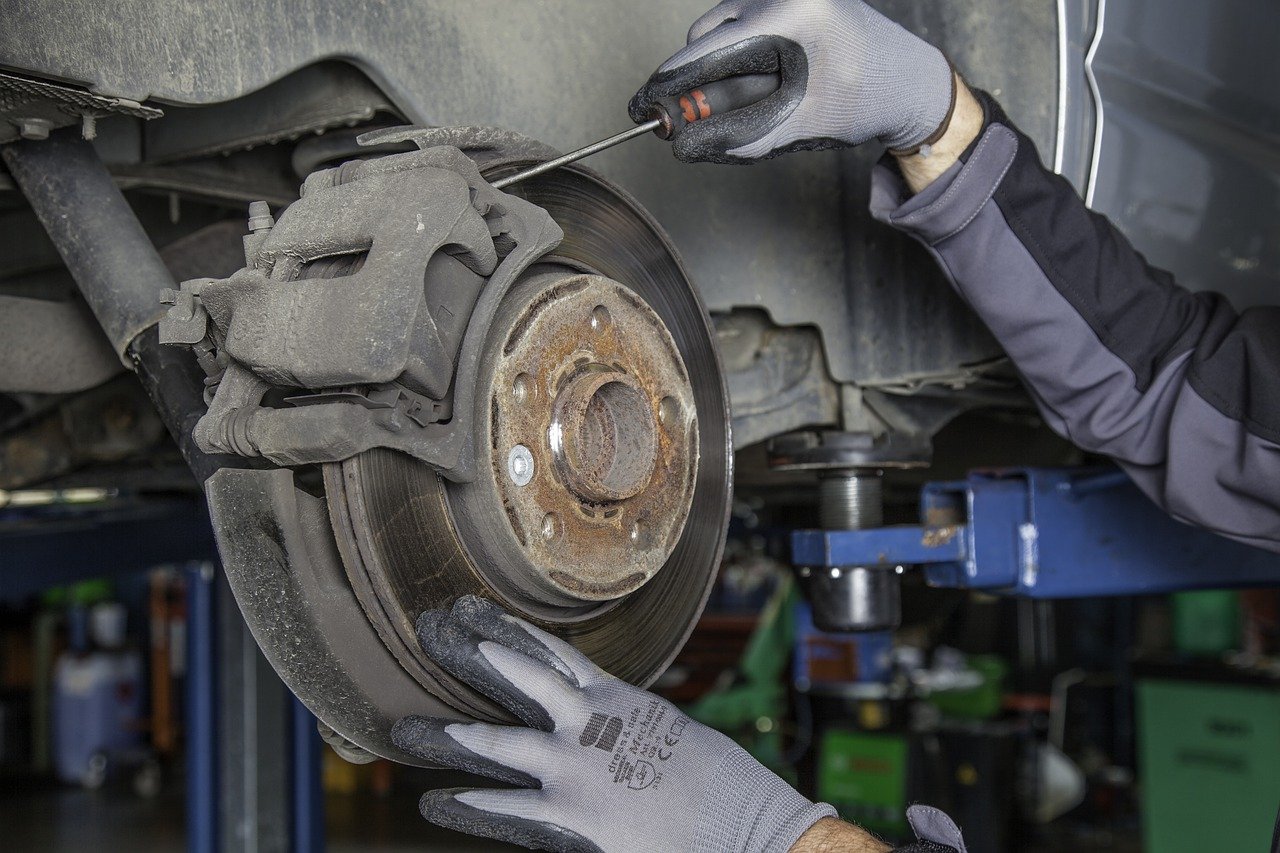
One such issue is squeaky brakes. How often have you heard an ear-piercing screeching noise from a passing car when taking a stroll on the street? Not only is it annoying beyond measure, but it also means that there may be something wrong with the vehicle.
Today we will talk about ways of addressing this issue. We will explain how brakes work, mention reasons for them screeching, and provide a couple of possible solutions.
Assuming you would like to solve the issue yourself DIY-style, it is crucial to know how brakes work.
The brake system itself consists of three main components: rotor, caliper, and brake pads. You signal to the caliper whenever you press the brake pedal. In turn, the two pads clamp down on the rotor or brake disc attached to the wheel. slowing the car’s forward momentum.
Because brakes work by creating friction with the disc, it is entirely logical that you will hear a faint noise. However, it shouldn’t be deafening, and certain factors can significantly affect this volume level.
Things aren't so straightforward when locating the culprit of harsh brake noises. Far too often, it can be caused by just about anything: bad weather conditions, heavy loads, moisture build-up, or even embedded objects. Intense squeaking can also be an issue for newly purchased vehicles.
Unless the squeaking is unbearable, you should not try to do anything about it. The problem may resolve itself without your active participation. But if you think there is a real issue, the solution would require inspection, and the methods would vary depending on your situation.
As mentioned above, solutions directly depend on what happened with the brakes. Some cases can be unique, but there are also several commonplace reasons for squeaking brakes. Here, we collected four of these easy-to-encounter causes and provided you with ways to address them.
You may notice squeaky brakes when you purchase a new vehicle. However, it does not mean they are faulty or need to be replaced. In all likelihood, you just need to bed them in.
Bedding-in involves speeding up to 60 mph and applying the brakes until you reach 10 mph. This process helps thin out a layer on the pads and prevent brake problems. Repeat the process eight to ten times, and this should eliminate any squeak from your new brakes.
Only highly-qualified drivers should bed in, and if doing so, ensure they are in a safe environment.
If heavy rain or snow occurred earlier, the discs might collect moisture, causing a thin layer of rust to form on the surface. When you use brakes that have rusted a bit, the disc turns, and the pads are forced to remove the rust. Little pieces of rust debris might get caught on the edge of one of the pads, which may produce an annoying sound.
Unlike the previous solution, this does not require you to do anything that requires much caution or expertise. You simply need to apply the brakes several times for the rust to clear out. To prevent this from occurring, keep your car in a garage during rough weather.
Your brakes continually undergo extreme pressure, friction, and vibration, which is bound to wear them out one day. That is the reason why manufacturers installed soft metal pieces into them. The metal parts will produce a squeaking noise whenever the brakes wear out.
If you are familiar with your car and feeling confident, you should gather the right tools and follow these steps:
Apart from the ones we mentioned earlier, the brake system consists of many more components. One of the reasons for all this squeaking may be that one of these parts came loose.
In this case, you should thoroughly examine your vehicle and check if all parts are fitted tightly in the system. If you can move any of them, secure the bolt or screw and consider having your vehicle inspected by a mechanic.
Once you’ve taken the above steps, your brakes will hopefully no longer squeak. However, if you’re still experiencing issues, we suggest getting it checked at a service center. Regardless, we hope this guide has helped shed light on assessing and addressing your squeaky brakes.


A new electric sedan wearing three-pointed stars is coming soon, arriving as the 2027 Mercedes-Benz C-Class Electric with a C 400 4Matic Electric designation.
Read the Full Article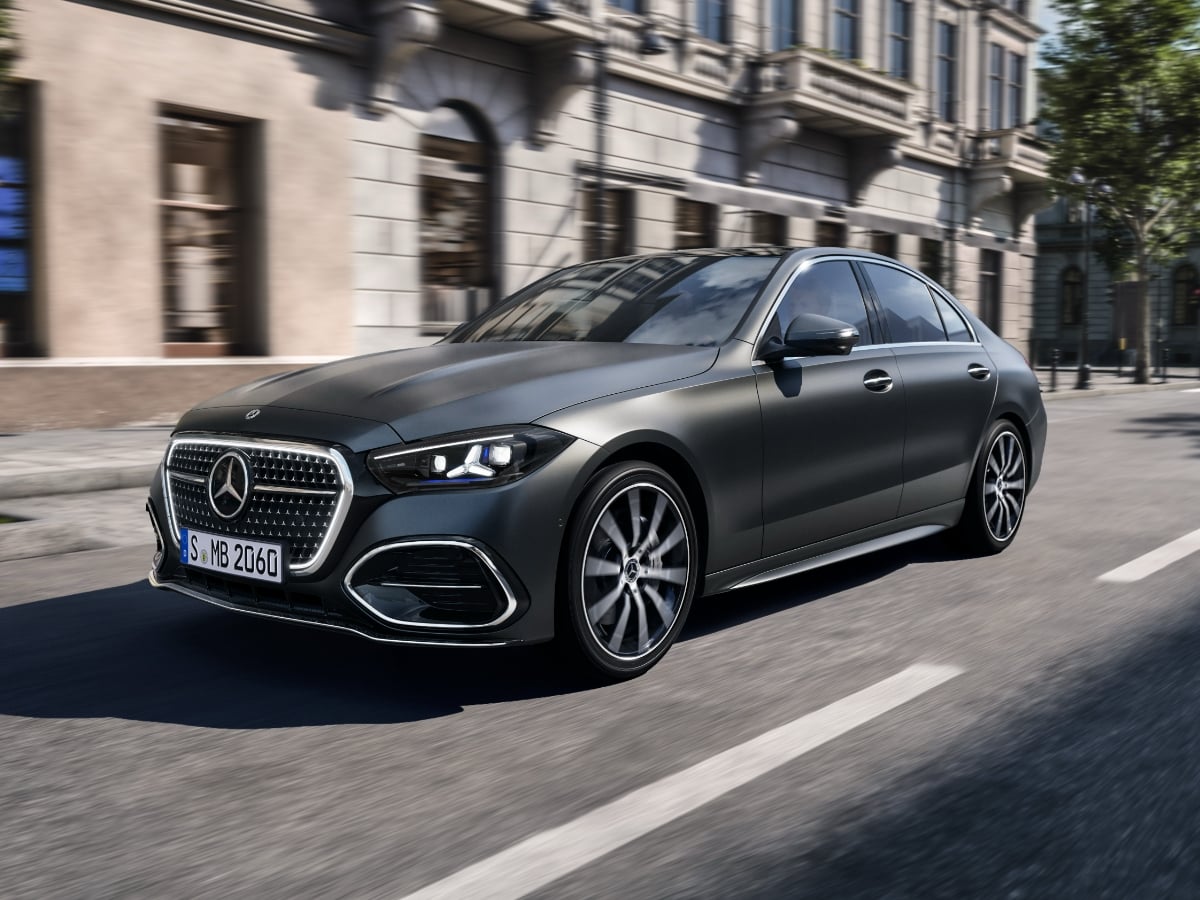
Luxury vehicle buyers prefer SUVs, but a contingent of people still prefer lighter, more efficient, nimbler sedans. The 2027 Mercedes-Benz C-Class serves them with a compact size and a nicer price ...See More
Read the Full Article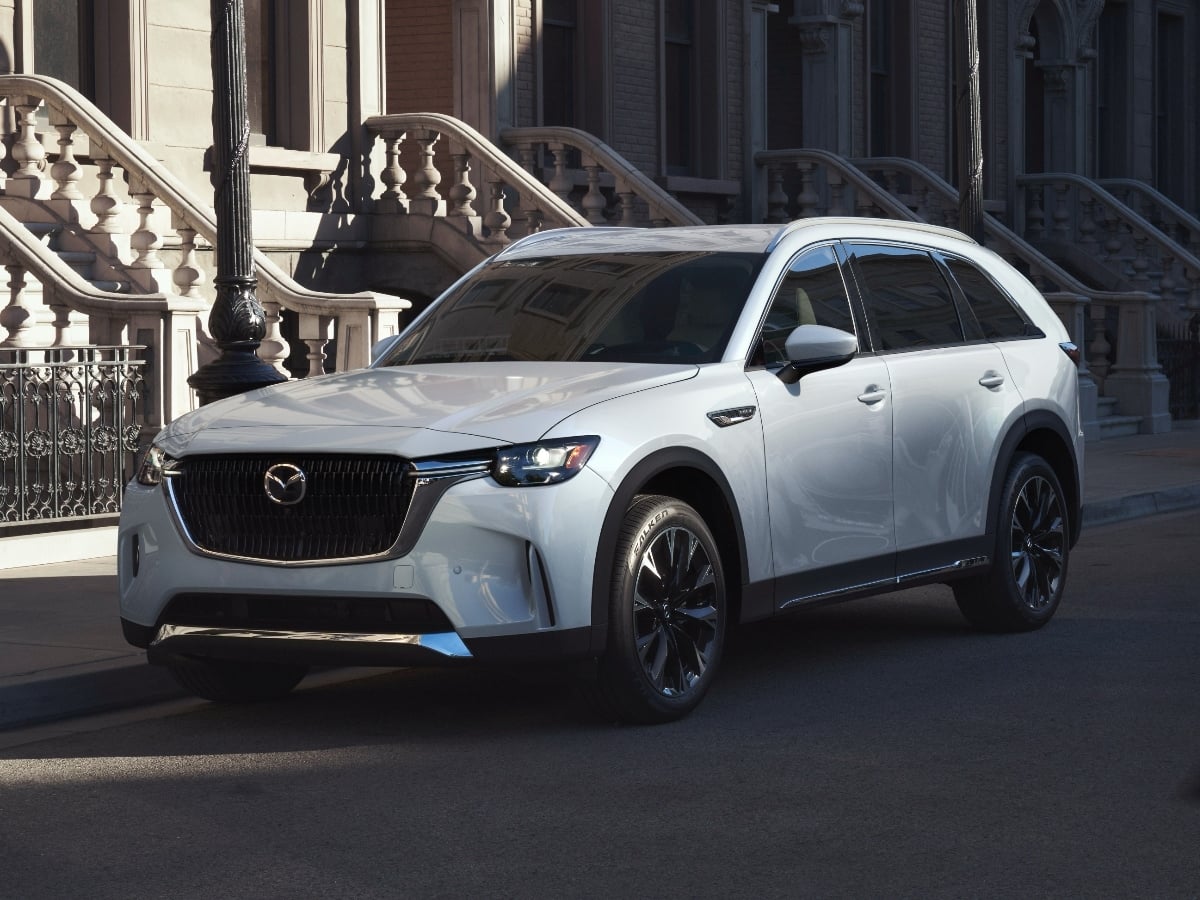
Mazda is discontinuing the five-passenger midsize CX-70 crossover SUV for the 2027 model year. But do not worry. The automaker is moving that configuration to the CX-90 lineup, where it will be ...See More
Read the Full Article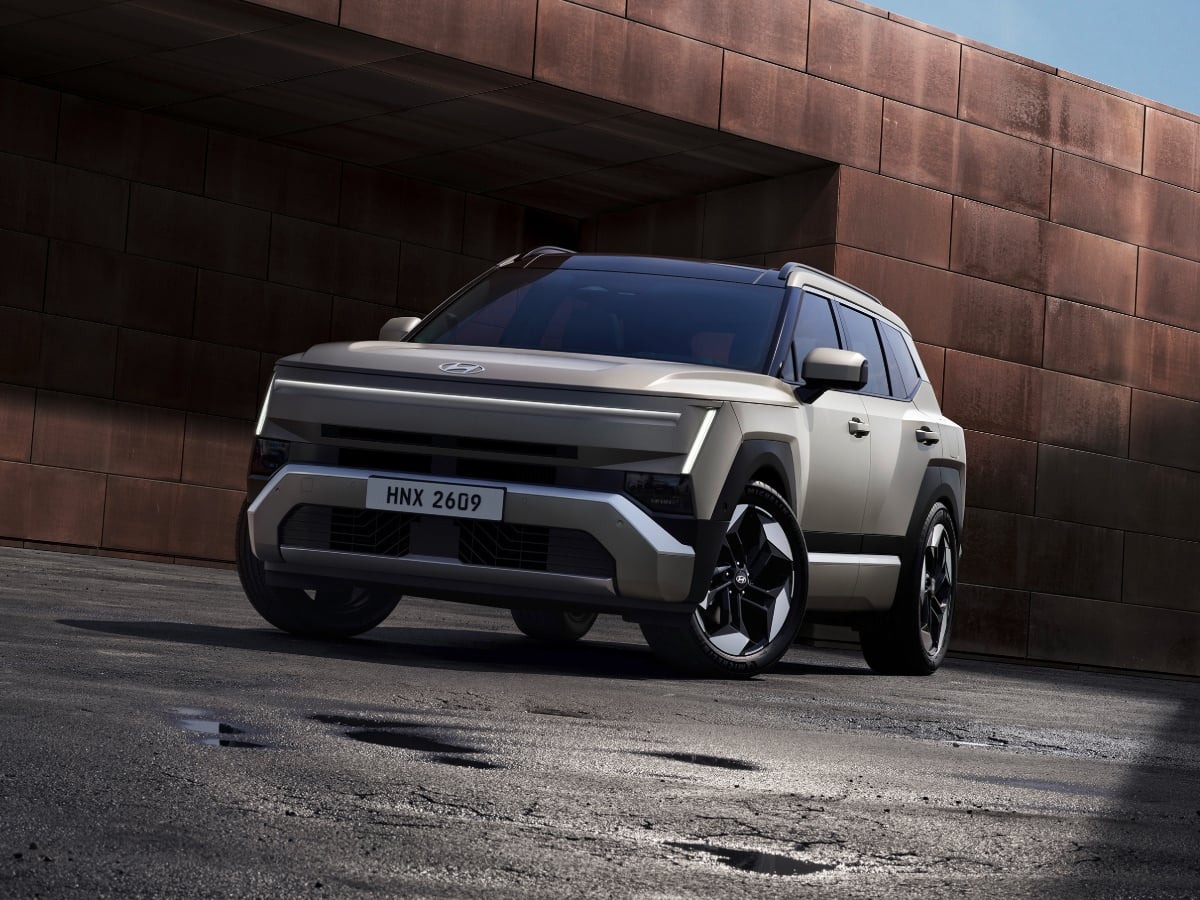
With a purposeful new design and some trail-ready upgrades, the 2027 Hyundai Tucson is pushing the brand's best-selling crossover SUV into more aggressive territory.
Read the Full Article