
Gone are the days of rolling up your windows. Well, in the most literal sense, that is.

Modern car windows are ultra-convenient, so there’s no need to crank a hand roller anymore. At the press of a button, you can make your window roll up or down, allowing you to stay warm in your car or let in a cool breeze.
But these electronic gizmos sometimes stop working, either because something is blocking them or because of a more profound mechanical error. So while we have made immense technological advancements in recent decades, the truth remains that even automated rolling windows can sometimes run into issues that prevent them from functioning correctly.
Regardless of the root cause behind your malfunctioning window, this guide will tell you how to fix it when it won’t roll up, and dive into the various methods for getting your window back on track (literally).
Car windows are deceivingly complex, especially if they are electrical versions instead of vintage, hand-rolled designs. There are a multitude of reasons why your car window won’t roll up, including:
While there are numerous reasons why your window may stop rolling up, there’s no need to panic. Just as there are multiple root causes, there are many ways you can fix it.
Check the Safety Locks: For starters, double-check that the child safety locks aren't engaged in your vehicle. Sometimes, it's easy to forget that these are the problem if you've had a busy day or perhaps engaged the button by accident. Once you verify that this lock is not on, you can check it off your list of potential culprits.
Try Restarting Your Car: Simply turning your car on and off again may resolve the issue. Sometimes, this resets the internal computers and electronics in your vehicle and will resolve any minor problems that are preventing your car windows from rolling up properly.
Check for a Blockage: In most situations, when your car window isn’t moving due to a blockage, the reason is that it’s clogged with snow or ice. Try removing these impediments manually. You’ll want to be careful not to damage the glass, so you may want to consider using a lighter or similar tool to melt the ice or snow if it’s heavily accumulated. This is also best practice when the ice or snow blocks the window slot or is otherwise too difficult to remove.
Check Your Car’s Electronics: You should also make sure that the electronics in your car are working before determining if it’s an issue that’s specific to your window. If your car's interior lights and other electronic parts aren't functioning correctly, the problem may not be with your window but rather with your car's battery or circuits. For example, a short circuit could prevent an electrical signal from adequately reaching your car window.
Check the Fuse Box: In addition to the electronics, you should also specifically check the fuse box. Start by turning the vehicle off and consulting your owner’s manual for the location of the fuse box. Open the fuse box and use the diagram to locate the power window fuse(s). Use fuse pullers to examine the fuse, and if the wire element appears to have burned or melted, then the fuse is blown and needs to be replaced.
If your car window remains stuck after attempting the quick fixes, you can try some more involved methods.
As simple as it may seem, sometimes just slamming your door can solve the issue.
Glass windows are set on tracks within your door panel. If your window is somehow dislodged from the track (or if it is tilted to the side), it may not engage with the motor, even if it’s working correctly.
Slamming your car door can help to resolve this problem by realigning your glass window with the tracks. To use this method:
If you fail to have any luck with the door slamming method, you might also try palming the glass window. This can help fix the issue if your window is stuck due to debris falling down the window slot. It’s a common occurrence for those who drive through inclement weather.
If you believe this may be the culprit behind your malfunctioning window, try this method:
Similar to the door slam method, the striking method can help realign your window with the tracks and motor.
Using your palm (to avoid injury or damage), take your hand and strike the center of your car door on the outside. Never use tools in place of your hand, as this can cause damage to the paint and body of your vehicle.
When utilizing the striking method, only do it a few times and see if it produces results. Do not continue striking the door if it doesn’t get your window back on track. Also, be careful not to strike your door too hard, as it's much easier to damage the door’s paint or shatter the glass inside than you might think.
For those who are mechanically inclined, you can get a look at your car window’s mechanics by removing the door panels and investigating the issue.
This is typically done by unscrewing one or more screws often located behind your car door’s interior handle. After removing the screws, gently pull on the panel. This should uncouple any cheap plastic pressure rivets.
Once open, you can get a closer look at the motor mechanics and see if something is blocking the motor gears. If there is no issue with the motor, you may just need to realign the window on the track manually. After you have addressed the issue, simply secure the door panel back in place with the applicable screws.
If a blown fuse was discovered as a possible culprit of the power window issue, replace the defective fuse. To start this process, turn the vehicle off and remove the key from the ignition. Then, acquire a fuse matching the voltage and type as the one you are replacing. Remove the faulty fuse and insert the new one in its place. Close the fuse box and start the vehicle. Once on, test that the windows are now operating as expected.
So, at this point, you have tried some of the above methods, or have long given up on your aspiration of resolving the window issue on your own. When none of these fixes work or you have run out of patience, it is time to connect with a professional. As you have already observed, power window repair is a laborious task. Thus, it should not be surprising that it could be quite pricey. Making matters worse, the parts alone can be expensive as well.
Window regulators leverage motors, cables, and gears to control power window movement. These mechanisms serve an important role in opening and closing the window which impacts vehicle security, safety, and comfort. Replacement costs for window regulators range from $200 to $800. The price varies based on the make and model of the vehicle, type of regulator, cost of parts, location of the regulator, and labor costs. If the vehicle is still under warranty, the manufacturer may cover replacement as well. If only the window motor breaks, labor and parts can easily cost $200-$300.
When replacing window components, a cost-saving recommendation is to purchase aftermarket parts instead of genuine OEM (original equipment manufacturer) parts. Although this saves you money, these parts might be built to lower quality than the pricier OEM mechanisms.
Ultimately, it’s essential to use common sense when fixing a car window. If you don’t think you’ll solve the problem without breaking the glass, it’s best to contact a professional and have them perform the service. They’ll be able to help you out if you don’t have the tools on hand to take apart your door panels or perform the appropriate tasks necessary to repair the issue. But hopefully, if you have a simple error occurring with your system, the tips mentioned above will get you out of a jam.
Matt Yantakosol is a lifelong automotive enthusiast and former consultant focused on the consumer aspect of the industry. He has traveled to New York, Detroit, Chicago, L.A., Paris, Geneva, Frankfurt, and Tokyo Auto Shows to track and observe the newest industry innovations. In addition to JDPower.com, Matt's writing has appeared on Pcarmarket.com.


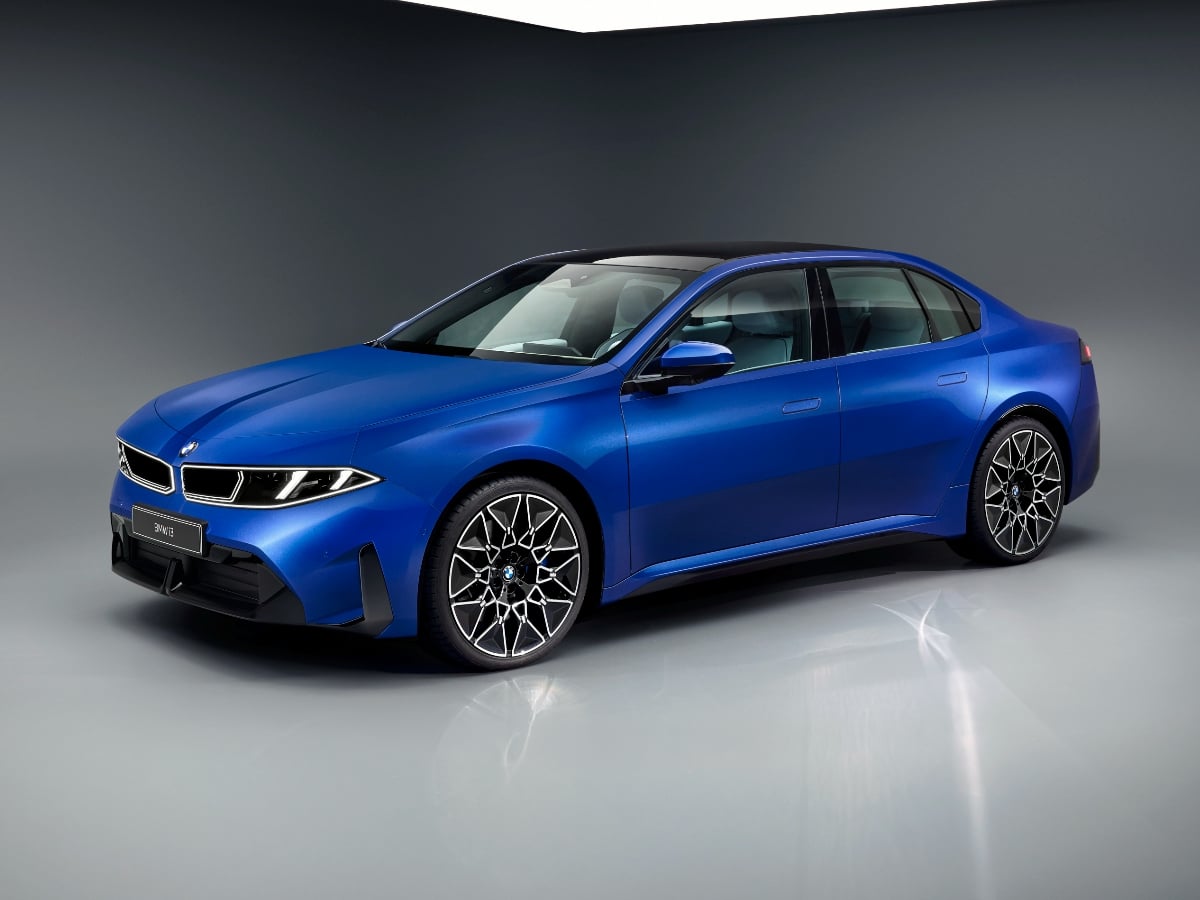
The new 2027 BMW i3 boasts an estimated range of up to 440 miles, 400-kilowatt DC fast charging capability, bidirectional charging to a home or the grid, and next-generation technology.
Read the Full Article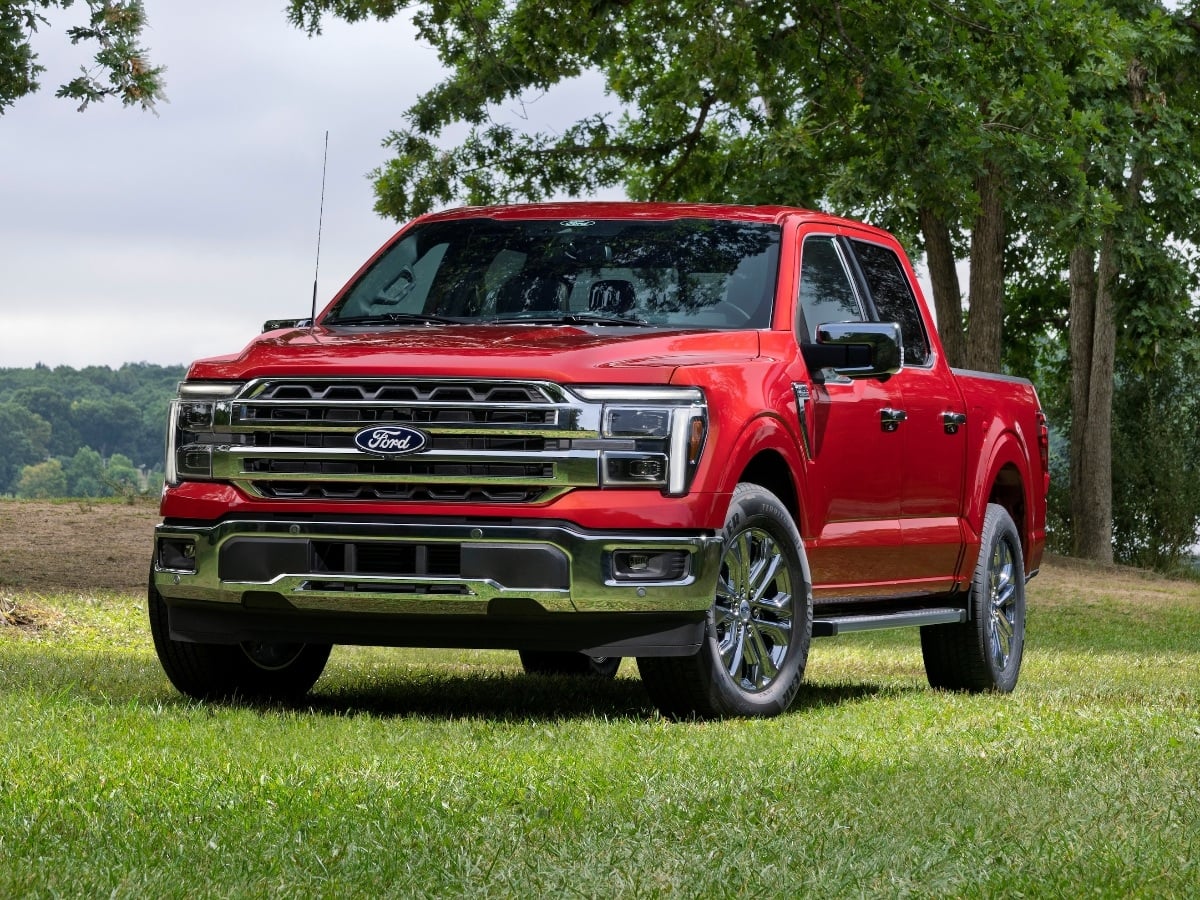
Facing renewed competition in the full-size, light duty pickup truck segment, the 2027 Ford F-150 receives subtle styling updates, a new standard engine, broader availability of its 5.0-liter V8, and ...See More
Read the Full Article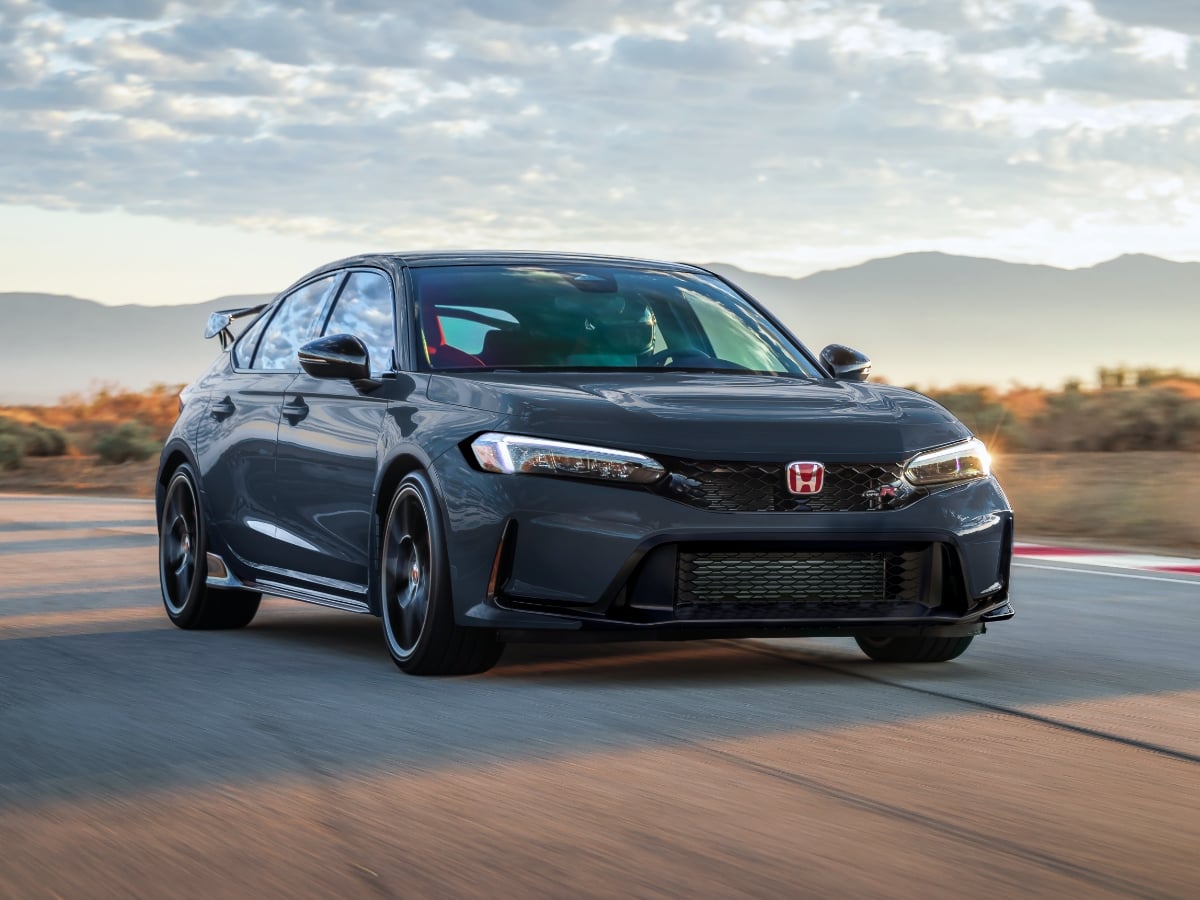
The 2027 Civic Type R goes on sale in October 2026, and it starts at $49,990, including the $1,295 destination charge.
Read the Full Article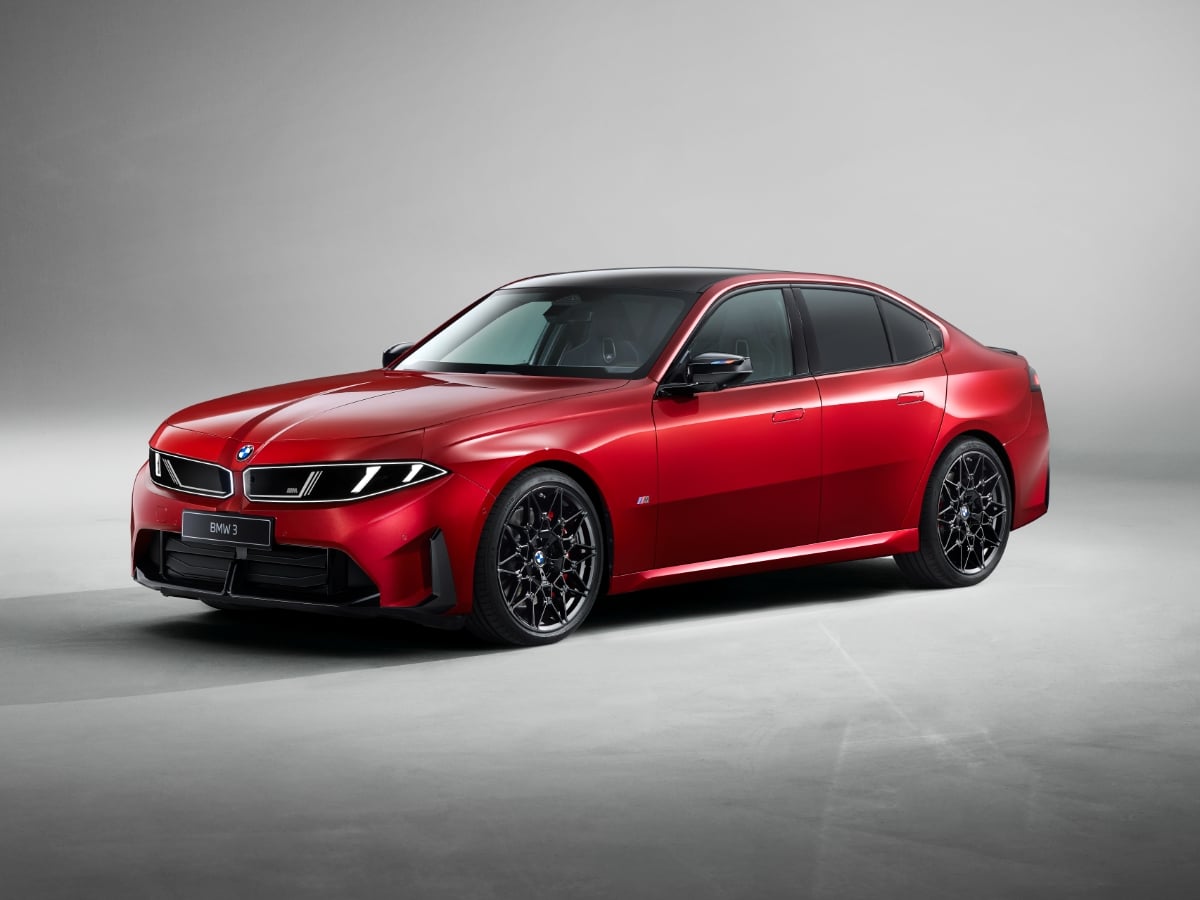
Part of BMW’s Neue Klasse (new class) rollout of redesigned models, the 2027 BMW 3 Series is all-new and goes on sale in the first quarter of 2027.
Read the Full Article