
Every car has windows that move up and down. But what you might not know is that they move with the help of a special mechanism, the window lifter (or regulator). By design, it includes a motor directly responsible for windows moving up and down.

Today, electric window mechanisms are as common as rearview mirrors or windshield wipers. Few people have ever seen the device responsible for pushing the window glass up or pulling it down because until it becomes faulty, no one would even think to remove the upholstery just to find out where those buzzing sounds come from.
And, seeing as not many people know about the motor, it’s only fair we do it justice by exploring it in-depth in the article.
The window motor is safely hidden from our eyes, and most owners don't know exactly where it is located. As previously said, it is an integral part of the window regulator.
The drive is a primitive electric motor, the force acting on a reducer made of a worm gear and a toothed gear. It is based on an armature with a rotary copper winding, rotating in a cylindrical body, inside which there is a stator. The central rod is equipped with a “worm” resembling a meat grinder spiral. When the rotor rotates, the worm gear exerts a force on the toothed wheel, which acts as a rotary knob.
The first power windows in automotive history were patented by the German concern Brose in 1926 (for comparison, windshield wipers appeared in 1903). The first cars to be equipped with Brose power windows in 1928 were, of course, German ones.
The first more or less mass-produced models of automatic windows appeared in 1940 on the Packard 180 and seven-seat Lincoln sedans and limousines. And that’s where their official history began.
Window regulators can have one of three lift mechanism types:
The manual power windows can only have cable or lever drive mechanisms, whereas the ESP can function with all types of drive mechanisms.
The window lifter is in the inner door cavity, the manually operated mechanisms have the handle output on the inner door panel, and the ESP control unit is located on the door armrest (there is also a central control unit on the dashboard or console).
After a long time, the teeth on the pinion break, forming a gap. Because of this, the glass is permanently stuck in the position where it was stopped. In this case, there is no way to fix the device, and you will have to buy a new window lifter with better parts.
Another widespread problem may be the electric motor brush, which thins out due to friction. These brushes direct the current to the rotor because of friction and conductivity of the current at the contact joints, but they can also become very thin and loose against the armature. When it happens, they, of course, must be replaced.
As mentioned above, dust is often the cause of the breakdown. If it gets into the motor contacts, it can block the flow of current to the winding. In this case, the gear motor will not be able to operate.
To solve this problem, you need to clean the connections thoroughly. It should be done carefully so as not to break the wiring. After all, if you damage the connections more, it won't be as easy to fix things. But if it doesn’t help, the electrical circuit or the fuses are the likely culprits.
If it’s just the faulty motor, then you’re in luck. The average time to replace a power window motor is 2.1 hours. You should expect to pay $120-$150 for labor plus the cost of the motor itself. It can usually bring the entire job anywhere from $200 to $300, depending on the make and model. But that’s just statistics, and the actual labor time can creep up into the four- and five-hour ranges, which also increases the labor costs to about $100-$200.
Your windows move up and down thanks to the motor that is hidden behind the upholstery. If it becomes faulty at some point, it’ll be difficult to operate the windows and let the fresh air in.
Now that you know how they work and all associated replacement costs, you are well-equipped to deal with this problem as soon as possible.


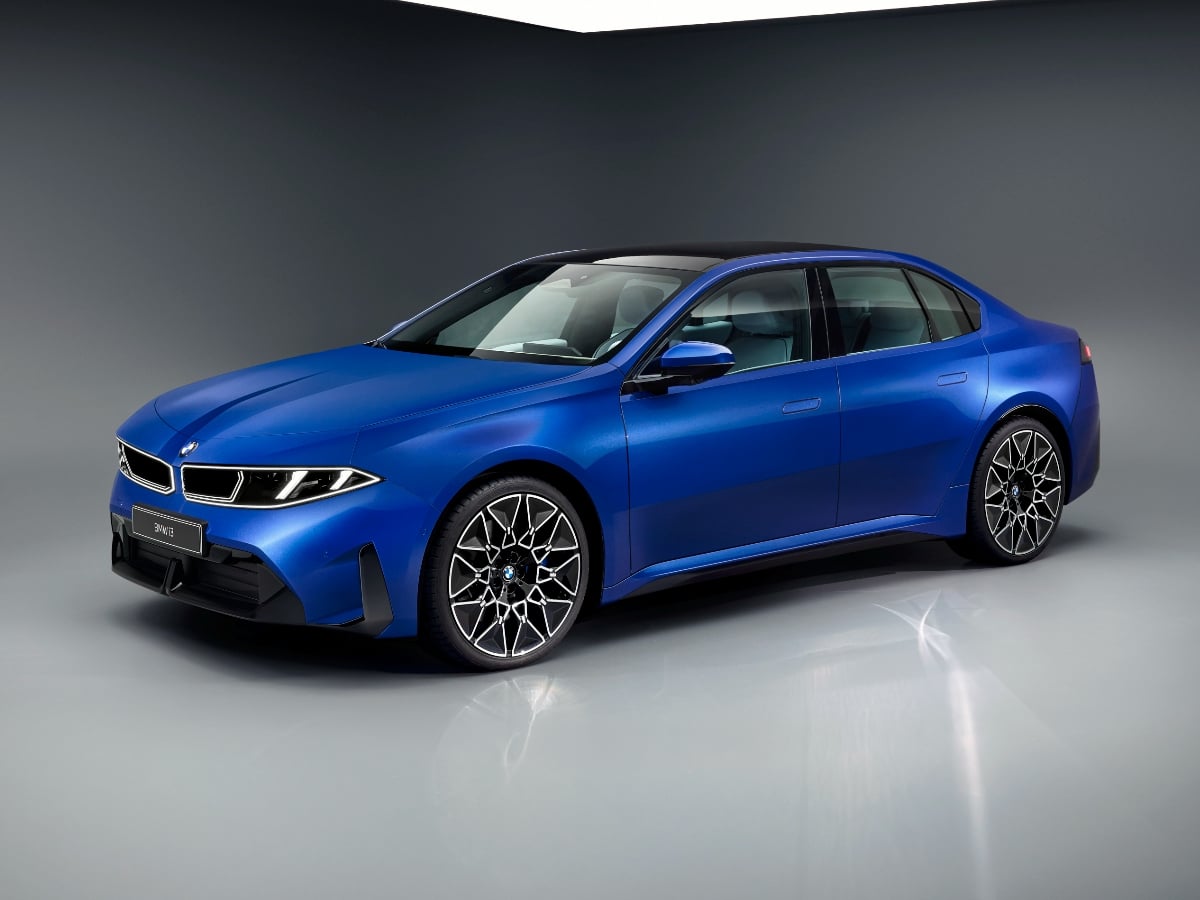
The new 2027 BMW i3 boasts an estimated range of up to 440 miles, 400-kilowatt DC fast charging capability, bidirectional charging to a home or the grid, and next-generation technology.
Read the Full Article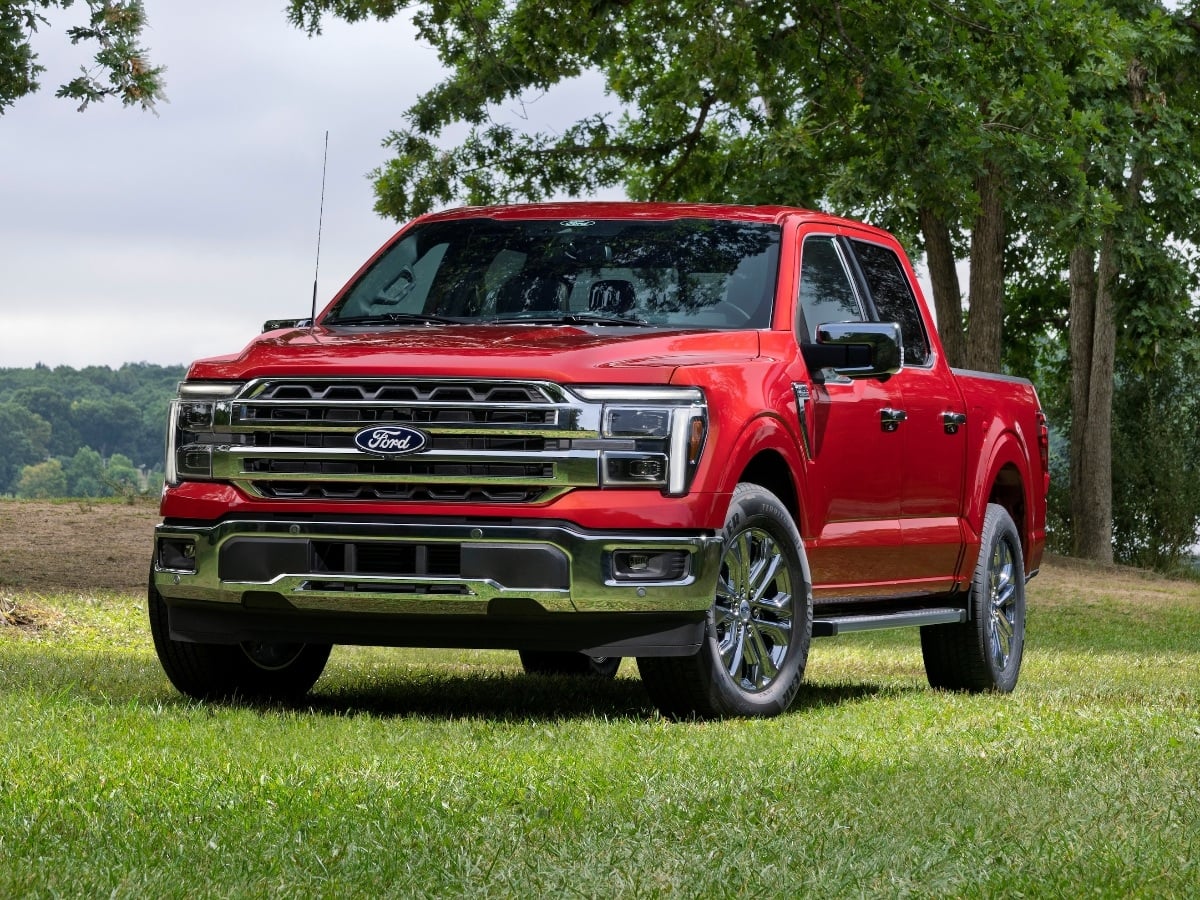
Facing renewed competition in the full-size, light duty pickup truck segment, the 2027 Ford F-150 receives subtle styling updates, a new standard engine, broader availability of its 5.0-liter V8, and ...See More
Read the Full Article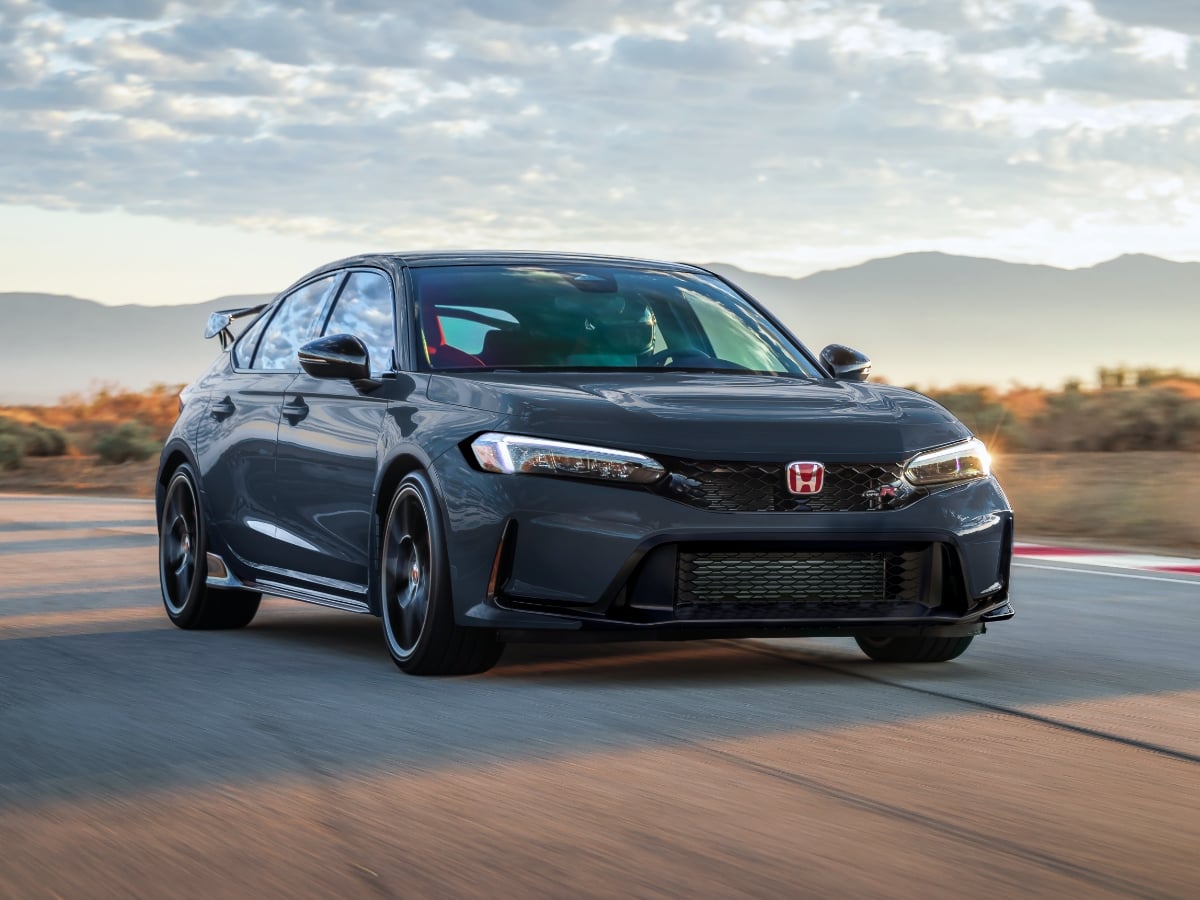
The 2027 Civic Type R goes on sale in October 2026, and it starts at $49,990, including the $1,295 destination charge.
Read the Full Article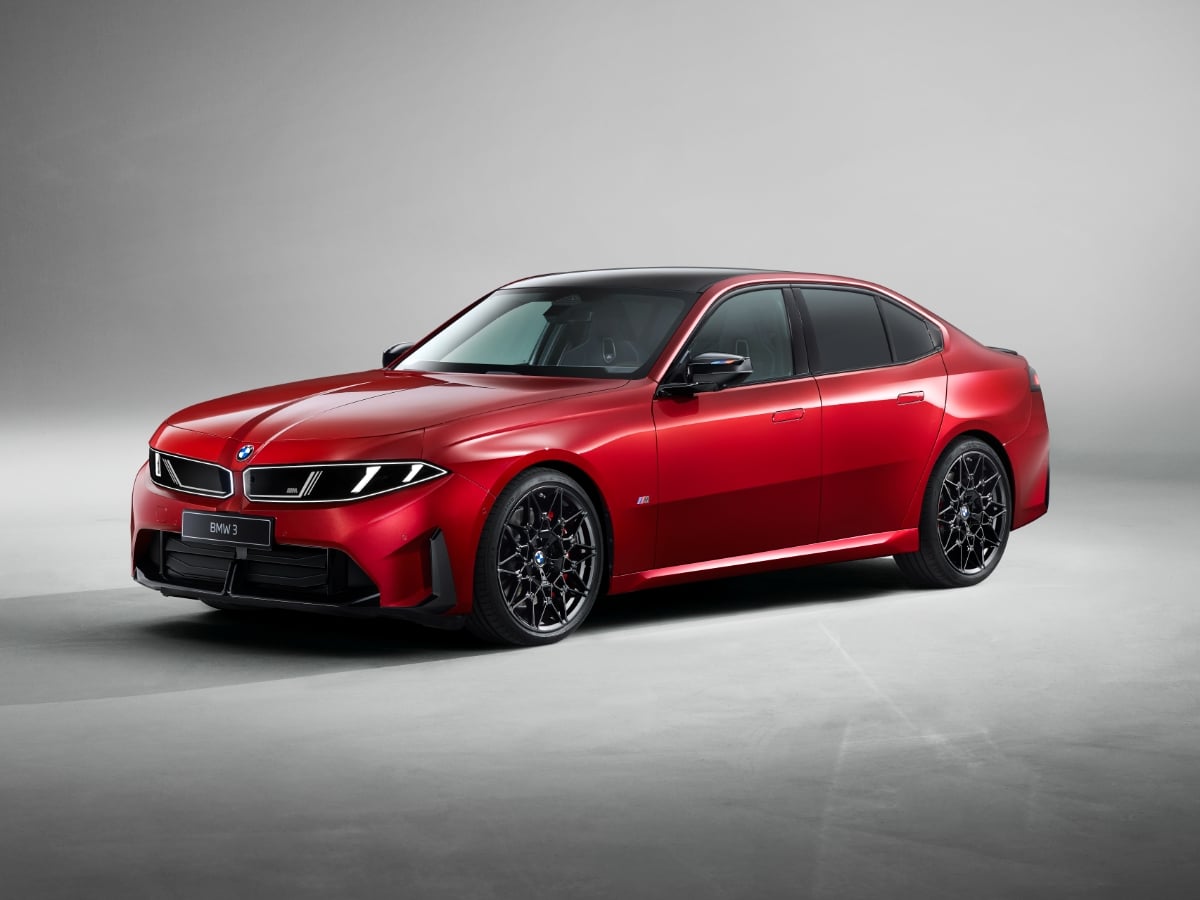
Part of BMW’s Neue Klasse (new class) rollout of redesigned models, the 2027 BMW 3 Series is all-new and goes on sale in the first quarter of 2027.
Read the Full Article