
Tuning is a trendy concept among drivers. Everyone likes modifying and improving their cars for better results, such as increased performance.

However, for most, tuning costs are an essential consideration. After all, vehicle prices are high enough without additional expenses. So, if you’ve ever wondered just how expensive things can get, the article will answer this question and cover all there is to tuning.
There are various types of tuning, depending on what you want to do with the car. But, among other things, two stand out as the most common ones: engine and electric tuning.
Engine tuning is done to improve acceleration, fuel efficiency, torque, and power. There are different types of engine tuning, such as:
Electric tuning is all about modifying the electrical systems of your car. This type of tuning aims at improving performance, handling, and fuel efficiency. It involves installing aftermarket parts and upgrading electronic components like sensors or actuators. There are different types of electric tunings, such as:
There are many reasons to tune a car. If you're into speed and performance, then increasing your engine's power will give you more power at the wheels. This can be done by tuning or installing an aftermarket performance exhaust system.
If fuel economy is a concern, porting and polishing the intake manifold may help reduce the intake flow turbulence and improve airflow through your engine's cylinders. A solid-to-air intercooler will also increase efficiency by cooling hot air before it enters the cylinder heads, resulting in better combustion and increased horsepower at high RPMs due to a reduced compression ratio.
Improving suspension components like coil overs, sway bars, and bushings will drastically improve how well the vehicle goes around corners without compromising stability at higher speeds over bumps. And that's very important for street driving!
Tuning is also crucial for safety reasons. Worn-out shocks/struts can cause excessive body roll under hard acceleration and braking situations. This could lead them toward skidding in off-road conditions such as rain puddles. Going for a tune would quickly resolve this problem and preserve your driving safety.
Adjusting engine performance with aftermarket parts gives you more control over how your vehicle feels on the road and can save you money in terms of fuel efficiency and longevity.
However, you need to ensure that the upgrades received won’t cause problems for you down the line and will provide the needed results. For instance, even though changing suspension components can also make driving safer, there's no guarantee that it will improve overall comfortability once installed. That’s why it’s best to consult a qualified mechanic on such matters and never attempt DIY tuning unless you know what you’re doing.
The cost of tuning your car depends on your car type, how much you want to tune it, where you get it done, and the type of tuning. But If you're looking for a basic tune-up and want to keep your car running smoothly, expect to pay around $200-$400.
Assuming you're looking for more than that, say an engine rebuild or full performance upgrade, which includes all components, expect to spend between $1,000-$10,000 or more depending on what kind of performance upgrades are being made.
Tuning your car can be worthwhile, but you should know the costs beforehand. There are many things to consider when tuning a vehicle, such as whether or not you can do it yourself or if you will need to pay someone else to do that for you.
There are many reasons and ways to tune your car, but it's important to know what you're getting into. If you want more power or better fuel economy, go for it, but don't expect miracles. Ensure that any money you spend will be worth the investment. That way, when your car starts running better than ever, you'll know it was worth all the effort.


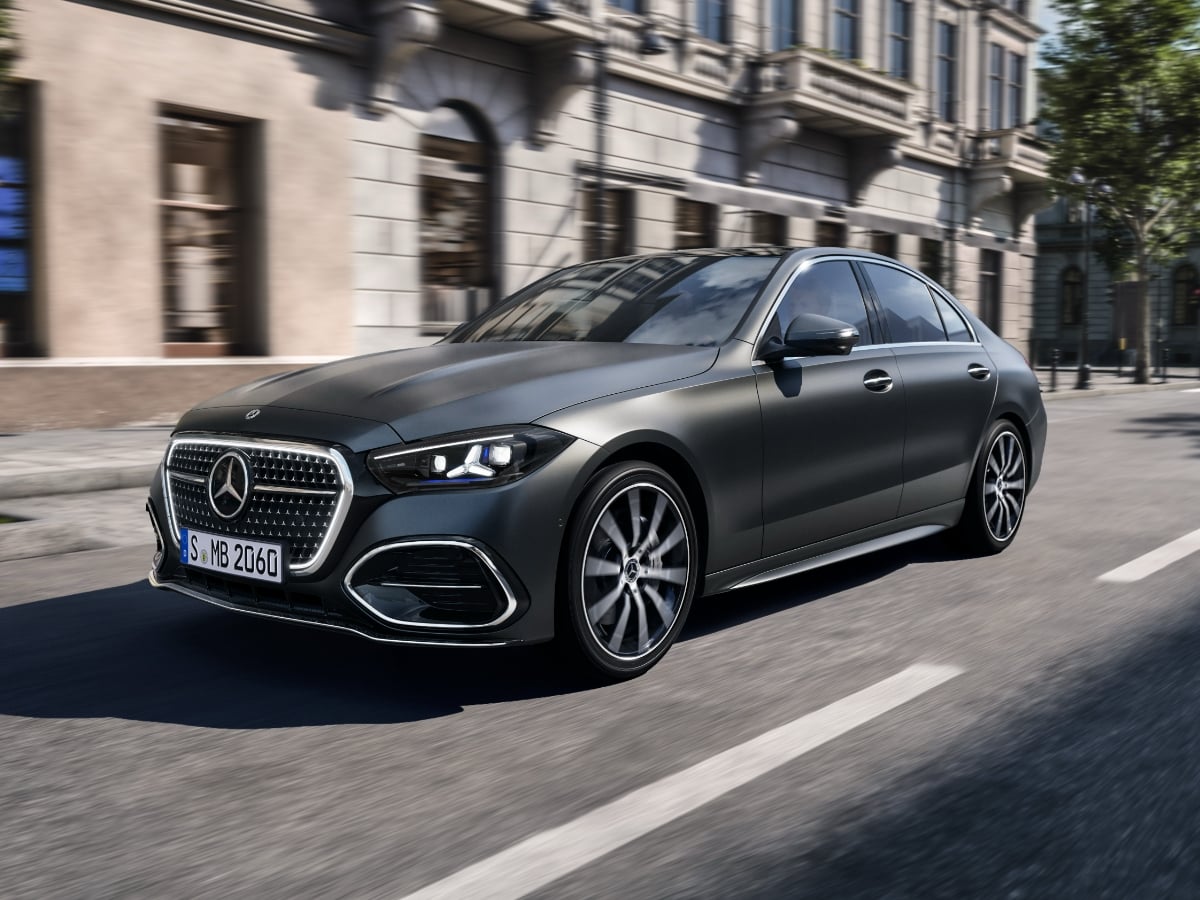
Luxury vehicle buyers prefer SUVs, but a contingent of people still prefer lighter, more efficient, nimbler sedans. The 2027 Mercedes-Benz C-Class serves them with a compact size and a nicer price ...See More
Read the Full Article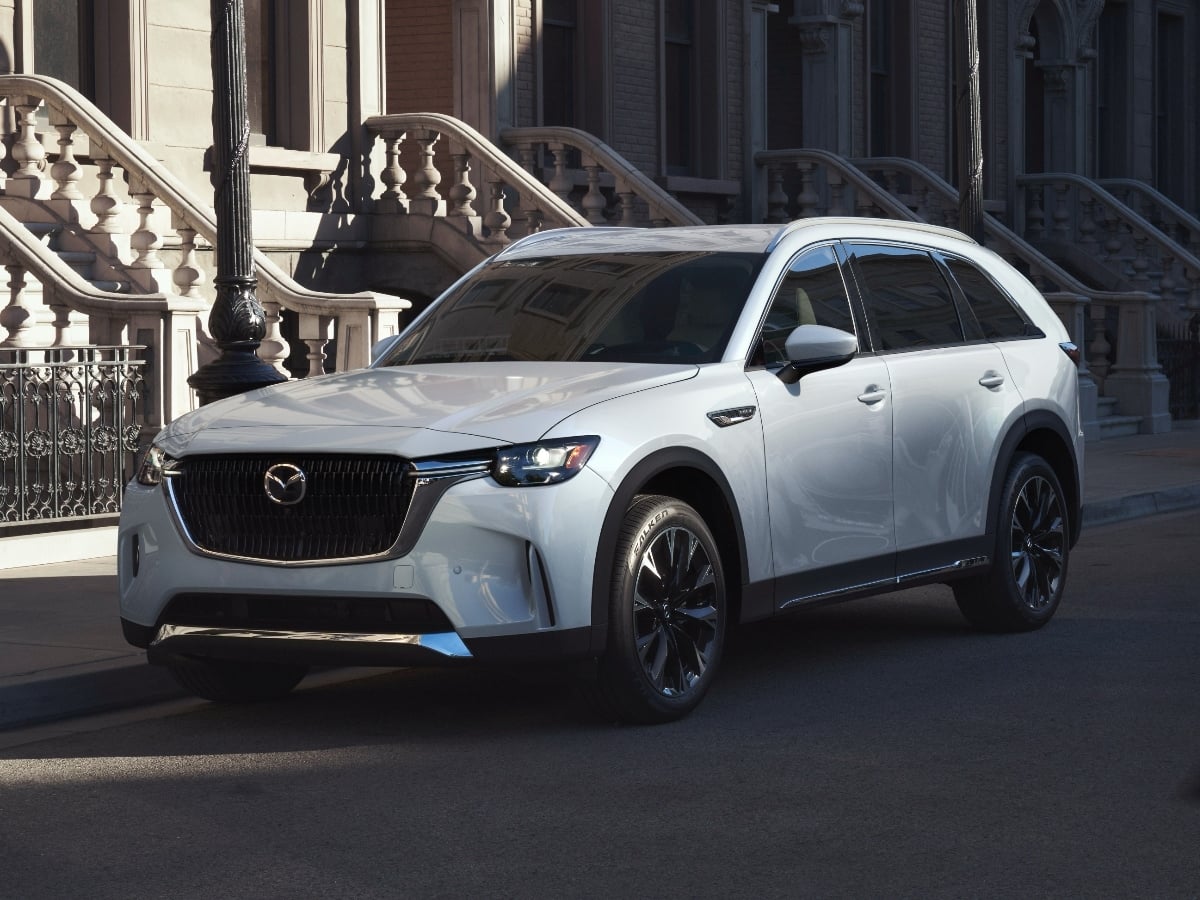
Mazda is discontinuing the five-passenger midsize CX-70 crossover SUV for the 2027 model year. But do not worry. The automaker is moving that configuration to the CX-90 lineup, where it will be ...See More
Read the Full Article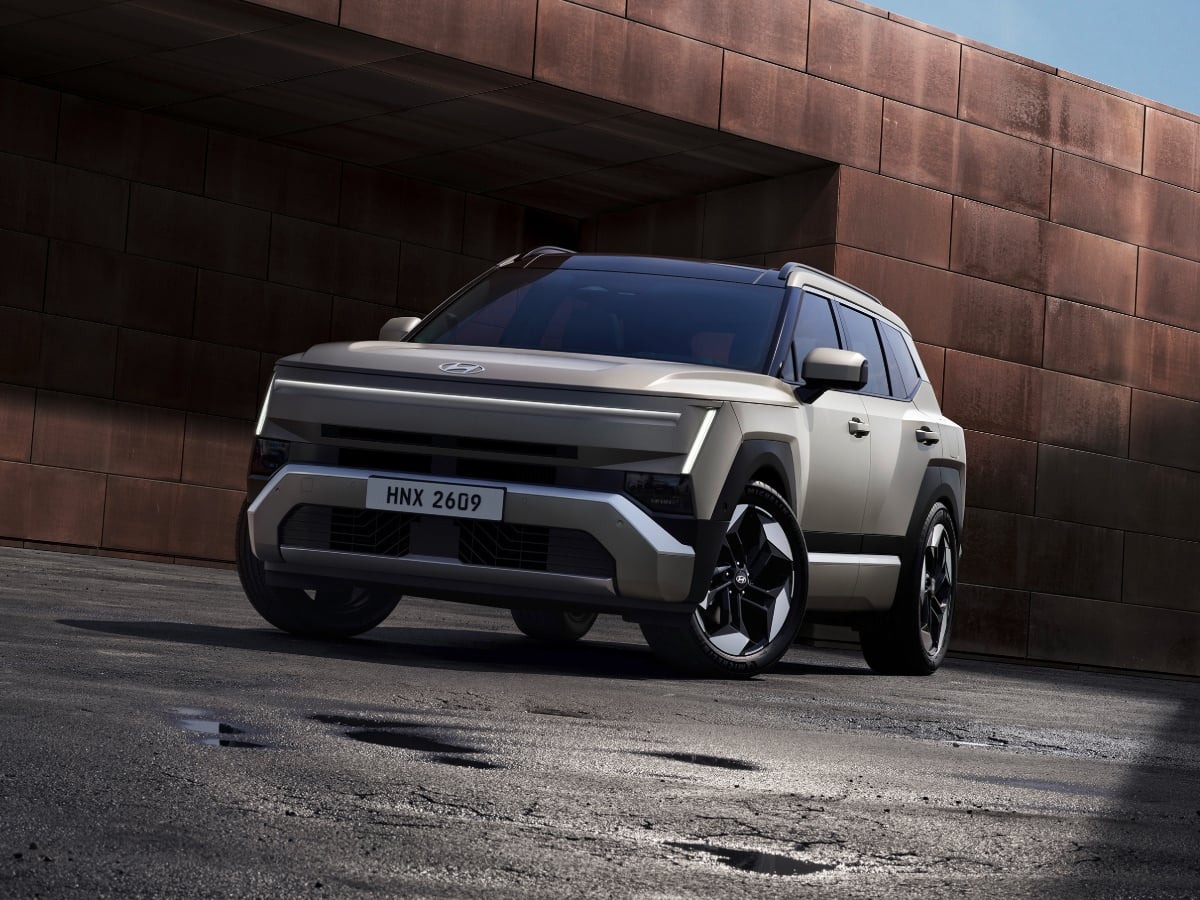
With a purposeful new design and some trail-ready upgrades, the 2027 Hyundai Tucson is pushing the brand's best-selling crossover SUV into more aggressive territory.
Read the Full Article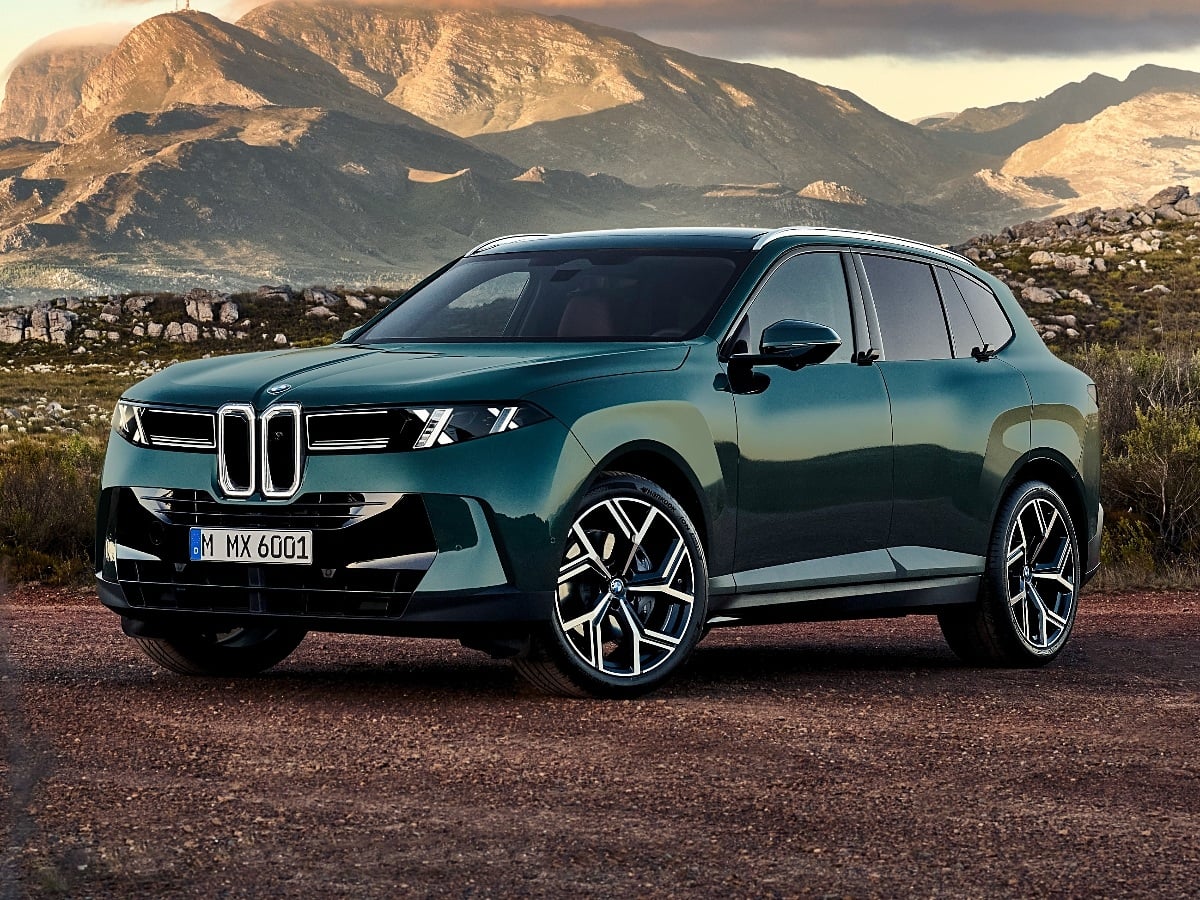
For more than 25 years, the BMW X5 has helped to define the luxury SUV segment. Now, the redesigned fifth-generation 2027 BMW X5 arrives with the automaker’s Neue Klasse styling, a roomier interior, ...See More
Read the Full Article