
Spark plugs play a highly significant role in the overall functioning of a vehicle. Without well-functioning spark plugs, a vehicle may not operate properly or at all. This article explains all there’s to replacement costs, and covers all important information relating to them.

Before a vehicle can drive, the engine draws a mixture of fuel and air into the combustion chamber, which burns to turn the crankshaft and other engine components so the vehicle can move. The spark plugs ignite the fuel/air mixture by creating a spark that causes the mixture to explode, forcing the pistons to move up and down the cylinder, turning the engine and moving the vehicle. They are small devices fixed on top of the engine cylinder head that emit electrical bolts to ignite the fuel/air mixture.
Usually, most engines have one spark plug per cylinder, so a standard four-cylinder engine has four spark plugs. However, more advanced engines have two spark plugs per cylinder. Spark plugs are made of durable materials that can withstand high voltage and explosions. They do eventually wear out over time, leading to reduced engine performance.
The replacement cost depends on the type of spark plugs and labor charges. Here's the average cost of various types of spark plugs:
Labor charges vary depending on the complexity of each engine, with V6 and V8 engines costing more than four-cylinder engines. The average labor cost ranges between $40 and $350. Factoring in parts and labor, the cheapest spark plug replacement costs between $100 and $250, and the highest is between $250 and $500.
It is ideal to replace all spark plugs at once to avoid dealing with different replacement cycles and to achieve optimum performance. Also, replacing related components such as spark plug wires, coil pack, oxygen sensor, and fuel filter can impact the performance of the spark plugs. For example, an old fuel filter can cause a buildup of oil and carbon around the plugs, dulling their effectiveness.
The frequency of spark plug replacement depends on the type of spark plug and maintenance. Automakers recommend replacing standard spark plugs every 30,000 to 40,000 miles and platinum-tipped ones every 60,000 miles. Iridium ones have a longer lifespan and often need replacement every 100,000 to 120,000 miles. However, driving conditions may cause spark plugs to wear out before the recommended mileage interval.
The spark clause could be the suspect when a car struggles to start even with a good battery. The engine has to work harder to make up for the weak plugs, and in some cases, the vehicle will not start because the plugs cannot generate enough spark to turn the engine over.
The engine emits a knocking and rattling sound as it idles, or loud noises emanate from the engine due to the additional strain on the engine cylinders.
The vehicle failing to respond to the throttle when accelerating or struggling to pick up speed signifies that it's time to look into the spark plugs.
Although other issues, such as leaking valves and poor quality fuel, can cause the engine to misfire, overworked spark plugs can also lead to misfires, causing uncoordinated engine pace and pops from the engine. Engine misfires lead to the transfer of raw fuel into the exhaust due to incomplete combustion, which is a source of catalytic converter problems.
Since there is no effective fuel/air mixture combustion, the engine sucks more fuel into the combustion chamber to make the vehicle run correctly, resulting in poor fuel economy.
Spark plugs play an essential role by providing the electrical bolts needed to burn the fuel/air mixture to turn the engine and make the vehicle move. Continuing to push a vehicle engine with worn-out spark plugs negatively affects the combustion chamber and the catalytic converter, eventually leading to engine damage. Therefore, they must always be replaced at the recommended mileage intervals or immediately when there are signs of faultiness. Depending on your vehicle, expect to spend at least $100 or, at most, $500 for spark plugs replacement.


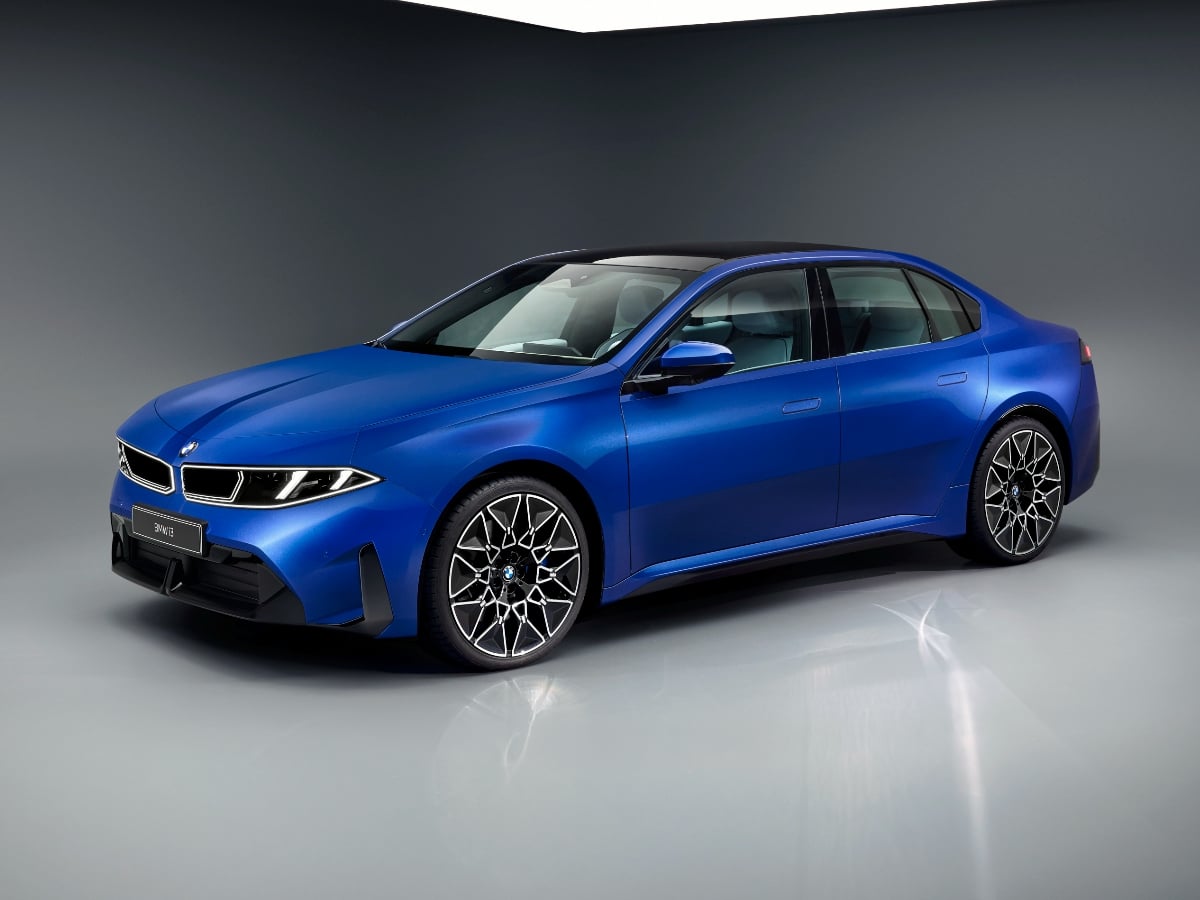
The new 2027 BMW i3 boasts an estimated range of up to 440 miles, 400-kilowatt DC fast charging capability, bidirectional charging to a home or the grid, and next-generation technology.
Read the Full Article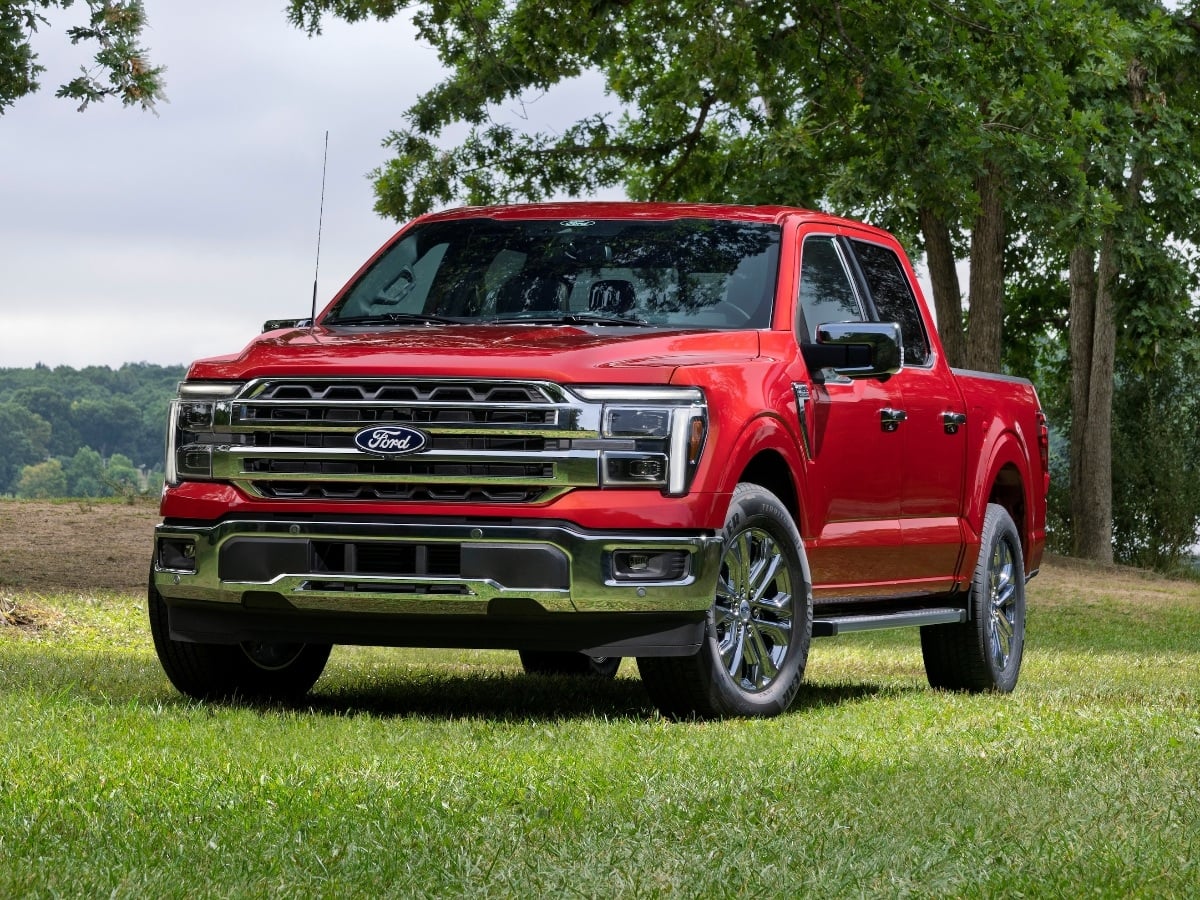
Facing renewed competition in the full-size, light duty pickup truck segment, the 2027 Ford F-150 receives subtle styling updates, a new standard engine, broader availability of its 5.0-liter V8, and ...See More
Read the Full Article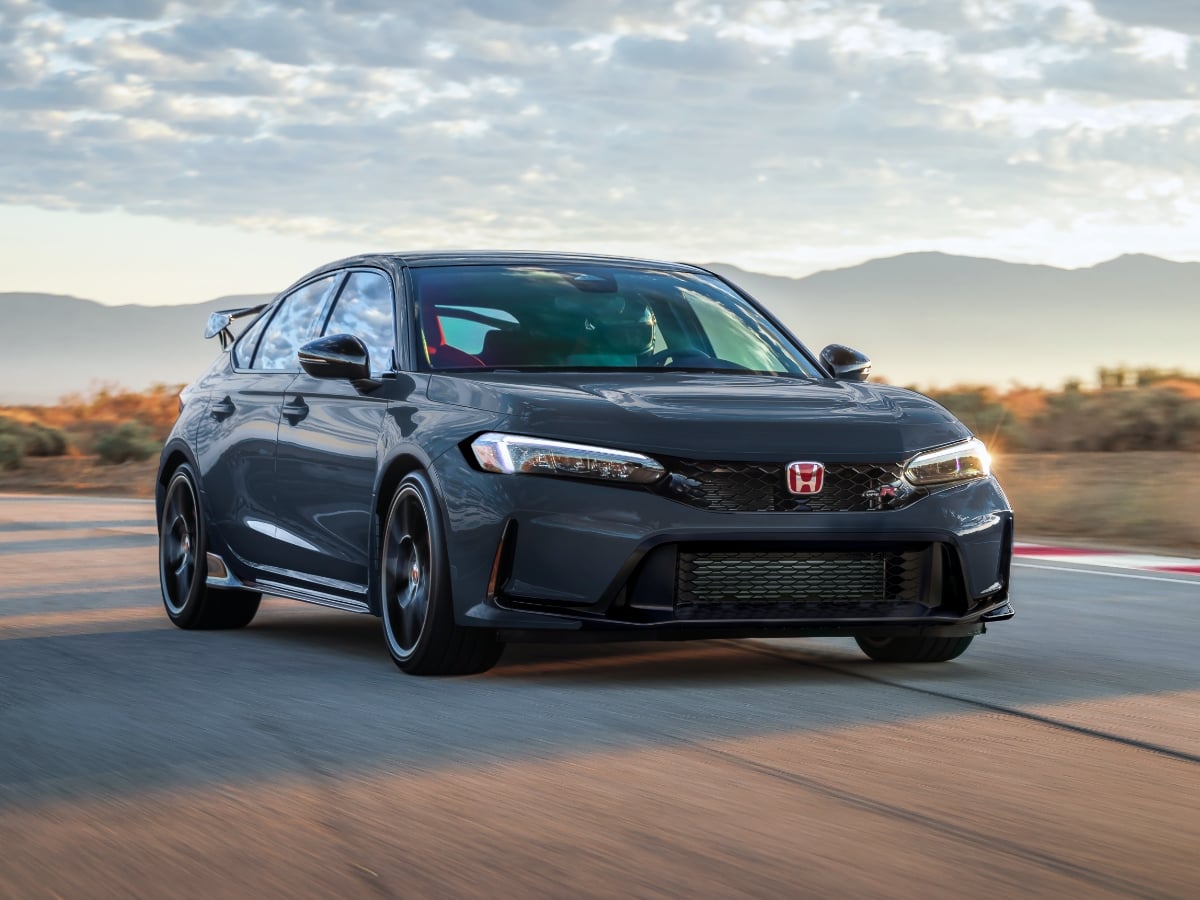
The 2027 Civic Type R goes on sale in October 2026, and it starts at $49,990, including the $1,295 destination charge.
Read the Full Article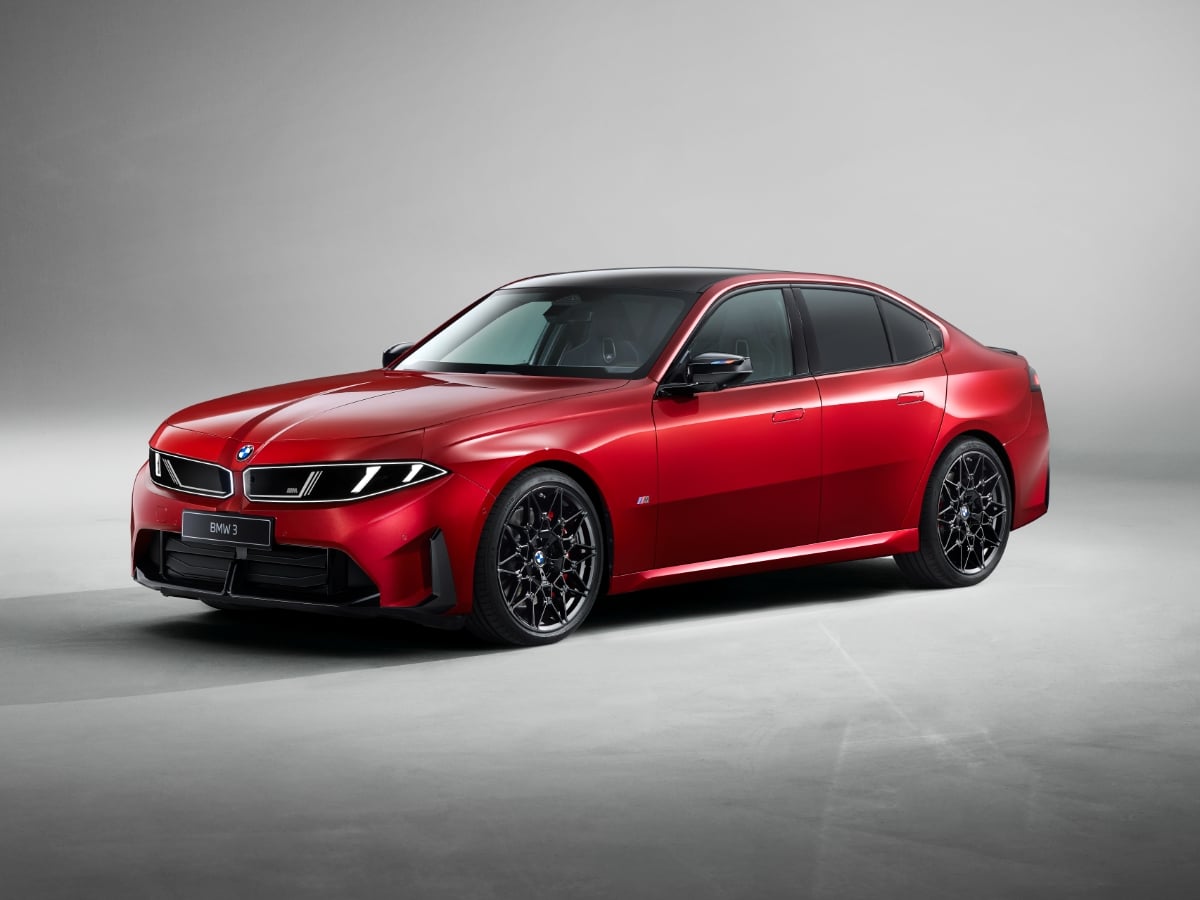
Part of BMW’s Neue Klasse (new class) rollout of redesigned models, the 2027 BMW 3 Series is all-new and goes on sale in the first quarter of 2027.
Read the Full Article