
TPMS (Tire Pressure Monitoring System) sensors monitor the air pressure in a vehicle's tires and alert the driver when the pressure drops below a certain level. They are designed to increase road safety and improve fuel efficiency by ensuring that tires are correctly inflated.

TPMS sensors play an important role in vehicle safety because they help ensure that the tires are properly inflated. Under-inflated tires can harm a vehicle's handling and stability, leading to reduced braking performance, increased tire wear, and the possibility of tire failure. In addition, under-inflated tires can also negatively impact fuel efficiency, leading to increased fuel consumption.
By continuously monitoring tire pressure, TPMS sensors can alert drivers to a drop in pressure, allowing them to take action and inflate their tires to the recommended pressure level. This helps to reduce the risk of tire failure, improve handling and stability, and increase fuel efficiency.
Overall, TPMS sensors help promote road safety and help drivers maintain the health of their vehicle's tires, ensuring that they can drive confidently and safely.
The cost of replacing TPMS sensors can vary greatly depending on several factors, including the type of vehicle, brand, and type of TPMS sensor, location of replacement, and labor cost.
On average, replacing a TPMS sensor can range from $50 to $200 per tire, with the average cost being around $100 to $150 per tire. However, the cost can be much higher, mainly if the vehicle requires specialized sensors or if you get the replacement done at a dealership.
It's important to note that the cost of TPMS sensor replacement can also vary depending on the location and the type of facility where the work is performed. For example, a dealership may charge more for TPMS sensor replacement than an independent mechanic. Additionally, the labor cost can vary greatly depending on the location, with labor rates being higher in some areas than others.
Many vehicle owners choose to have their TPMS sensors replaced at a dealership. Dealerships typically have specialized technicians trained to work on specific makes and models of vehicles, and they often have access to the latest technology and equipment. There are several options for replacing TPMS sensors, including:
Benefits
Drawbacks
Independent mechanics are another option for TPMS sensor replacement. They often offer more affordable prices compared to dealerships and can also provide a high level of service.
Benefits
Drawbacks
For handy individuals with some mechanical experience, replacing TPMS sensors can be a DIY project. This option can be cost-effective but requires a certain skill level and the right tools.
Benefits
Drawbacks
Each option has its benefits and drawbacks, and the best choice will depend on the specific needs and preferences of the vehicle owner. It's essential to carefully consider the cost, level of service, and experience of the provider before deciding on TPMS sensor replacement.
Proper maintenance of TPMS (Tire Pressure Monitoring System) sensors is essential for several reasons:
Proper TPMS sensor maintenance is vital for improved safety, fuel efficiency, extended tire life, compliance with laws, and avoidance of repair costs. It's essential to regularly check tire pressure and ensure that TPMS sensors are functioning correctly to reap the benefits of this critical technology.
The cost of replacing a TPMS (Tire Pressure Monitoring System) sensor can vary greatly depending on the type of vehicle, brand and type of sensor, location of replacement, and labor cost. The average cost can range from $50 to $200 per tire, with the average cost being around $100 to $150 per tire.
The replacement options for TPMS sensors include dealership replacement, independent mechanic replacement, and DIY replacement. Each option has its benefits and drawbacks, and the best choice will depend on the specific needs and preferences of the vehicle owner. It's essential to carefully consider the cost, level of service, and experience of the provider before deciding on TPMS sensor replacement.



The new 2027 BMW i3 boasts an estimated range of up to 440 miles, 400-kilowatt DC fast charging capability, bidirectional charging to a home or the grid, and next-generation technology.
Read the Full Article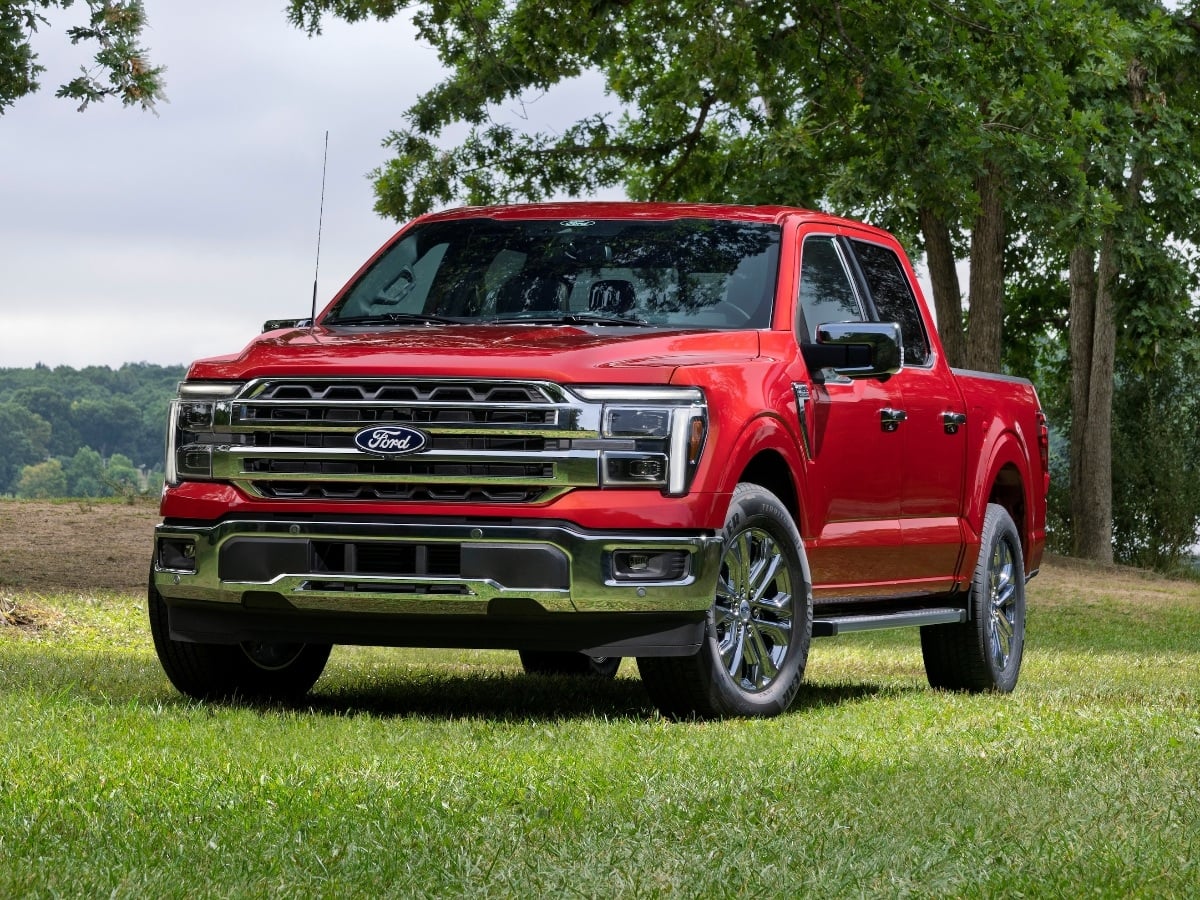
Facing renewed competition in the full-size, light duty pickup truck segment, the 2027 Ford F-150 receives subtle styling updates, a new standard engine, broader availability of its 5.0-liter V8, and ...See More
Read the Full Article
The 2027 Civic Type R goes on sale in October 2026, and it starts at $49,990, including the $1,295 destination charge.
Read the Full Article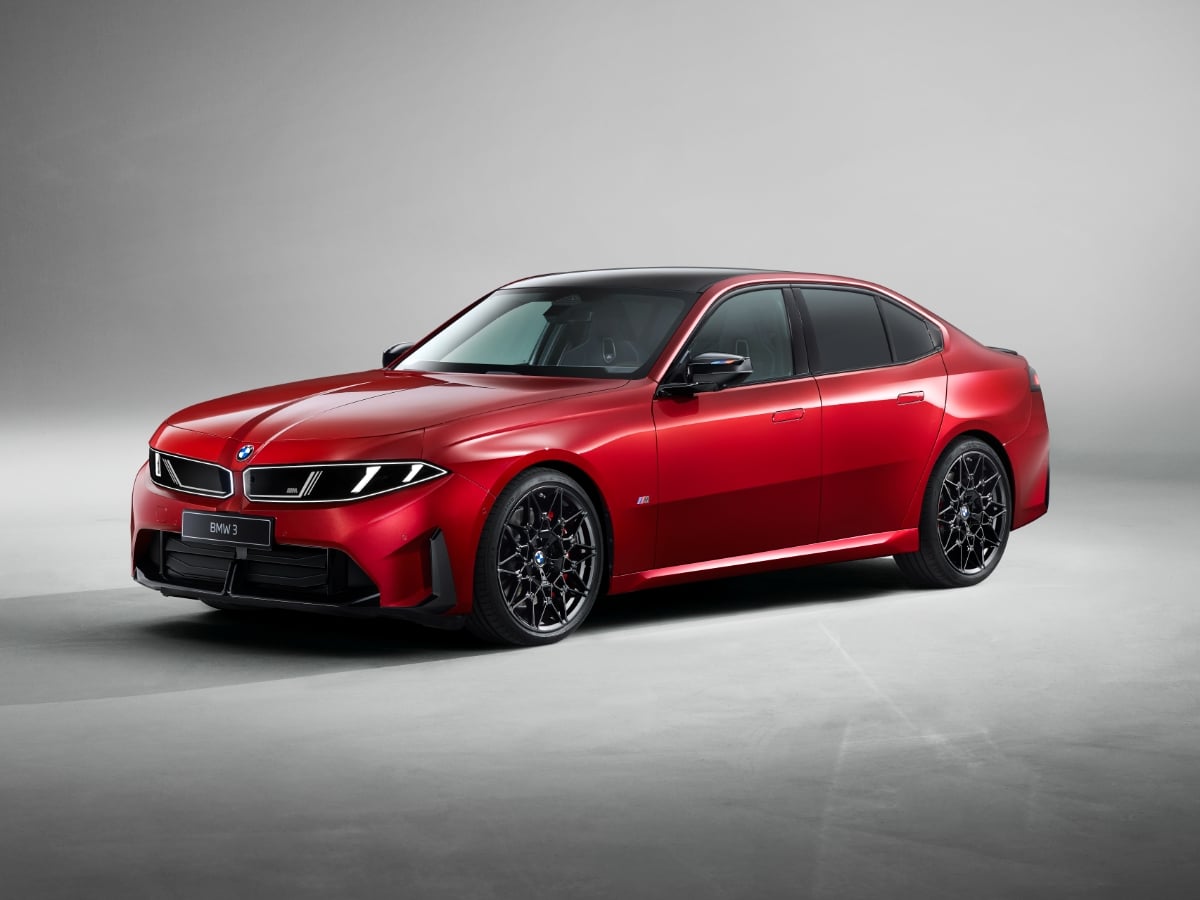
Part of BMW’s Neue Klasse (new class) rollout of redesigned models, the 2027 BMW 3 Series is all-new and goes on sale in the first quarter of 2027.
Read the Full Article