
For many of us, protecting the appearance of our cars is just part of the ownership experience. Maybe you’re an enthusiast who obsesses over every detail, a lessee intent on avoiding excess wear-and-tear charges, or one of an increasing number of folks who seldom drive due to a work-from-home arrangement. Where you fall on that spectrum will dictate the amount of time and money you’re willing to spend, and whether an expensive ceramic coating is a worthwhile investment.

To understand ceramic coatings, it’s helpful to first look at the most common paint-protection products.
Wax is organic and the most affordable, available in various forms ranging from an old-school paste to a quick-and-easy spray. For decades, “waxing” a car has been synonymous with keeping it looking shiny and new. Unfortunately, wax isn’t terribly durable and, therefore, should be applied multiple times per year. Some companies claim otherwise but environmental contaminants and even a harsh soap can easily break through that thin wax barrier.
Unlike wax, paint sealants are developed to last several months. The synthetic composition of paint sealants adds substantial durability over waxes composed of natural elements. This enables the paint sealant to not only last longer, but also to better shield the paint from mud, chemical detergents, and high temperatures. Although sealants are more easily applied, they typically don’t offer the same deep shine one gets from a quality wax.
Both waxing and paint sealants offer affordable short-term solutions, but ceramic coating outmatches their durability.
Ceramic coating is a silica-based liquid polymer applied by hand over the vehicle’s paint. Once the coating cures, it forms a protective layer that guards the paint from road and weather elements. When properly maintained, the coating can be effective for several years – substantially outlasting waxing and paint sealants.
Long-lasting protection is the main reason car owners choose a ceramic coating over the other options. Essentially a hard shell, a ceramic coating will prevent water stains, road grime, bird droppings, and other substances from reaching and harming the paint. With a quick rinse, they’ll simply slide right off.
And that brings us to an interesting word: hydrophobic. Typically, anything related to “phobic” has a negative connotation, but in this case, it’s all positive. A ceramic coating will create a hydrophobic layer that essentially repels water, meaning mineral deposits and dirt have less opportunity to damage the paint surface.
Unfortunately, ceramic coatings are not ideal for everyone, primarily due to high costs. Unlike a wax, for example, a ceramic coating adheres to and bonds with a car’s paint and cannot simply be wiped off and reapplied. The process is more akin to applying stain to a piece of wood, where the application needs to be smooth, consistent, and, for the best results, performed by an experienced professional. If a mistake is made, or if something touches the surface before it has fully cured, an entire section of the car must be wet sanded and the coating reapplied.
While the price of ceramic coating kits is less than $100, proper preparation can make this an expensive endeavor. Since the coating will magnify any imperfections, you must first laboriously polish the paint to remove any swirls, scratches, or discoloration. Experts claim that’s even true for brand-new cars fresh off of a dealer’s lot, as they likely have slight paint damage from being run through an automatic car wash.
With this in mind, you may not be surprised to learn that a professional may charge $1,000 or more to apply a ceramic coating to your vehicle. We don’t recommend the average do-it-yourself attempt on a car of any value.
Perhaps more significant than the cost of a ceramic coating are the unrealistic expectations some people have with regard to the result. Granted, ceramic coatings offer unrivaled protection, but your car won’t suddenly have an impenetrable barrier. Stones will still chip your paint, rogue shopping carts will absolutely dent your fender, and tree sap left to bake on the hood will laugh at your $1,000 silica-based polymer.
Given the substantial cost of ceramic coating, you will want to follow proper maintenance protocols to get the most out of this investment. Once the coating is applied, avoid washing the car for the first week to ensure it is fully cured. It is also a good idea to keep the vehicle covered if it rains during this time.
Regularly washing your vehicle, especially during the winter, will extend the life of the ceramic coating. Depending on the type of vehicle and value, it may make sense to have it washed by a professional experienced with ceramic-coated cars.
When washing a car with ceramic coating, it is recommended to use a pH-neutral car shampoo that removes dirt and grime from the vehicle while protecting the clear coat. Brush-free washes are also advised to avoid swirls and scratches. Water-absorbing microfiber towels are also recommended for drying the vehicle to prevent water spots after washes.
Ceramic car coating is one of the most durable methods for protecting your vehicle’s paint. Composed of a silica-based liquid polymer, ceramic coating shields the paint from water stains, road elements, and other items. Although more expensive than other paint protection services like waxing and paint sealants, ceramic coating is more effective and lasts years longer.


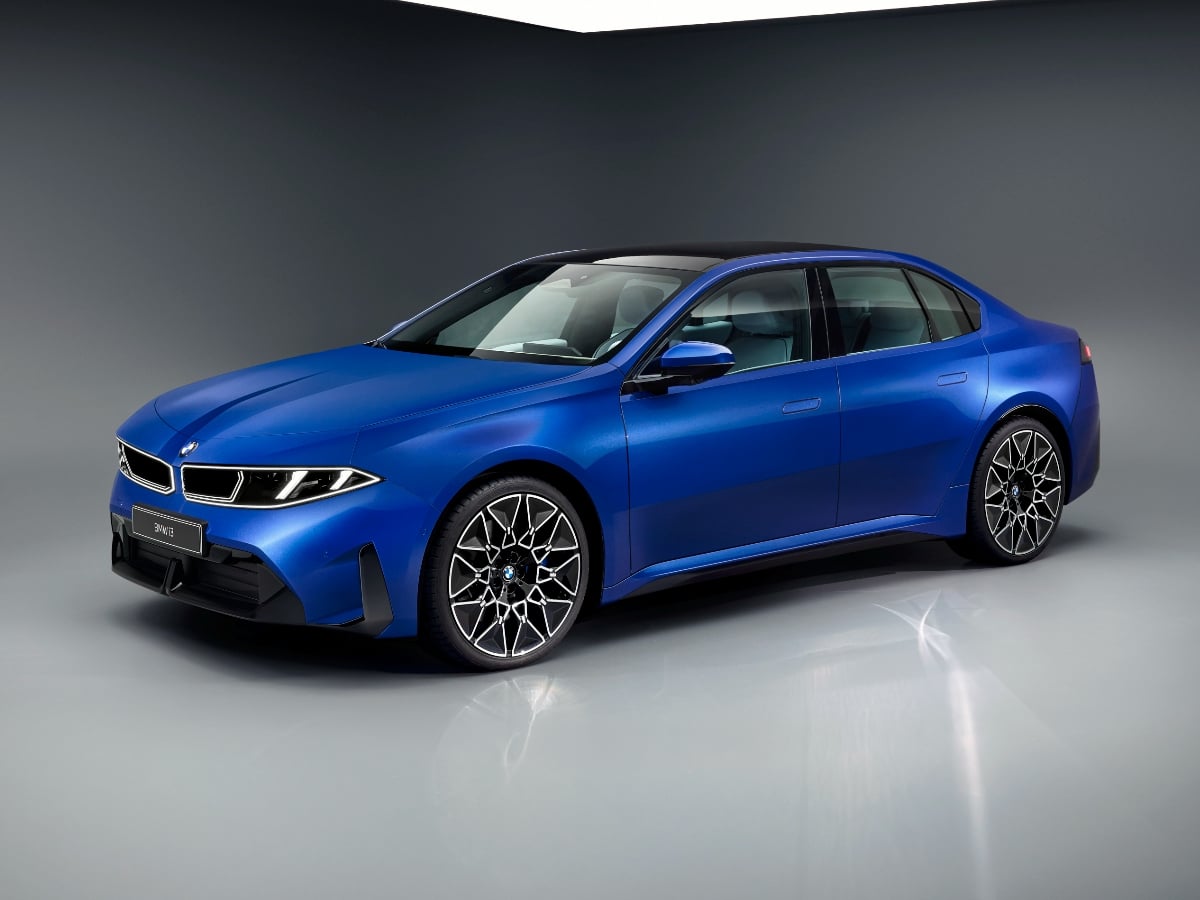
The new 2027 BMW i3 boasts an estimated range of up to 440 miles, 400-kilowatt DC fast charging capability, bidirectional charging to a home or the grid, and next-generation technology.
Read the Full Article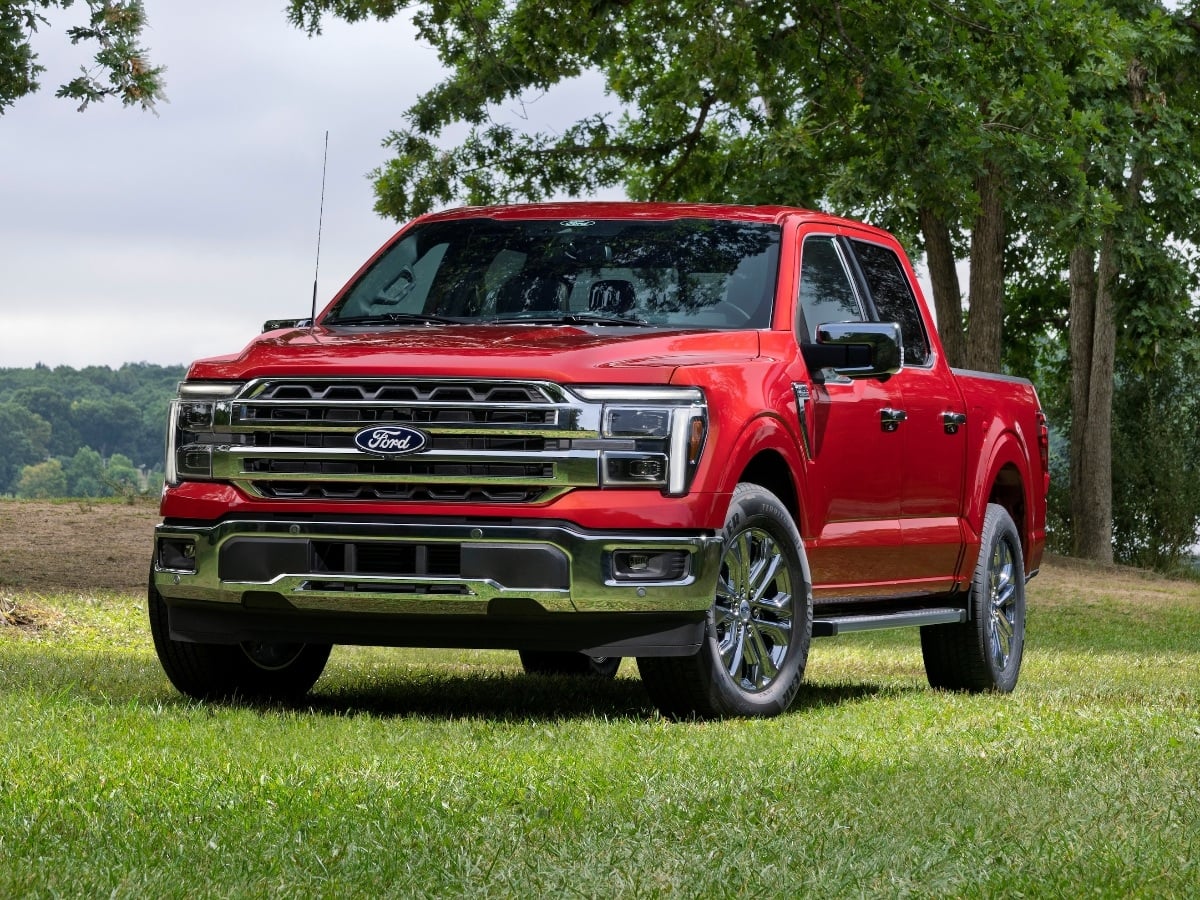
Facing renewed competition in the full-size, light duty pickup truck segment, the 2027 Ford F-150 receives subtle styling updates, a new standard engine, broader availability of its 5.0-liter V8, and ...See More
Read the Full Article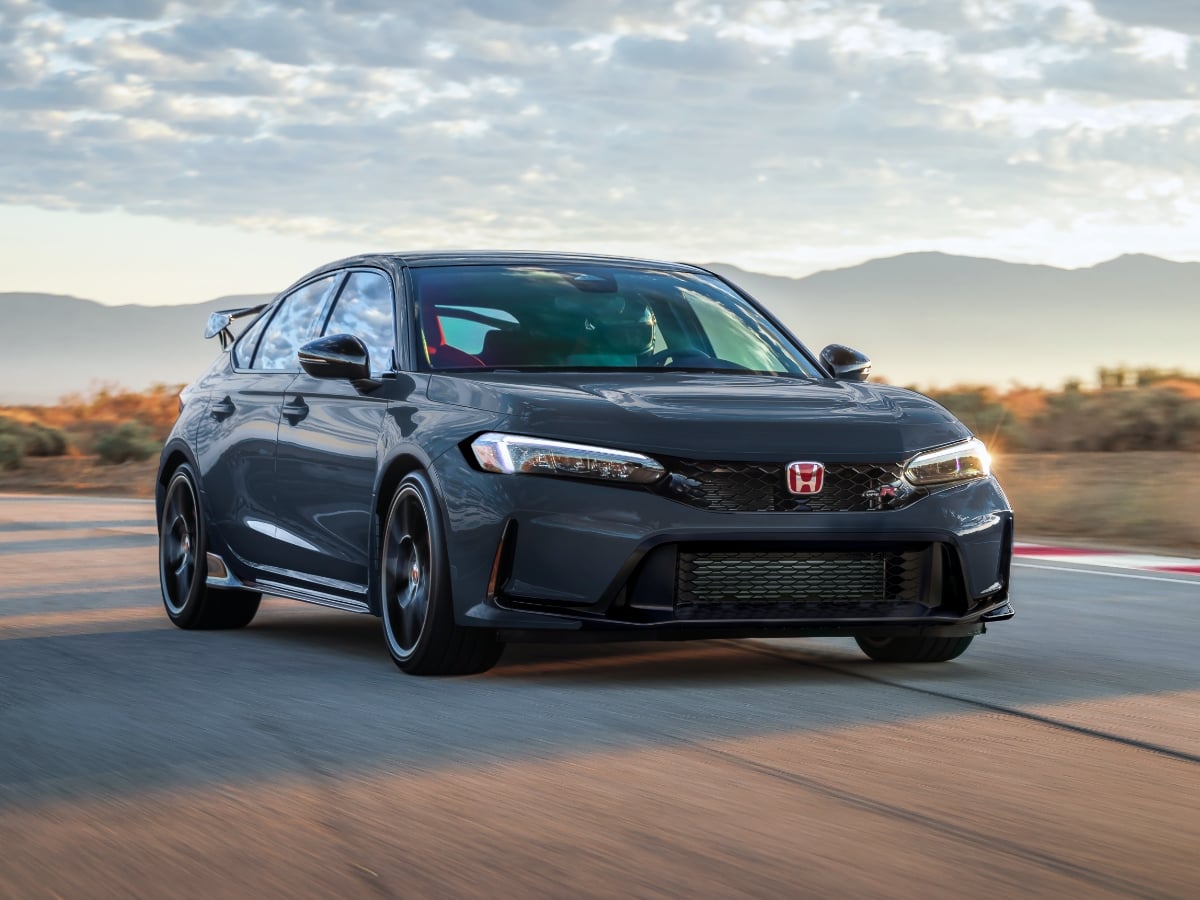
The 2027 Civic Type R goes on sale in October 2026, and it starts at $49,990, including the $1,295 destination charge.
Read the Full Article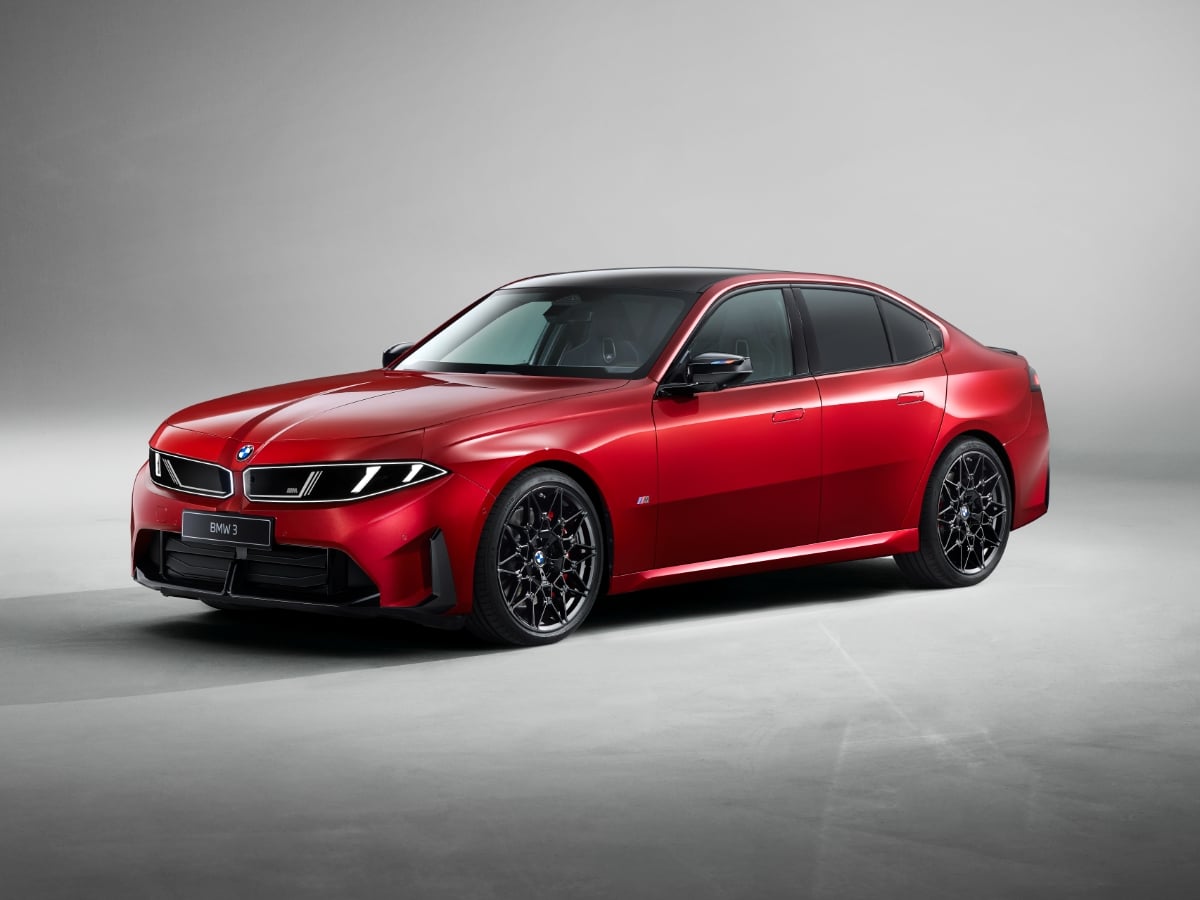
Part of BMW’s Neue Klasse (new class) rollout of redesigned models, the 2027 BMW 3 Series is all-new and goes on sale in the first quarter of 2027.
Read the Full Article