
Given the ubiquitousness of gasoline, most Americans know the cost of filling their gas tank. However, many are curious about the cost of charging an EV. Let’s explore why EVs are more efficient than internal combustion engine vehicles and examine different EV charging methods and costs.
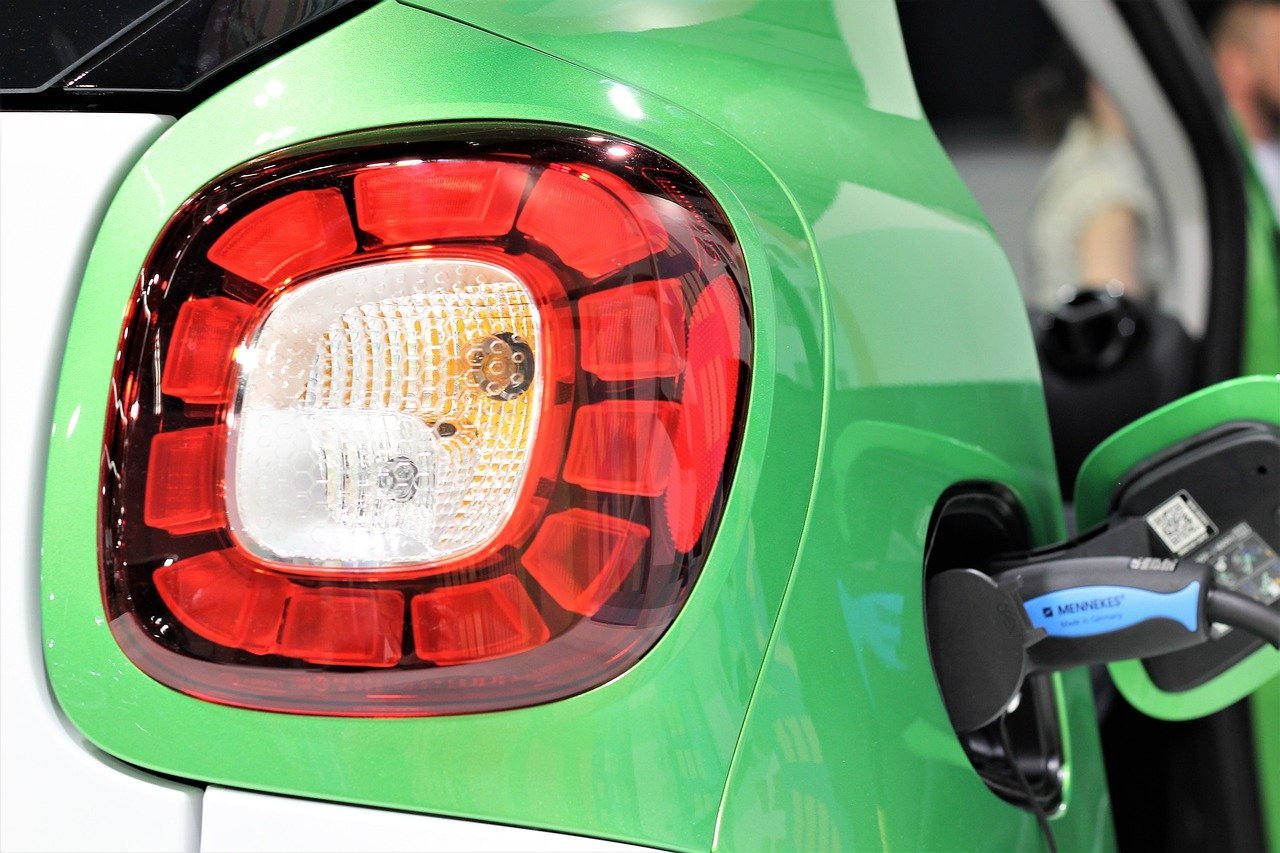
EVs have impressive performance, low running costs, and don’t produce tailpipe emissions. But why are they so efficient?
EVs directly convert electricity into movement, whereas an internal combustion engine vehicle burns fuel to produce heat to create propulsion. This allows EVs to be 70% more efficient than their ICE counterparts. Secondly, the energy is recovered and returned to the battery when an EV brakes, enabling quick acceleration and efficient operation.
When calculating the cost to fuel a gas-powered vehicle, you likely think of miles per gallon (MPG). For instance, if your car averages 20 miles per gallon and gas prices are $4 per gallon, then it costs you 20 cents per mile. Thus, if you travel 300 miles it costs $60 in gas.
With measuring EV efficiency, the calculation is based on electricity consumption and the primary unit of measurement is kWh or kilowatt-hour — kilowatt measures electric power. The higher the kW rating, the higher the power. The kWh rating defines both the power of the charging station and the EV’s charger.
Your mileage is directly dependent on your battery capacity. Most EVs travel three to four miles per kilowatt-hour (kWh) of energy. If your vehicle’s range is 300 miles, a full recharge would require 75-100 kWh.
Generally, there are two EV charging options: home charging and public charging. Home charging requires an upfront investment but offers long-term benefits, while public charging stations provide the convenience of faster charging.
There are two home charging speeds: Level 1 and Level 2. All EVs are supplied with a Level 1 home charging cable that plugs into a 120-volt wall outlet and charges about three to six miles into your car per hour.
To achieve faster charging, many owners install Level 2 chargers which are wall-mounted panels with a 240-volt circuit. They deliver about 20-40 miles of range per hour but cost at least $500 for the unit, not including installation. Fortunately, Level 2 home charger installation is more approachable thanks to the Inflation Reduction Act which grants tax credits for home chargers. This credit covers 30% or up to $1,000 of the purchase and installation costs for home charging.
Location impacts EV charging costs regardless of public or residential charging. The United States Energy Information Administration (EIA) calculates state-by-state and region-by-region cost per kWh of electricity. For July 2024, the US averaged 16.62 cents per kWh for residential end users. On the high end, California averaged 32.56 cents per kWh while Louisiana and Utah averaged under 12 cents per kWh.
Thus, if you drive a Tesla Model 3 that takes 25.5 kWh to drive 100 miles and live in Utah (11.91 cents per kWh), then your cost to drive 100 miles when charging at home is $3.03. However, if you live in California (32.56 cents per kWh), it would cost $8.30 to travel 100 miles.
Public charging stations are equipped with Level 3 chargers or DC fast chargers, capable of adding a significant range to your EV in a fraction of the time of home charging. Although typically more expensive per charge, identifying the exact price is challenging because different charging stations have their own “counting practices.” Some stations bill by kWh of energy while others bill by minute of charging time.
As an example, Level 3 charging can cost 30 to 48 cents per kWh. Thus, it costs around $7.65 to $12.24 per 100 miles to charge a Tesla Model 3 (at 25.5 kWh). Although pricier than home charging, Level 3 charging can increase your battery charge from 26% to 95% in about 49 minutes. This is particularly convenient when on long trips. For most daily commutes, leaving your EV plugged in overnight to your home Level 1 or Level 2 charger suffices.
While EVs generally take longer to “refuel” than gas-powered cars, you can save a bit of money in the long run. Compared to DC fast chargers, wall-mounted panels or cables that come with your car will help you save even more, albeit you sacrifice some convenience. Moreover, tax credits for home charging can add to further savings.
Consider acquiring a paid membership if you want to use charging stations. It will reduce your costs and allow you to charge your car quickly at a lower rate.
Matt Yantakosol is a lifelong automotive enthusiast and former consultant focused on the consumer aspect of the industry. He has traveled to New York, Detroit, Chicago, L.A., Paris, Geneva, Frankfurt, and Tokyo Auto Shows to track and observe the newest industry innovations. In addition to JDPower.com, Matt's writing has appeared on Pcarmarket.com.


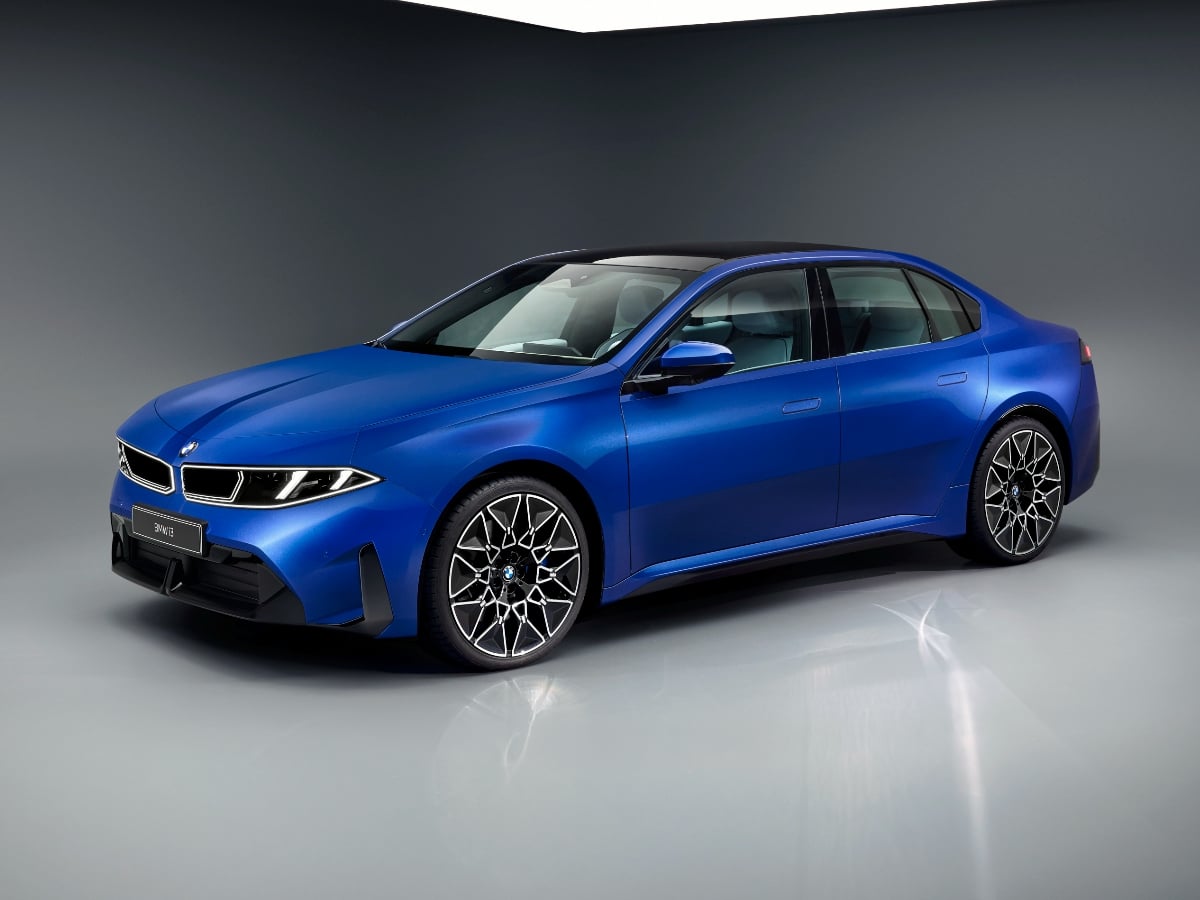
The new 2027 BMW i3 boasts an estimated range of up to 440 miles, 400-kilowatt DC fast charging capability, bidirectional charging to a home or the grid, and next-generation technology.
Read the Full Article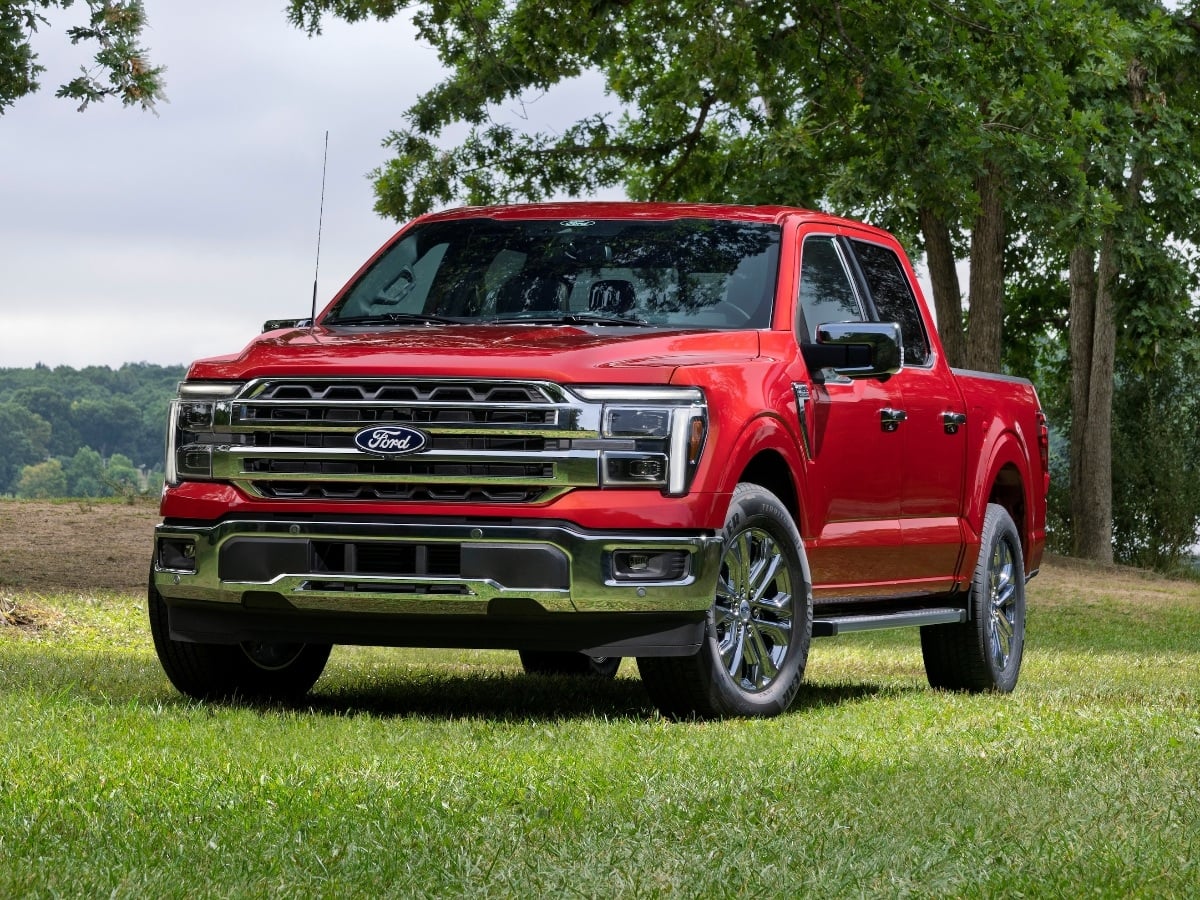
Facing renewed competition in the full-size, light duty pickup truck segment, the 2027 Ford F-150 receives subtle styling updates, a new standard engine, broader availability of its 5.0-liter V8, and ...See More
Read the Full Article
The 2027 Civic Type R goes on sale in October 2026, and it starts at $49,990, including the $1,295 destination charge.
Read the Full Article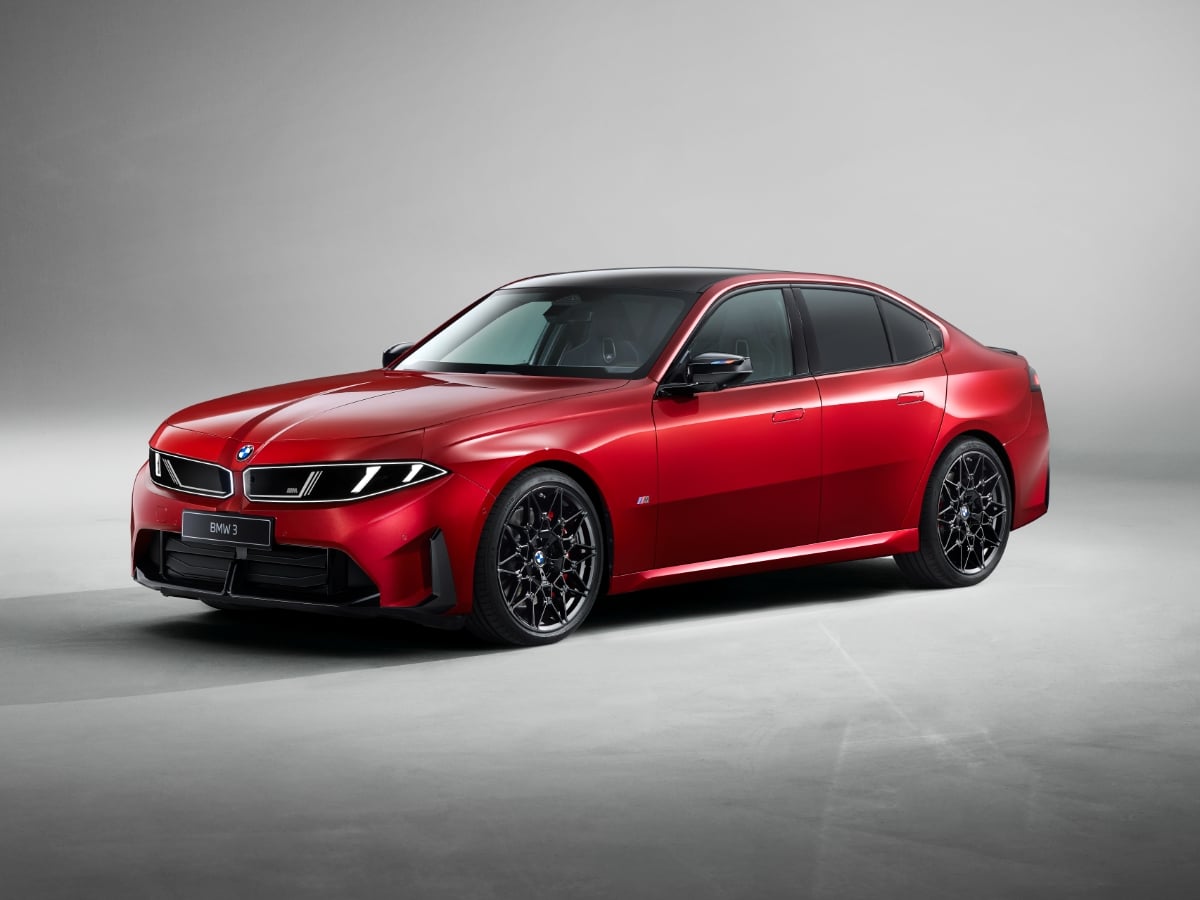
Part of BMW’s Neue Klasse (new class) rollout of redesigned models, the 2027 BMW 3 Series is all-new and goes on sale in the first quarter of 2027.
Read the Full Article