
There are many important characteristics to consider when buying a car. First, there’s speed or horsepower, which should always correlate with your needs. Then there’s the payload that always excites people who like to go on long trips. And above all, technological capabilities because some people like monitors in the back of their seats, or enjoy driving hybrids and electric cars.
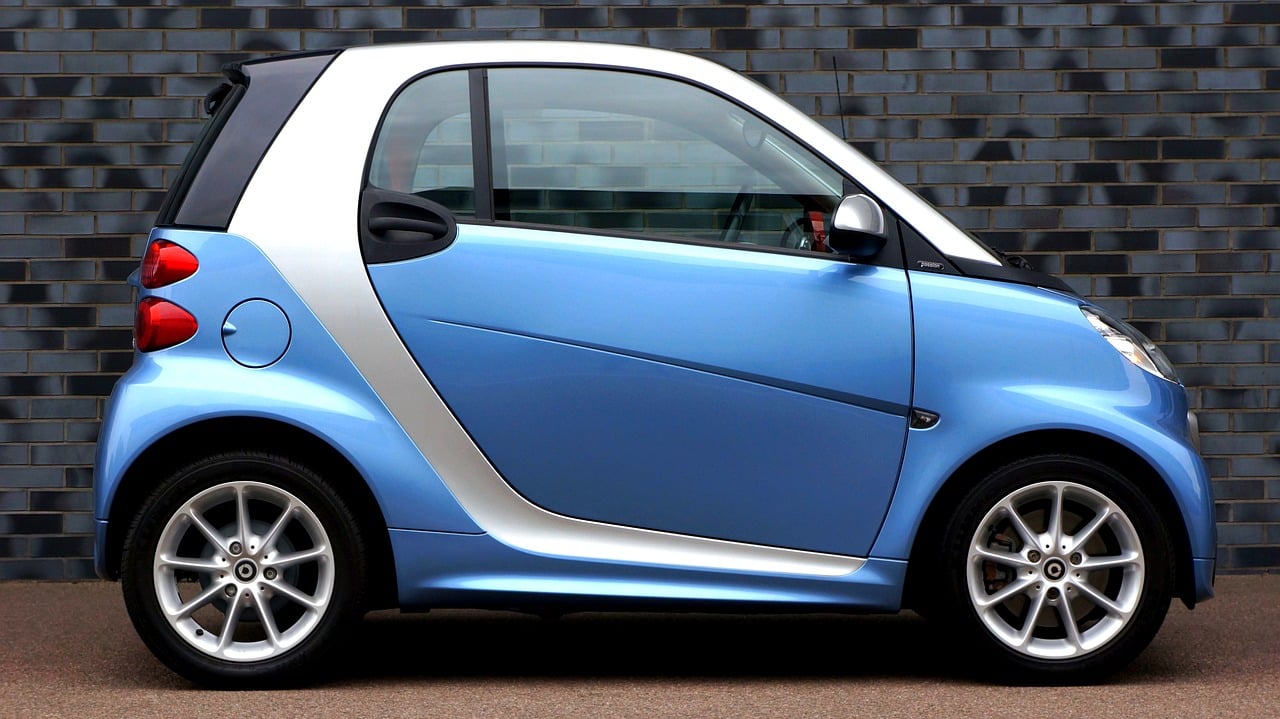
However, one particular parameter is always glossed over - the weight. Most consumers don’t think it’s all that important, and most of the time, they’re right. More popular car models have quite an average weight, which shouldn’t matter much, especially if you drive around the city and from home to work.
But car weight is crucial, and knowing the whys can bring various benefits to the driver, even when talking about something as compact as a smart car.
As we mentioned, smart cars are tiny and compact vehicles that promote efficiency, especially in available space. Precisely because of that, these autos sparked much debate in 1998 after their introduction. There were concerns over safety as something so small could easily fold in half in an accident.
But as the years passed, traffic regulations became strict with multiple ways to reinforce them, while the cars were outfitted with various technologies (Cruise Control, ESC). Today weight doesn’t affect safety negatively, so you shouldn’t worry too much.
So, how much does a regular smart car weigh? Well, usually, it’s somewhere around 1,500 pounds without the driver, but the poundage varies between versions. As you can imagine, these vehicles are incredibly light and, thus, feel different on the road. But why is it so important to know how much your automobile weighs?
Knowing your car’s weight brings about various benefits, which include and are not limited to:
Knowing your car’s poundage is quite essential, so you should know how to learn this important information. The general car weight guide is not an excellent source for that, so you can try to do a couple of things.
Your car manual should have a specification section where the curb weight, vehicle’s poundage without passengers or cargo, is given. Alternatively, you could check the driver’s side door and find a sticker that usually contains the GVWR and curb weight.
If none of that works, navigate to the manufacturer’s website and find your model and specifications. But if even that doesn’t solve your problem, have your automobile weighed at an inspection center or a junkyard.
Even though smart cars are incredibly light, knowing how much your vehicle weighs is crucial. This parameter affects fuel economy, maintenance, auto safety, maximum payload, GVWR, and your maintenance routine. This proves that knowing your vehicle’s weight is quite useful.
So, if all that motivated you to seek out information about your vehicle’s weight, by all means, do so. Use the advice we gave you, and you should have no trouble in doing exactly that.


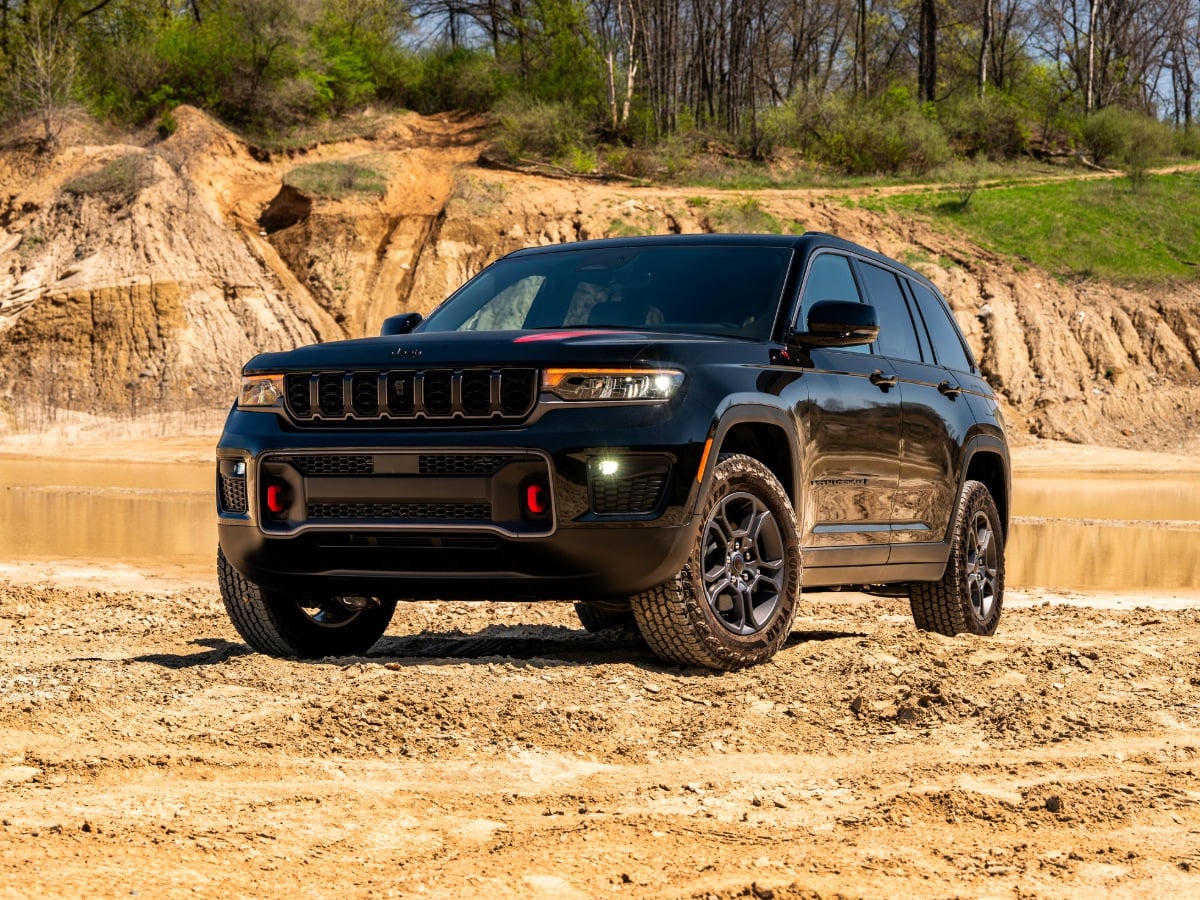
Following a refresh for the 2026 model year, the 2027 Jeep Grand Cherokee lineup brings back two familiar variants, the go-anywhere Trailhawk and the premium-yet-capable Overland, offering buyers ...See More
Read the Full Article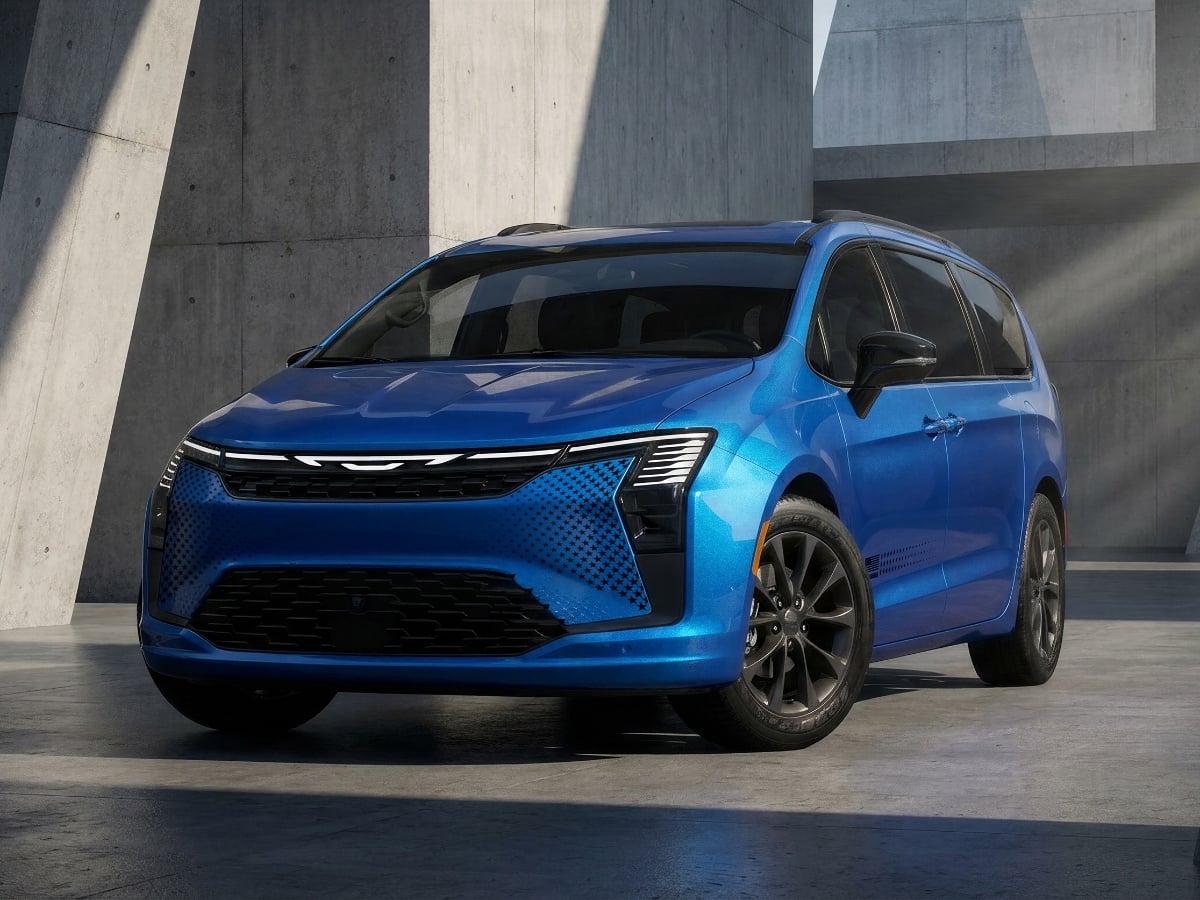
Chrysler, the company that launched the modern minivan segment in 1984, is giving its popular 2027 Chrysler Pacifica a nose job and introducing a special edition commemorating America’s 250th ...See More
Read the Full Article
An all-new GMC Sierra 1500 debuts for the 2027 model year, featuring next-generation V8 engines, a premium interior with wide digital displays, and class-exclusive luxury and technology features on ...See More
Read the Full Article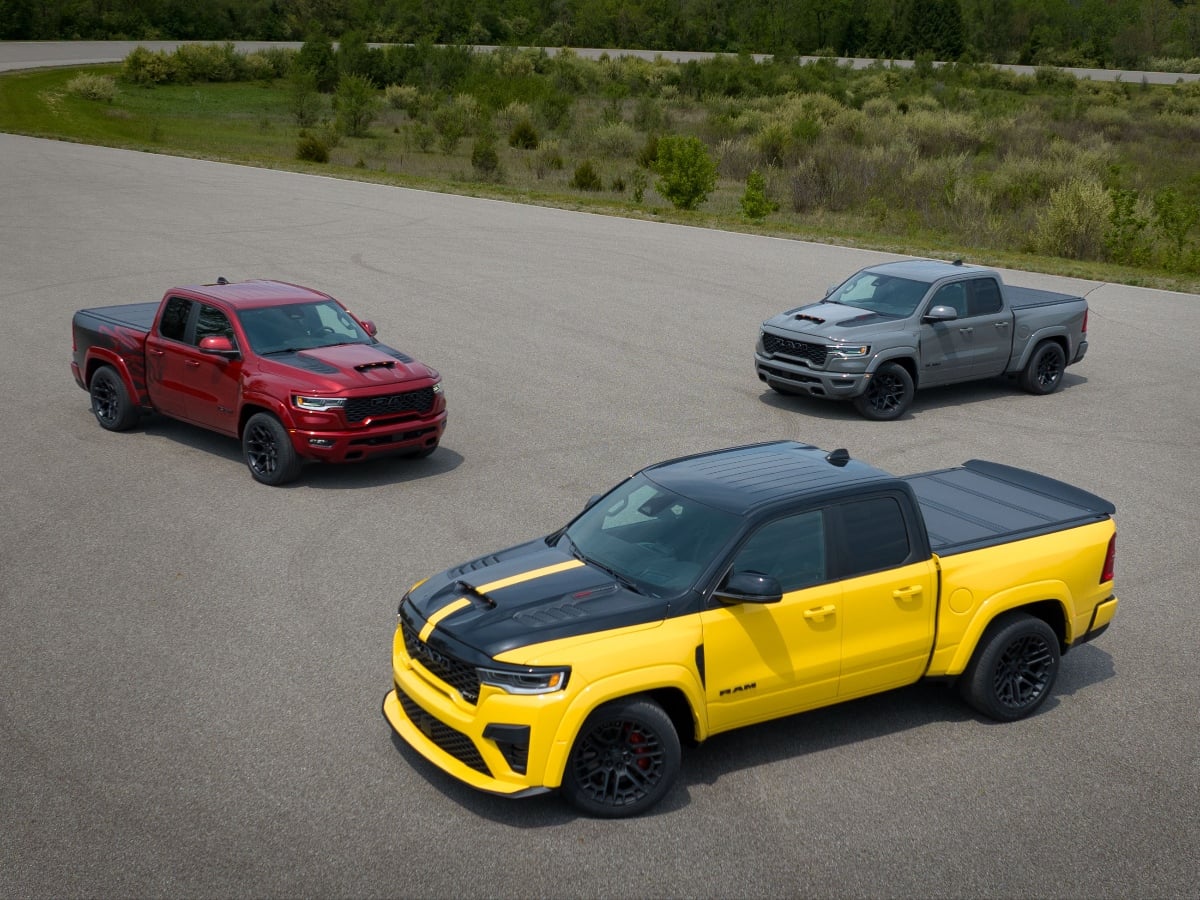
With the 2027 Ram 1500 Rumble Bee, Ram aims to revive the domestic muscle truck segment by offering a trio of Hemi V8 engines, including the 777-horsepower Rumble Bee SRT.
Read the Full Article