
In most automobiles, heat is inevitable. That's because an internal combustion engine (ICE) powers most vehicles. In an ICE, fuel burns to create power, and the process releases heat. A lot of heat. If improperly managed, that heat can threaten the longevity of the engine and even your health. So, determining how long it takes your engine to cool down is worth understanding.

In an internal combustion engine, combustion is the rapid oxidation of fuel within each of the engine's cylinders. Three components are necessary for combustion: fuel, an oxidizing agent (oxygen), and a spark. Each engine cylinder has a spark plug, and the spark from the plug initiates the combustion process, which generates mechanical power, heat, and exhaust gases.
Combustion is a series of tiny, continuous explosions inside your engine, and the pint-sized fires generate lots of heat. A gasoline-fueled engine can produce exhaust gases reaching temperatures as high as 1,400 degrees Fahrenheit.
Compared to diesel fuel, gasoline burns hotter, is quicker to ignite, and has a lower air-to-fuel ratio. Diesel engines burn fuel between 500 and 800 degrees Fahrenheit, which is still a great deal of heat.
To remove that heat from the engine, the exhaust manifold and the exhaust pipe channel the fumes out of the engine to remove hot exhaust gases. The engine's cooling system removes the remaining heat generated by the combustion process, allowing it to run at a safe temperature.
The cooling system includes a radiator, cooling fan, and hoses that carry coolant to and through the engine block and head(s). As the coolant circulates, it absorbs heat from the engine and is cooled as it passes through the radiator. The process is continuous when your engine is running.
The temperature of an engine's coolant is an indicator of the engine's health. When a gasoline engine approaches its coolant temperature limit, it requires immediate maintenance. If a gasoline engine exceeds its coolant temperature limit and overheats, repairs are likely necessary to restore it to proper operating condition.
Significant problems can occur if the cooling process malfunctions. An increase in the engine's temperature can cause major damage to expensive components and lead to total engine failure. This potential for failure is why, if a warning light on your dashboard says that your car is overheating, you need to take that warning seriously.
When an engine is overheating, it could "seize up." This means the engine has become so hot that some of its internal parts weld themselves together, preventing the engine from operating. If this magnitude of failure occurs, it isn't just expensive. It is also potentially dangerous because your vehicle could instantly lose power.
Under normal circumstances, it takes a minimum of 30 minutes for an overheated engine to cool down to a temperature where it is safe to inspect and work on. It is essential to remember that the engine coolant, the radiator, and the engine itself are scalding hot during the first part of the cooling process. If you do not wait until the engine cools down to perform an inspection and try to resolve the problem, you risk serious injury.
With the engine turned off and the car stationary, heat reduction is proportional to the temperature difference between the surrounding environment and the engine. When the engine cools down close to the air temperature surrounding it, the amount of convection cooling will diminish significantly, which is why it takes several hours for an engine to cool to the ambient temperature.
Engines with aluminum blocks usually cool much quicker than engines with cast iron blocks, but aluminum blocks and heads are also more prone to heat damage than those made of iron. To speed initial cooling, open the hood to increase air circulation within the engine bay.
Several malfunctions can cause a vehicle to overheat. A typical engine cooling system has four major components: a water pump, a radiator, a heater core, and a thermostat, all connected by hoses. If any of these components fail, the cooling system won’t function properly, and severe damage can result.
The failure of a coolant hose is the likely cause of an overheating problem. Although this can produce a rapid coolant leak that leads to quick overheating, it is a simple and inexpensive problem to fix as long as you pull over immediately and stop driving the vehicle.
In contrast, a water pump failure or a problem with the radiator is more expensive to repair. Other potential issues involve the cooling fan, which is sometimes engine-driven and sometimes electrical. Engine-driven fans can suffer from the failure of the fan belt, another reasonably inexpensive fix.
The critical thing to remember is that you should never drive a car that is overheating. If your vehicle starts to overheat, bring it to a safe stop away from traffic, and take sufficient time for the car to cool down before you attempt to inspect it and make repairs.
We have covered gasoline-powered engines, but what about electric vehicles? While EVs don’t generate heat through combustion, they are sensitive to high temperatures, which impacts their efficiency. Fortunately, there are mitigation tactics that EV owners can employ to preserve their EV’s battery and maximize range even in extreme heat.
Regarding range reduction, some EVs see a 20% to 30% drop in range when the temperature surpasses 95 degrees Fahrenheit. A strategy to avoid range loss is preconditioning, where the vehicle is turned on before travel to cool the cabin while still plugged in. This way the vehicle is already cooled down when you start your journey.
It is important to follow your owner’s manual recommendations on hot days. Not being proactive can result in long-term issues such as battery degradation due to repeated battery overheating. In extreme heat, the EV battery’s ions move more quickly making it challenging for the ions to attach to the cathode and anode, reducing the chemical reactions required to efficiently charge the battery. One way to avert this is to limit fast charging because it generates more rapid ion movement than wall outlet charging.
In severe heat, ions dart around the battery even when the EV is parked and turned off, which can permanently reduce range. Thus, it is best to keep EVs plugged in because charging will maintain a more acceptable temperature.
Cars generate a lot of heat to function. Engines feature cooling systems, but sometimes they malfunction. Remember to never drive a car that is overheating and always wait until the engine cools down (at least 30 minutes) to inspect it – otherwise, you risk serious injury.


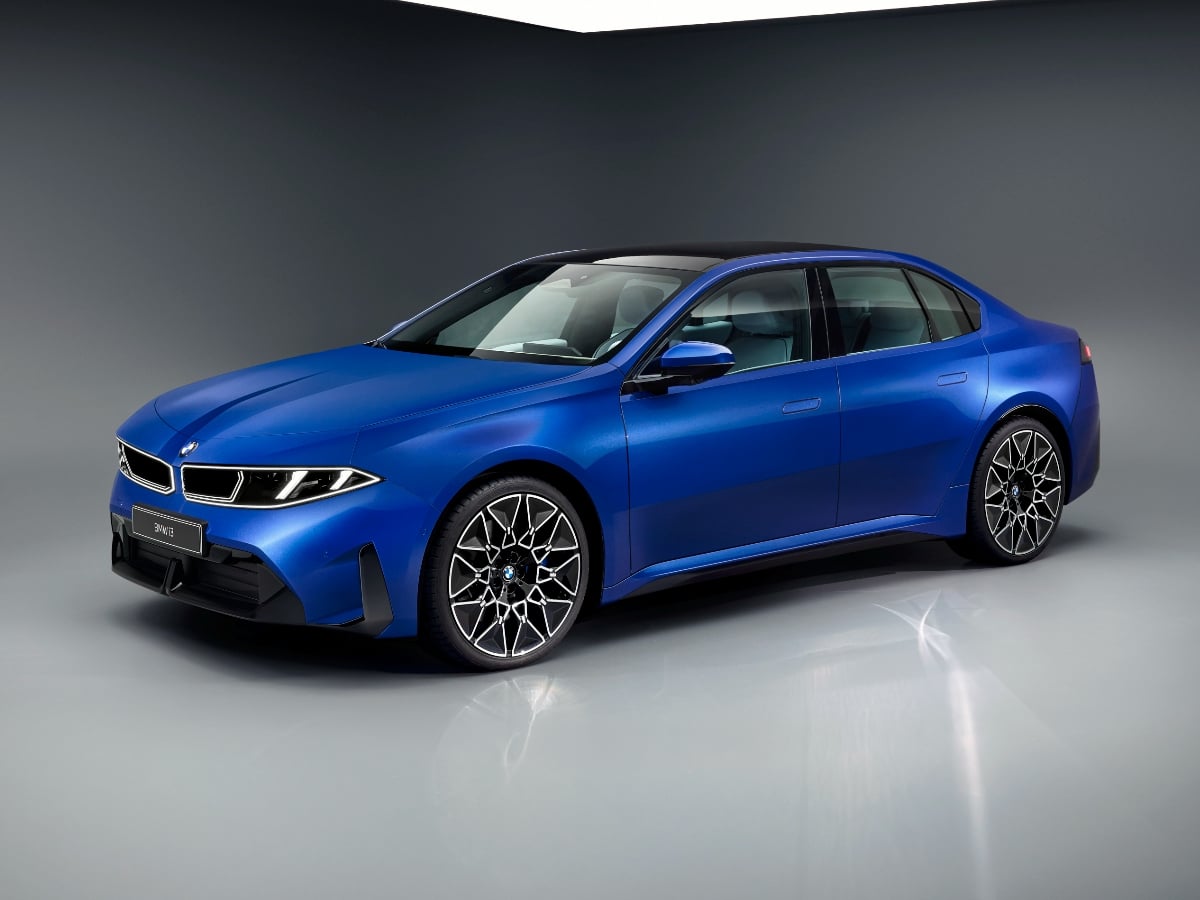
The new 2027 BMW i3 boasts an estimated range of up to 440 miles, 400-kilowatt DC fast charging capability, bidirectional charging to a home or the grid, and next-generation technology.
Read the Full Article
Facing renewed competition in the full-size, light duty pickup truck segment, the 2027 Ford F-150 receives subtle styling updates, a new standard engine, broader availability of its 5.0-liter V8, and ...See More
Read the Full Article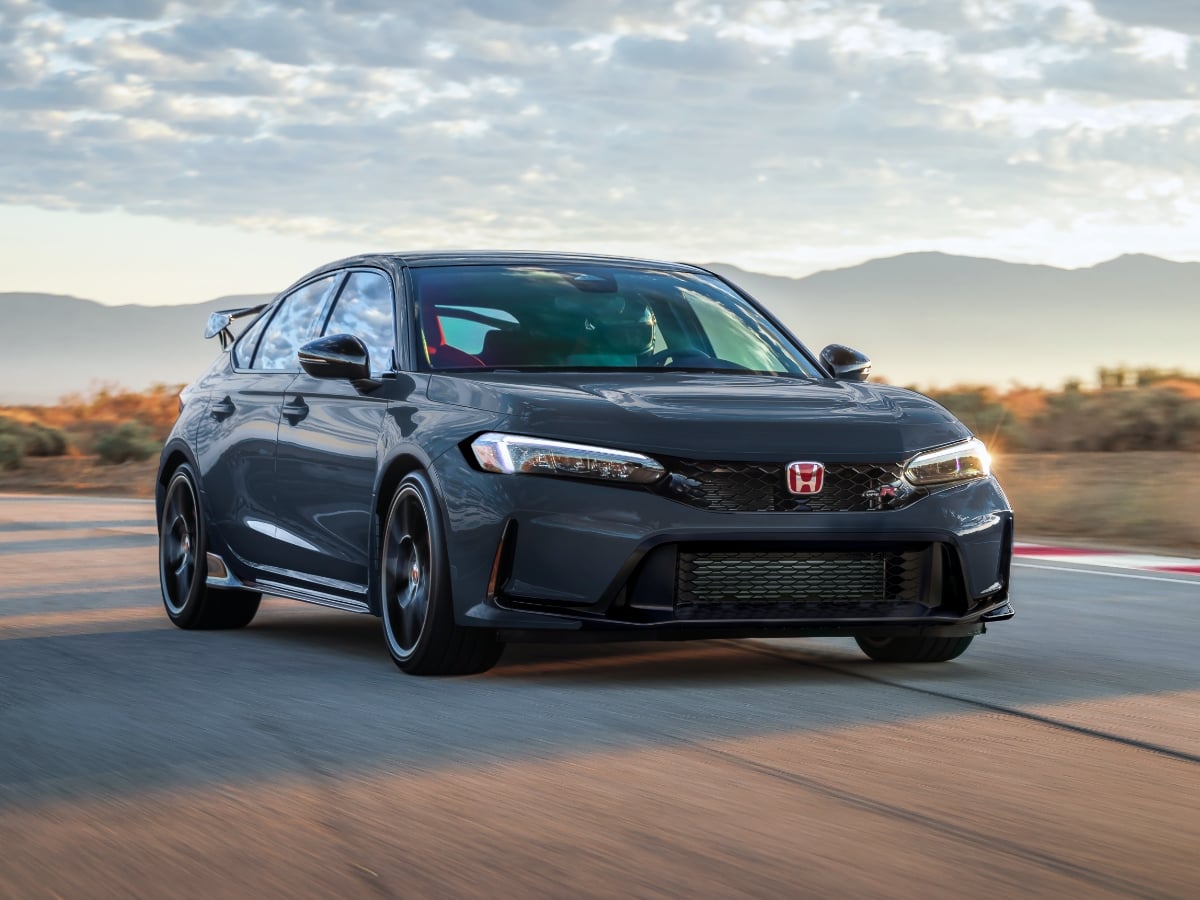
The 2027 Civic Type R goes on sale in October 2026, and it starts at $49,990, including the $1,295 destination charge.
Read the Full Article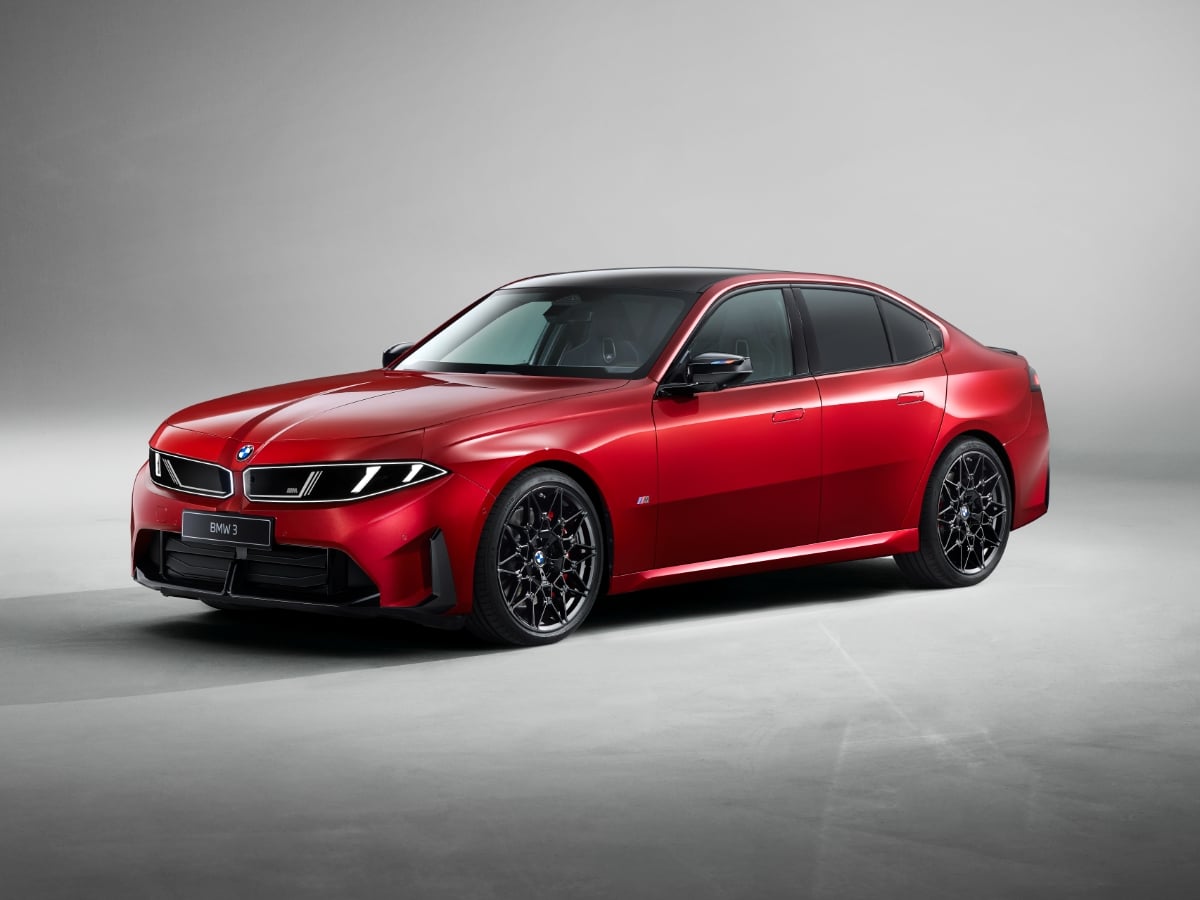
Part of BMW’s Neue Klasse (new class) rollout of redesigned models, the 2027 BMW 3 Series is all-new and goes on sale in the first quarter of 2027.
Read the Full Article