
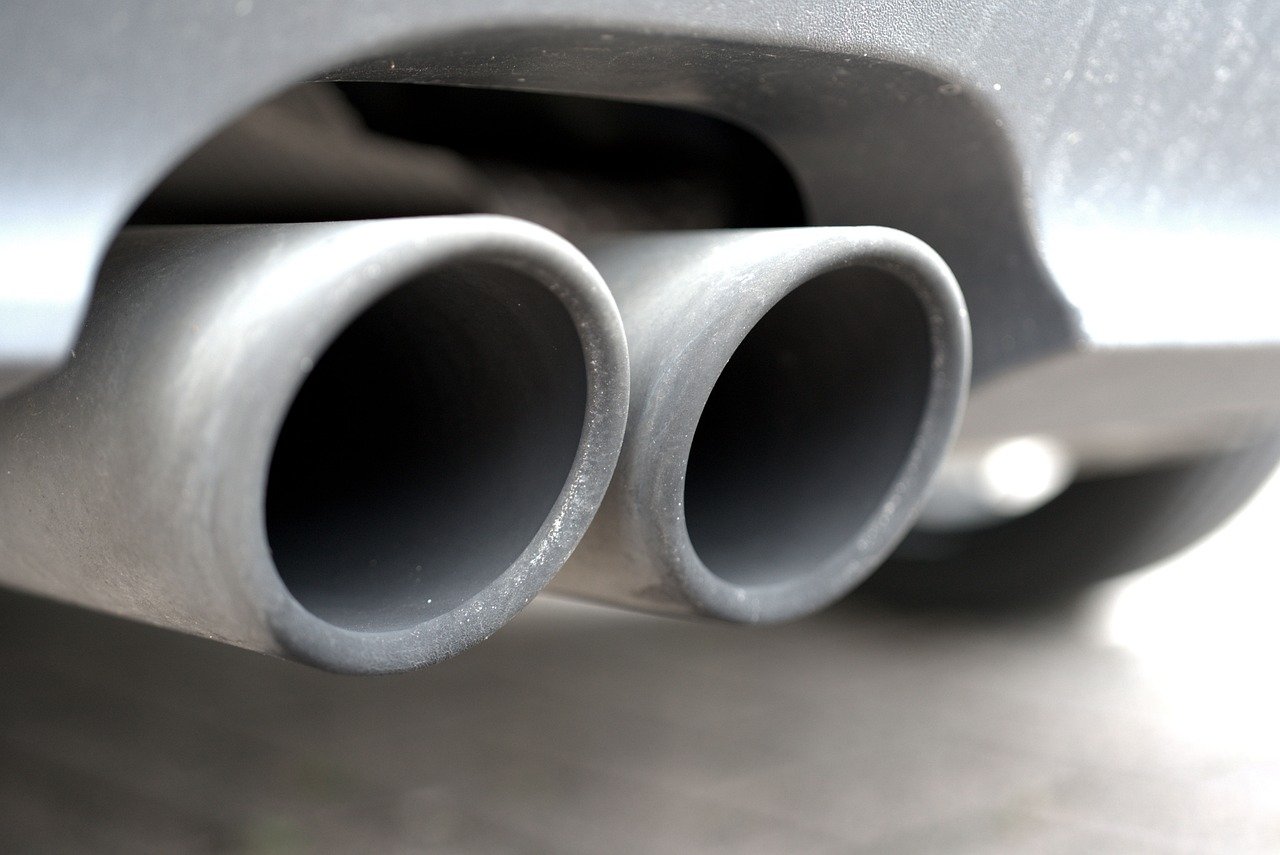
The exhaust system heats the tailpipe because the exhaust gases go straight from the engine into the exhaust manifold, and the temperature of the whole system becomes pretty high. However, only some of those temperatures are considered normal, and you should look after the exhaust system.
So, if you want to know which temperatures are normal and which aren’t, read on to find out more.
Before talking about heat, let’s take a brief detour and see how the exhaust system functions. To start with, it consists of several vital components that perform various functions:
The whole exhaust gas expelling process follows a straightforward structure. The exhaust manifold, the closest component to the engine, collects exhaust gases from each engine cylinder. Then, the converter transforms the gases into less harmful ones, and the sensor measures oxygen levels. After completion, the data is stored in the onboard computer, and the gases go through the exhaust pipe to the tailpipe. However, before they reach it, the muffler dampens the residual soundwaves and makes their exit silent.
As mentioned, the exhaust system removes toxic gases from your engine, generating a lot of heat. Typically, the car exhaust pipes reach a temperature of 400-500 degrees Fahrenheit. But some performance vehicles might have temperatures in the range of 800-1000 degrees Fahrenheit.
Generally, several factors impact the overall temperature, and they include:
No matter your current situation, if your exhaust pipe heats way beyond 1000 Fahrenheit, a couple of methods could help you reduce the temperatures. Using either exhaust wraps or heat shields, or sleeves should keep things cool enough.
Just as with house insulation, wrapping the pipe in a spiral pattern could help reduce temperatures by about 50%. Use fiberglass, basalt, or silica as wrapping material, making things more manageable with the heat.
The alternative is using a heat shield, reflecting the engine's heat. It’s usually made from aluminum or steel and placed 1-2 centimeters away from the exhaust and exhaust manifold. This small gap allows heat to dissipate faster. However, you could also try out a heat sleeve, which protects the wiring, lining, and cables from high temperatures and plays nearly the same role.
Your car has various complex systems inside, and the exhaust system is one of them. Functioning due to 6 components on the system working in tandem, it’s entirely normal for the system to heat up as the manifold takes the gases directly from the engine, with the temperature already being high.
But if the temperature goes above 1000 Fahrenheit, use the methods in the article. These should help you immensely, albeit you’ll have to do the wrapping and installing yourself. But if you’re not confident in your car tinkering abilities, drive to the nearest auto shop.



The new 2027 BMW i3 boasts an estimated range of up to 440 miles, 400-kilowatt DC fast charging capability, bidirectional charging to a home or the grid, and next-generation technology.
Read the Full Article
Facing renewed competition in the full-size, light duty pickup truck segment, the 2027 Ford F-150 receives subtle styling updates, a new standard engine, broader availability of its 5.0-liter V8, and ...See More
Read the Full Article
The 2027 Civic Type R goes on sale in October 2026, and it starts at $49,990, including the $1,295 destination charge.
Read the Full Article
Part of BMW’s Neue Klasse (new class) rollout of redesigned models, the 2027 BMW 3 Series is all-new and goes on sale in the first quarter of 2027.
Read the Full Article