
For years, government tax incentives have played a crucial role in promoting the adoption of electric vehicles (EVs). While these invaluable rebates and credits remain available to consumers, some new rule changes in 2024 affect how these incentives function and the models eligible to take advantage of them.
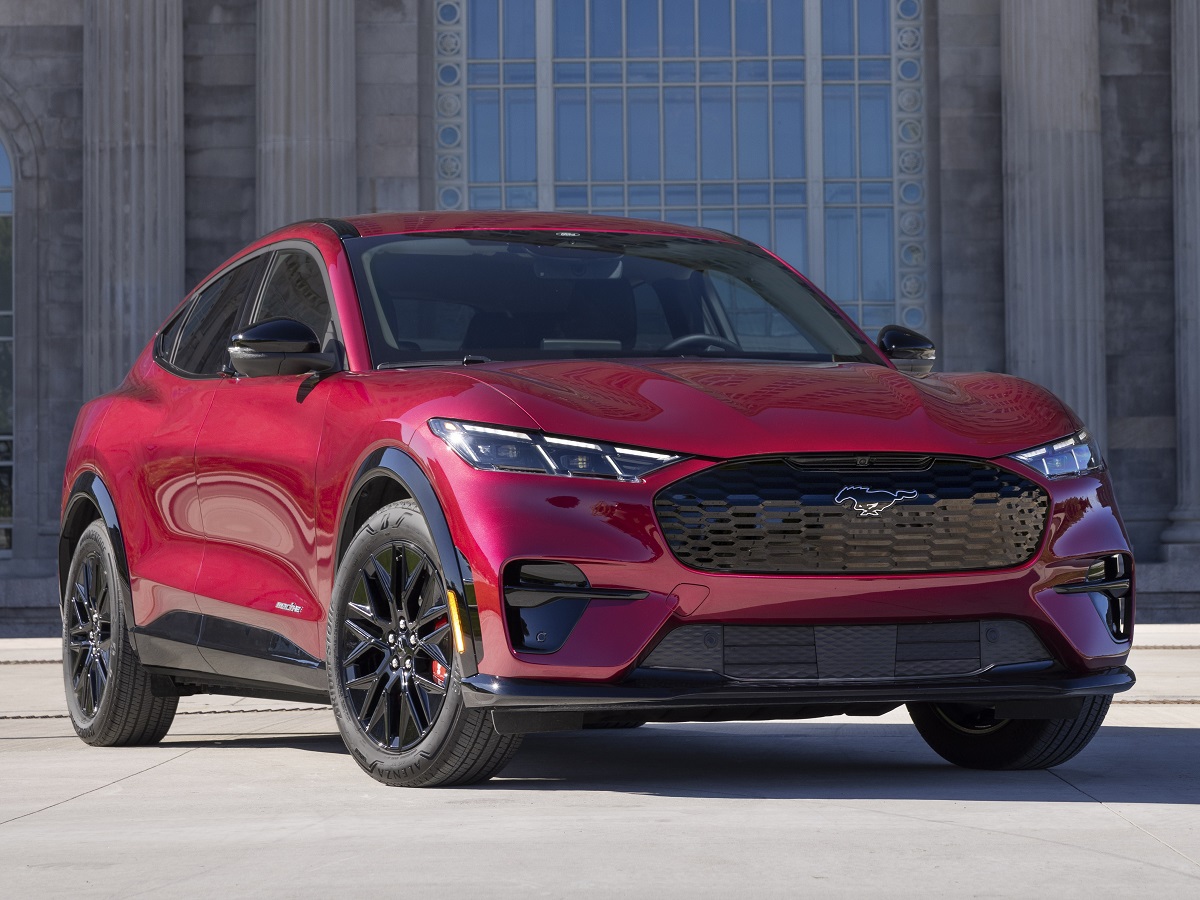
Let’s review. In simple terms, EV rebates and tax credits are financial incentives provided by federal, state, and local governments to encourage the adoption of EVs and PHEVs (plug-in hybrid vehicles). These incentives help lower the overall cost of purchasing an EV, making them more appealing to consumers.
Among the most significant incentives for EV buyers in the United States is the federal EV tax credit. As of 2024, this credit can be as much as $7,500, though the actual amount can vary based on new battery sourcing regulations.
The $7,500 credit is divided into two parts, each worth $3,750. Electrified vehicles can qualify for one, both, or neither of these credits. The first $3,750 credit focuses on sourcing raw materials used in batteries, requiring automakers to mine or process a certain percentage of critical minerals in the U.S. or partner countries.
The second $3,750 credit pertains to battery manufacturing. The rules mandate that automakers must produce or assemble a specified percentage of battery components—such as anodes, cathodes, and electrolytes—in North America.
The qualification criteria for the federal EV tax credit remain unchanged for 2024. To be eligible, you must meet certain income thresholds and ensure your chosen vehicle complies with established price limits.
In terms of income eligibility, the EV tax credit sets the following limits:
The EV tax credit also establishes price caps for qualifying vehicles. The manufacturer’s suggested retail price must be $80,000 or lower for vans, SUVs, and pickup trucks. For sedans and passenger cars, this limit is $55,000. If you're looking at used vehicles, the cap drops to $25,000.
Starting in 2024, buyers can transfer their EV tax credit directly to a qualified dealer at the time of purchase. This newly introduced option means consumers can receive an immediate discount on their vehicle instead of waiting to claim the credit when filing taxes.
To facilitate this transfer, dealers must register with the Internal Revenue Service through the Energy Credits Online platform and submit a "time of sale report" for the specific EV being purchased. Buyers can then transfer the credit to the dealer if they meet the eligibility criteria.
However, it's important to know that if your modified adjusted gross income exceeds the designated limits, you may face tax implications, including the potential need to repay any amount received. If there’s any doubt about your income, consulting a tax professional before making a purchase makes a lot of sense.
Another significant change in 2024 involves new regulations around battery sourcing. Vehicles will be ineligible for tax credits if any battery components are sourced from a "foreign entity of concern," which currently includes countries like China, Iran, North Korea, and Russia.
This requirement has made the pool of vehicles eligible for tax credits more selective. Furthermore, this regulation poses a challenge for automakers regarding their EV supply chains.
Because of changes to material sourcing requirements and sales caps, the list of models eligible for a federal tax credit is ever-changing. However, many EVs and PHEVs still qualify for a full or partial tax credit if delivered on or after January 1, 2024. For the latest information on eligible models, visit FuelEconomy.gov.
In 2024 and 2025, EV rebates and tax credits continue to play a vital role in encouraging the adoption of electric vehicles in the United States. With federal incentives reaching up to $7,500 and various state and local programs in place, consumers have many options to make EV ownership more affordable. Staying informed about evolving eligibility requirements is essential for anyone looking to purchase an EV.
To learn more about EVs, visit the Electric Vehicle Learning Center section of the website.
Jessica Shea Choksey is an experienced writer in the automotive field. In addition to JDPower.com, she was a correspondent for PBS's MotorWeek, and her work has appeared on Autotrader.


The Ford Transit is the automaker’s full-size cargo and passenger van offering, designed to serve a wide range of commercial and lifestyle applications. With 37 available configurations, the platform ...See More
Read the Full Article
The Chevrolet Tahoe is a full-size, three-row SUV with a standard V8 engine and available diesel power. Built on the same platform as the Chevrolet Silverado 1500 pickup, the Tahoe benefits from its ...See More
Read the Full Article
It is the end of the line for the Ford Escape. After 25 years as a fixture of Ford’s lineup, 2026 will be the compact SUV’s last model year.
Read the Full Article
The Colorado is Chevrolet’s midsize pickup. It ranks among the segment’s most capable trucks for payload and towing, and can be configured for both work and off-road adventures. For 2026, the ...See More
Read the Full Article