
Properly functioning headlights are essential for safe driving, especially at night or in low-light conditions.

If your headlights are not working efficiently, it can be hard to see the road and hazards ahead, increasing the risk of accidents.
As a driver, it is essential to know if the headlights of the car you are driving are aimed properly or not. How do you know this? Let’s find out.
A car headlight is a device installed on the front of a vehicle that emits light to illuminate the road ahead while driving at night or in low-visibility conditions.
Headlights are an essential safety feature required by the law in most countries. They are typically powered by the vehicle's battery and controlled by a switch on the dashboard or a lever on the steering column.
Headlights comprise a bulb or LED, a reflector, and a lens. The bulb or LED generates light, reflected and directed through the lens. The lens helps to focus the light and spread it in a specific pattern.
Modern headlights often use halogen or LED bulbs, which are more energy efficient and longer-lasting than traditional incandescent bulbs. Some high-end vehicles also have adaptive headlights, which can automatically adjust the beam pattern and intensity based on the driving conditions.
Car headlights use electricity to power a bulb or LED, which emits light. Light gets generated when electricity passes through a filament or semiconductor material inside the bulb or LED. The filament or semiconductor material becomes hot and emits light as a result.
The reflector, located behind the bulb or LED, helps to direct the light and spread it in a specific pattern. The reflector has a highly reflective material, such as chrome or aluminum, which bounces the light back toward the lens.
The lens is located in front of the bulb or LED and is made of a transparent or semi-transparent material. It helps to focus the light and spread it in a specific pattern, depending on the design of the headlight.
When the headlight gets switched on, electricity flows to the bulb or LED, causing it to emit light. The light is then reflected and directed through the lens, which helps to focus and spread the light in the desired pattern. This pattern provides maximum visibility for the driver without blinding other drivers on the road.
Headlight beam patterns are designed for different driving conditions. High-beam headlights provide a bright, wide beam of light for use on dark, open roads.
Low-beam headlights provide a less intense beam of light that is focused closer to the front of the vehicle. This beam pattern is designed to reduce glare for oncoming drivers and is used when driving in areas with street lights or other sources of light.
To determine if your headlights are properly aimed, you can perform a simple test using a wall or flat surface. Here's how:
Park your car about 25 feet away from a flat surface, such as a garage door or wall. Move ahead to turn on your headlights and ensure that both beams are aimed at the same level.
Have a look at the beam pattern on the wall or surface. The top of the beam should be at or slightly below the center of the headlight. If the beam is too high or too low, it may need to be adjusted. Check the beam pattern for each headlight separately. The beams should not overlap or cause glare for oncoming traffic.
When the beam pattern is wrong, you may need to have the headlights adjusted by a professional. This may be done at a dealership or a mechanic's shop.
Properly aimed headlights are essential for safe driving, as they help you see the road ahead and make your vehicle more visible to other drivers. If you are unsure about the aim of your headlights or have any concerns, it is always a good idea to consult a professional.
It is essential to regularly check and maintain your car's headlights to ensure that they are functioning efficiently. This includes checking the bulbs, replacing them when needed, cleaning the lenses, and adjusting the beam pattern if necessary.
Properly functioning headlights are essential for safe driving, especially at night or in low-light conditions.
Car headlights use electricity to power a bulb or LED, emitting light. Light gets generated when electricity passes through a filament or semiconductor material inside the bulb or LED.
Properly aimed headlights are essential for safe driving, as they help you see the road ahead and make your vehicle more visible to other drivers. It is vital to regularly check and maintain your car's headlights to ensure that they are functioning efficiently.


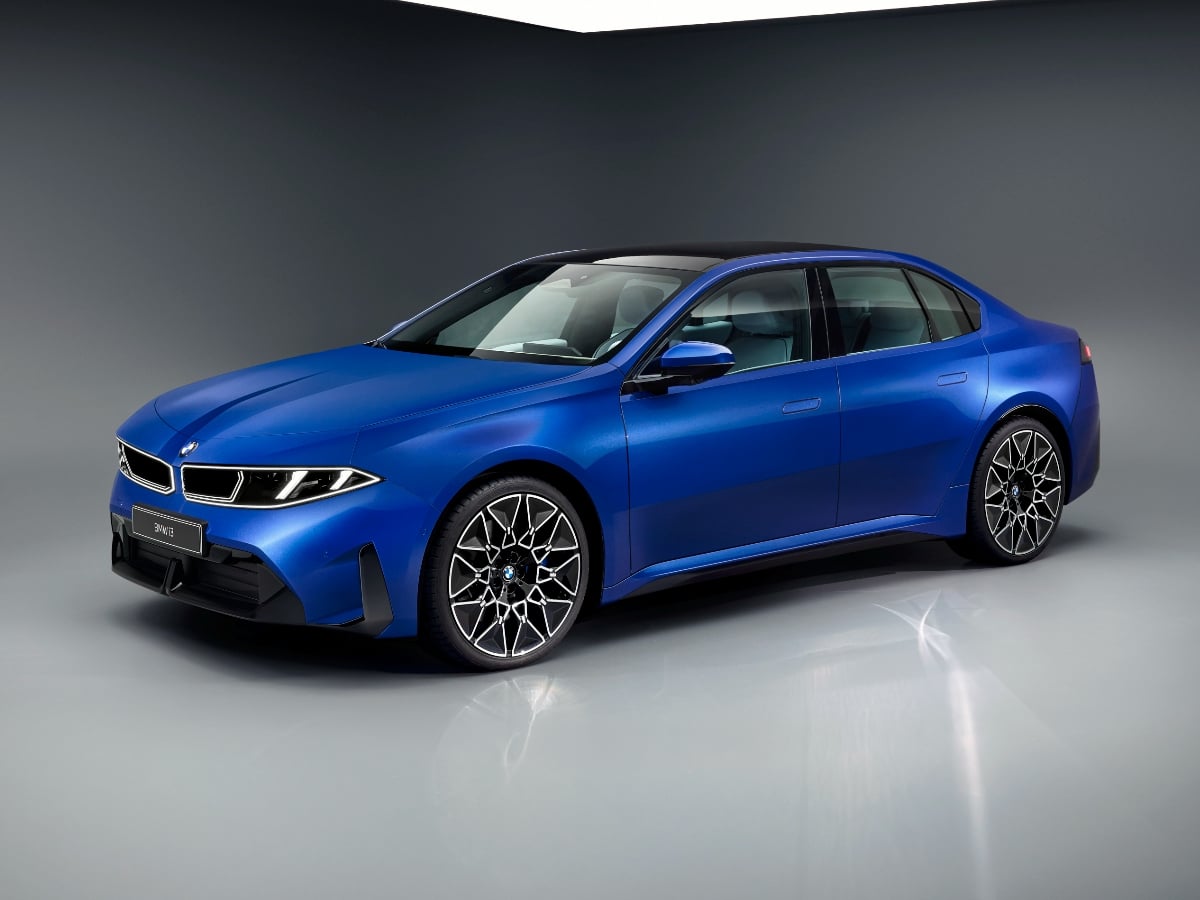
The new 2027 BMW i3 boasts an estimated range of up to 440 miles, 400-kilowatt DC fast charging capability, bidirectional charging to a home or the grid, and next-generation technology.
Read the Full Article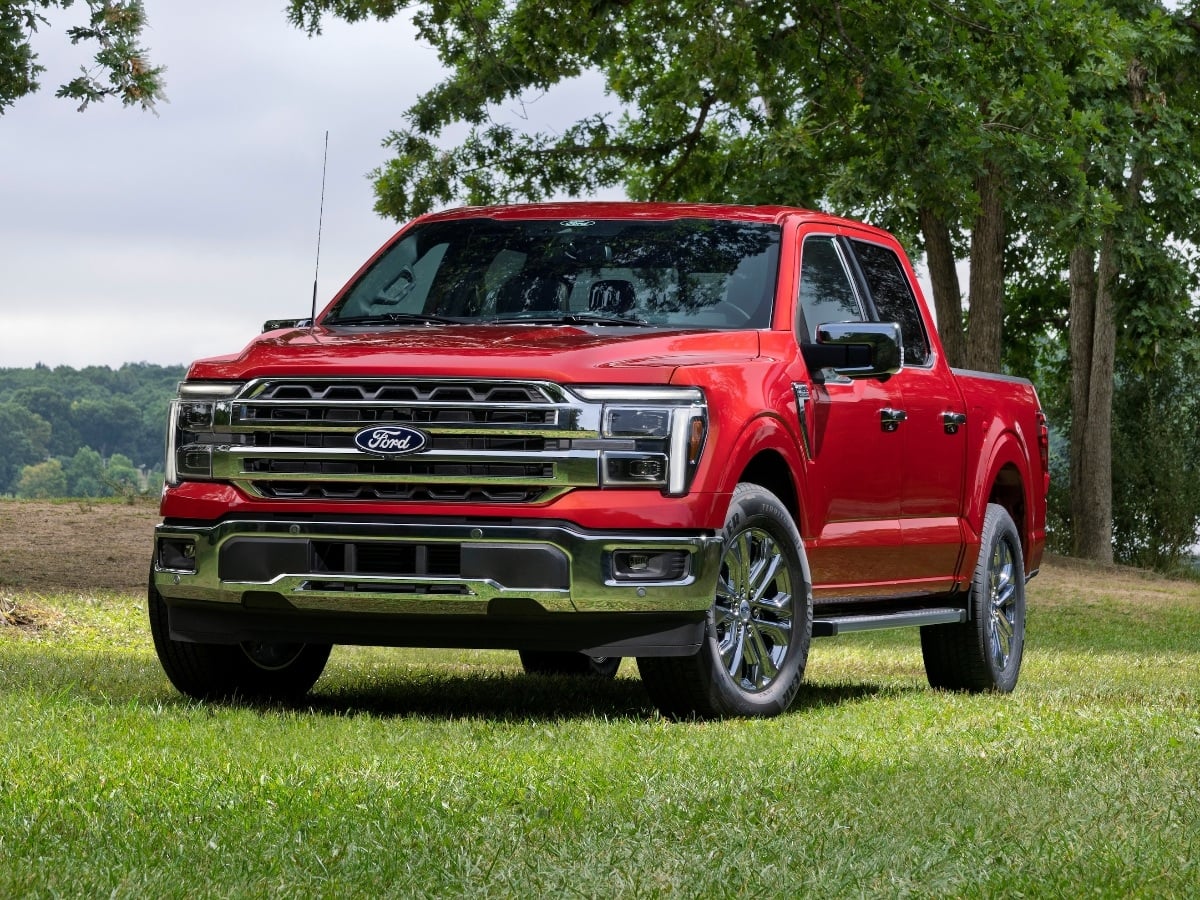
Facing renewed competition in the full-size, light duty pickup truck segment, the 2027 Ford F-150 receives subtle styling updates, a new standard engine, broader availability of its 5.0-liter V8, and ...See More
Read the Full Article
The 2027 Civic Type R goes on sale in October 2026, and it starts at $49,990, including the $1,295 destination charge.
Read the Full Article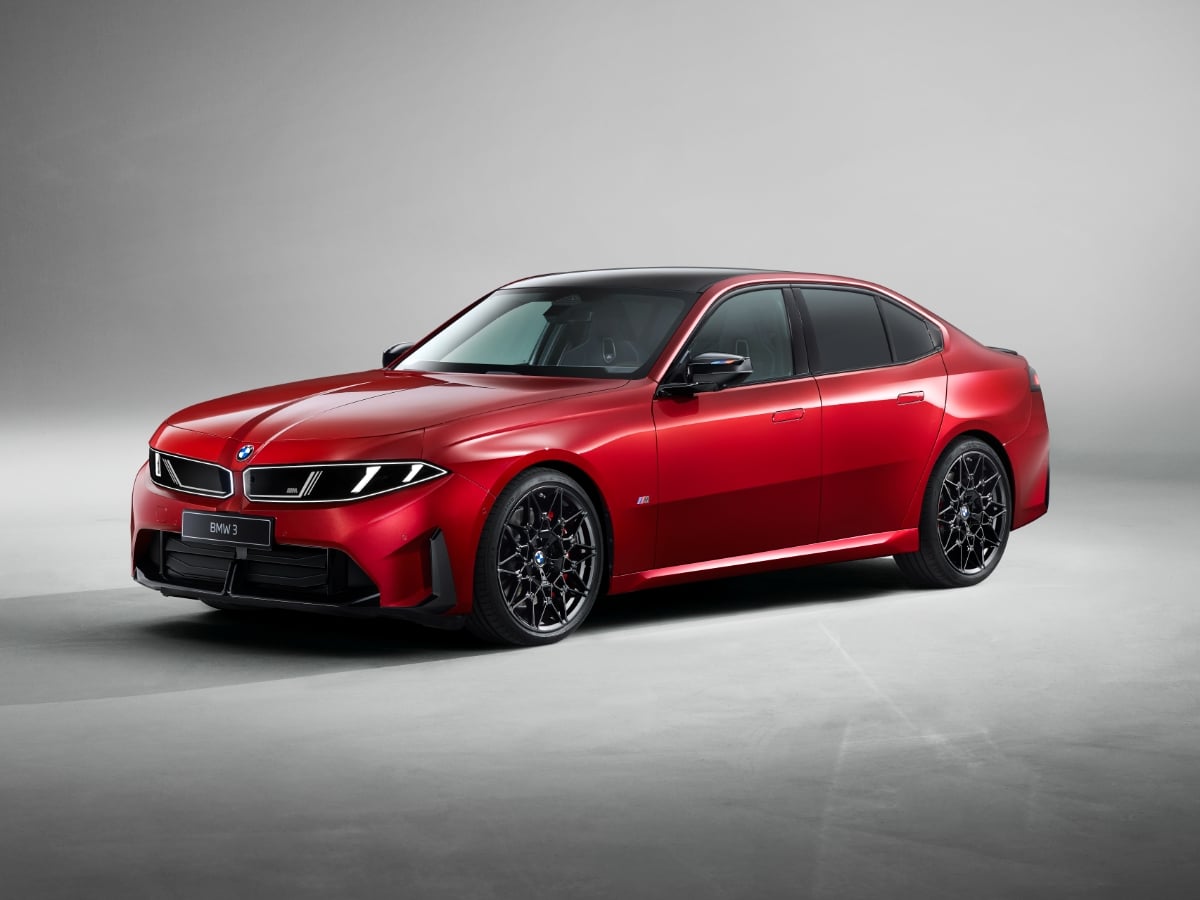
Part of BMW’s Neue Klasse (new class) rollout of redesigned models, the 2027 BMW 3 Series is all-new and goes on sale in the first quarter of 2027.
Read the Full Article