
Electric-vehicle (EV) owners don't necessarily need to install a charging unit for their car at home. Some rely solely on public or workplace charging for their EVs. However, installing a home charging unit in your garage or overnight parking space simplifies day-to-day driving and provides peace of mind that your car will begin each day with a full battery. Here are some things to think about when considering a home EV charger.

EV drivers who charge at home have two options. New EVs come with a slow-charging cable that plugs into a standard electric outlet. These Level 1 charging cords only add about five miles of range to a battery for each hour they're plugged in. This solution should work if you charge your EV every night while you sleep and rarely travel more than 50 miles.
A typical at-home charging alternative is a Level 2 charging station. You install this unit on a wall or a pole, requiring a 240-volt outlet to take advantage of its faster charging speeds. Depending on the EV, the EV's battery pack, and the charger's amperage (higher is better), Level 2 chargers can refill an empty battery in 4-10 hours. Again, you can charge overnight, but the difference here is that you replenish the entire battery instead of a portion of it.
New electric vehicles come with a Level 1 charging cord, but a Level 2 home charging station costs extra. New units cost between $500 and $1,200, and that doesn't include the installation by a licensed electrician. A federal tax credit worth up to $1,000 for home chargers expired at the end of 2021, although pending legislation may revive it. Some states and electric utilities still offer tax credits or rebates for residential EV chargers.
Installation costs for EV charging units vary across the country. The job is similar to what's required to install a new outlet for an electric clothes dryer or 240-volt power tools. Any certified electrician can install a home charger for your EV.
Depending on where you want your home charger and if any electrical upgrades are necessary, an electrician may charge a few hundred dollars or well over $1,000 for this service. Qmerit, a nationwide network of pre-qualified electricians specializing in EV charging installations, offers free estimates online based on your answers to survey questions and photos you submit.
Some automakers offer deals to make installing a home charger more affordable. Chevrolet, for example, will pay a professional electrician to install a 240-volt outlet at your home (or provide a credit of up to $1,250 for non-standard homes that require more work) if you buy a new Bolt EV or Bolt EUV. This offer does not come with a home charging unit, but Chevy offers a Dual Level Charge Cord that provides Level 2 speeds when plugged into a 240-volt outlet.
The first thing to consider is where to place your home EV charger. EV models do not have a standard location for their charging port. Some are behind the rear doors, near where you refuel a gas-powered car. Others are hidden in the grille or above the front fenders. If the location where you will park your EV is a tight fit, it might make sense to install the charger near where the port will be when you park. If this is not possible, look for a charger with a long cable. In the United States, the maximum cable length is 25 feet. You can also install some home chargers outside.
Another thing to consider is that charging an EV at home might require updating your electrical panel. Older, 100-amp panels can charge EVs, but a 200-amp panel might allow faster charging. Many factors influence charging speed, including the rating of the EV's built-in charger and the amperage rating of the home charging unit. You can find the amp number listed in the specs for each device. A 30-amp home charger can work well with a 100-amp panel but might take longer to charge than a 50-amp unit. Your electrician will let you know if installing a 50-amp home charger is possible with a 100-amp panel if it also supplies energy to other large appliances.
Today's EVs are connected, and many offer smartphone apps that allow you to start and stop charging (if you plugged the car in). Some utilities charge less for electricity at night when demand is lower, so an app can let you program an EV to start charging at midnight, for example. A home charging station connecting to Wi-Fi can also schedule charging sessions, avoiding any potential hassles you might encounter while charging in public. Connected chargers can also provide insight into real-time charging speed and energy usage.
Some automakers offer branded charging units with their new EVs, and the dealer might be able to bundle the cost with your auto loan. Taking out a loan from your bank or credit union is also possible. Qmerit offers financing packages to install an EV charging station and any panel upgrades you might need.
Living with an EV is easier once you have a home charging solution. Getting there requires planning and could cost hundreds or thousands of dollars, but the result is the ability to fully charge your EV while you sleep.
To learn more about the different types of EVs currently available and arriving soon, check out our Shopping Guides and New Car Previews.



The 2027 Civic Type R goes on sale in October 2026, and it starts at $49,990, including the $1,295 destination charge.
Read the Full Article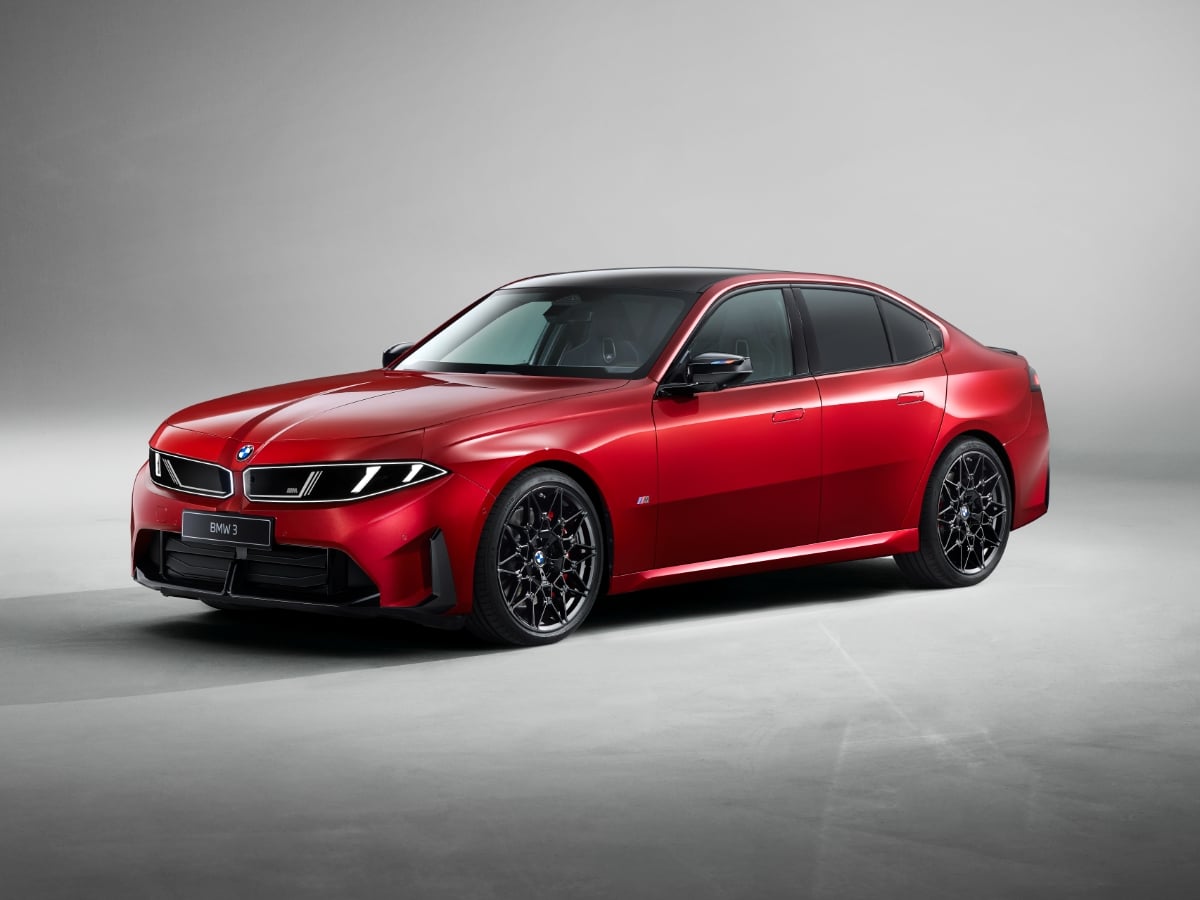
Part of BMW’s Neue Klasse (new class) rollout of redesigned models, the 2027 BMW 3 Series is all-new and goes on sale in the first quarter of 2027.
Read the Full Article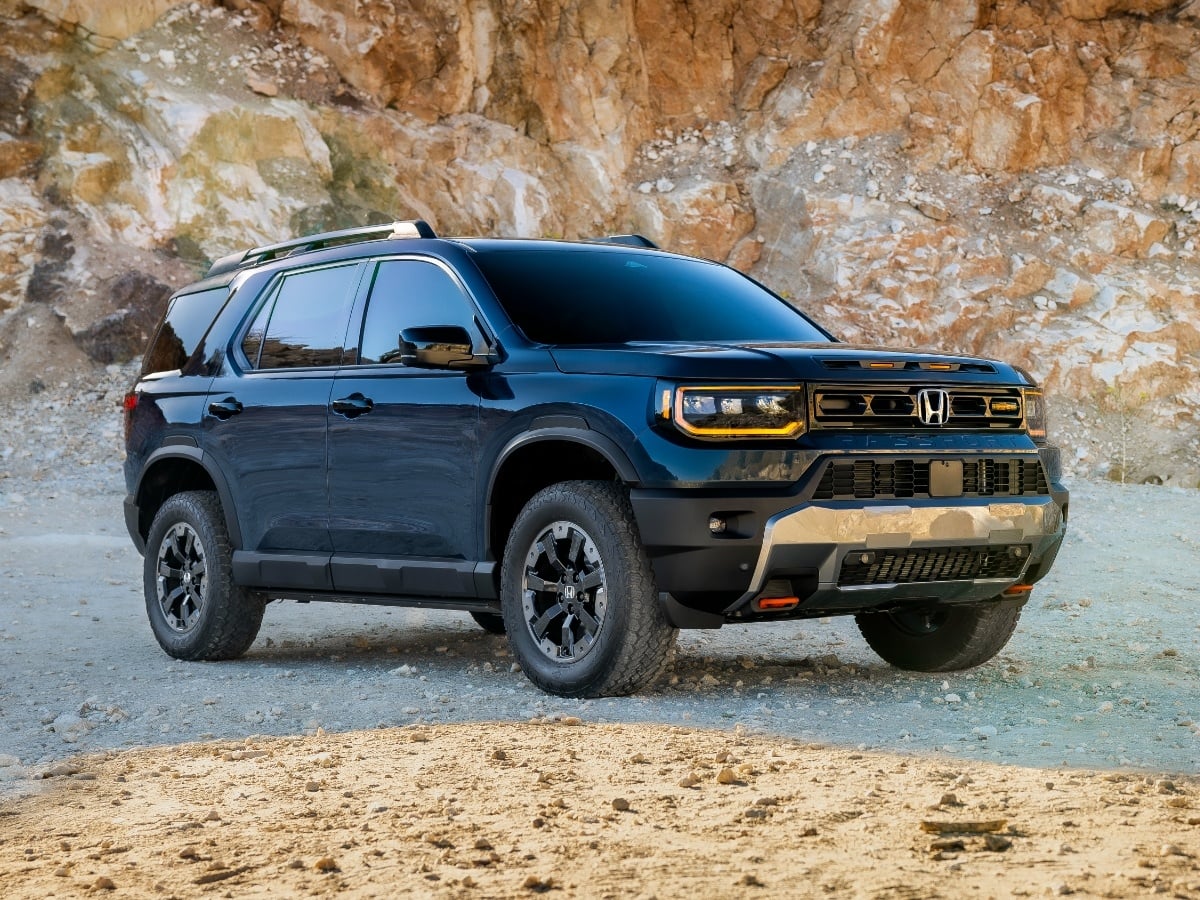
Updates to the 2027 Honda Passport TrailSport include a reworked suspension, improved steering, subtle styling enhancements, and added standard equipment.
Read the Full Article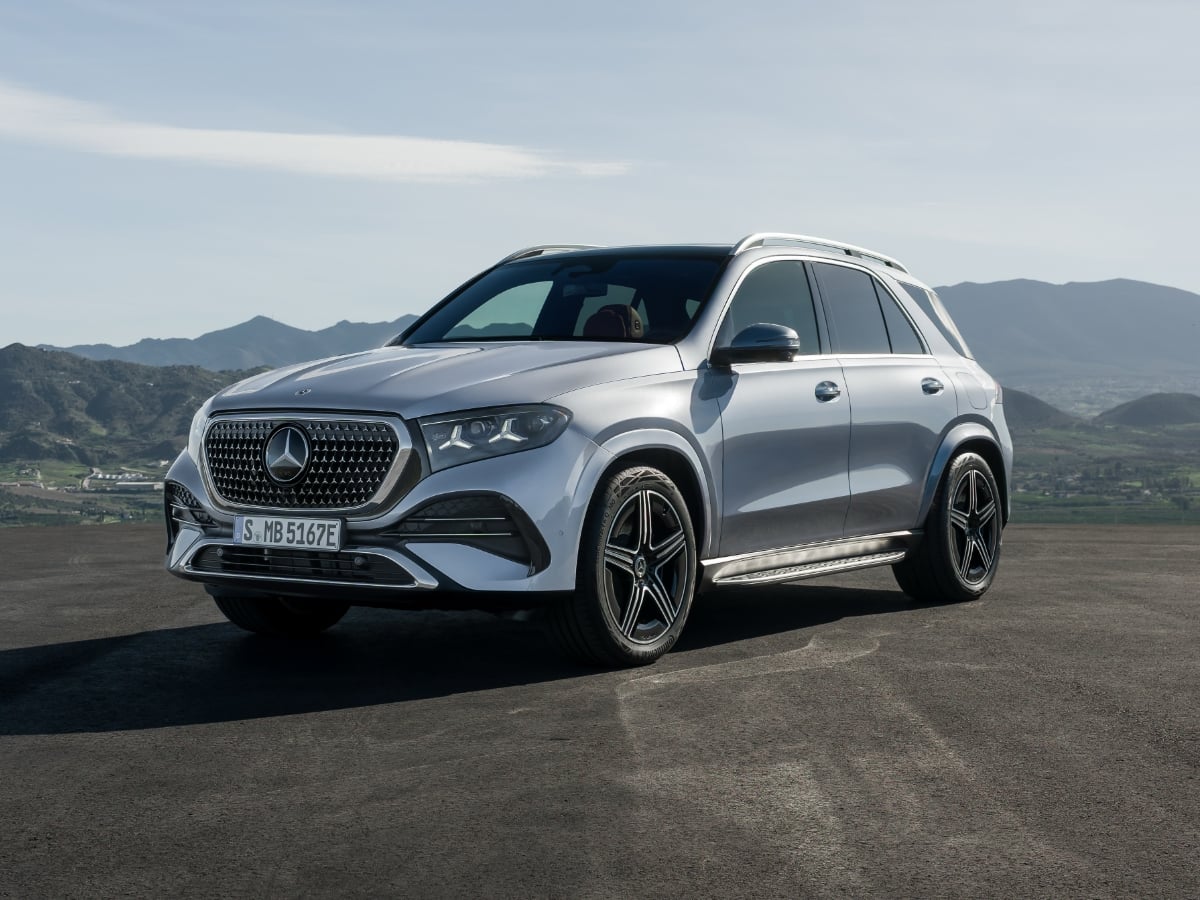
The midsize 2027 Mercedes GLE remains available in original and spicy Coupe recipes, now with standard 4Matic all-wheel drive (AWD), MBUX Superscreen technology, and a panoramic glass sunroof for ...See More
Read the Full Article