
It's important to note that while GVWR and GCWR are related, they are not interchangeable. GVWR is focused on the vehicle's weight capacity, while GCWR includes the weight of the vehicle and its trailer. This means that even if a vehicle has a high GVWR, it may not necessarily have a high GCWR.

Understanding these weight ratings is essential for vehicle owners, especially for those who regularly tow or haul heavy loads. Exceeding the GVWR or GCWR can lead to dangerous situations on the road, such as decreased braking ability, increased risk of tire blowouts, and reduced stability. It can also cause damage to the vehicle's suspension, transmission, and other components.
Knowing the vehicle's weight, passengers, cargo, trailer, and any additional equipment or accessories is essential to stay within GVWR and GCWR limits. It's also crucial to properly distribute the weight within the vehicle and trailer, keeping heavier items low and centered. By following these guidelines, vehicle owners can ensure the safety of themselves, their passengers, and other drivers on the road.
While GVWR and GCWR may seem similar, the two have significant differences. GVWR applies to the weight of the vehicle itself, while GCWR applies to the weight of the vehicle and any attached trailers. In other words, GVWR is the maximum weight the vehicle can carry on its own, while GCWR is the maximum weight that the vehicle and any attached trailers can carry together.
Exceeding either GVWR or GCWR can seriously affect vehicle safety and performance. Overloading a vehicle can cause damage to the suspension, brakes, and tires and affect the vehicle's handling and braking ability. It can also increase the risk of accidents and breakdowns. It is essential to follow GVWR and GCWR guidelines to ensure the safe and efficient operation of the vehicle.
To stay within GVWR and GCWR limits, it is essential to calculate the weight of passengers, cargo, and fuel before loading the vehicle. It is also essential to properly distribute the weight within the vehicle, with heavier items located toward the center and lower part of the vehicle. Regularly checking tire pressure and ensuring the vehicle is well-maintained can also help improve safety and performance.
In conclusion, GVWR and GCWR are weight ratings that help determine the maximum load capacity of a vehicle and the combined weight of a vehicle and its trailer. Understanding these ratings is crucial for vehicle owners who tow or haul heavy loads to ensure safety, avoid damage to the vehicle, and comply with regulations and laws.


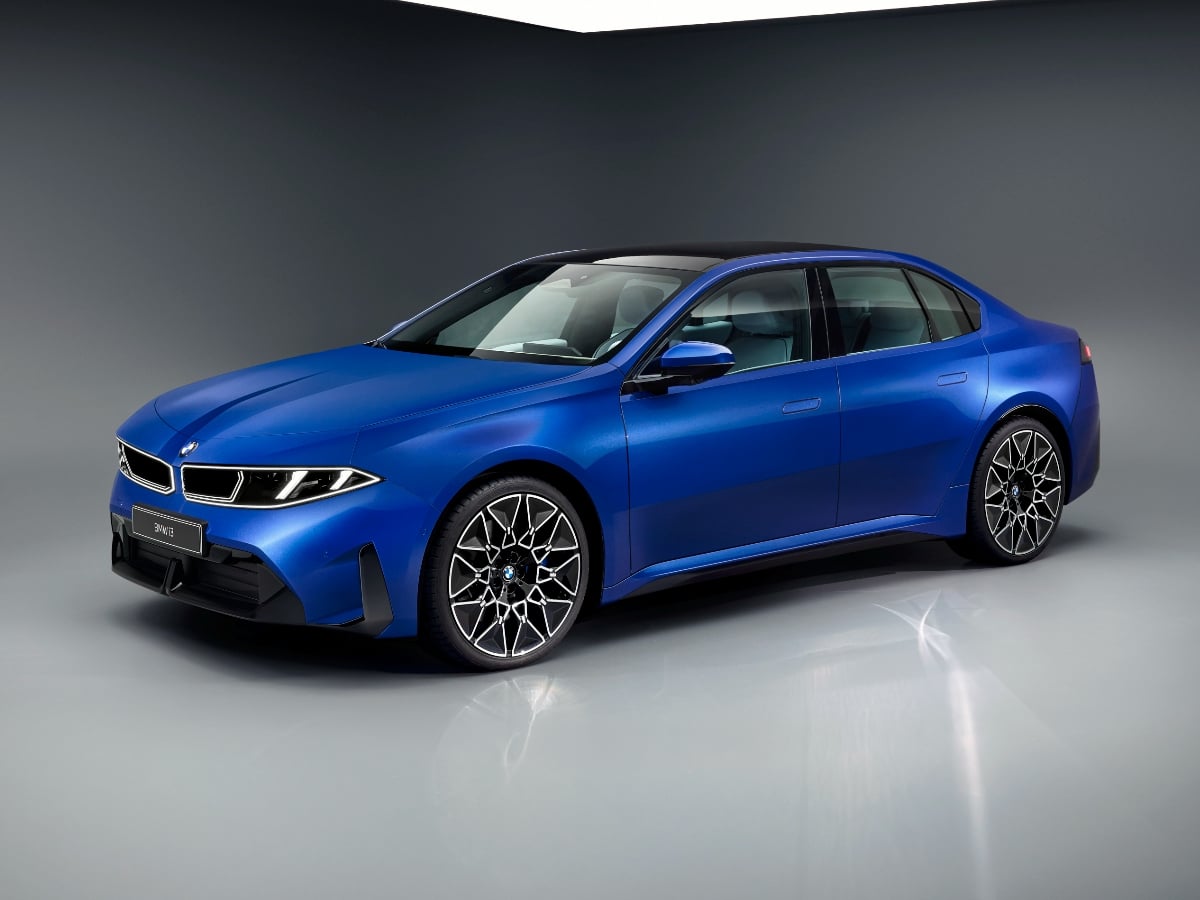
The new 2027 BMW i3 boasts an estimated range of up to 440 miles, 400-kilowatt DC fast charging capability, bidirectional charging to a home or the grid, and next-generation technology.
Read the Full Article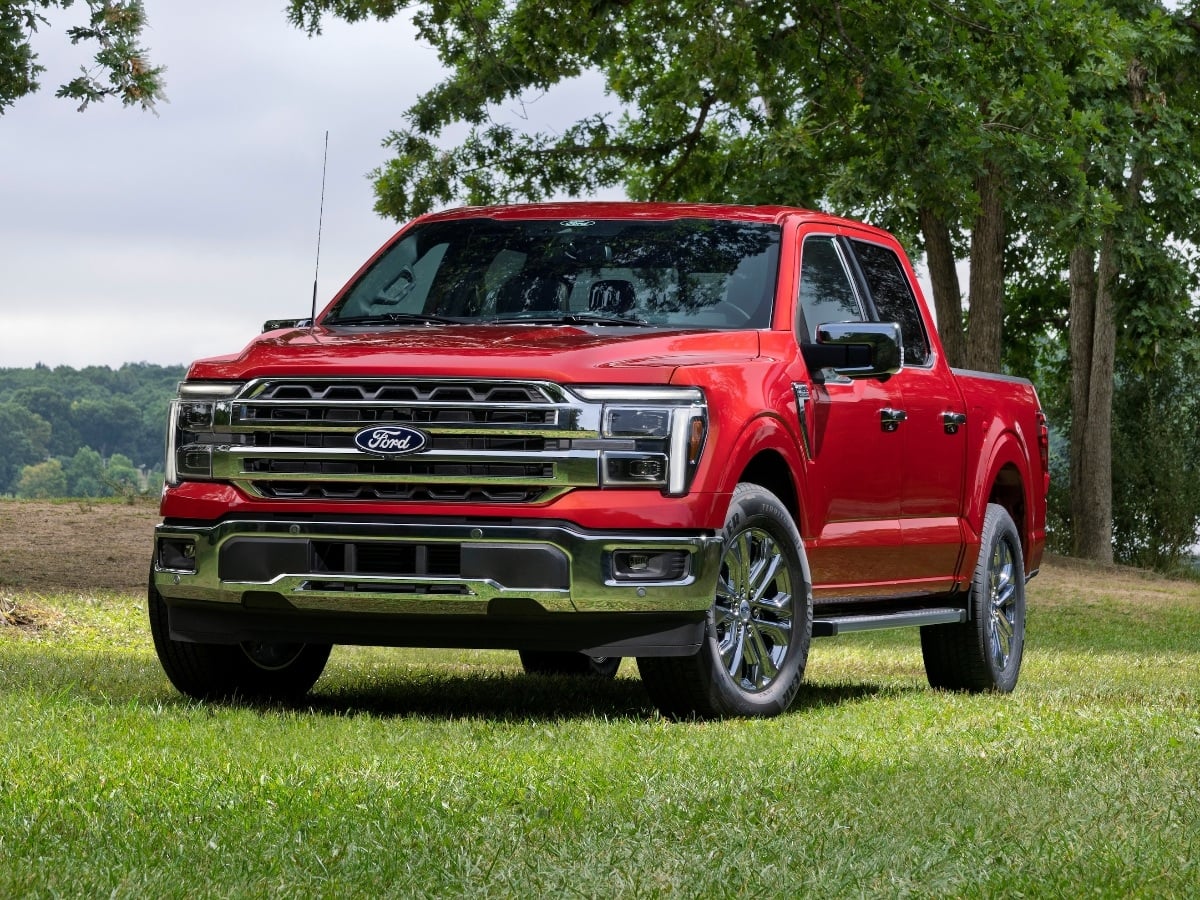
Facing renewed competition in the full-size, light duty pickup truck segment, the 2027 Ford F-150 receives subtle styling updates, a new standard engine, broader availability of its 5.0-liter V8, and ...See More
Read the Full Article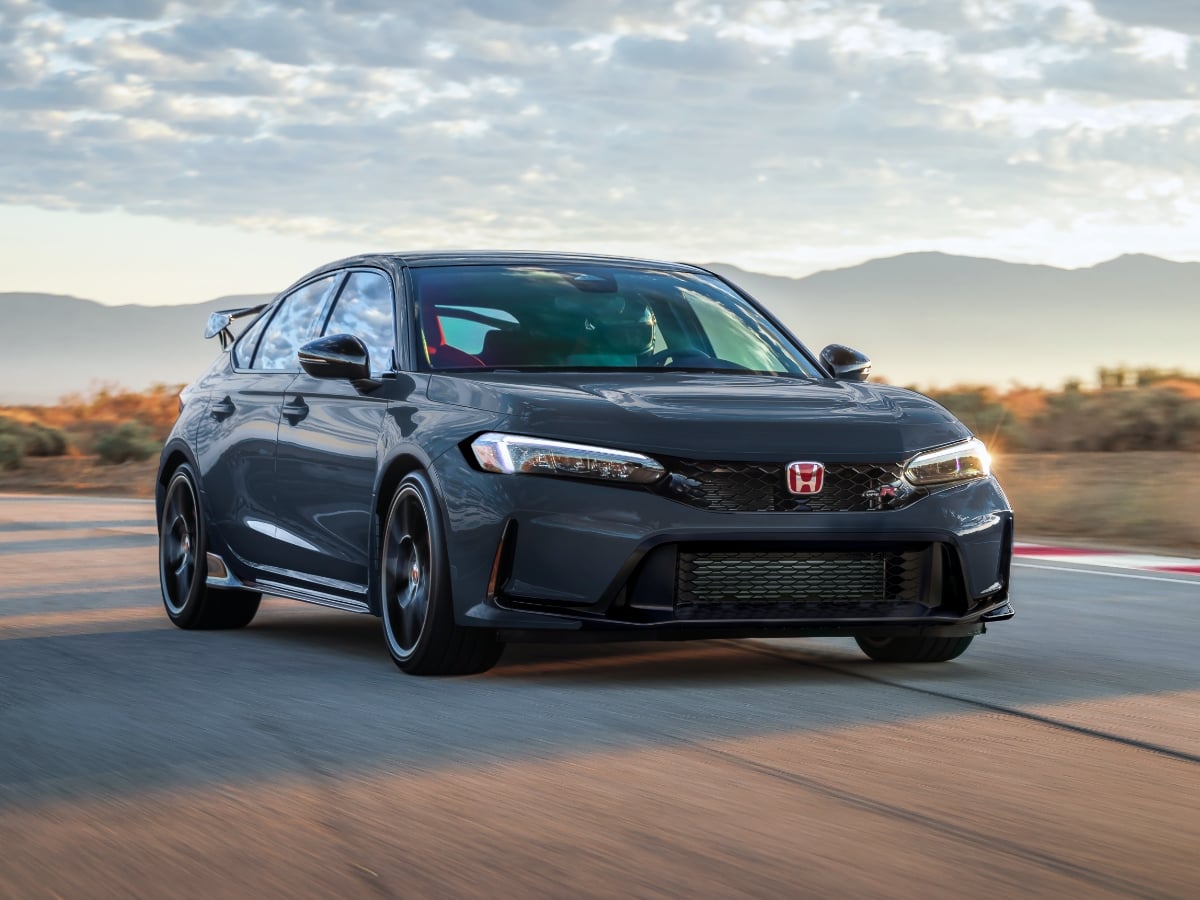
The 2027 Civic Type R goes on sale in October 2026, and it starts at $49,990, including the $1,295 destination charge.
Read the Full Article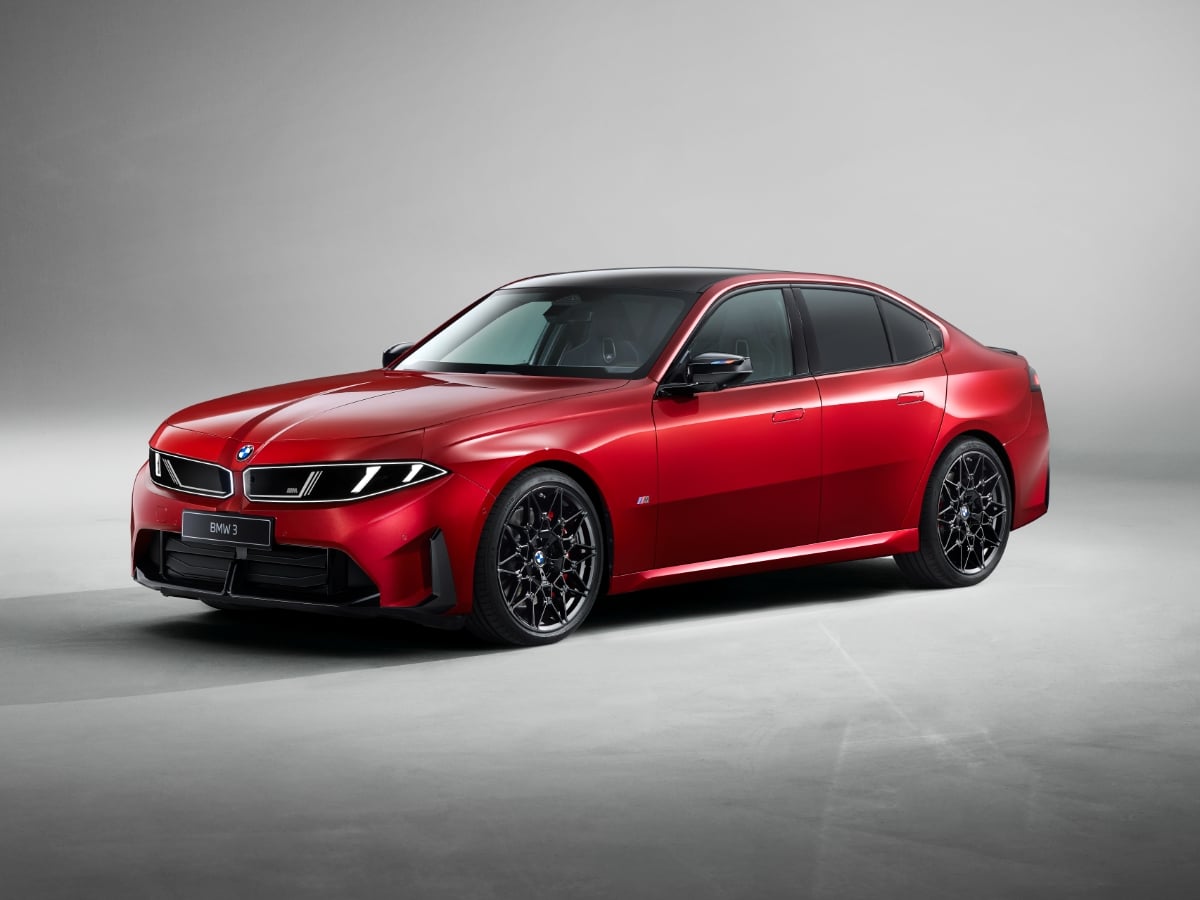
Part of BMW’s Neue Klasse (new class) rollout of redesigned models, the 2027 BMW 3 Series is all-new and goes on sale in the first quarter of 2027.
Read the Full Article