
At first glance, towing capacity seems easy to determine. Your car or truck can tow a certain amount of weight, and if you exceed that weight, you’re putting yourself and your vehicle at risk.

Unfortunately, it’s not that simple. Towing capacity depends on several factors, including the vehicle’s gross weight, braking power, axle weight rating, and even the towing hitch.
So, how do you know what you can tow with any given vehicle? Here’s a thorough guide.
There’s no single number that measures towing capacity. Several different measurements will affect the weight and load you can tow. Let’s take a closer look at each of these measurements.
Towing capacity: Towing capacity is the maximum possible towing weight under ideal circumstances. You should never exceed your maximum towing capacity, no matter how you distribute the load. Even if you can technically handle the load, you could damage your vehicle, the trailer, or both.
Gross Vehicle Weight Rating (GVWR): GVWR is the maximum amount of weight a vehicle or trailer can hold. Both your trailer and your vehicle will each have their GVWR. It’s possible to overload the trailer, for example, without even touching the vehicle’s GVWR. Conversely, you could use too heavy a trailer and exceed the vehicle’s GVWR.
Keep in mind that GVWR and towing capacity are not the same things. GVWR is the amount of weight your vehicle’s frame, axles, and tires can support. Towing puts additional horizontal stress on your car’s frame, which is not part of GVWR.
Tongue weight: This is the physical weight resting on the trailer hitch. You can lower the tongue weight by redistributing your trailer’s load. Be careful; a trailer that is too back-heavy can be challenging to control and poses a severe safety risk.
Gross Axle Weight Rating (GAWR): GAWR is the maximum weight a particular axle can support. Typically, there will be different numbers for the front and rear axle. The tongue weight will contribute to the weight on the rear axle, but that’s not the whole picture. You also have to consider any other weight, such as cargo, pressing down on the axle.
Braked and unbraked towing capacity: Some trailers come with their separate brakes. You can connect these to your vehicle if you have the correct wiring. When you press your brake pedal, the trailer brakes will also engage, which provides significantly more stopping power.
This is an essential consideration because braking is one of the most significant factors that limit your weight. Most cars and trucks can pull much more weight than they can stop with brakes. As a result, your towing capacity for braked trailers will be much higher than for trailers without brakes.
So far, we’ve been talking about vehicle and trailer ratings. It doesn’t matter how big your pickup truck is; if it only has a Class I hitch, it will not be able to tow very much. Your actual trailer hitch has just as much impact on what you can pull.
Trailer hitches come in five different classes, with the following characteristics:
Class I: Class I hitches can pull up to 2,000 pounds, with a maximum tongue weight of 200 pounds. Class I hitches are most commonly found on cars and crossovers. They’re suitable for small trailers, pop tents, jet skis, and lighter loads.
Class II: These hitches can pull up to 3,500 pounds, with a maximum tongue weight of 350 pounds. They’re great for small boats, small enclosed trailers, and similar loads. You'll most commonly find them on larger cars, crossovers, and minivans.
Class III: Class III hitches can pull a load of up to 5,000 pounds. They also have beefier frames, which allows them to support an 800-pound tongue weight. You can use this hitch for mid-sized boats, smaller campers, or even pulling a smaller vehicle on a tow dolly. They’re most often found on trucks, SUVs, and full-size vans.
Class IV: This type of hitch can tow up to 10,000 pounds, with a tongue weight of up to 1,200 pounds. You can use a Class IV hitch to pull larger boats, campers, and long utility trailers. Typically, a Class IV hitch is installed as an aftermarket add-on, but they’re available stock with specific tow packages.
Class V: This is the heaviest type of hitch, capable of towing an impressive 20,000 pounds, with up to 2,000 pounds of tongue weight. Class V hitches can pull even the largest campers, horse trailers, and other huge loads. Because of their size, they’re only suitable for full-sized trucks and SUVs that have been engineered for towing.
Finding your vehicle’s towing capacity isn’t as simple as looking it up online. Depending on the variant and model year, the exact vehicle can have different towing capacities. For example, many pickup trucks come with tow packages available to pull a larger load than the base model.
There are a couple of places you can look to find your vehicle’s capacity. First off, many manufacturers put a sticker inside the driver’s side door jamb. You’ll often see all the information you need, including GVWR and GAWR.
You can check your owner’s manual. The towing information will be inside. However, there will often be a chart with different values for different vehicles. If you don’t know what package you own, the chart won’t help.
As you can see, determining your vehicle’s towing capacity requires you to weigh several factors. You need to know your vehicle’s GVWR and GAWR, along with the weight of your load. You also need to make sure you have a hitch capable of doing the job.


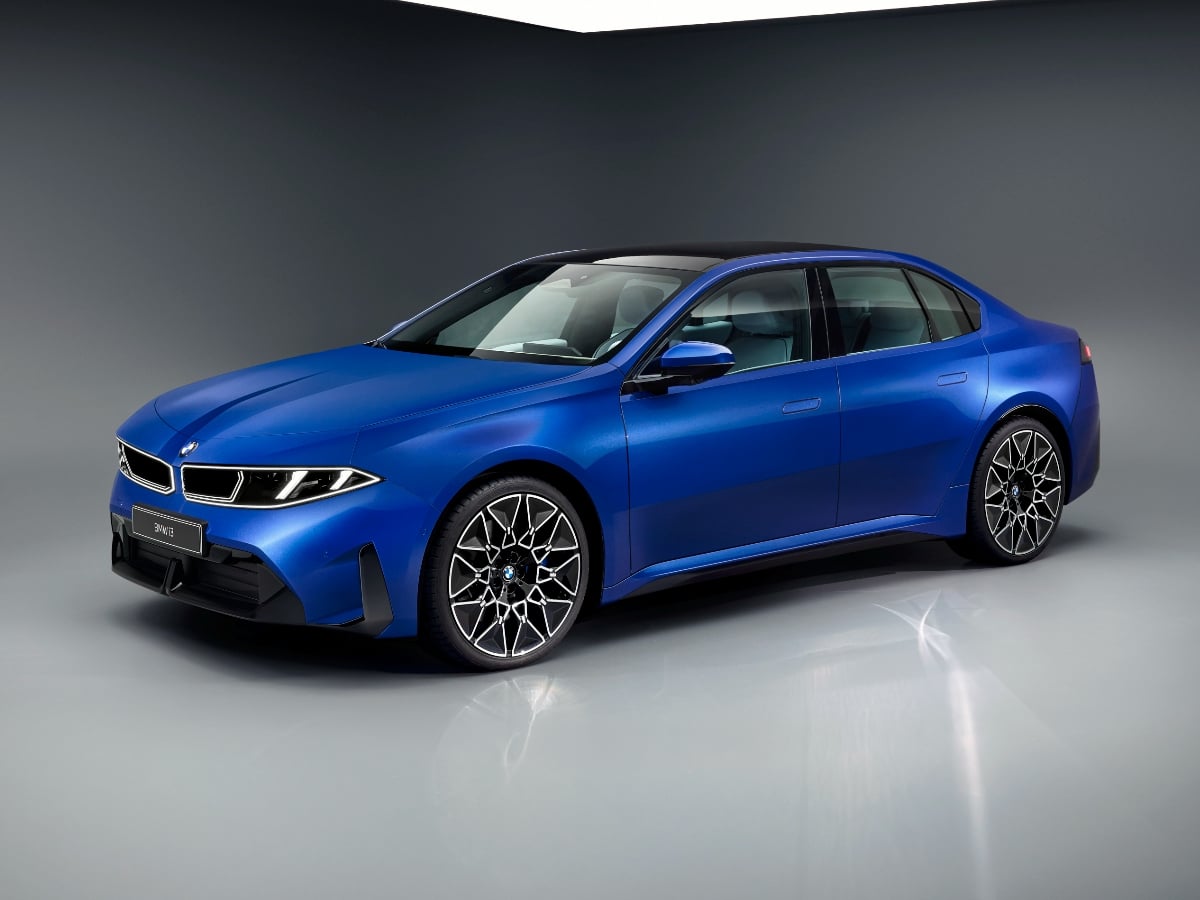
The new 2027 BMW i3 boasts an estimated range of up to 440 miles, 400-kilowatt DC fast charging capability, bidirectional charging to a home or the grid, and next-generation technology.
Read the Full Article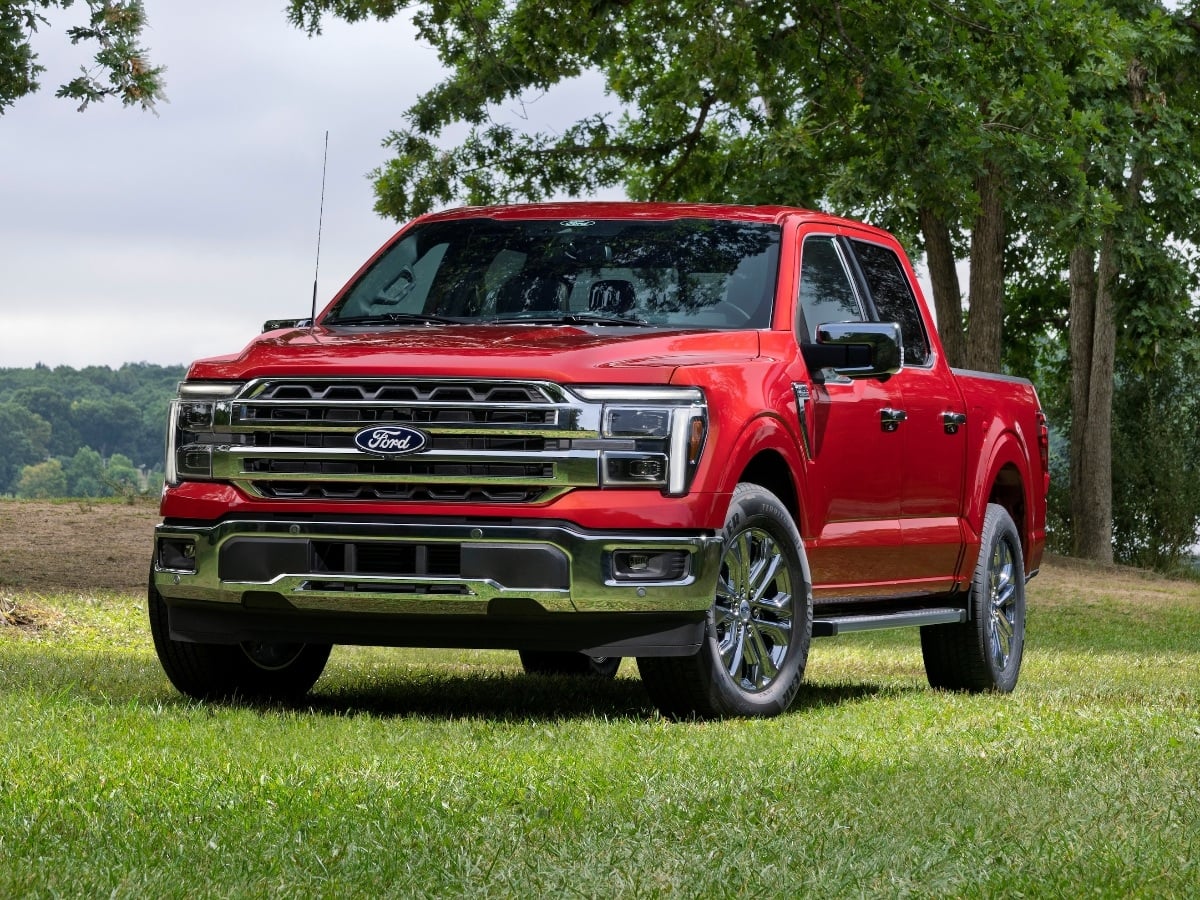
Facing renewed competition in the full-size, light duty pickup truck segment, the 2027 Ford F-150 receives subtle styling updates, a new standard engine, broader availability of its 5.0-liter V8, and ...See More
Read the Full Article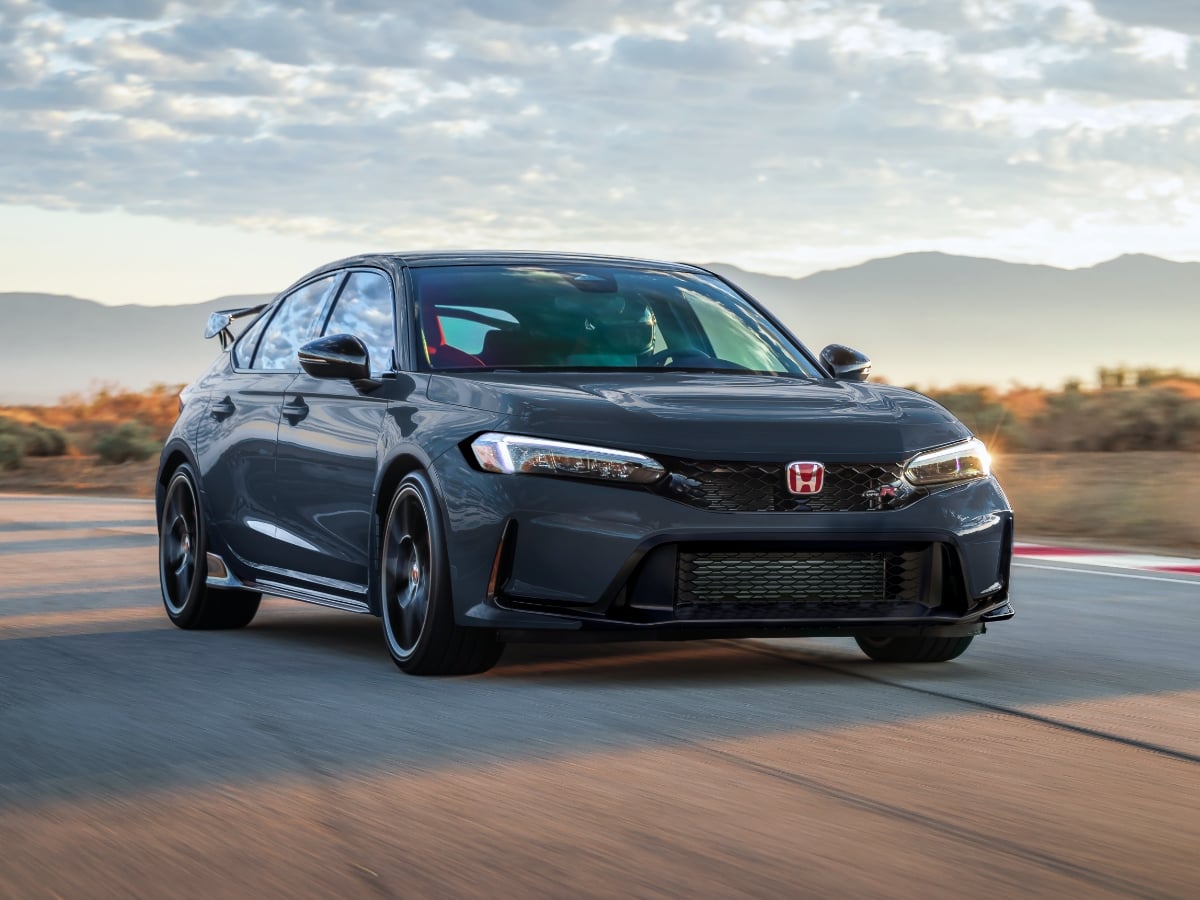
The 2027 Civic Type R goes on sale in October 2026, and it starts at $49,990, including the $1,295 destination charge.
Read the Full Article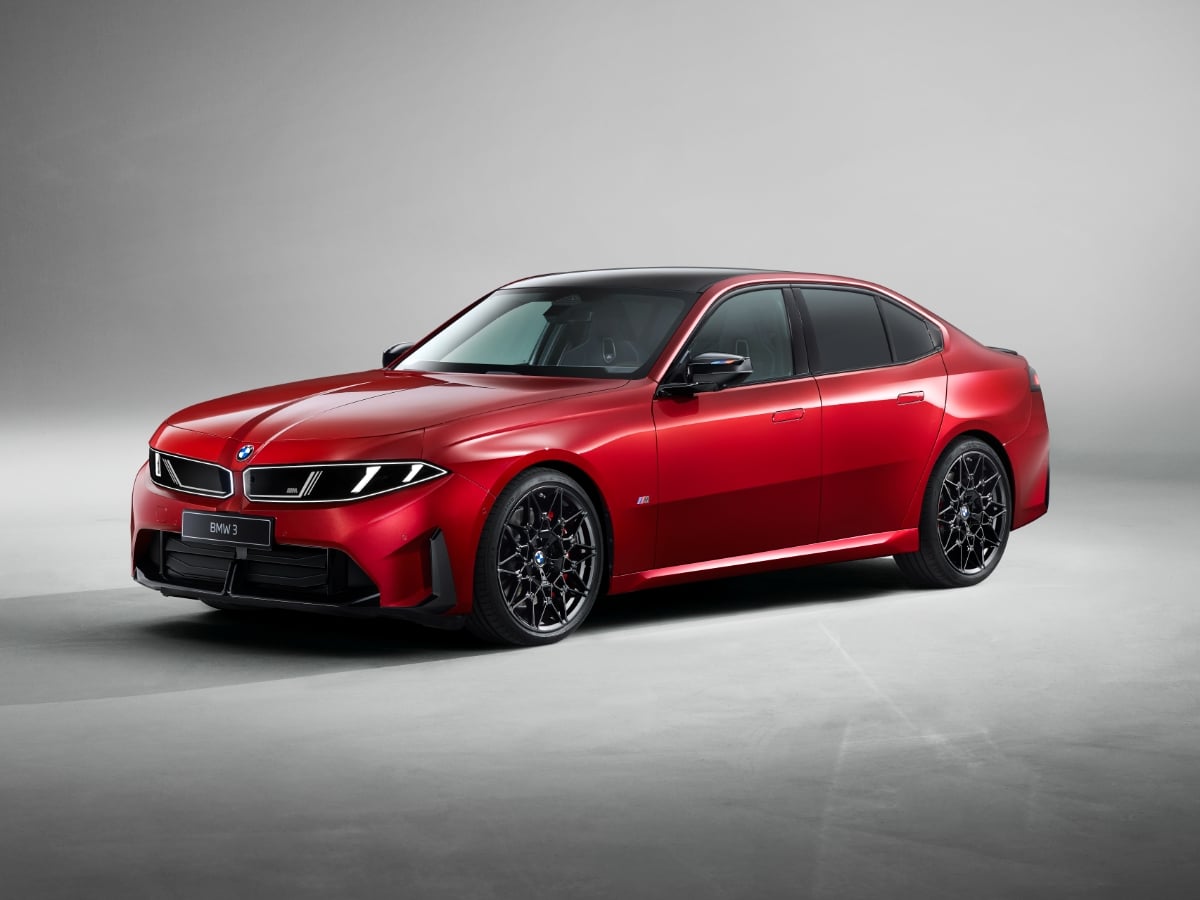
Part of BMW’s Neue Klasse (new class) rollout of redesigned models, the 2027 BMW 3 Series is all-new and goes on sale in the first quarter of 2027.
Read the Full Article