
As gas prices gradually rise, many car owners are getting concerned. COVID and the Ukraine War have further aggravated the situation.
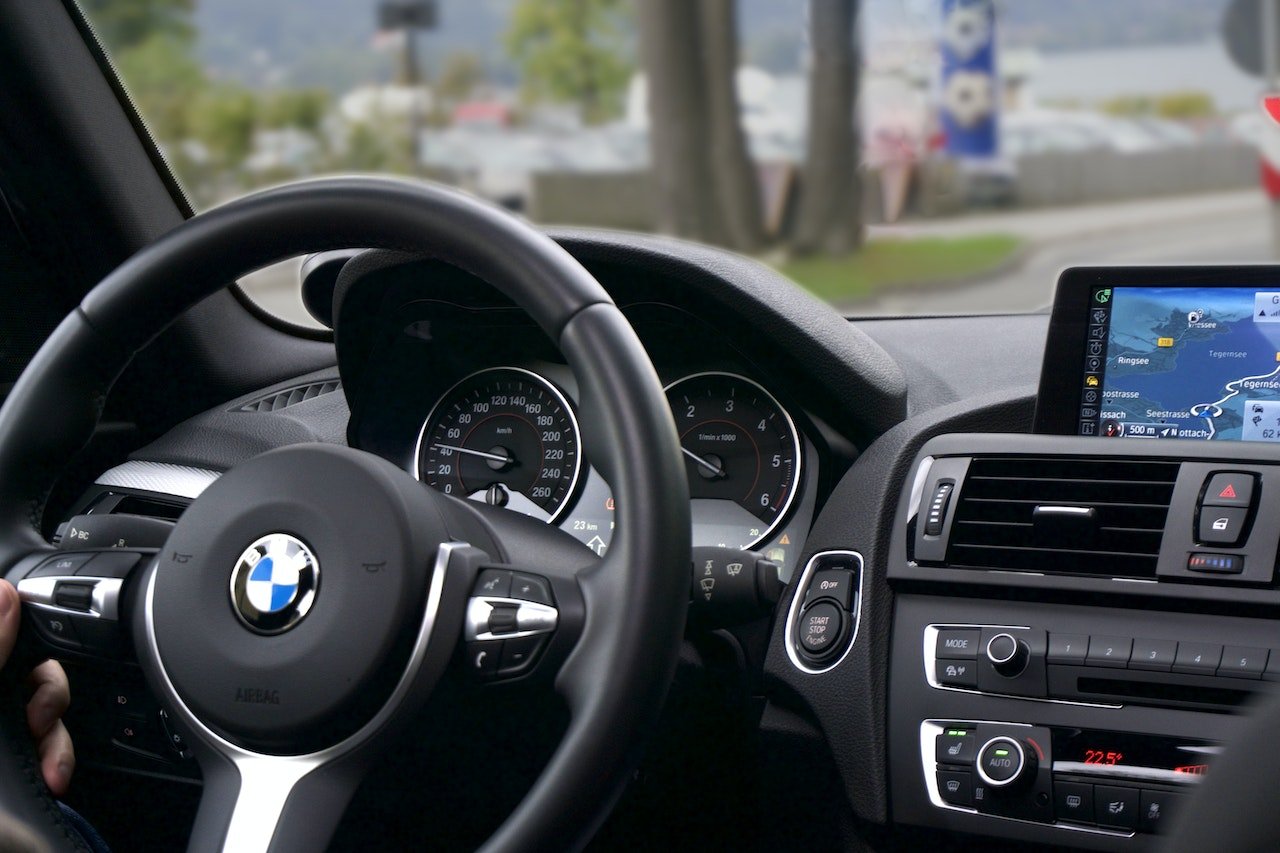
Many consumers are looking at gas-efficient vehicle models with a high MPG to combat this. Consumers increasingly prefer cars with cruise control, having heard it helps save money on fuel. But is this true?
To answer the question, let’s start from the very beginning. If your car has a cruise control function, there’s an electric system under the hood. Its primary function is to help you drive at a constant speed, letting you take your foot off the acceleration pedal. In essence, it completely takes control of the throttle, requiring no human input.
This system has been extensively upgraded throughout the years. Today, the leading edge of cruise control is the adaptive version. It allows you to set and maintain the desired speed and keep a safe distance from other cars on the road. Adaptive cruise control uses forward-mounted sensors and can even slow down with the traffic.
This technology is a definite step toward full automation and brings various benefits to the consumer.
Your cruise control performance is directly dependent on various road conditions, year, and make of the car model. However, no matter how or where you drive, you will always benefit from having this system in the following way:
Even though it brings comfort to the table, could it help you with fuel efficiency?
The answer to the question in the previous paragraph is two-fold. The system is supposed to maintain a constant speed and keep a safe distance from vehicles. It can help in certain scenarios and save money on gas.
Recent studies found that the more you change speed, the less efficient your fuel economy is. For instance, varying speeds between roughly 47 and 53 mph every 18 seconds can increase gas consumption by 20%. However, there’s no set formula, and it’s challenging to count things up.
Moreover, aggressive driving (speeding, rapid acceleration, and braking) wastes a lot of gas. The federal website for fuel economy states that the decrease can be around 15% to 30% at highway speeds.
In all the instances above, cruise control is detrimental to fuel economy. It negates the human factor and brings the speed under control, which could be helpful if you are on a highway. But the system starts to show its downsides if you live in a hilly area.
The cruise control maintains constant speed in any given scenario, so it doesn’t recognize the terrain. As such, if you go up the hill at 60 mph, you will keep the same speed while descending. Combine it with the fact that you shouldn’t maintain constant speed during bad weather, and you get a system that could increase gas consumption and endanger the driver.
Cruise control and fuel efficiency correlate when driving on a highway as there are no inclines or declines, and the road is straight as an arrow. But if you go up a hill or run into black ice, you are better off doing things manually.
As this system is not the ultimate answer to fuel efficiency, consider picking a reliable vehicle with high MPG rates in this case. Various hybrids, electric, and gas autos will provide you with low fuel consumption rates, so you wouldn’t leave everything up to cruise control.


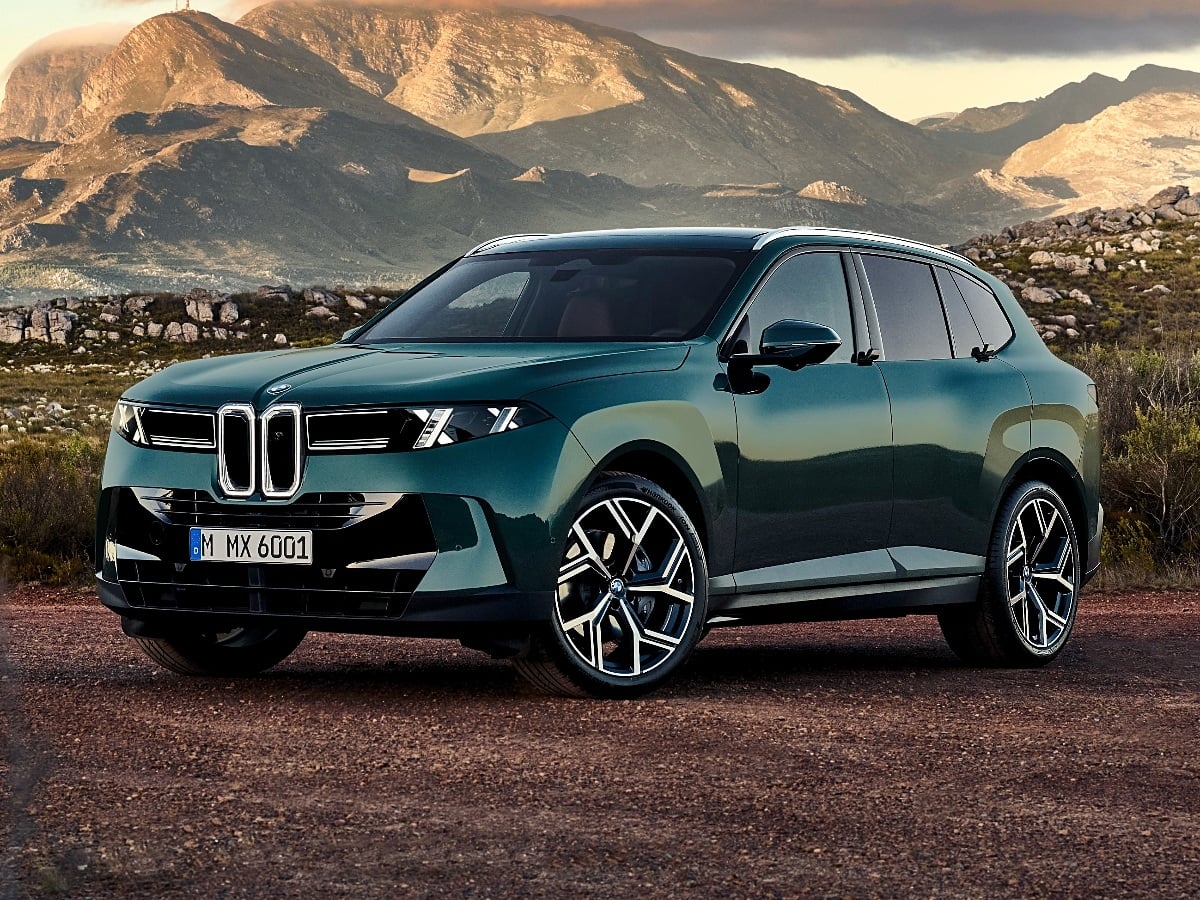
For more than 25 years, the BMW X5 has helped to define the luxury SUV segment. Now, the redesigned fifth-generation 2027 BMW X5 arrives with the automaker’s Neue Klasse styling, a roomier interior, ...See More
Read the Full Article
One of Lexus's most popular models, the NX crossover SUV is also one of the most affordable in the company’s lineup. The 2027 Lexus NX transitions to hybrid-only powertrains, and gets revised ...See More
Read the Full Article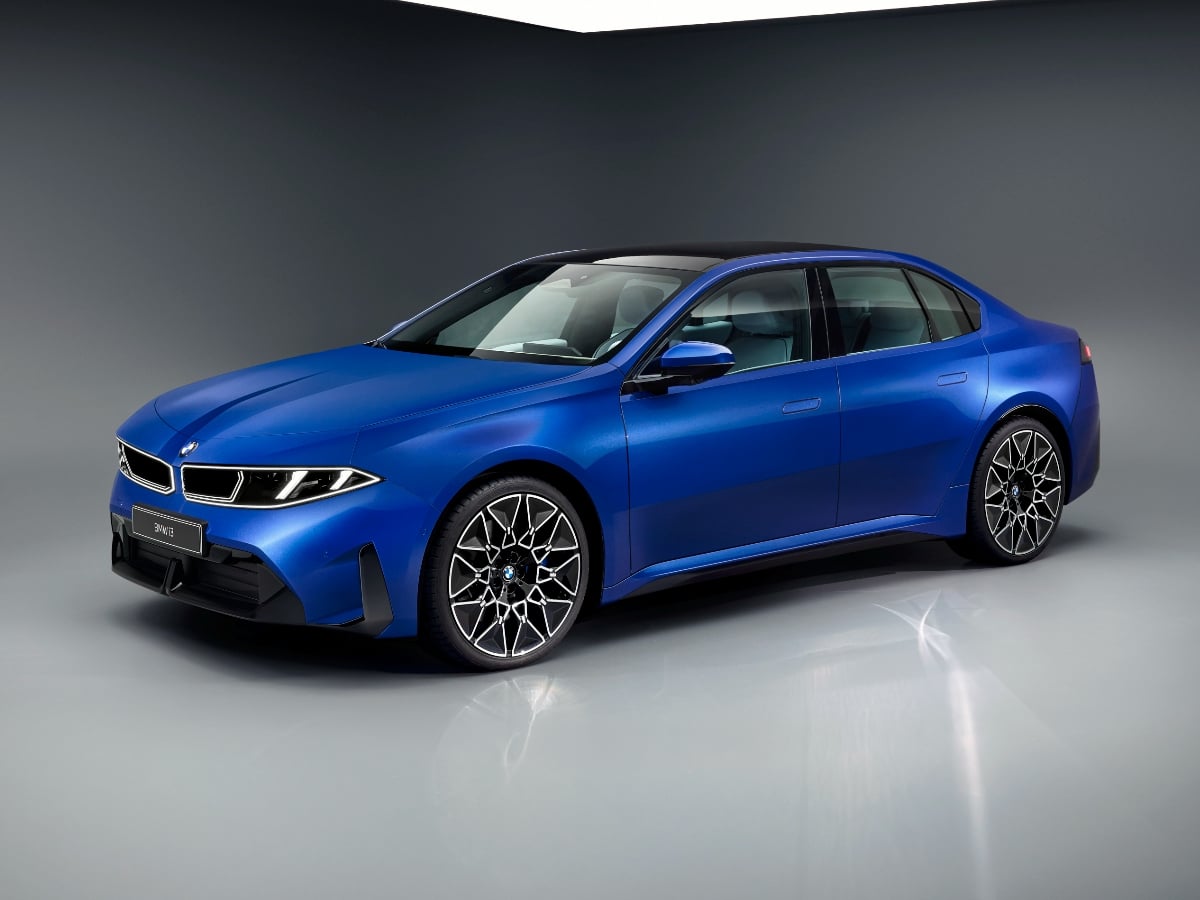
The new 2027 BMW i3 boasts an estimated range of up to 440 miles, 400-kilowatt DC fast charging capability, bidirectional charging to a home or the grid, and next-generation technology.
Read the Full Article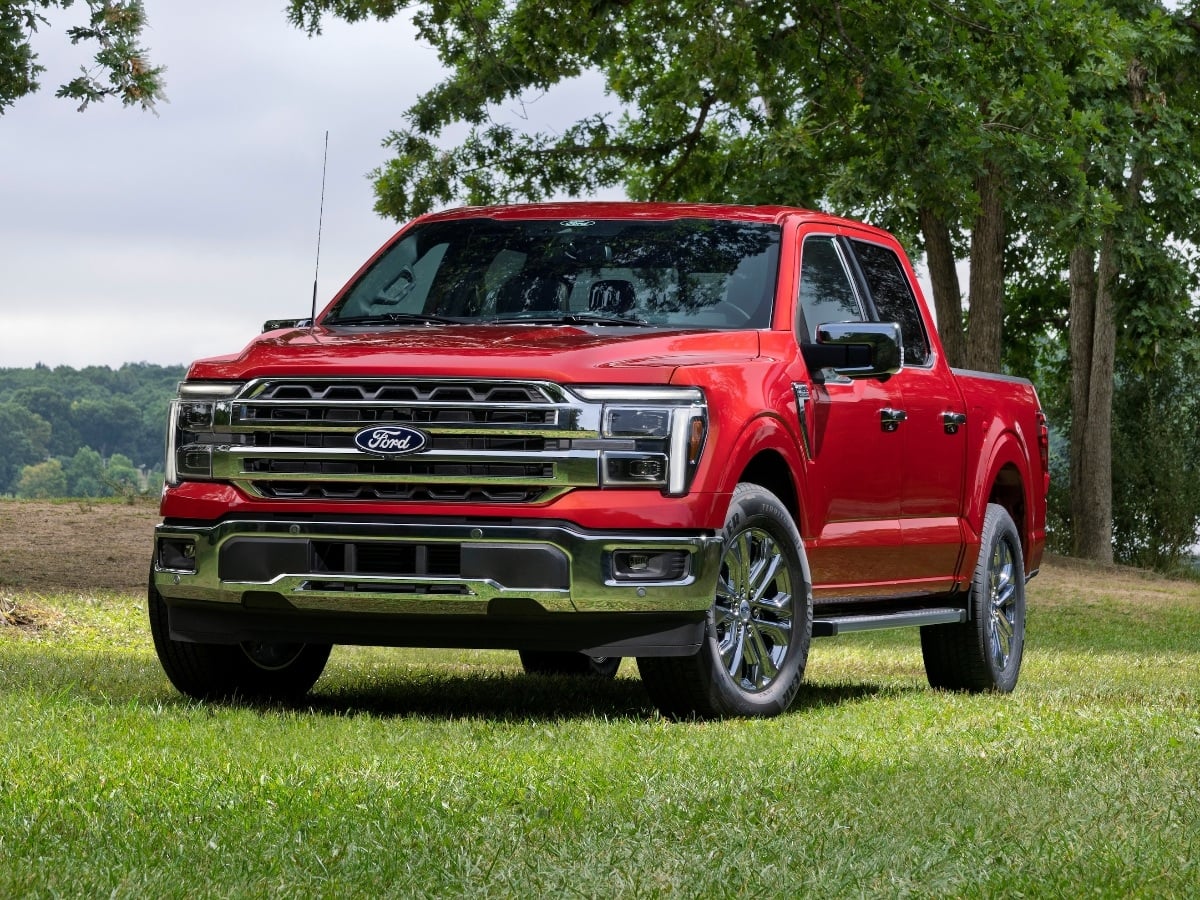
Facing renewed competition in the full-size, light duty pickup truck segment, the 2027 Ford F-150 receives subtle styling updates, a new standard engine, broader availability of its 5.0-liter V8, and ...See More
Read the Full Article