
You may be inclined to drive a brand-new car just like the one you’re replacing it with. However, there are some steps you should take to ensure that its heart—the engine—will live a long and reliable life for your entire ownership.
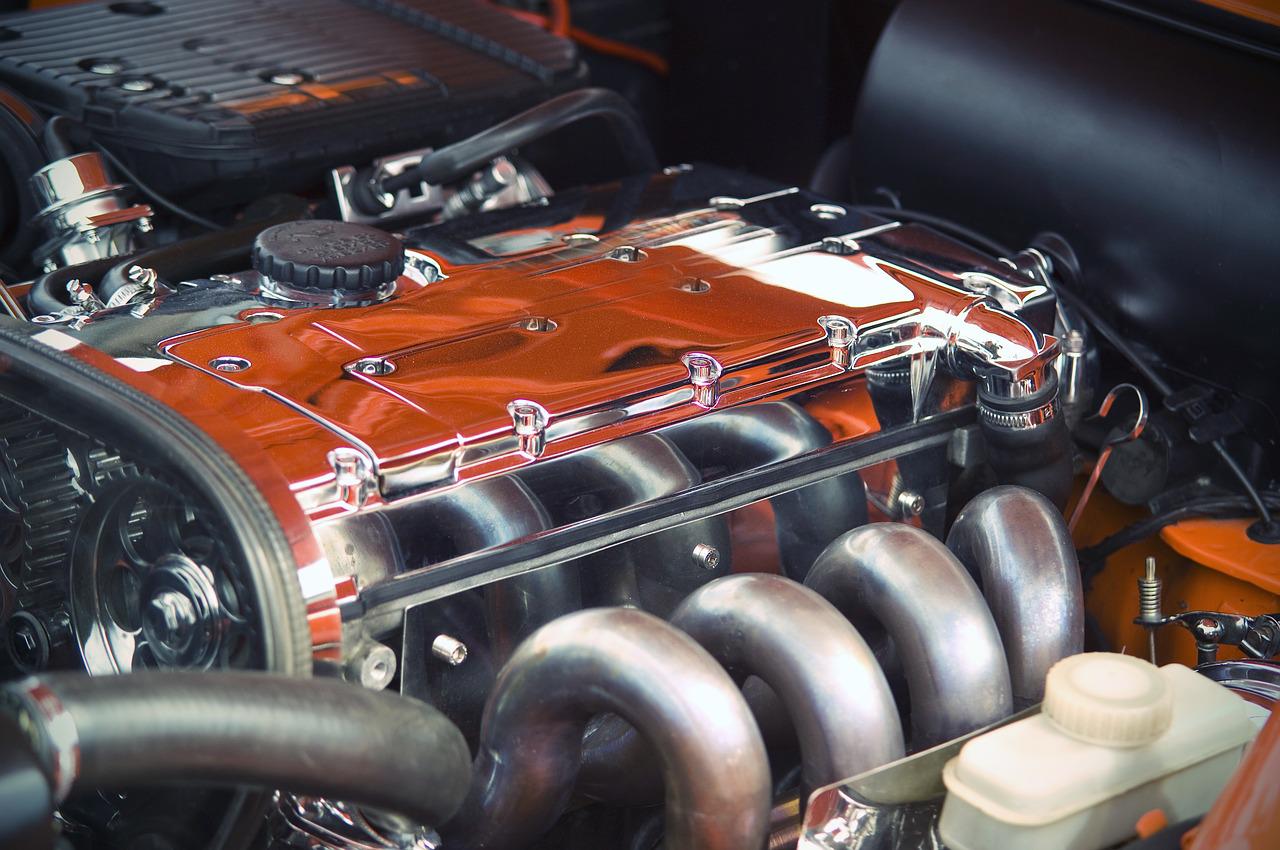
When first using a car’s brand-new components, many of those parts need time to settle in. Brake rotors and pads need to wear together, a new clutch in a manual transmission-equipped car needs a few hundred miles to adapt to its new home, and even suspension components slowly acclimate to the chassis once they’ve supported the car’s weight for a little while.
Automakers recommend that a new car’s engine be given time to break in as well. Giving the engine a proper break-in ensures long-term optimal performance, reliability, and longevity. But what exactly does breaking in a new engine mean?
Breaking in a new engine is a way to condition the engine’s internal components for its role in the overall life of the vehicle. In particular, this “breaking in” allows the piston’s rings to properly mate up to the cylinder’s walls, preventing long-term wear that could lead to oil consumption, poor performance, or both.
Typically, an engine’s break-in period is within the first 500 to 1,000 miles. Pushing the engine too hard early on—which might be enticing if it’s a sports car or other performance vehicle—may cause certain engine components to not seat correctly, like the piston rings, rod bearings, or other crucial parts of its overall function.
The key is to be gradual and patient. Driving the car gently during these initial miles helps ensure minimal premature wear.
A good engine break-in procedure provides two significant benefits:
A proper break-in process results in better and consistent overall performance. Moving parts are calibrated correctly, engineering tolerances are maintained, and mating surfaces receive the proper amount of lubrication. This means that the engine’s moving parts work more efficiently, and the net effect is better and more consistent performance in the long run.
The break-in process also ensures an efficient and unimpeded flow of oil throughout the entire engine. Optimal oil flow is one of the cornerstones of a long-lasting engine.
Different manufacturers may recommend alternate guidelines for breaking in different vehicles. Therefore, it’s important to check the owner's manual of each car to know exactly what its optimal break-in procedure is.
However, there are still some universal rules of thumb that will help ensure the engine lives a healthy, long life.
The easiest way to break in an engine is to simply take it easy. Keep it spinning under 4,000 rpm (revolutions per minute, as indicated on the tachometer in the gauge cluster) within the first 500-1,000 miles. After that, revving up the engine higher should be fine. If the car has a manual transmission, make sure to keep the shifts low in the rev band, which is often referred to as short-shifting. Hard acceleration early puts too much strain on the piston rings and cylinders, which could shorten the engine’s overall life.
It’s also a good idea to keep cargo to a minimum during this initial chapter of the engine’s life, as more weight means more strain on the engine. That may mean postponing a big roadtrip with friends, avoiding hauling heavy equipment from the hardware store, and refraining from any other activity that adds significant weight to the car.
Short-distance trips typically don't give your engine enough time to warm up and reach optimal operating temperature. Cold engine temperature hinders efficient lubrication, which is a leading cause of premature engine wear. This impact is even worse during this initial 500-1,000 miles, since the engine’s components haven’t settled in yet.
When taking a short trip, let the engine idle for 20-30 seconds after startup, and then don’t shut it down until it reaches optimal coolant and oil temperature. This typically means the engine should be running for at least 15 minutes before turning it off.
Be sure to vary the engine load and rpm during the break-in period. Never keep the rpm, also known as revs, at the same speed for more than a few seconds; the revs should be constantly moving up and down. Lightly letting off the gas pedal and gently getting back on it is good enough. Avoid cruise control; that function maintains rpms at a set speed to maintain a constant vehicle speed down the road, so it doesn’t allow the piston rings and cylinders to properly bed in together.
Pushing an engine too hard during its first 500-1,000 miles promotes an increased risk of premature wear. Here’s a list of potential issues that may occur:
Even though manufacturing processes and materials quality have greatly improved over the past 10-20 years, the basic engineering behind how internal combustion engines work hasn’t really changed since their inception. This is why it’s still important to take it easy on a new engine, exercise a little patience, and properly break in a new engine.
Read up on the vehicle’s manufacturer recommendations, and then give components a chance to settle in, mate up to each other properly, seal tolerances, and ensure optimal oil flow for years to come.



With a purposeful new design and some trail-ready upgrades, the 2027 Hyundai Tucson is pushing the brand's best-selling crossover SUV into more aggressive territory.
Read the Full Article
For more than 25 years, the BMW X5 has helped to define the luxury SUV segment. Now, the redesigned fifth-generation 2027 BMW X5 arrives with the automaker’s Neue Klasse styling, a roomier interior, ...See More
Read the Full Article
One of Lexus's most popular models, the NX crossover SUV is also one of the most affordable in the company’s lineup. The 2027 Lexus NX transitions to hybrid-only powertrains, and gets revised ...See More
Read the Full Article
The new 2027 BMW i3 boasts an estimated range of up to 440 miles, 400-kilowatt DC fast charging capability, bidirectional charging to a home or the grid, and next-generation technology.
Read the Full Article