
Even safe, law-abiding drivers occasionally pay administrative fines due to minor violations. However, you may also receive warnings after committing certain driving offenses and worry that they’ll go on your driving record.

A warning is exactly what it sounds like: a reprimand from law enforcement, given for mild violations. Usually, warnings are for first-time offenders and don’t go on driving records.
You might receive a warning from law enforcement officers when you drive over the speed limit or with a broken side mirror. In these cases, you could receive two types of warnings: written or verbal.
The difference between these two warnings determines what goes on your driving record.
The distinctive difference between these two types of warnings is in the name.
A verbal warning is not written, and the police officer states why it was given. It doesn’t come with severe outcomes attached; the only people who know about this violation are you and the officer, as there is no tracking of the warning.
A written warning will be written on paper instead of a ticket, and the officer will hand it to you. A written notification lists the offense you committed and the officer's name and mention the location of the incident. Written warnings are given for first-time driving violations.
A warning only goes on your driving record if it’s written. Verbal warnings don’t carry as much weight and function more as mild reprimands for minor violations.
Written warnings must be resolved within a specified time limit, or you’ll face something slightly more serious, like a citation, also known as a ticket, which doesn’t work wonders for your driving record either.
Nonetheless, written warnings function as reminders. They implore the driver to reconsider their driving habits to avoid any possible road accidents. If you get one, you’re let off easy but don’t consider yourself too lucky, as not all officers are that understanding.
A warning should be taken as such and driving habits should adjust accordingly. If you receive multiple written warnings in the same jurisdiction, especially in a short period, you increase your chance of being issued a citation. Thus, you should demonstrate your acknowledgment of warnings by correcting your driving behavior so that the warnings do not become tickets that could negatively impact your driving record.
While either type of warning may be issued due to more minor infractions, a ticket is issued for repeat offenses, excessive speed, or reckless driving. Tickets cost drivers as little as $50 but can surpass $1,000. Moreover, depending on the severity of the ticket, it can add points to your driving record. Not only does this cause higher insurance premiums, but too many points can lead to a suspended license.
While the previously discussed citations are considered moving vehicle violations, such as running a red light and speeding, there are other offenses that local law enforcement monitors. Parking in the wrong spot, not having the correct permit, and not moving your car during street-sweeping hours, are all non-moving traffic violations. Since parking is not an indicator of unsafe driving, it is unlikely that parking citations will impact your driving record from a risk assessment standpoint.
Although your driving record may not be impacted by a parking violation, there are other consequences. Unpaid parking ticket penalties vary by jurisdiction with some municipalities preventing vehicle registration until ticket payment is resolved, while others withhold state tax refunds and suspend driver’s licenses. Furthermore, not paying the fines may negatively impact your credit score which companies consider when reviewing your application for car insurance.
Even though a written warning may appear on your driving record, it won’t affect your insurance rate; only a citation will. Your insurance rate increases when your provider sees a citation on your driving record before or during your policy renewal time. This is yet another reason to modify driving behavior to avoid additional warnings which lead to a citation that increases your insurance rate.
Warnings are given by law enforcement, usually to first-time offenders who commit driving offenses. There are two types of warnings: verbal and written. A verbal warning won’t appear on your record, but a written warning will.
A written warning must be resolved within a specified time limit unless you want to receive a citation. Either way, both written warnings and citations are very likely to show up on your driving record. While a written warning may appear on your driving record, it won’t affect your car insurance rate.
Be a responsible driver and don’t take things too lightly, as the next officer might want to issue you a ticket instead of a less-feared warning.
Matt Yantakosol is a lifelong automotive enthusiast and former consultant focused on the consumer aspect of the industry. He has traveled to New York, Detroit, Chicago, L.A., Paris, Geneva, Frankfurt, and Tokyo Auto Shows to track and observe the newest industry innovations. In addition to JDPower.com, Matt's writing has appeared on Pcarmarket.com.



With a purposeful new design and some trail-ready upgrades, the 2027 Hyundai Tucson is pushing the brand's best-selling crossover SUV into more aggressive territory.
Read the Full Article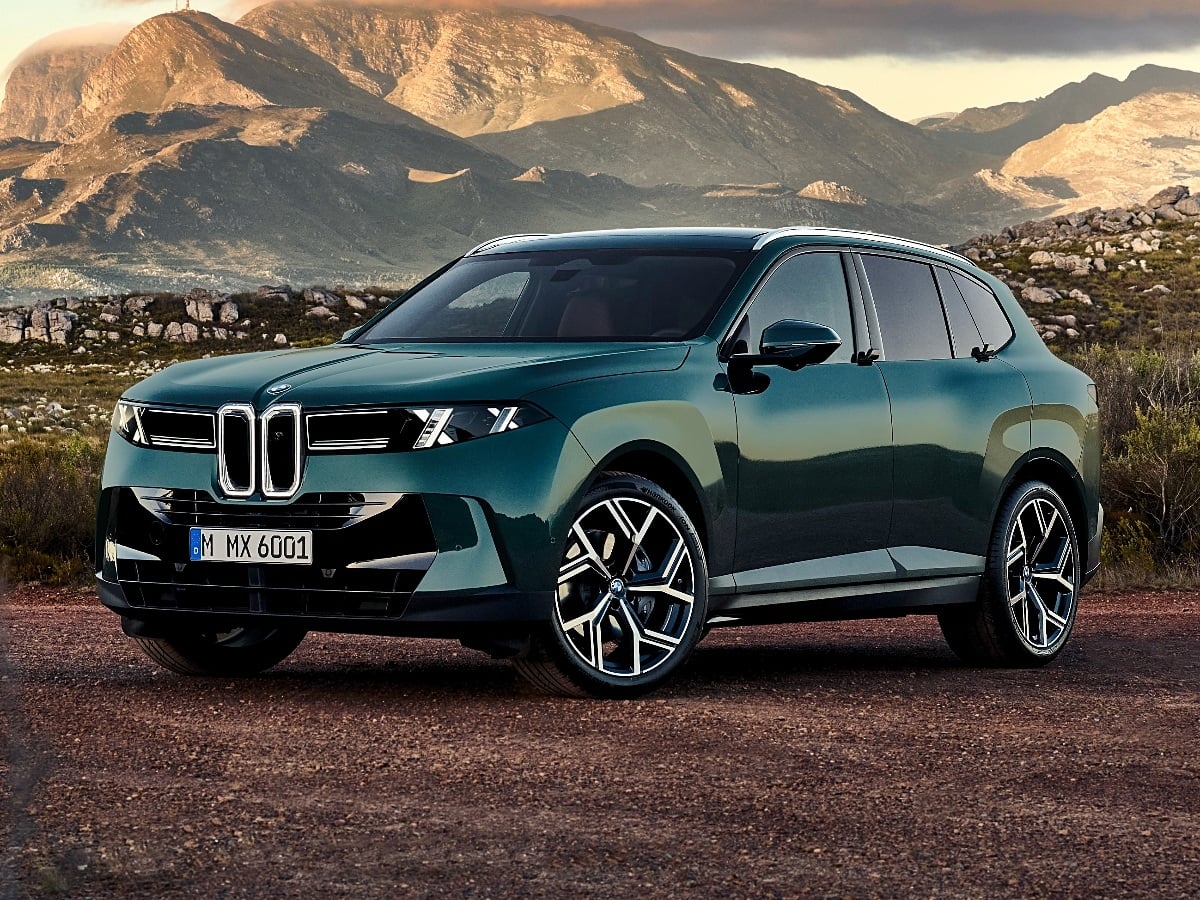
For more than 25 years, the BMW X5 has helped to define the luxury SUV segment. Now, the redesigned fifth-generation 2027 BMW X5 arrives with the automaker’s Neue Klasse styling, a roomier interior, ...See More
Read the Full Article
One of Lexus's most popular models, the NX crossover SUV is also one of the most affordable in the company’s lineup. The 2027 Lexus NX transitions to hybrid-only powertrains, and gets revised ...See More
Read the Full Article
The new 2027 BMW i3 boasts an estimated range of up to 440 miles, 400-kilowatt DC fast charging capability, bidirectional charging to a home or the grid, and next-generation technology.
Read the Full Article