
The long-awaited electrified 2025 Porsche 911 has finally arrived to compete with the first-ever hybrid version of its longtime American rival, the Chevrolet Corvette E-Ray. Porsche's midcycle refresh for the 992 generation, known as 992.2 in company terminology, ushers in the new GTS-exclusive hybrid engine that uses electric turbocharged technology derived from Formula 1 racing. It also incorporates tweaks across the model line that maintain the iconic 911 silhouette.

Porsche only offers the new hybrid powertrain in the 911 GTS model, which is available as a coupe, cabriolet, or Targa (T-top) model, the latter of which comes exclusively with all-wheel drive (AWD). The other standard 911 models, including the Carrera and Carrera Cabriolet, still use the twin-turbocharged 3.0-liter flat-six. That engine has updates that increase output to 388 horsepower, including a new intercooler borrowed from the 911 Turbo and previous-generation 991.1 GTS.
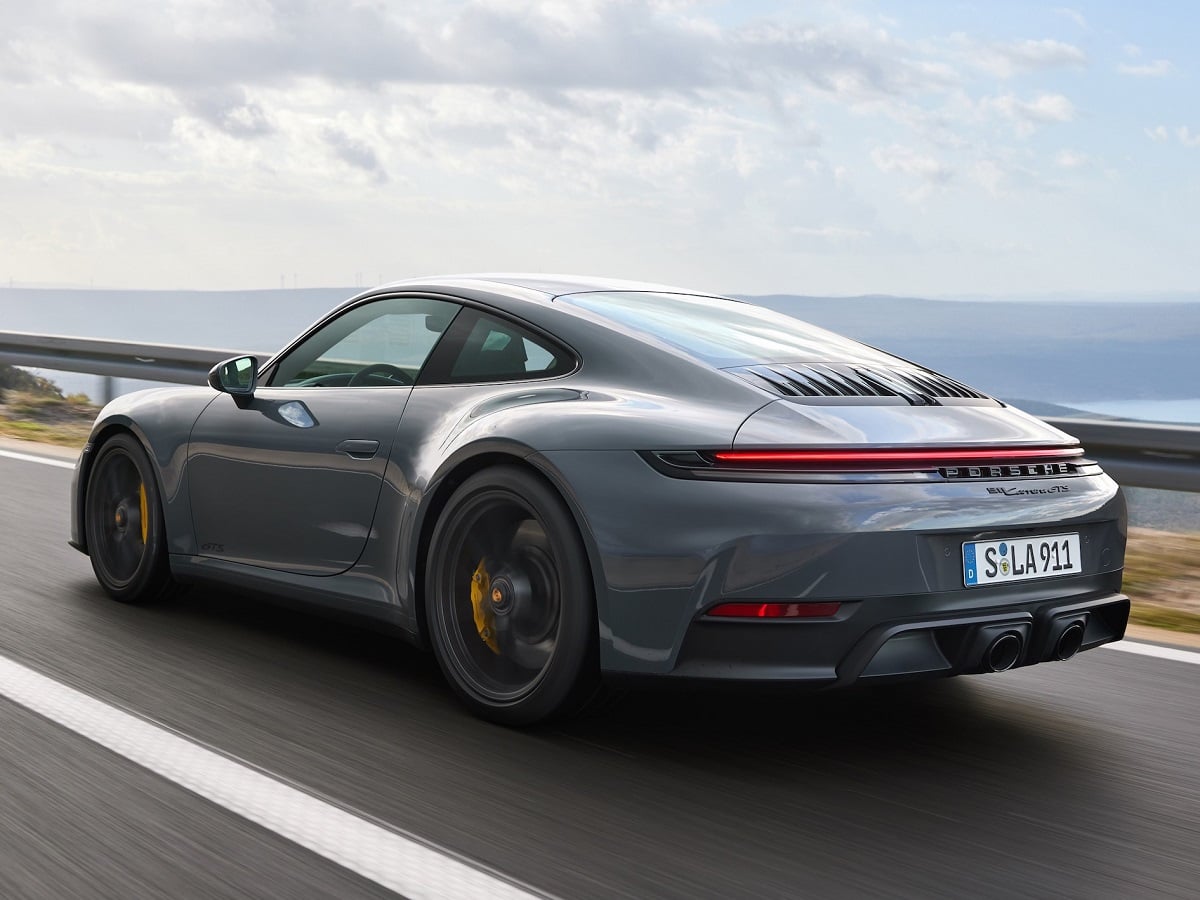
The Porsche 911 has always been known for its iconic teardrop silhouette, and that'll never change. Typical of a mid-cycle update, Porsche makes several adjustments to the front fascia for the 2025 model year, incorporating active aero flaps for improved aerodynamics and cooling. The cover on the rear decklid has updated aero flaps, and the designers subtly redesigned the light bar with the Porsche script that stretches along the back.
Porsche also offers seven unique wheel designs, including lightweight carbon fiber wheels, and single or dual sport exhaust tips, depending on the model.
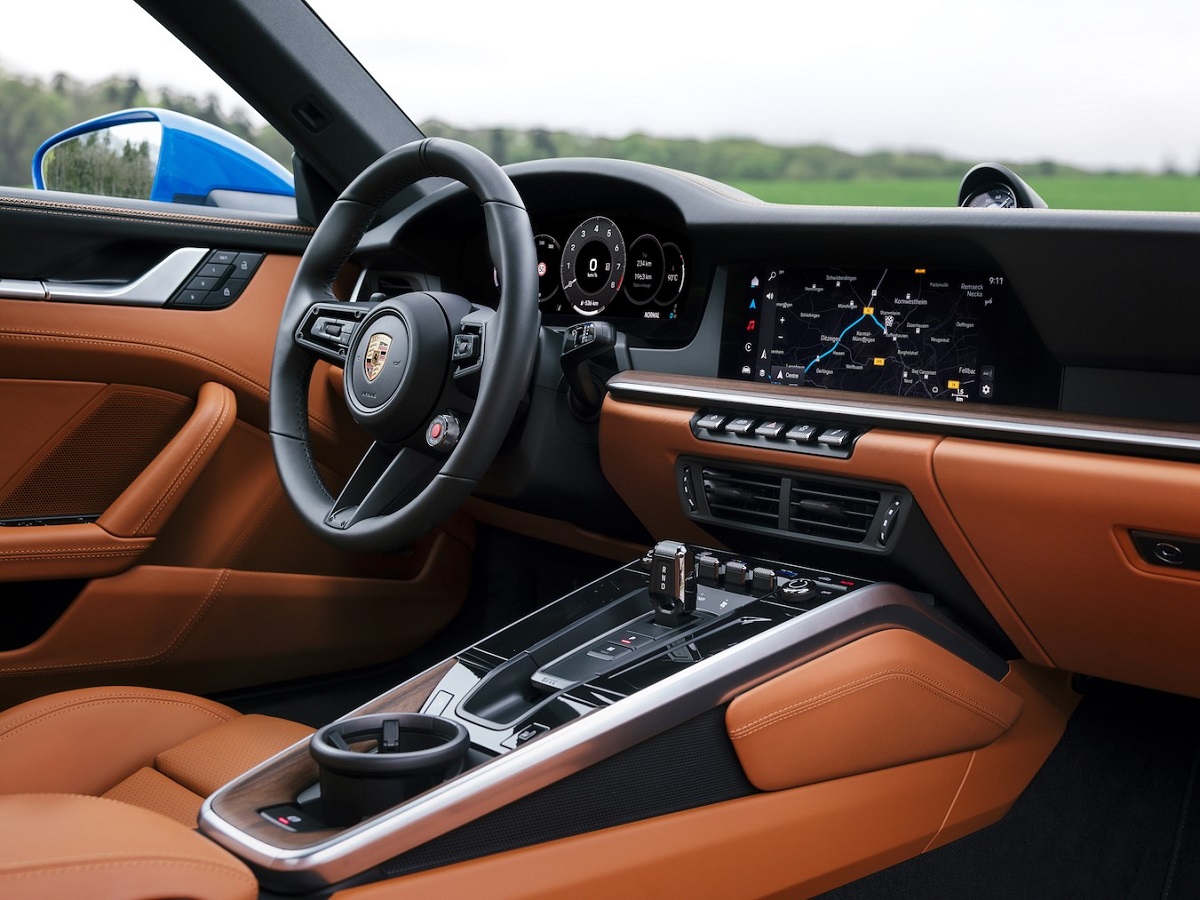
When the most recent generation of the 911 debuted, the cockpit was almost entirely digital, except for the central tachometer. It has now completely evolved into the digital age with a fully digital 12.6-inch curved display gauge cluster and a push-to-start button for the first time. In traditional Porsche racing fashion, the button is to the left of the steering wheel. The 911 is now a standard two-seater with the option to add rear seats.
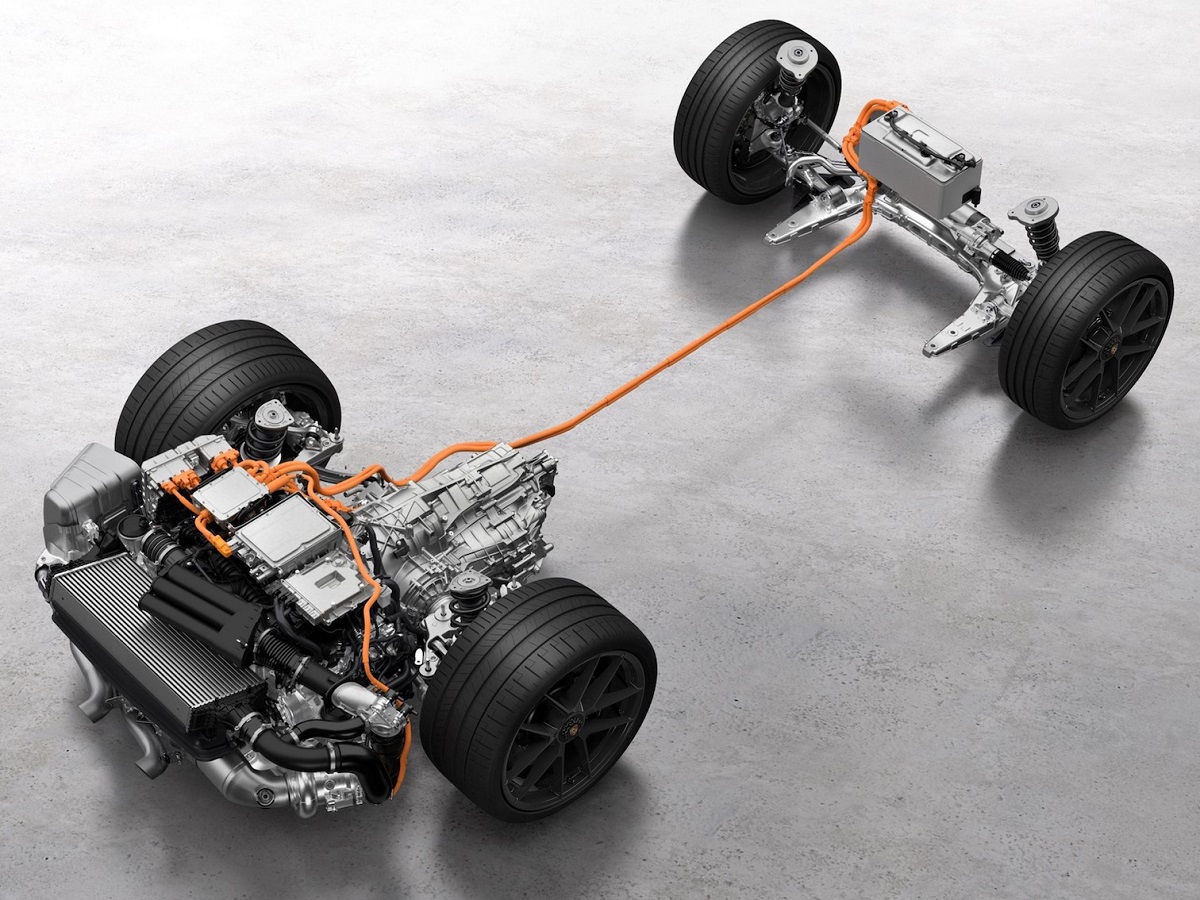
Porsche has extensive experience with hybrids, from Formula 1 racing to developing the 918 Spyder hypercar and producing its E-Hybrid vehicles. Now, for the first time, the 911's flat-six engine receives assistance from electrification.
Porsche introduces the new hybrid 3.6-liter boxer engine only in the GTS model. It uses a single electrically assisted turbocharger, providing boost that comes on sooner. The 911 houses the lightweight lithium-ion battery pack under its front hood, and the total system output of what Porsche calls the "T-Hybrid" is 532 hp and 449 pound-feet of torque.
Porsche says the 911 Hybrid will accelerate from zero-to-60 mph in under 3.0 seconds and have a top speed of 194 mph. The hybrid system sends power to either the rear or all four wheels, which have 10mm wider tires out back to accommodate the extra power, through an eight-speed PDK dual-clutch automatic transmission; there's no manual gearbox available in the 911 Hybrid. It also receives a new standard rear-axle steering system for better maneuverability and adaptive dampers.
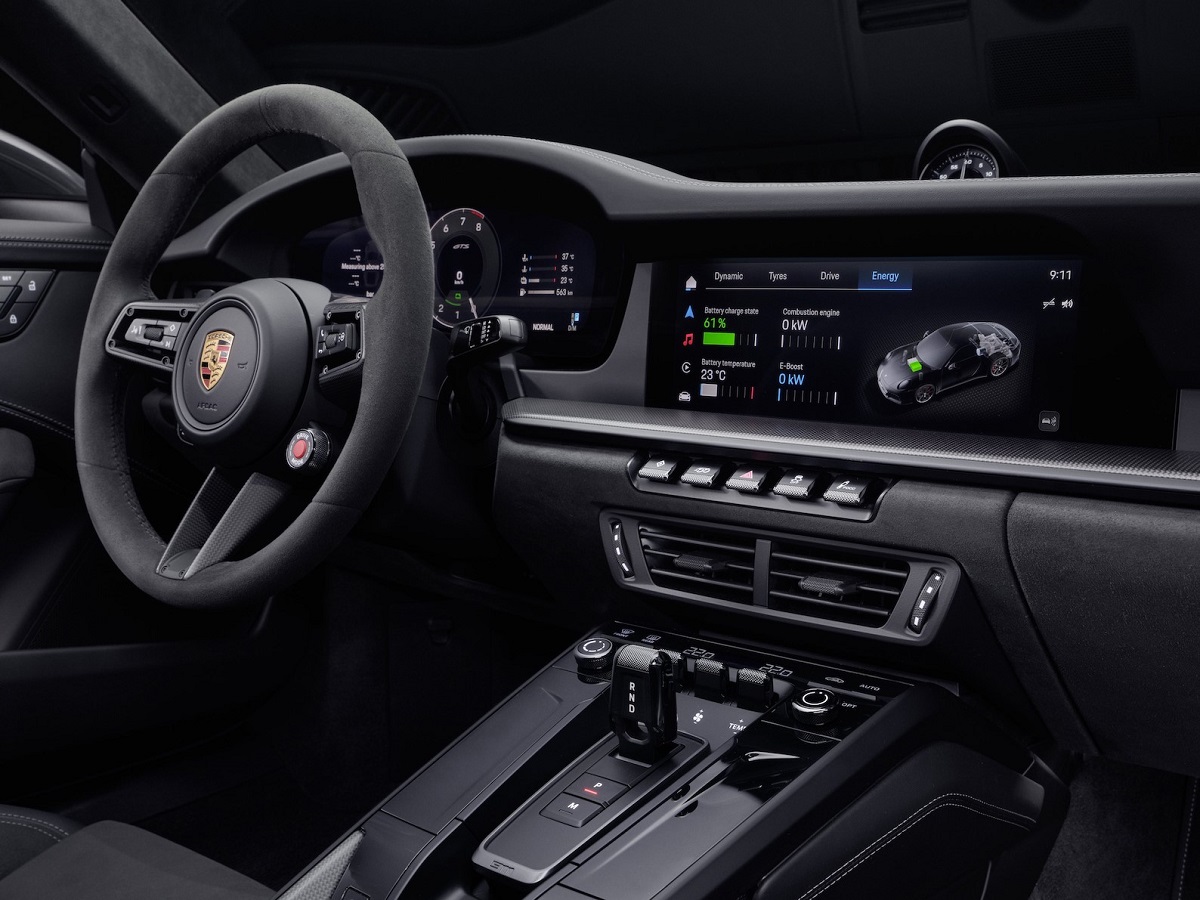
At the center of the new 911's interior is a curved digital gauge cluster that drivers can customize in seven different ways, including retro configurations that make it look like a classic 911. To the right of that, a 10.9-inch touchscreen controls most in-cabin features, though drivers can switch over to Apple CarPlay across both screens.
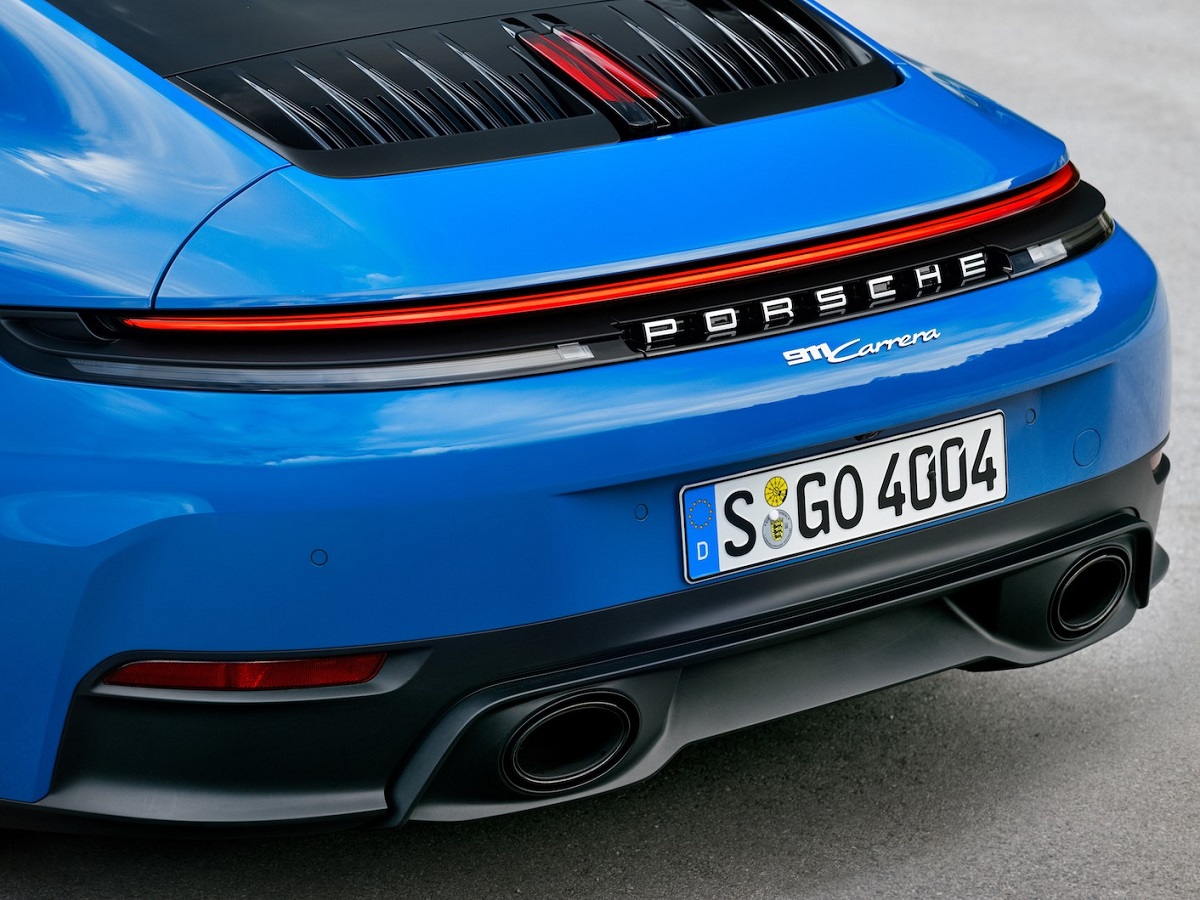
Hybrid sports cars are nothing new, but two icons and longtime rivals—the Porsche 911 and Chevrolet Corvette—are electrified for the first time. Porsche adds an electrically assisted turbocharger to the 911's flat-six, powered by an electric motor in the DCT. The Corvette E-Ray, which is much cheaper than the Porsche, has an electric motor powering the front axle while a 6.2-liter V8 pushes the rear.
Porsche is the source of information in this article. It was accurate as of May 30, 2024, but it may have changed since that date. Always confirm product details and availability with the automaker's website or your local dealership.
Connor Hoffman has worked in the automotive industry since 2018 in both editorial and public relations. He has tested and written about hundreds of cars and helped lead the media launches of the 2024 Toyota Tacoma and Land Cruiser. Connor started his career at Car and Driver after a summer internship and has contributed to Edmunds, U.S. News & World Report, and Capital One Autos.


Although both the 2026 Toyota Corolla and Toyota Camry share Toyota engineering and many standard features, they target different buyers. To see how they compare in value, reliability, performance, ...See More
Read the Full Article
Both the 2026 Toyota Corolla and the 2026 Mazda Mazda3 come with comprehensive safety features and connected services, along with large infotainment screens and premium audio. To see how their ...See More
Read the Full Article
Touchscreens are almost universal in modern cars. However, not all display types are the same. An increasing number of the latest cars use something called an OLED display. But what exactly is OLED, ...See More
Read the Full Article
Although the 2026 Toyota Corolla and the 2026 Nissan Sentra target buyers with similar goals, they take different routes. To see how those approaches translate into real world value, reliability, ...See More
Read the Full Article