
Automakers might be ready to look forward from the pandemic to a world where manufacturing and sales return to normal, but things aren’t likely to be easy. A vicious global microchip shortage has crippled automotive production for nearly every automaker, which means there are fewer new cars for sale. As a result, fewer people are getting rid of older cars, so we now have a system-wide vehicle shortage, which means that prices are up in nearly every direction. That was the finding reached in the latest JD Power Used Vehicle Price Index.
In looking at current market dynamics, JD Power finds that wholesale pricing for mass-market vehicles is up 37 percent for large cars, 48 percent for small cars, and 37 percent for large pickup trucks. The premium segment has seen slower but notable price growth, with midsize premium cars climbing 23 percent and large premium SUVs increasing 30 percent. It’s worth noting that during the chip shortage, automakers have shifted production capacity to keep pace with demand for high-profit vehicles like pickup trucks. The increase in truck production volume has helped soften prices and prevent used truck prices from skyrocketing.
JD Power also notes that wholesale volume—the number of vehicles being bought and sold—is down 12 percent this year from the same 9-month period in 2020. Current wholesale volume is even below pre-pandemic levels, trending 26 percent lower than in 2019. Premium vehicles have seen a 1-percent increase in wholesale volume so far this year, which JD Power cites as a significant factor contributing to their less intense price growth.
What does this mean? In short, prices aren’t going down any time soon. The ongoing global chip shortage and pandemic have slowed new-car production, which means fewer people are leasing new cars and fewer cars are being sold to rental companies—both of which are typical drivers of used car inventory. Consumer demand is another major factor, as people are ready to spend the money they saved during the last 18 months in lockdown.
Analysts don’t expect things to smooth out for quite some time, either, as vehicle values are projected to climb a further 8.6 percent in 2022 and won’t stabilize until deep into 2025 at the earliest, according to the latest index. Analysts further expect dealer inventory to return to pre-pandemic levels, but incentives may not return in the same way we saw them before.
JD Power is the source of information for this article. It was accurate on October 14, 2021, but it may have changed since that date.


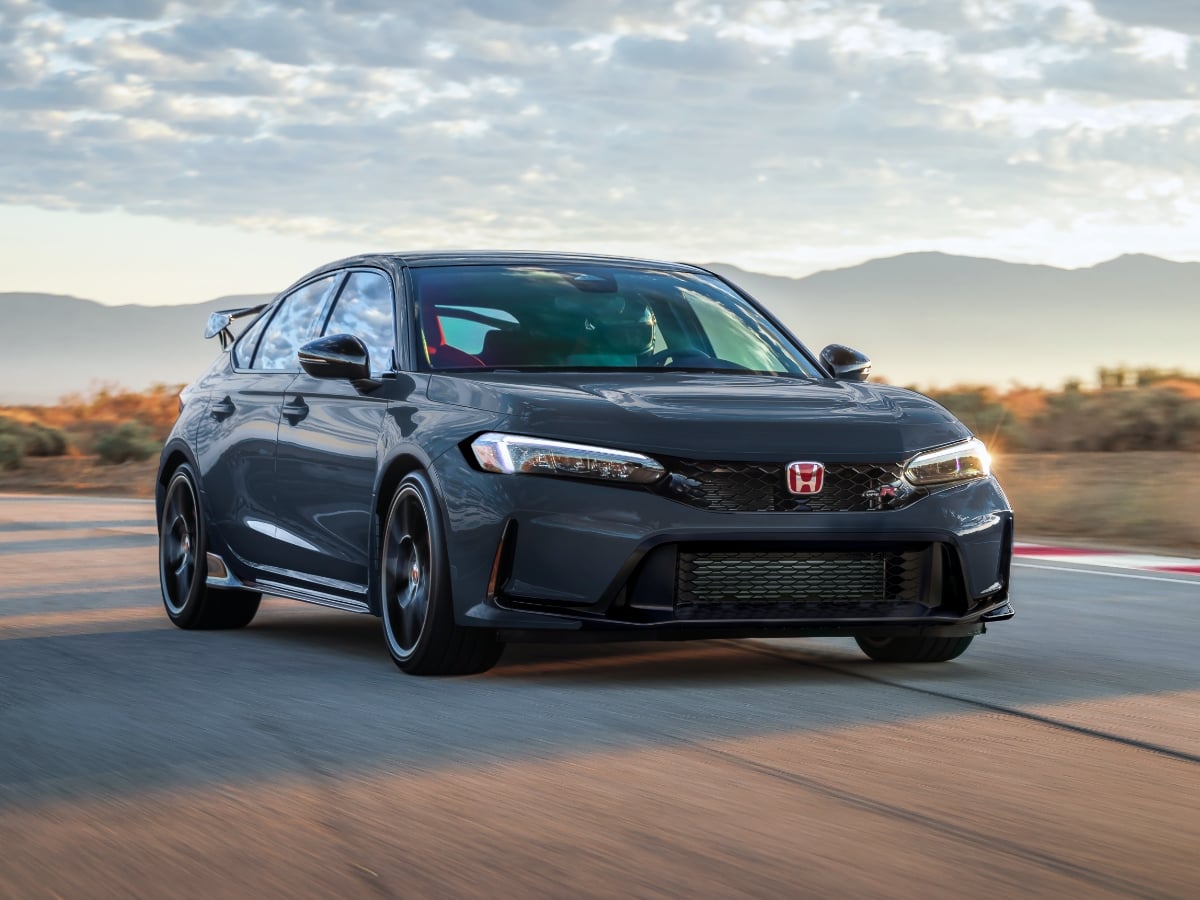
The 2027 Civic Type R goes on sale in October 2026, and it starts at $49,990, including the $1,295 destination charge.
Read the Full Article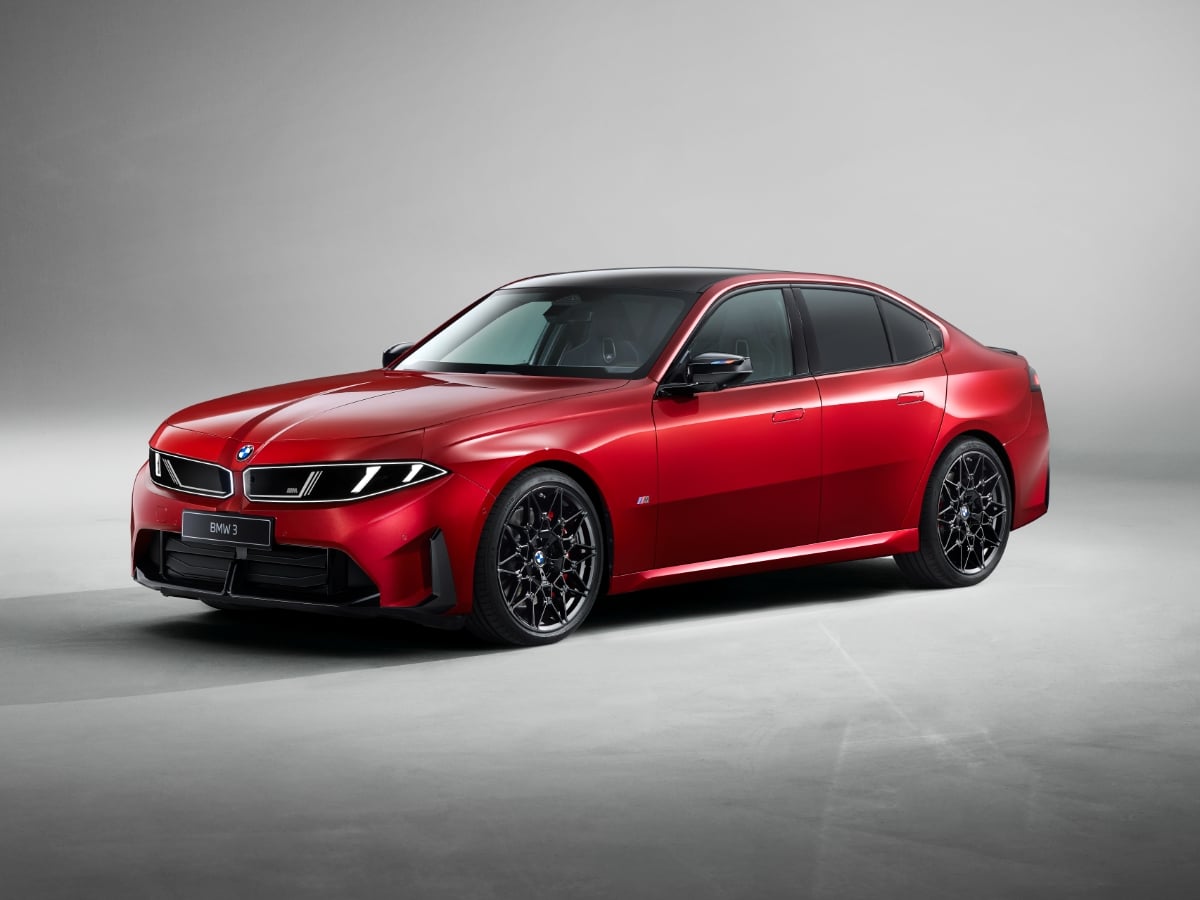
Part of BMW’s Neue Klasse (new class) rollout of redesigned models, the 2027 BMW 3 Series is all-new and goes on sale in the first quarter of 2027.
Read the Full Article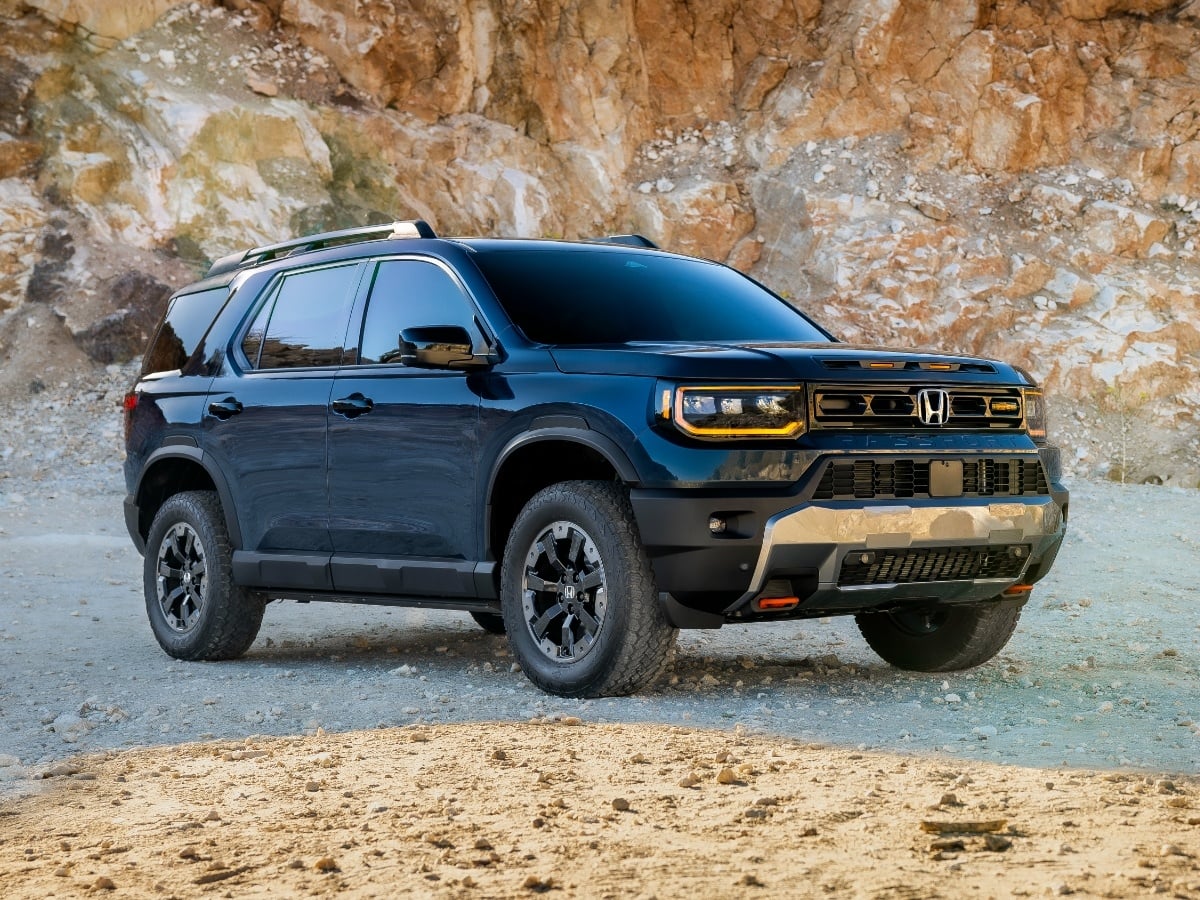
Updates to the 2027 Honda Passport TrailSport include a reworked suspension, improved steering, subtle styling enhancements, and added standard equipment.
Read the Full Article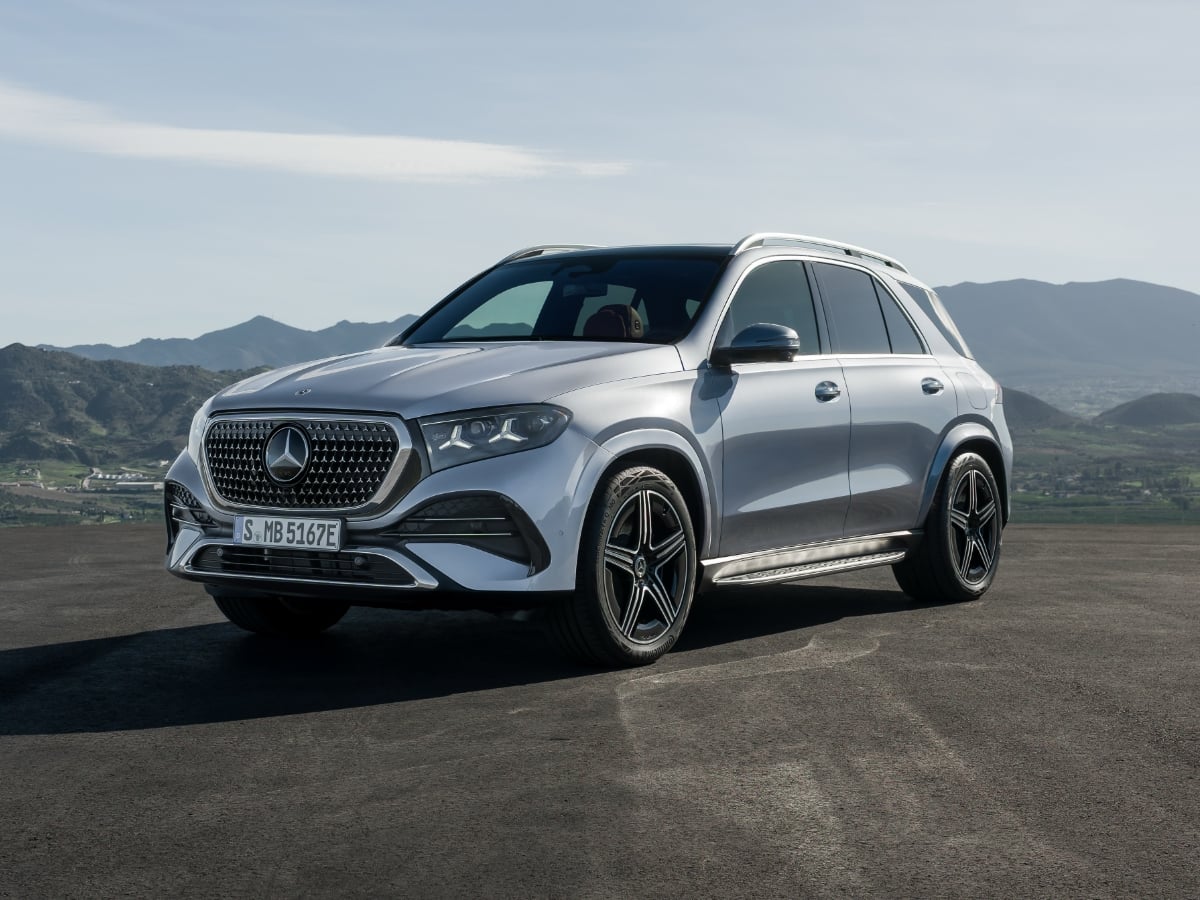
The midsize 2027 Mercedes GLE remains available in original and spicy Coupe recipes, now with standard 4Matic all-wheel drive (AWD), MBUX Superscreen technology, and a panoramic glass sunroof for ...See More
Read the Full Article