
Porsche, the prestigious German carmaker, is celebrating its 75-year journey with the unveiling of a visionary concept car, the Mission X. The company provided an electrifying sneak peek into the future of sports cars, showcasing a stunning amalgamation of innovative technologies, exemplary design, and legendary Porsche heritage. However, the automaker clarified that the Mission X is a design study, and it will decide on production details in due course.
"The Porsche Mission X is a technology beacon for the sports car of the future," said Oliver Blume, Chairman of the Executive Board of Porsche AG. It harks back to the timeless classics – the 959, the Carrera GT, and the 918 Spyder – and draws critical insights from these icons to influence future vehicle concepts. He added, “Daring to dream and dream cars are two sides of the same coin for us: Porsche has only remained Porsche by constantly changing.”

Embodying the brand's unwavering commitment, Michael Mauer, Head of Style Porsche, emphasized that the Mission X is a manifestation of Porsche's enduring brand and product identity. It signifies a harmonious blend of luxurious aesthetics and unmistakable motorsport DNA.
Dimensionally, the Mission X concept study mirrors the Carrera GT and 918 Spyder, measuring approximately 177 inches in length, 78.7 inches in width, with a wheelbase of 107.4 inches. This compact hypercar sports 20-inch front and 21-inch rear staggered tires for improved aerodynamics.
Porsche’s Mission X signifies the epitome of modern luxury and unyielding performance. Its sleek body, under 47.2 inches tall, is outfitted in a specially designed Rocket Metallic paint, illustrating that hypercars can be luxuriously elegant rather than just aggressive. The use of carbon fiber below the beltline, showcased with a satin finish, maintains a visible material structure, exuding a premium feel.
The hypercar features elaborate wheel details: the rear axle is equipped with nearly transparent aero blades that function as turbines to ensure efficient brake cooling. A lightweight glass dome roof featuring a carbon fiber-reinforced plastic (CFRP) exoskeleton extends over the passengers, offering a unique cabin experience. Inspired by the historic Porsche 917 race car, Le Mans-style doors have been incorporated, which open forwards and upwards.
The design innovation is further highlighted by the reinterpretation of Porsche's characteristic four-point light signature. Drawing inspiration from historic race cars such as the Porsche 906 and 908, the vertical base form of the headlights is dramatically drawn down towards the road, enclosed by a high-tech support structure that frames the LED light modules. These lights, when activated, open up like an eye blinking, and when fully illuminated, they make a confident statement.
The rear of the Mission X is characterized by a full-length light unit that seems to float in the air. Transparent, illuminated Porsche lettering is a striking feature, with the sculptural rear light emerging from a support structure and extending across the entire vehicle width in four segments. While charging, the 'E' of the Porsche lettering pulses, adding a dynamic touch.
The car also premieres a modernized Porsche crest that communicates the character of Porsche with a cleaner and state-of-the-art design. Adorned with a three-dimensional honeycomb structure, brushed precious metal, and a subtler gold color, the crest can be found on the hood, steering wheel, and monochrome on the wheel centers.
The interior of the Mission X caters to the driver's focus, evident from its asymmetric design and color concept. The two seats are distinctively colored, with the driver's seat in Kalahari Grey, harmonizing with the center console and the dashboard, while the passenger seat is decked in a contrasting Andalusia Brown shade. The motorsport influence is perceptible through the open-top steering wheel equipped with mode switches and shift paddles, carbon fiber-reinforced plastic (CFRP) seat shells, and six-point seatbelts integrated into the monocoque. An array of onboard cameras begins recording at the push of the Record button on the multi-purpose controller.
One unique feature is the bayonet system on the passenger side, to which a specially designed stopwatch module can be attached. This module, created by Porsche Design for the Mission X, offers both analog and digital displays. It caters to racetrack and rally use, displaying vital driver data, lap times, and other information.
From a technical perspective, the Mission X holds high ambitions. With an impressive power-to-weight ratio of roughly one hp per 2.2 lbs. and substantial downforce values exceeding the current 911 GT3 RS with an advanced 900-volt system architecture for improved charging performance, the concept study sets the bar high for sustainable mobility. If the Mission X goes into production, it is expected to be the fastest road-legal vehicle on the Nürburgring Nordschleife, and its charging speed would be approximately double that of the current frontrunner, the Taycan Turbo S.

The battery is strategically placed behind the vehicle's seats, following an 'e-core layout' that centers the car's mass, similar to a conventionally powered mid-engine car. This layout promises excellent agility, a vital aspect of Porsche's e-performance.
Drawing a parallel with the Porsche lineage, the Mission X concept is seen as the spiritual successor of milestone models like the 959, Carrera GT, and the 918 Spyder, each of which held the distinction of being the fastest series-production cars of their time. In fact, the 918 Spyder was the first road-approved vehicle to break the seven-minute barrier on the 12.8-mile Nürburgring Nordschleife, recording a lap time of 6:57 minutes. Porsche aspires to uphold this high standard of e-performance if the Mission X goes into series production.
Finally, Porsche has set up a press microsite dedicated to the Mission X, where interested parties can find detailed press kits, high-resolution photos, and video material. Visit https://porsche.link/230608-de to access these resources.
In essence, the unveiling of the Mission X concept car not only marks 75 years of Porsche’s legacy but also presents a vision of the future sports car, where sustainability, performance, and luxury intersect seamlessly. As a technology beacon, it pays tribute to its iconic forebears while challenging conventions and embracing change, staying true to Porsche's ethos. The production decision may still be pending, but the Mission X is an undeniable testimony to Porsche's ceaseless pursuit of automotive excellence.


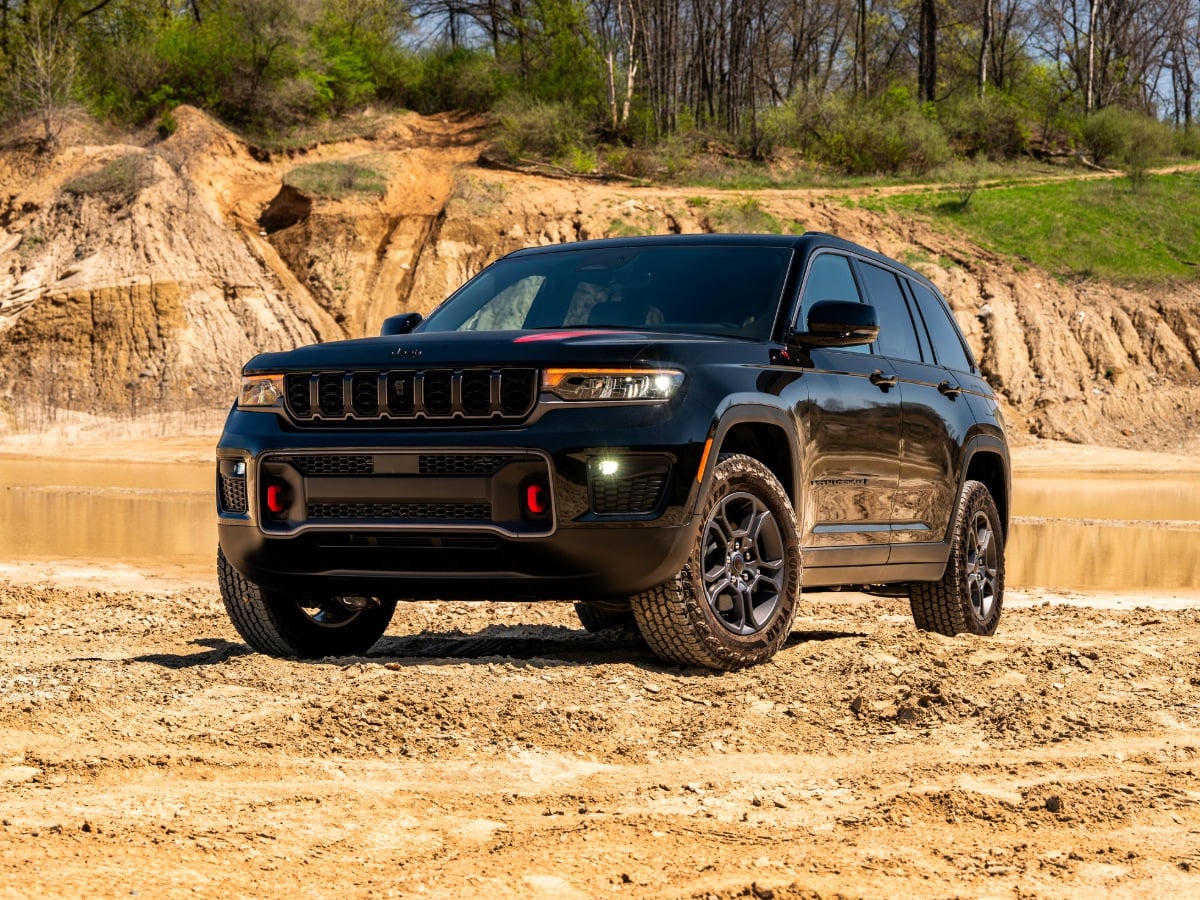
Following a refresh for the 2026 model year, the 2027 Jeep Grand Cherokee lineup brings back two familiar variants, the go-anywhere Trailhawk and the premium-yet-capable Overland, offering buyers ...See More
Read the Full Article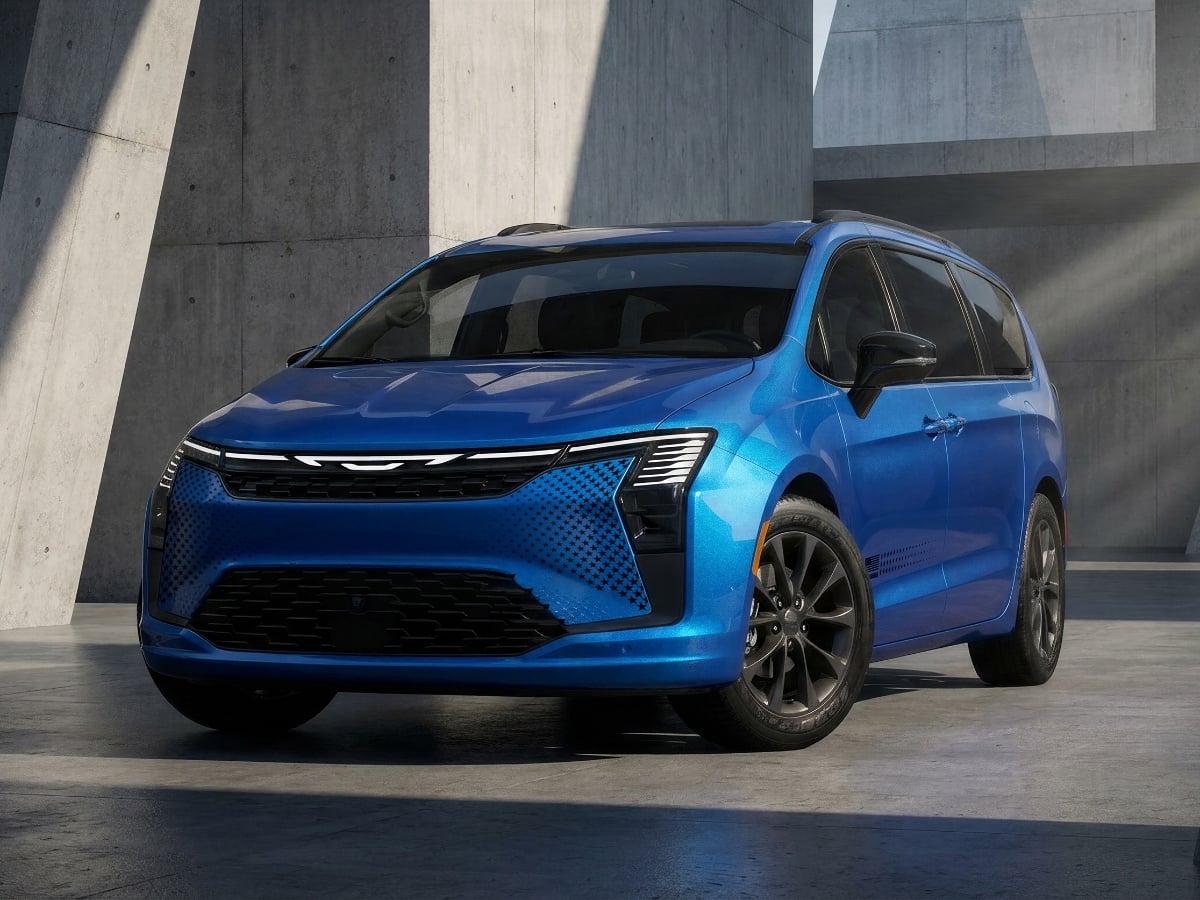
Chrysler, the company that launched the modern minivan segment in 1984, is giving its popular 2027 Chrysler Pacifica a nose job and introducing a special edition commemorating America’s 250th ...See More
Read the Full Article
An all-new GMC Sierra 1500 debuts for the 2027 model year, featuring next-generation V8 engines, a premium interior with wide digital displays, and class-exclusive luxury and technology features on ...See More
Read the Full Article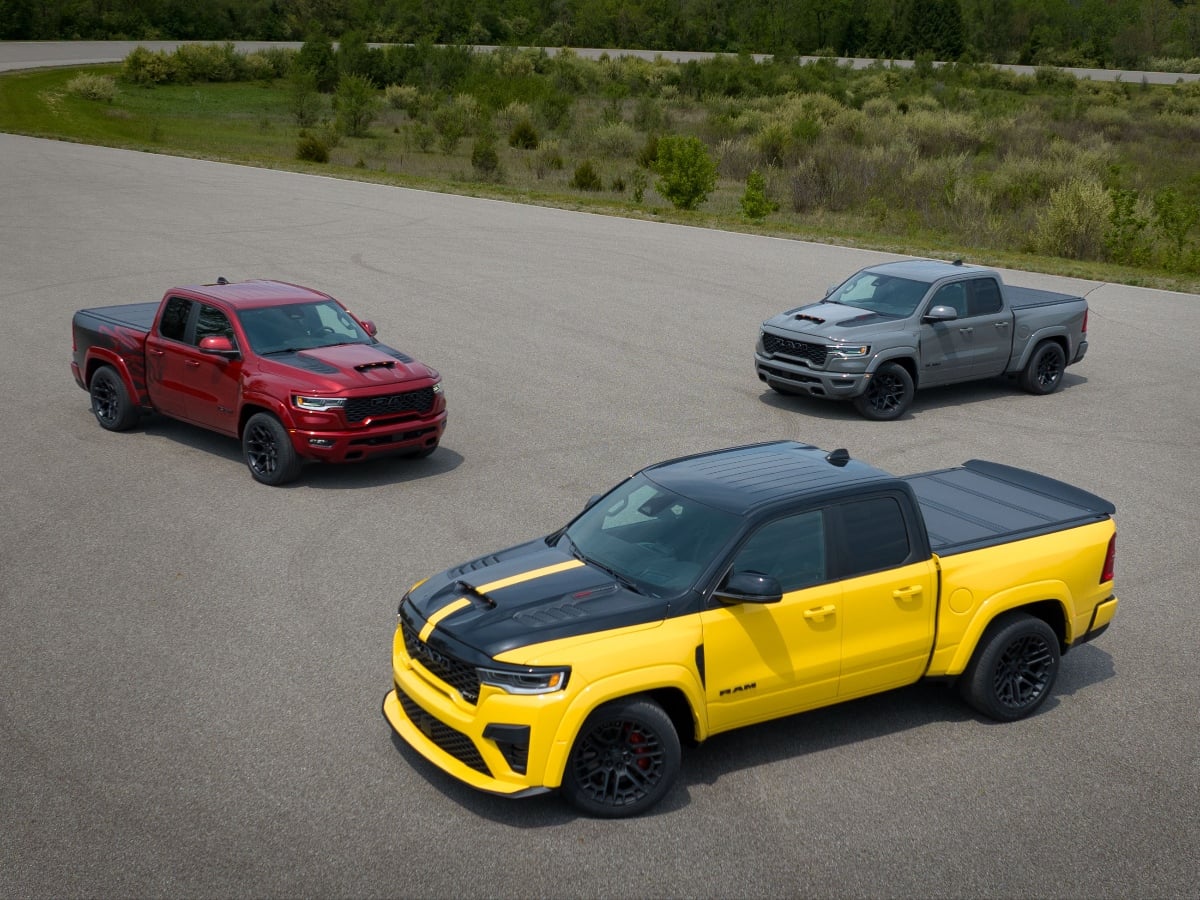
With the 2027 Ram 1500 Rumble Bee, Ram aims to revive the domestic muscle truck segment by offering a trio of Hemi V8 engines, including the 777-horsepower Rumble Bee SRT.
Read the Full Article