
The Hyundai Electric-Global Modular Platform (E-GMP) is a skateboard-style foundation for battery electric vehicles (BEVs).

Designed for use with various body styles, the Hyundai E-GMP employs a new, compact Power Electric (PE) System. The PE System includes a liquid-cooled battery pack housed between the front and rear axles, an inverter equipped with silicon carbide semiconductors, and an integrated drive axle with an oil-cooled electric motor turning the rear wheels. A second electric motor is available, powering the front wheels and creating an electric all-wheel-drive system that drivers can switch on and off.
Hyundai claims the E-GMP’s smaller components save weight, making vehicles using the platform more efficient. In turn, this also frees Hyundai to reduce the emphasis on aerodynamics and offer more alluring BEV designs. Depending on the vehicle, the E-GMP can provide up to 310 miles of driving on the WLTP cycle, and Hyundai claims performance models will hit 60 mph in less than 3.5 seconds while accelerating to a top speed of about 160 mph.
Patented multi-charger technology gives a vehicle based on the E-GMP compatibility with various charging stations ranging from a 240-volt home charging station to a 350-kW DC Fast Charger. Hyundai engineered the charging system and battery to add more than 60 miles of driving range after five minutes of high-powered fast-charging and to achieve an 80% charge in less than 20 minutes. Hyundai also claims it may add wireless EV charging capability in the future.
If an E-GMP-based vehicle has plenty of battery charge remaining, owners can use it to power 110-volt and 220-volt household appliances or power tools. This capability is thanks to a new vehicle-to-load (V2L) feature delivering up to 3.5 kW of electricity. Hyundai says you can even use an E-GMP vehicle to recharge another electric vehicle.
Hyundai encases the battery pack in an ultra-high-strength steel frame. The company is also making significant efforts to secure the battery to the platform using eight mounting points and to engineer E-GMP vehicles to absorb and deflect crash energy in a way that prevents it from entering the passenger compartment or battery housing.
Because the E-GMP is a modular platform, Hyundai envisions using it under a variety of BEVs and is exploring its potential with fuel cell electric vehicles (FCEVs). Thanks to a long wheelbase, short front and rear overhangs, a low center of gravity, and the promise of roomy interiors with flat floors, the E-GMP is suitable for larger cars and crossover SUVs. Hyundai says it will also continue to sell BEVs based on traditional vehicles that also offer an internal combustion engine, similar to today’s Kona Electric.
The first production vehicle to use the E-GMP is the 2022 Ioniq 5, a midsize crossover SUV. (Currently, Ioniq is the name of a family of hybrid, plug-in hybrid, and electric hatchback cars, but Hyundai is making it a sub-brand for use with its upcoming EVs.) After the Ioniq 5 arrives, Kia will employ the E-GMP in a new performance-oriented crossover SUV. After that, Hyundai Motor Group will use the E-GMP in numerous Genesis, Ioniq, and Kia models in the coming years.
Hyundai Motor Group is the source of information in this article. It was accurate on December 2, 2020, but it may have changed since that date.


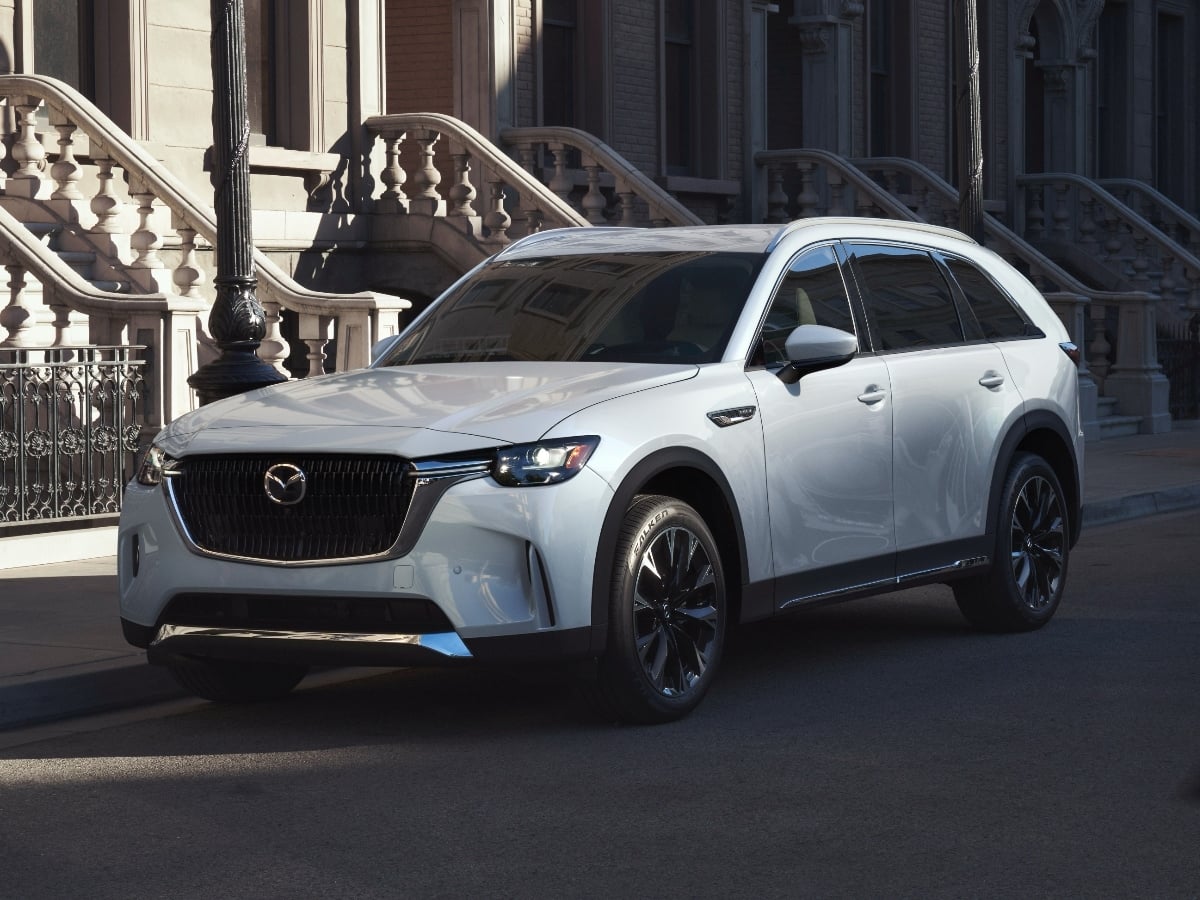
Mazda is discontinuing the five-passenger midsize CX-70 crossover SUV for the 2027 model year. But do not worry. The automaker is moving that configuration to the CX-90 lineup, where it will be ...See More
Read the Full Article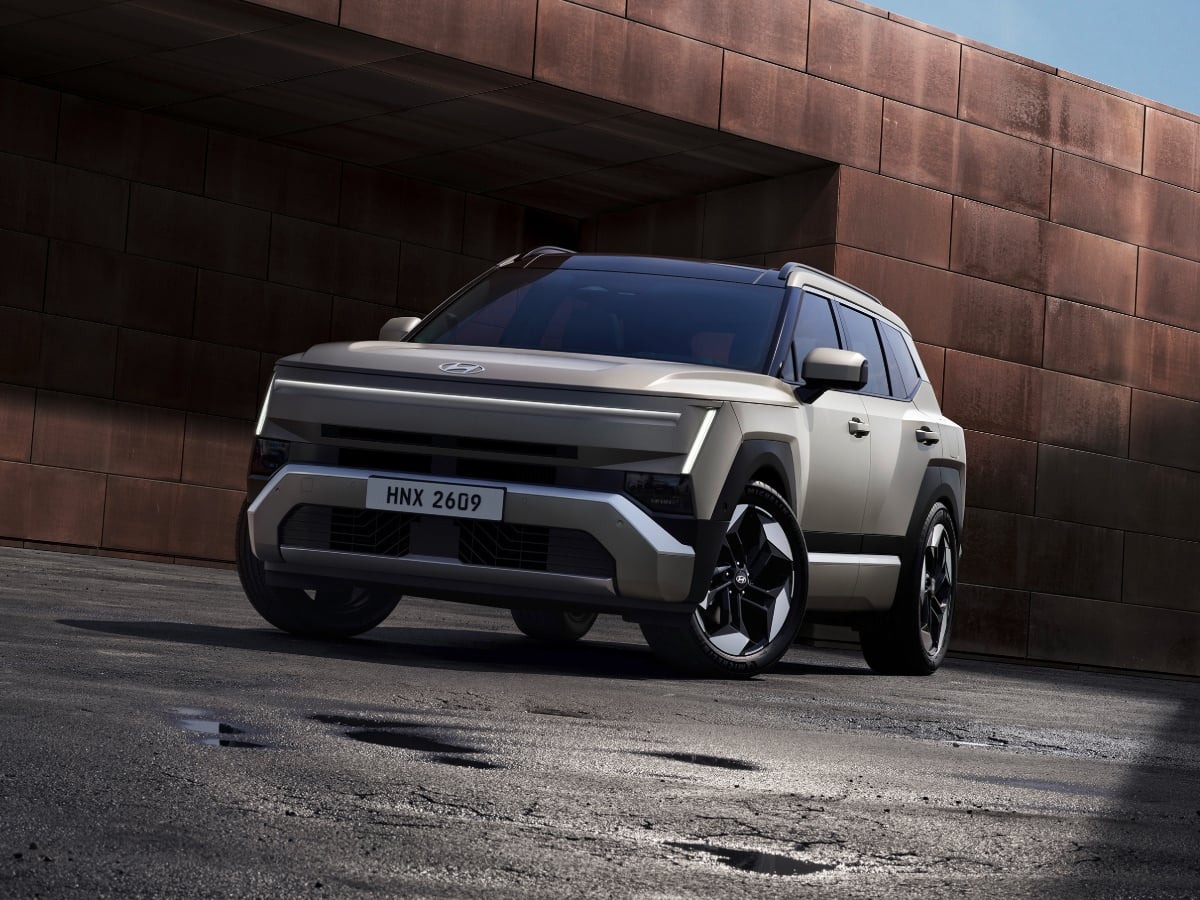
With a purposeful new design and some trail-ready upgrades, the 2027 Hyundai Tucson is pushing the brand's best-selling crossover SUV into more aggressive territory.
Read the Full Article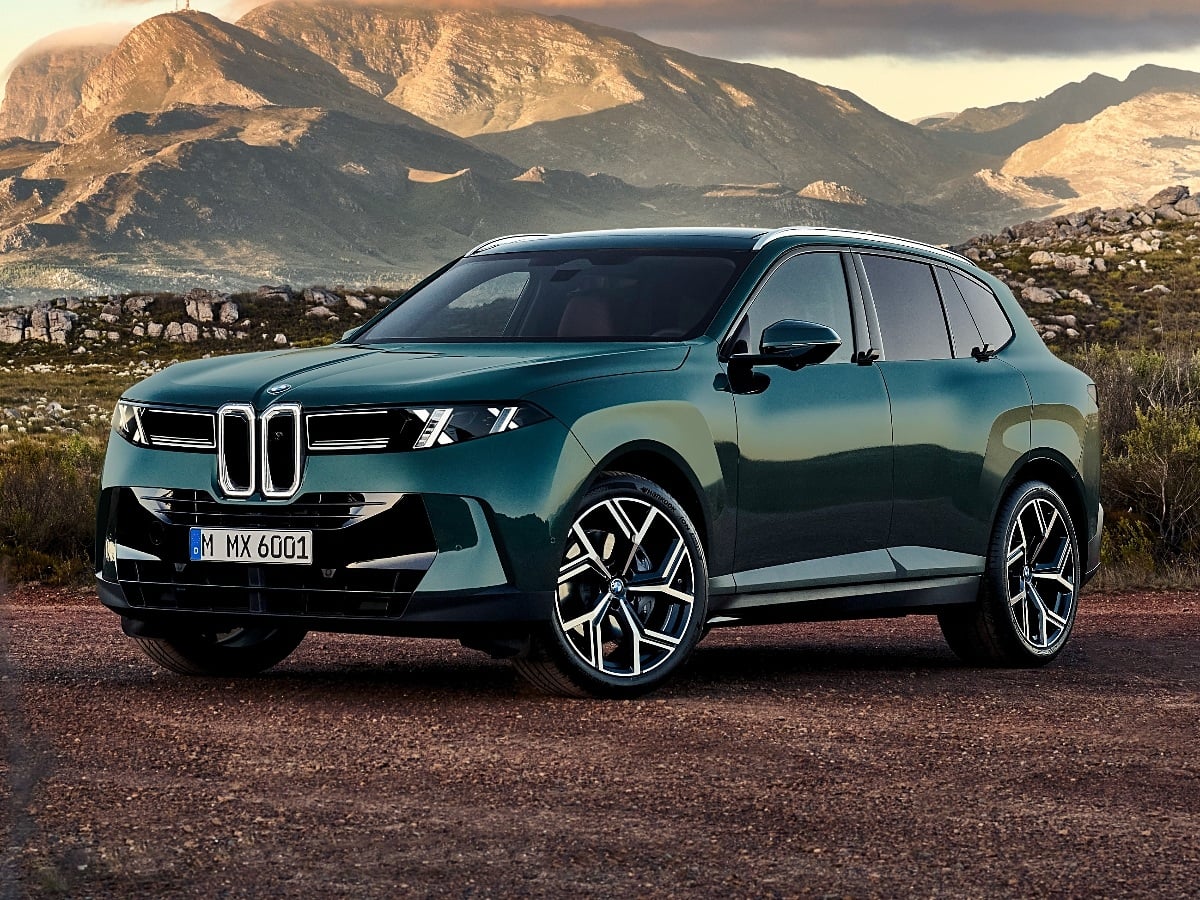
For more than 25 years, the BMW X5 has helped to define the luxury SUV segment. Now, the redesigned fifth-generation 2027 BMW X5 arrives with the automaker’s Neue Klasse styling, a roomier interior, ...See More
Read the Full Article
One of Lexus's most popular models, the NX crossover SUV is also one of the most affordable in the company’s lineup. The 2027 Lexus NX transitions to hybrid-only powertrains, and gets revised ...See More
Read the Full Article