
For electric vehicle (EV) shoppers, battery range is critical when deciding which zero-emission vehicle to buy. But it is essential to understand that an EV range estimate quoted by a car company is often not the same as a vehicle’s real-world travel range on a fully charged battery.

To measure and establish a vehicle’s EV range, automakers around the world rely on one of three testing standards. They include the New European Driving Cycle (NEDC), Worldwide Harmonised Light Vehicle Test Procedure (WLTP), and the Environmental Protection Agency (EPA) test.
The NEDC and WLTP are both European standards, while the EPA test is for the U.S. Each has its own set of testing procedures, outlined in the sections that follow. Generally, the NEDC is considered the least accurate of the three, while the EPA test offers the closest approximation to real-world results for American drivers.
The primary difference between European and U.S. standards is the emphasis on city versus highway driving phases in Europe.
The NEDC and WLTP focus primarily on urban and suburban travel in achieving their estimates because that is the type of driving most Europeans encounter. The EPA emphasizes highway driving since Americans spend more time on interstates, whether they are commuting to work or traveling long distances for recreational reasons.
In Europe, the NEDC was established in the 1980s and was last updated in 1997. In addition to being old and outdated, this test cycle is viewed less favorably because of its lab-based approach that collects data under ideal conditions rather than scenarios that are more representative of real-world driving.
The WLTP system, introduced in 2017, is replacing the NEDC methodology. The newer WLTP procedures aim to test vehicles under conditions that are more realistic and better mimic on-road performance.
Both methodologies can estimate EV driving range. However, to yield more accurate figures, the WLTP makes several enhancements over the NEDC. For example, the WLTP moves from a single test cycle of 20 minutes to a dynamic test cycle lasting 30 minutes. The test cycle doubles the distance and number of driving phases, and it includes a better balance between urban and non-urban driving. The WLTP also tests vehicles at higher speeds, varying shift points, and more realistic temperatures than the NEDC.
These changes make the WLTP more accurate, with EV range estimates approximately 10% higher than what Europeans experience. Compare that to the NEDC’s tendency to overestimate by 25% to 30%, and you’ll understand why the WLTP is more trustworthy.
In the U.S., the EPA testing procedures are more rigorous than the NEDC and the WLTP, resulting in estimates that are more accurate for real-world driving on American roads.
For EVs, the EPA commonly uses a testing procedure known as the multi-cycle test, which requires full charging of the battery, followed by parking the vehicle overnight. The next day, the EPA puts the EV on a dynamometer and subjects it to successive city, highway, and steady-state driving cycles until the vehicle is entirely out of charge. Following another complete battery recharging session, the EPA derives an estimate for the driving range.
Additionally, this test also provides a reliable miles-per-gallon-equivalent (MPGe) estimate aside from the vehicle range.
When automakers reveal new EVs destined for the U.S. market in other parts of the world, they may quote NEDC or WLTP driving range estimates.
When you’re researching EVs, remember that range numbers based on these testing protocols are optimistic for American drivers. Also, whenever possible, compare EV driving range using data derived from a common testing standard to get a clear picture of the relative differences in capabilities between different models.
Lastly, don’t forget that if you do buy an EV, your real-world driving range will vary based on your driving style, use of optional equipment, and road conditions. So while a new GMC Hummer EV might earn a range rating of 350 miles, driving it as seen in the photo above will considerably shorten that distance.


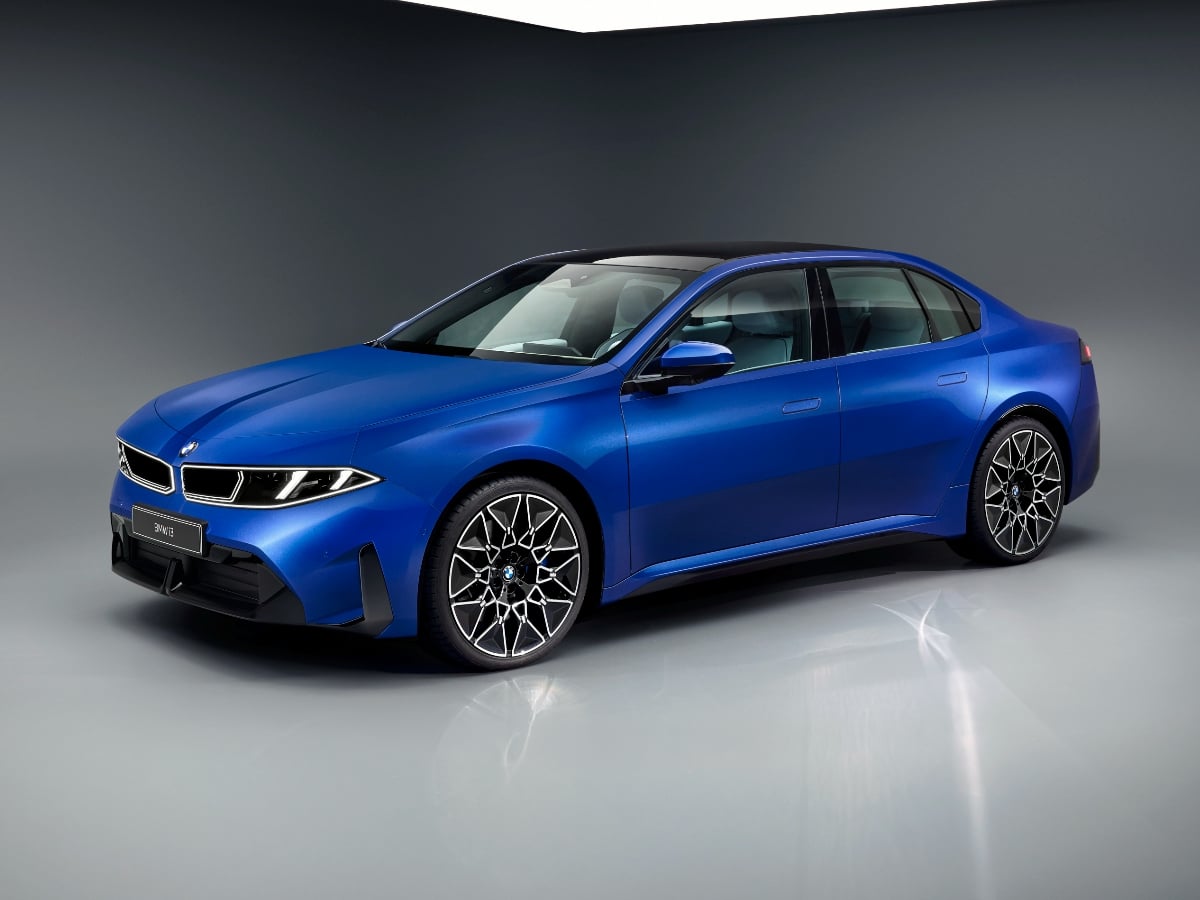
The new 2027 BMW i3 boasts an estimated range of up to 440 miles, 400-kilowatt DC fast charging capability, bidirectional charging to a home or the grid, and next-generation technology.
Read the Full Article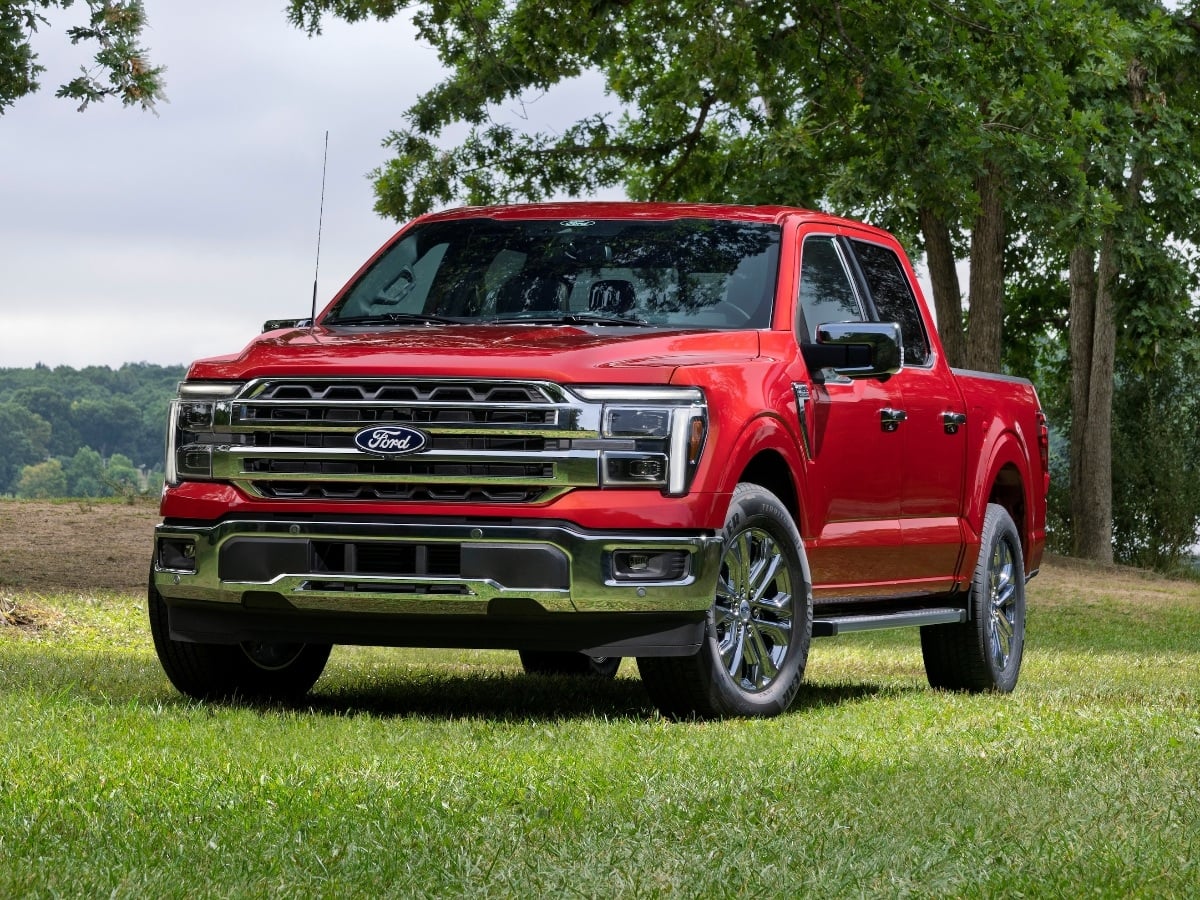
Facing renewed competition in the full-size, light duty pickup truck segment, the 2027 Ford F-150 receives subtle styling updates, a new standard engine, broader availability of its 5.0-liter V8, and ...See More
Read the Full Article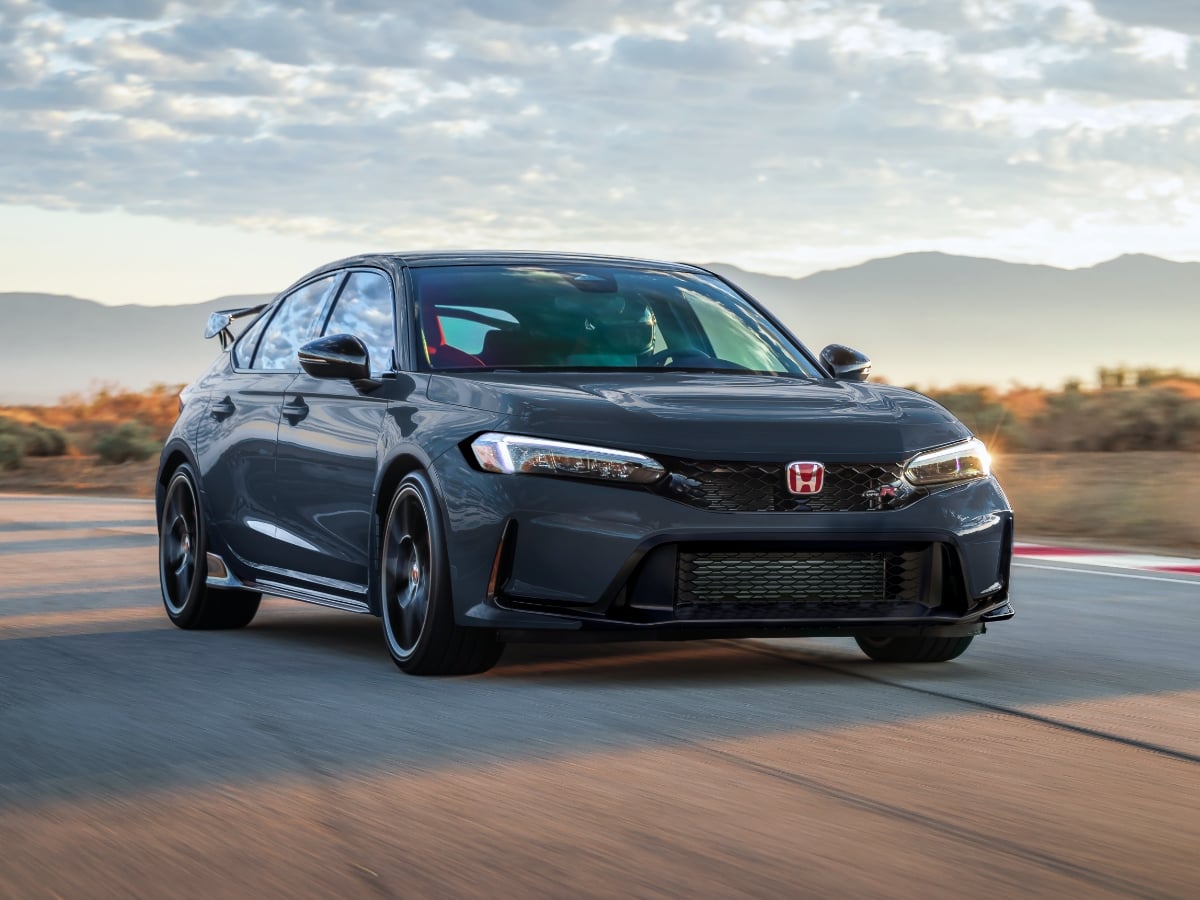
The 2027 Civic Type R goes on sale in October 2026, and it starts at $49,990, including the $1,295 destination charge.
Read the Full Article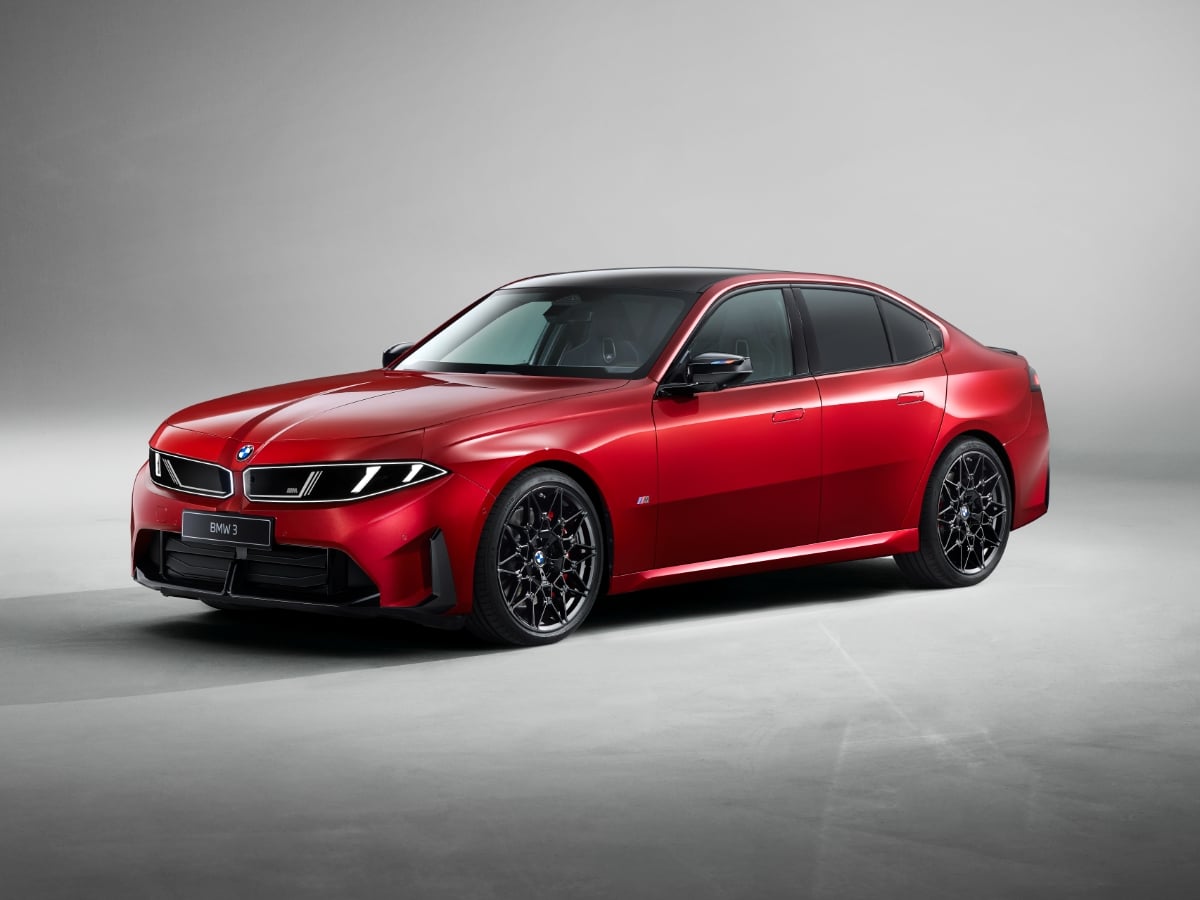
Part of BMW’s Neue Klasse (new class) rollout of redesigned models, the 2027 BMW 3 Series is all-new and goes on sale in the first quarter of 2027.
Read the Full Article