
Logistics is a very progressive industry that links consumers and producers through a supply chain network that employs various modes of transportation, most notably trucks. A semi-truck without an attached trailer at a given time is known as a "Bobtail truck" or said to be "Bobtailing.” It’s difficult to imagine trucking without Bobtailing.

A Bobtail truck does not contain any freight, so it cannot generate revenue for its owner. This is one of the reasons that "Bobtailing" is often confused with "deadheading.” Both terms refer to cargo-free trucks at a specific time, but a small difference exists. Bobtailing is driving a freight carrying truck without an attached trailer, whereas in "deadheading,” trucks have an attached but empty trailer.
In this article, we will discuss everything you need to know about Bobtailing. What are the different types of Bobtailing? What does the term mean? And why do truck drivers dislike Bobtailing?
There are two popular assumptions regarding the origins of the term “Bobtail” as it pertains to trucks.
There are three common types of Bobtail trucks.
As the term may imply, a “running Bobtail” truck is a smaller semi-truck without a trailer. A semi-truck consists of two main components; a tractor unit and a trailer. A fifth-wheel type hitch attaches the trailer with the tractor unit.
Usually small to medium-sized trucks, these vehicles have all their axles connected to the same chassis. When traveling without an attached trailer, they are termed "small Bobtail trucks.” These trucks' applications are often restricted to lighter or medium-weighted loads, for example - dump carrying, egg transportation, bakery product transportation, etc.
Small trucks are readily convertible to propane trucks by fitting a specially-designed tank on the rear bed truck. These rounded shape tanks can maintain adequate pressure and temperature during the ride and have a storage capacity of about 5000 gallons. These types of trucks are significant contributors to supplying propane or gasoline to fuel stations and auto dealers.
Bobtailing typically occurs for one of two reasons:
Common perception would lead many to believe that overloaded trucks possess an increased risk. While this is true, a Bobtail truck can pose even further risk because of numerous reasons.
The truckers are not interested in Bobtailing due to the following reasons.
In the fast-paced world of trucking, it’s all but impossible to avoid Bobtailing completely. A truck without a trailer is a part of almost every single movement of goods between producers and consumers nationwide. Truck drivers are usually on their way to pick up a loaded trailer or traveling after unloading it, so sooner or later, almost every truck driver will have to Bobtail for some duration of time.


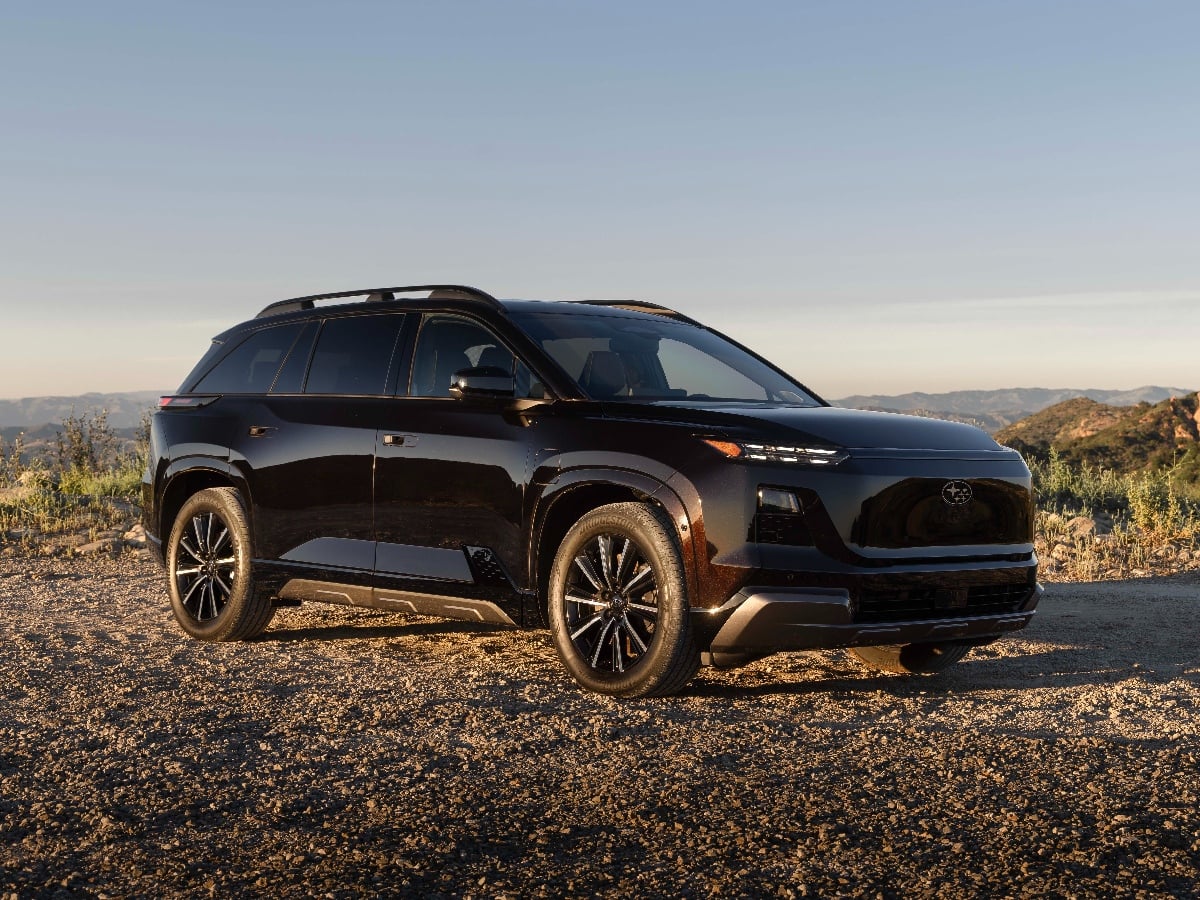
Arriving in late 2026, the new 2027 Subaru Getaway three-row SUV will be the largest of the brand’s now-trio of electric offerings, co-developed with Toyota. It has impressive specs that should make ...See More
Read the Full Article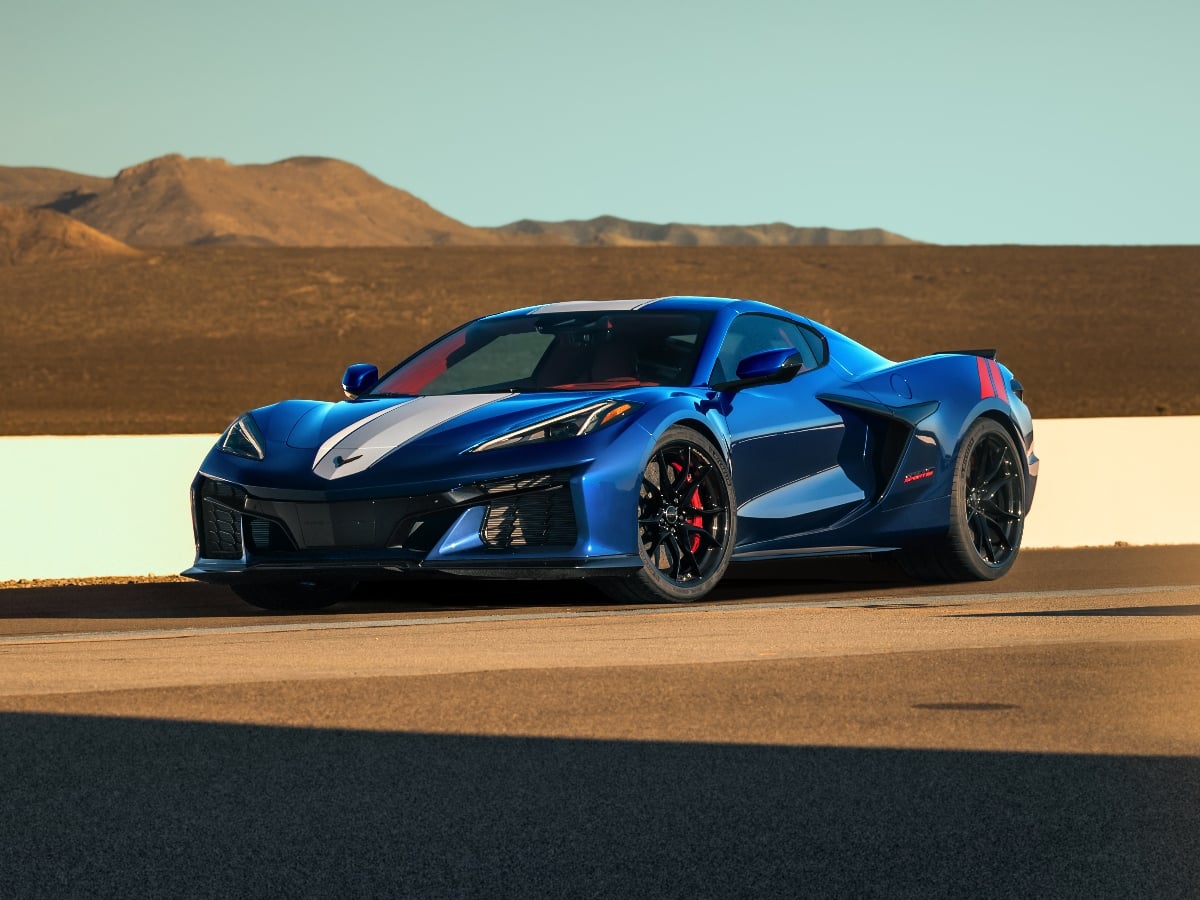
Bringing the ZR1's style to a more attainable model, the 2027 Chevrolet Corvette Grand Sport features all the best C8 go-fast bits, including an all-new 6.7-liter V8 engine.
Read the Full Article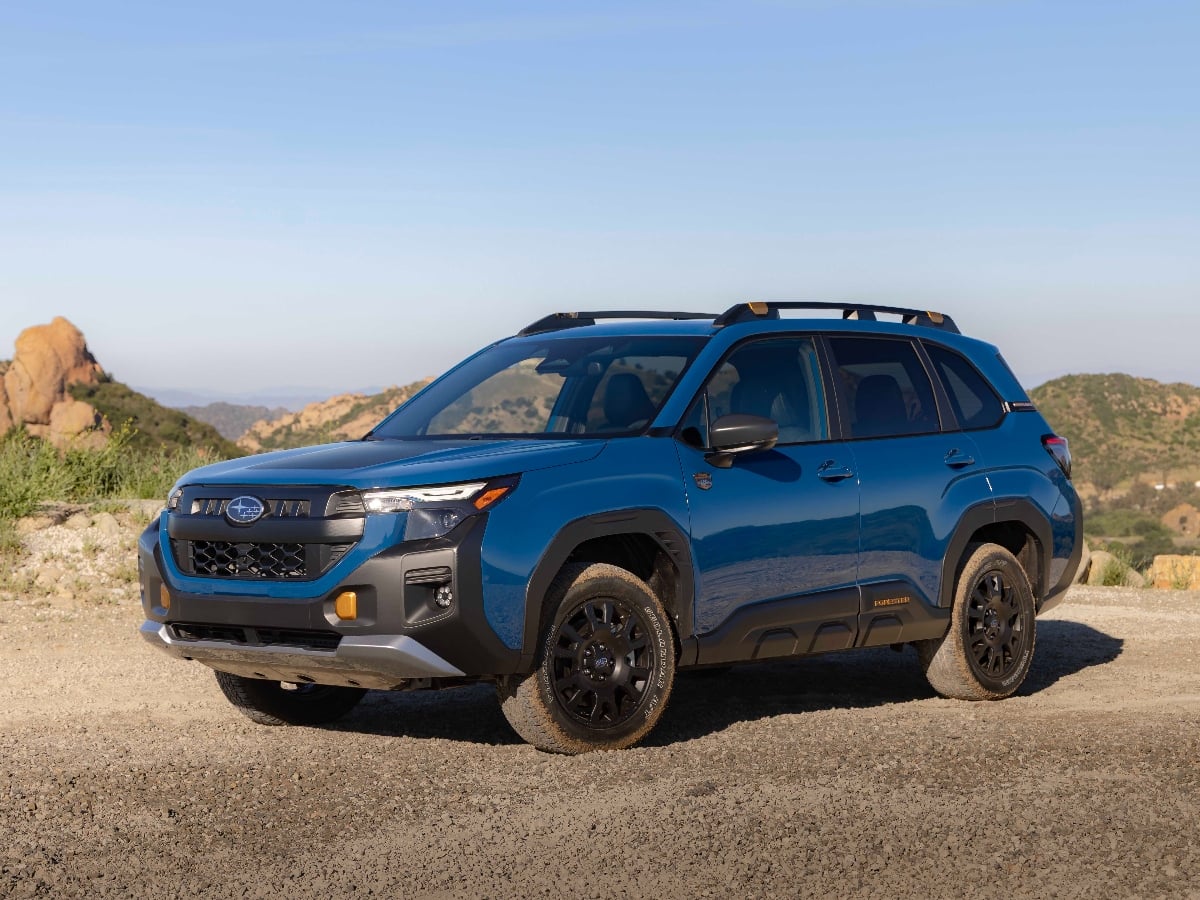
The new 2027 Subaru Forester Wilderness Hybrid brings together two branches of the existing Forester family tree: the fuel-efficient Forester Hybrid model and the off-road-oriented Wilderness trim ...See More
Read the Full Article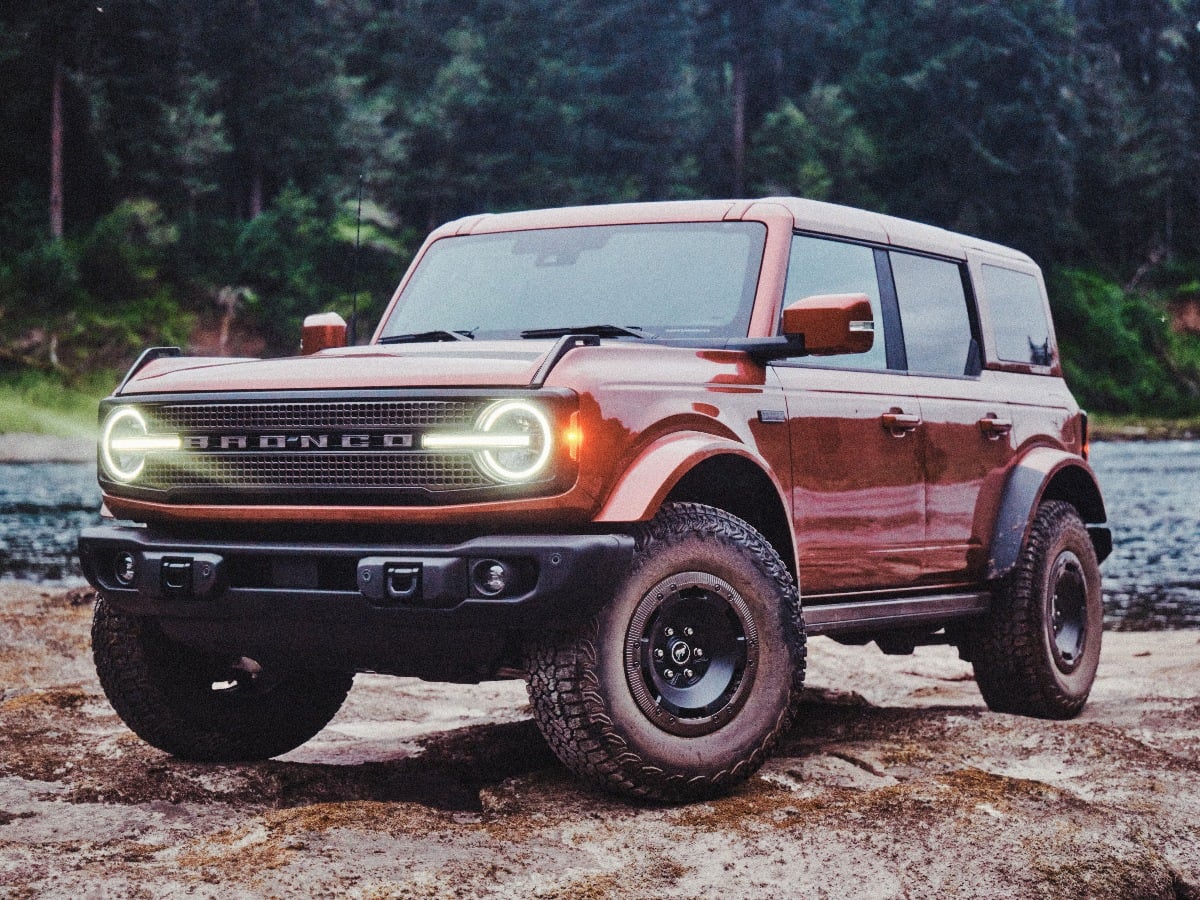
The 2027 Ford Bronco Filson falls on the fancier (and handsomer) end of the classic off-roader's lineup, with added comfort and convenience backed by confident power and trail capability.
Read the Full Article