
Whenever people pick their dream ride, they want everything to be perfect. The color has to nicely complement the vehicle design; features should be practical, and you’ll want an engine capable of hauling loads and getting you where you need to get.
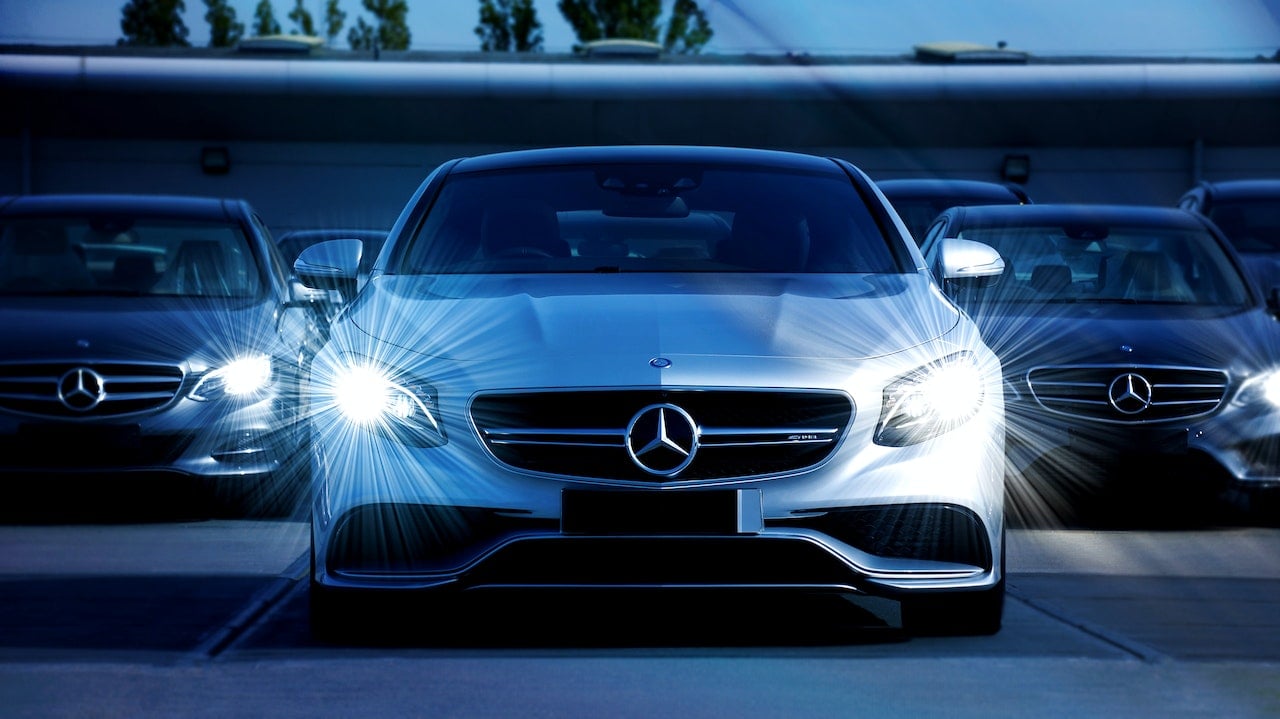
However, you cannot undervalue other things, like headlights. They light up the surroundings during nightfall and come in handy if you want to signal other drivers. You’ll want to know which ones to pick: xenon or LED headlights.
LED headlights have a distinct white color and generally shine brighter than the halogen ones. However, they are not as bright as xenon lights. They have one crucial advantage, though. They are pretty small and can be easily fitted into tight spaces and arranged in unique patterns, giving ample opportunity for manufacturers to be creative.
In LEDs, the electrical current passes through a semiconductor (diode) to produce light that is much brighter and has a wider beam pattern than other headlights. They are about 90% more efficient and generate less heat. They also tend to last longer than xenon or halogen lights but become dimmer with age.
They are considered efficient and are becoming cheaper to manufacture with each passing year.
Xenon, HID, or high-intensity-discharge headlights have bulbs but no filaments and tend to last longer than halogens but fall a little short compared to LEDs. They use less energy than halogens but more than LEDs. They also tend to become hotter much quicker and become dimmer over time.
The current passes through xenon gas in these headlights to create an arc between two electrodes and generate intense white or bluish light. Usually, it is much brighter than LEDs. This tends to be an issue during nighttime, as xenons can blind other drivers. This is usually resolved by implementing an automatic leveling system that controls the headlights.
Both LED, and xenon lights were installed in luxury vehicles back in the day, but now are widespread and more affordable. So, it is not unusual to find them in popular car models. But you may wonder which light has the competitive edge.
If a short description will not do, and you still have not decided which ones to pick, let us make a proper side-by-side comparison. We will assess the lights according to five criteria and try to help you make the final decision.
Xenon headlights are brighter than LED ones and provide a more extensive coverage area. However, if not installed properly, they can reflect glare and blind oncoming traffic. So, if you go xenon, you should carefully pick the headlights and let a seasoned professional install them to avoid annoying pedestrians and causing accidents.
As we mentioned previously, LED lights are considerably more compact. They allow manufacturers to get creative and, generally speaking, can fit in any car without any issues. However, if your vehicle can only be outfitted with halogens, you should browse the market for a conversion kit.
It is somewhat of a draw here, as both xenon and LED lights are more durable than halogen ones. However, LEDs boast a lifespan of more than 20,000 hours, while xenon ones lag behind and sit at 5,000. In essence, you will have to replace HIDs more often, which is sure to impact your finances.
More often than not, you may want headlights that complement your vehicle’s design or look. In this regard, LEDs lose to xenon lights as there are not a lot of colors available. HIDs usually come in seven different colors and temperatures and can certainly make your ride look more eye-catching.
In terms of price, HIDs have the advantage once again. They are somewhat cheaper than LEDs but do not provide as many benefits for a regular driver. Here it just depends on what you need and want.
All in all, LEDs are better for regular drivers. You do not have to spend as much time installing them, and they provide more benefits like durability, size, and brightness. While they are slightly more expensive, the pluses undoubtedly outweigh the minuses. But if you want your ride to be unique, look no further than xenon. These come in a wide range of colors that can satisfy anyone.


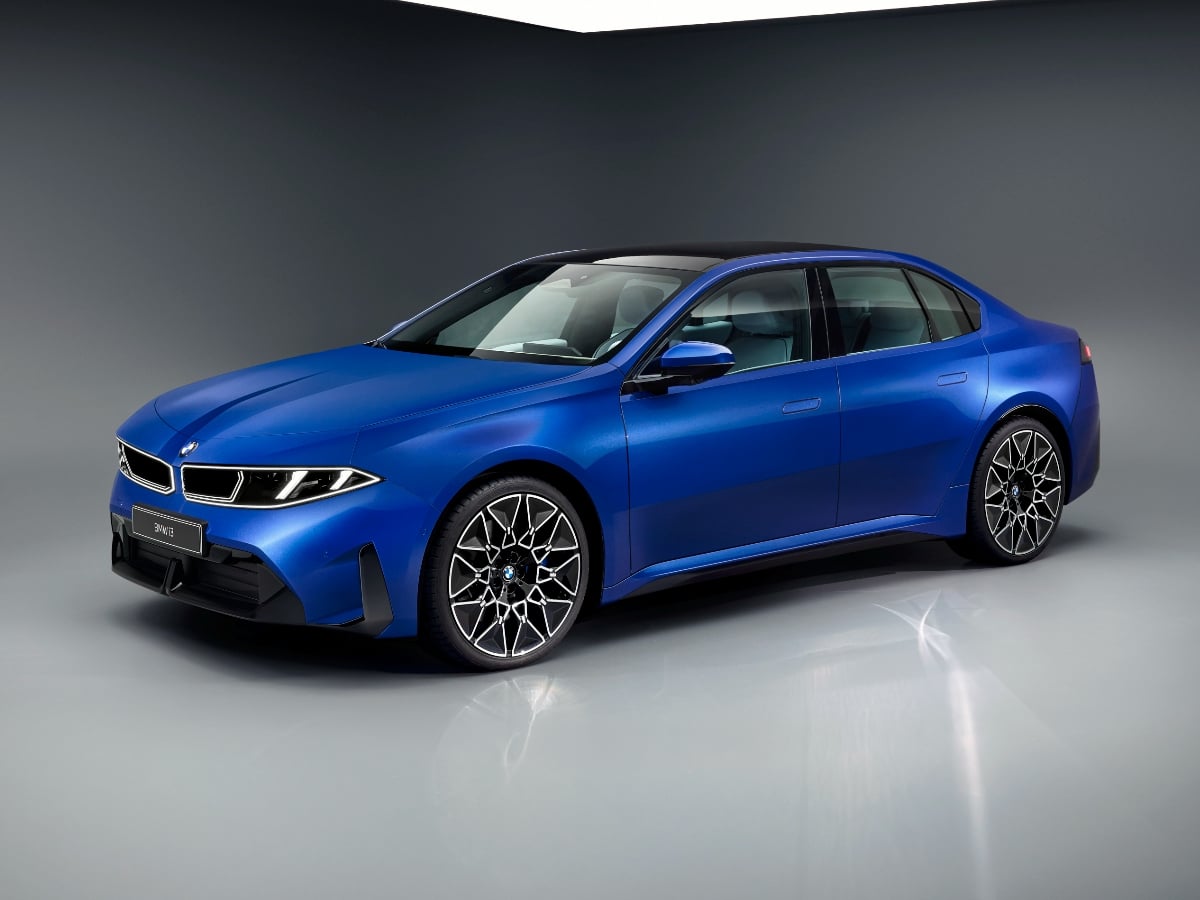
The new 2027 BMW i3 boasts an estimated range of up to 440 miles, 400-kilowatt DC fast charging capability, bidirectional charging to a home or the grid, and next-generation technology.
Read the Full Article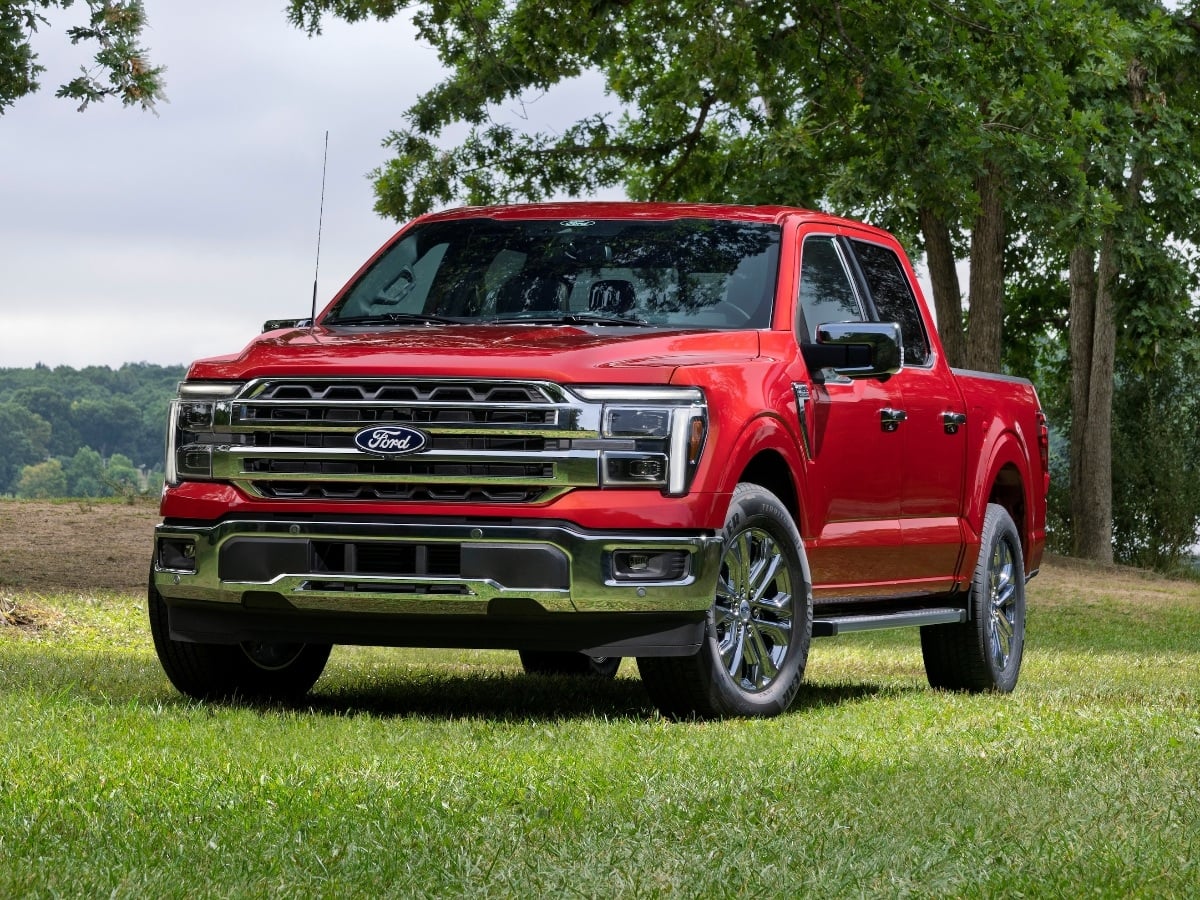
Facing renewed competition in the full-size, light duty pickup truck segment, the 2027 Ford F-150 receives subtle styling updates, a new standard engine, broader availability of its 5.0-liter V8, and ...See More
Read the Full Article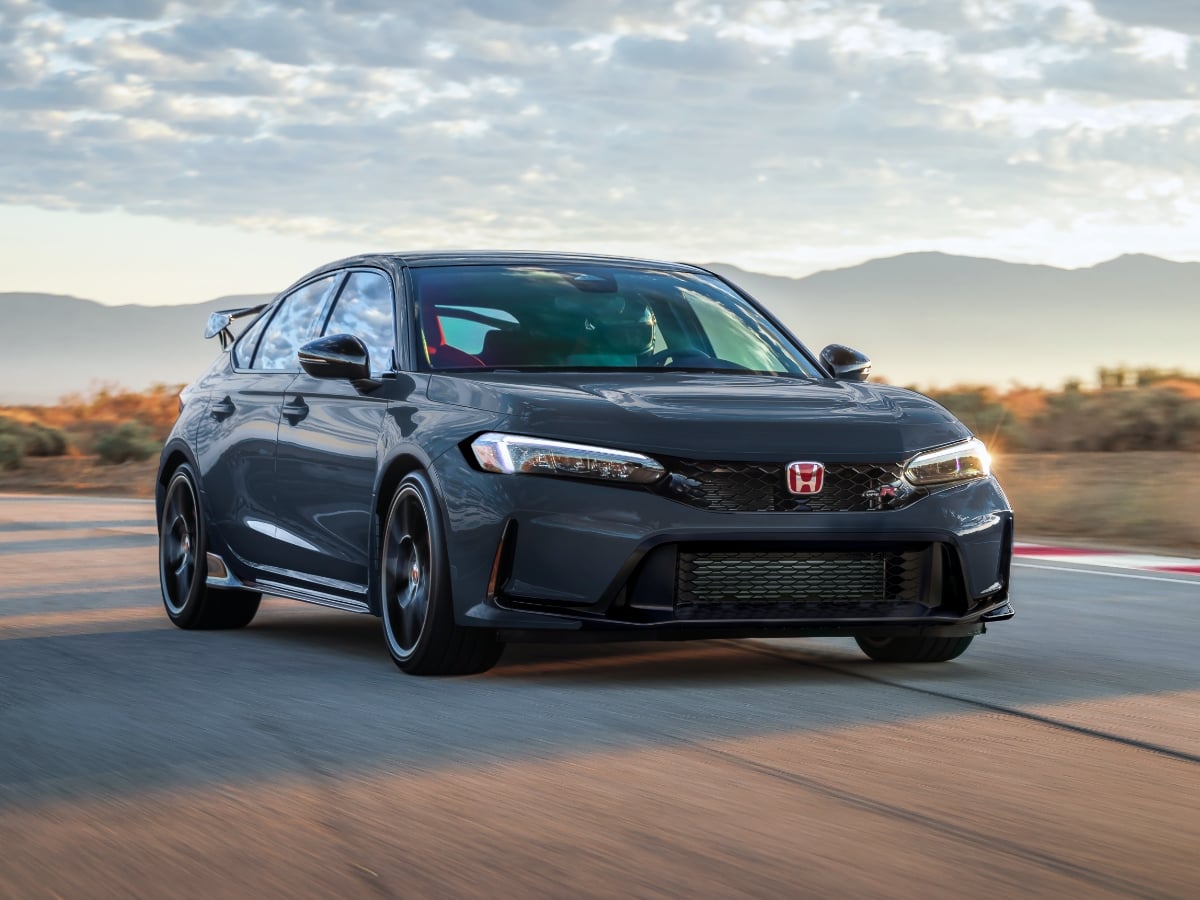
The 2027 Civic Type R goes on sale in October 2026, and it starts at $49,990, including the $1,295 destination charge.
Read the Full Article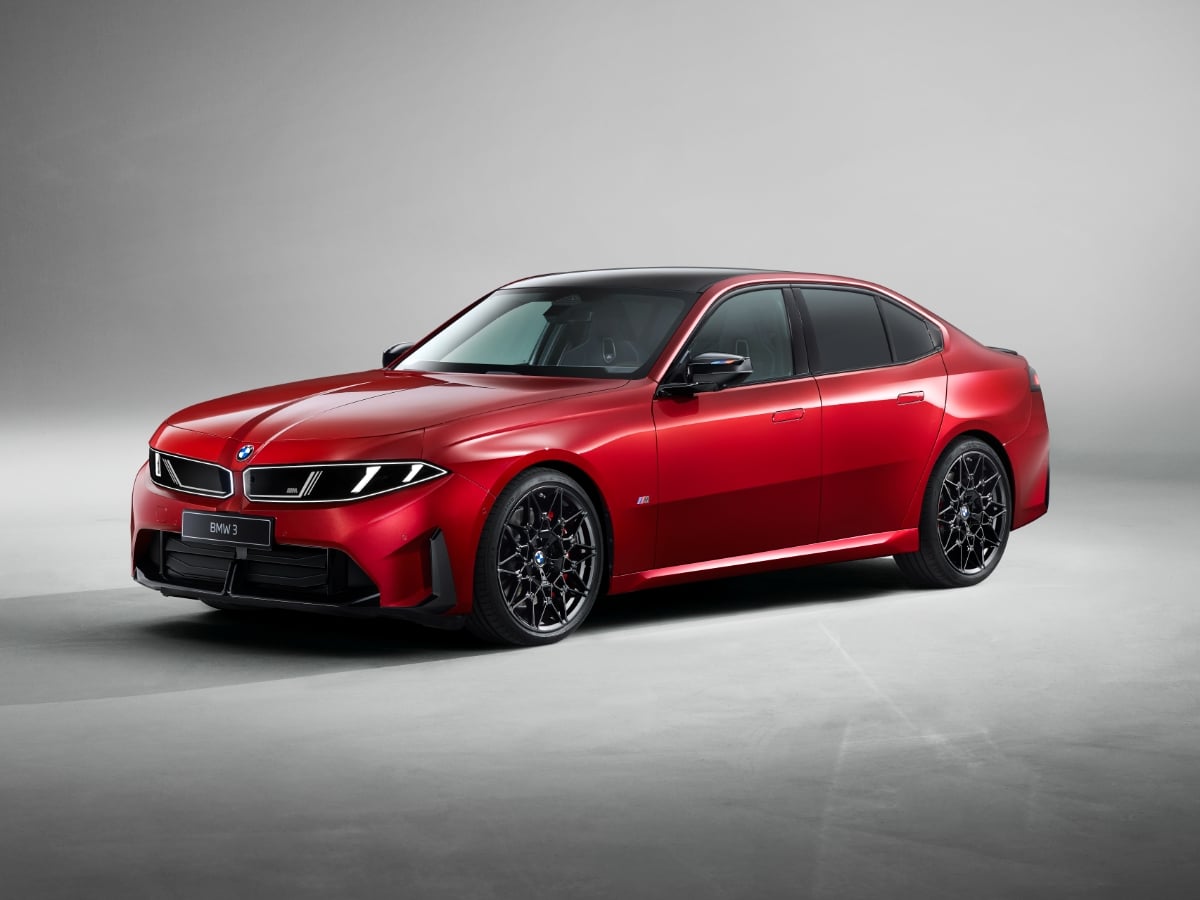
Part of BMW’s Neue Klasse (new class) rollout of redesigned models, the 2027 BMW 3 Series is all-new and goes on sale in the first quarter of 2027.
Read the Full Article