
While on the road, your car constantly monitors everything through various automatic systems. Multiple sensors and lights communicate with each other and alert the driver in case of emergencies.

If you glance at your dashboard, you will notice multiple indicators on your display. An ABS light is one of these displays, and it's an essential function of your vehicle.
In this article, we will talk about the ABS system. We will discuss what it is, mention various reasons for the light to go on, and touch on driver safety when it's illuminated.
The ABS monitors the wheels to ensure they turn at the same speed. It uses the brakes to keep your ride under control during slippery situations. Wheel sensors feed into the onboard computer, which allows it to process data and assess the situation accordingly.
The computer tracks abnormal signals from the sensors, alerting the driver of an issue by illuminating the ABS light. It can warn about low brake fluid levels or a blown fuse, apart from monitoring wheel sensors. Some flash the light a few times and help identify the issue.
Whenever the light illuminates, it does so for a reason. There can be multiple instances where the ABS automatically warns the driver and indicates the call to action. But usually, it comes down to 4 common reasons.
The ABS module shares a few crucial components with the other system in your car: traction control system or ESC. Traction control is built-in to ensure that all four wheels roll on the ground smoothly. If it detects that one of the wheels is slightly off, it will cut power from the engine until the driver regains complete control. However, because both ABS and ESC share a control module and a self-diagnostic system, one can interfere with the other. If something is wrong with ABS, the ESC light will go on and vice versa. This should prompt a quick response, and you should drive your vehicle to an auto shop or mechanic as soon as possible.
The brake system is hydraulic, which draws power from a cylinder pressing against a fluid close to your brake pads to help stop the vehicle. You need a consistent level of liquid within your car. If there's a leak, your brakes will stop operating correctly. The computer will detect the issue and warn you via the ABS light.
Wheel speed sensors track how fast each wheel turns independently and feed that information to the computer. Suppose there is an anomaly in these speeds; the traction control system adjustments or shifts more power to different wheels to compensate. As soon as these sensors become dirty or faulty, they will not be able to relay information accurately. Your ABS or ESC will be disabled until you restart the vehicle or make necessary repairs in this scenario.
Some cars come with the option to turn ABS on and off. When it is not on, the light on the dashboard will warn the driver, and the system will indicate that one of the key features is not working or disabled. So, it would be good to look for a switch or consult your manual.



The new 2027 BMW i3 boasts an estimated range of up to 440 miles, 400-kilowatt DC fast charging capability, bidirectional charging to a home or the grid, and next-generation technology.
Read the Full Article
Facing renewed competition in the full-size, light duty pickup truck segment, the 2027 Ford F-150 receives subtle styling updates, a new standard engine, broader availability of its 5.0-liter V8, and ...See More
Read the Full Article
The 2027 Civic Type R goes on sale in October 2026, and it starts at $49,990, including the $1,295 destination charge.
Read the Full Article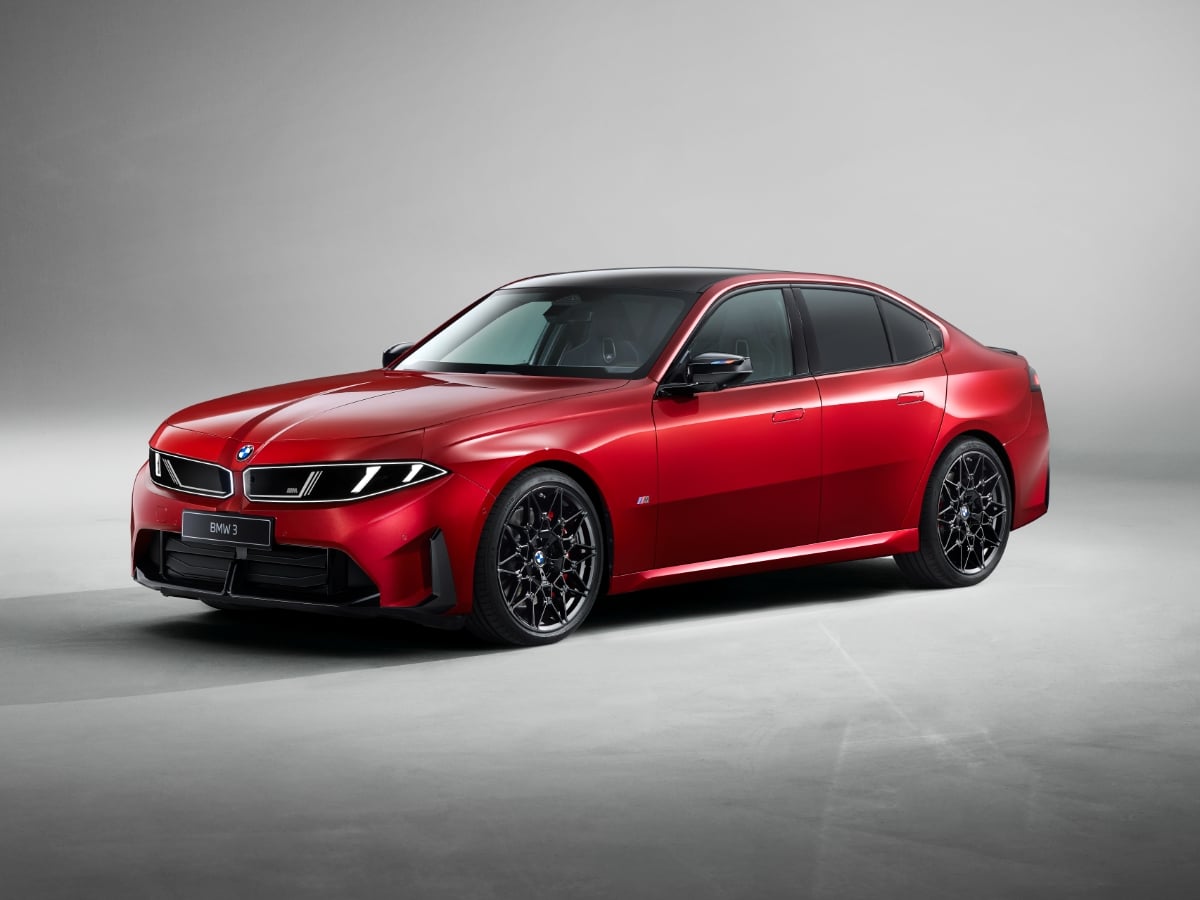
Part of BMW’s Neue Klasse (new class) rollout of redesigned models, the 2027 BMW 3 Series is all-new and goes on sale in the first quarter of 2027.
Read the Full Article