
A car’s dashboard displays important information for the driver, like current speed and engine fuel level. Depending on the make and model of the car, oil temperature, coolant temperature, and engine revolutions per minute (RPM) might be included in the dash’s readouts as well. But around these gauges are a set of dashboard lights; each represents a specific message to the driver.

When they all turn on at once, the car could either be sending a very strong message that should be addressed immediately, or there’s no cause for alarm. This is how to tell the difference.
Each dashboard light is designed to report something with an easy-to-understand image and color. For instance, if a small picture of a blue thermometer and some wavy lines is displayed, that means the coolant temperature is too low, which is common on cars that don’t have coolant gauges. Once the coolant is up to the proper operating temperature, this light often turns off.
A check engine light (CEL) shows a small picture of an engine, and it is almost always orange or yellow. This shade of color indicates that the engine should be inspected to determine if there is a problem. But the sudden appearance of the check engine light does not necessarily mean the car is not safe to drive.
Red lights mean there’s a major issue that may affect safe operation of the vehicle. These issues include ABS brake problems, the parking brake is on, the coolant temperature is too high, the oil level is too low, or there’s some kind of steering-related issue. If any red light comes on, it’s best to not drive the vehicle until the issue is remedied.
When the car is first turned on–when the key is turned one click before the starter is engaged and engine is running–the driver sees all the dashboard lights come on at once. This is the car’s way of running diagnostics really quickly and is not cause for worry.
During those first moments of ignition, the driver may hear an audible ding, see all the dashboard lights turn on, and then gradually see each light turning off in turn. This is the car’s onboard computers performing quick checks to ensure these systems are working and that information can be relayed if any issue happens.
If the car is in good shape, all the dashboard lights will turn off within a couple of seconds. However, if one or two lights stay on, there might be an issue with one of the vehicle’s systems. The car requires troubleshooting and may need to be towed to a professional repair facility.
If all the dashboard lights turn on while driving, that signals some kind of electrical issue. Each of the car’s computers—also referred to as modules—aren’t getting enough voltage to function properly. Thus, the warning lights are tripped to alert the driver. In this case, the best thing to do is safely pull over, or drive to the nearest professional repair facility.
When a vehicle has a voltage issue, it's due to a weak alternator that’s in need of replacement. This critical component creates electricity to power every vehicle system, including the stereo, headlights, HVAC controls, and more, while the car is running. It also charges the car’s battery so that it’s always ready to re-fire the engine after being turned off and provides a very minimal amount of power to electronics when the car is turned off.
A car owner who is proficient with vehicle engines may use a multimeter to try to determine if the alternator has gone bad. Otherwise, a trained mechanic has tools to diagnose the car’s problems.
A vehicle’s dashboard is a car’s message board to the driver. The symbols display fluid temperatures, the gasoline level, and how the car is running, and the lights indicate if there’s an issue with one of its systems.
If one or more of the lights turn on, it’s important to quickly figure out what they mean (the vehicle’s owners manual often has a quick reference guide) and determine what needs to be done to turn them off. If the lights turn off, the car should be safe to drive. If they all remain on, the car may have a bad alternator or other systemic issue. In that case, the driver should have the vehicle checked out by a trained mechanic as quickly as possible.
Regular vehicle maintenance helps avoid seeing dashboard lights altogether too. Vehicle manufacturers usually list when electrical systems should be checked in the car’s owner’s manual, as well as when batteries and ignition components should be replaced. Cars often have a battery-specific light that turns on when it's beginning to fail, so it’s important to keep an eye out for that as well.


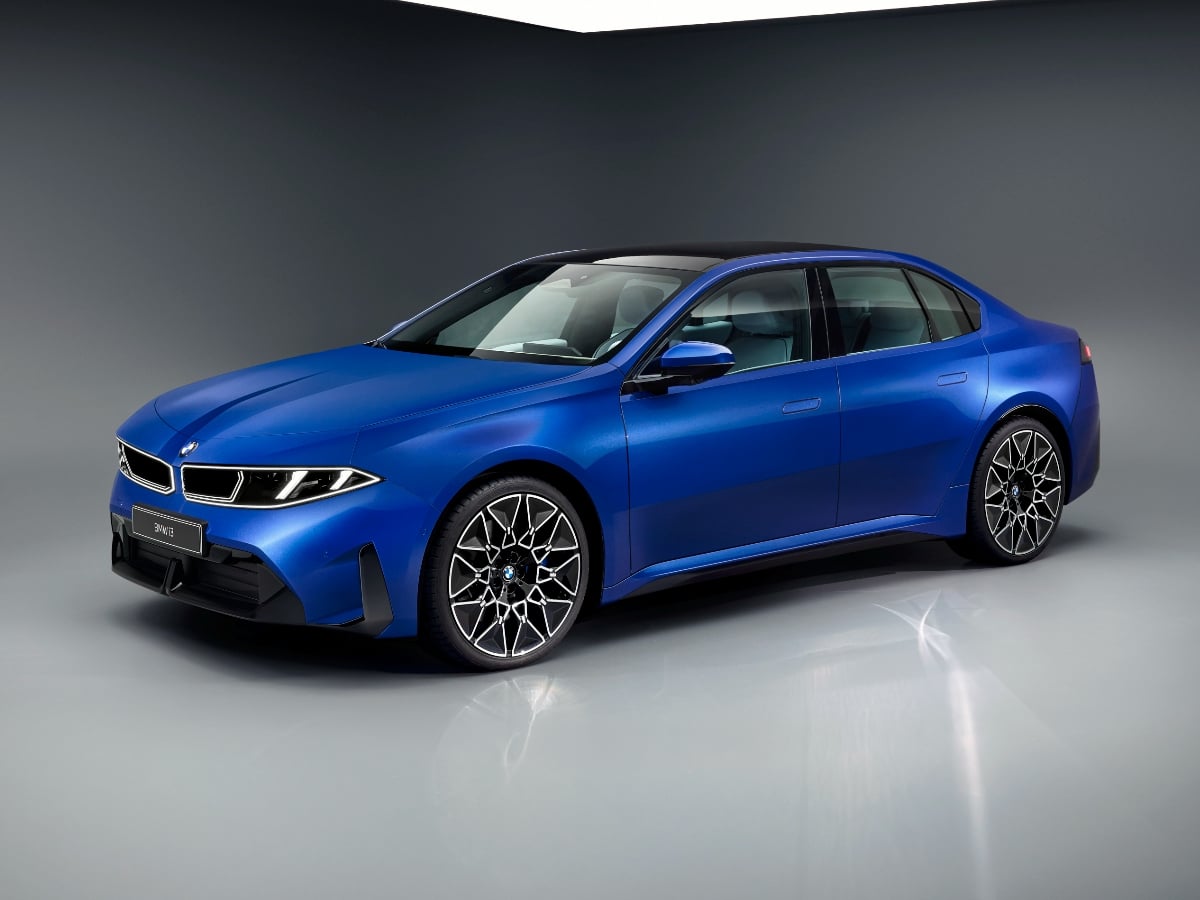
The new 2027 BMW i3 boasts an estimated range of up to 440 miles, 400-kilowatt DC fast charging capability, bidirectional charging to a home or the grid, and next-generation technology.
Read the Full Article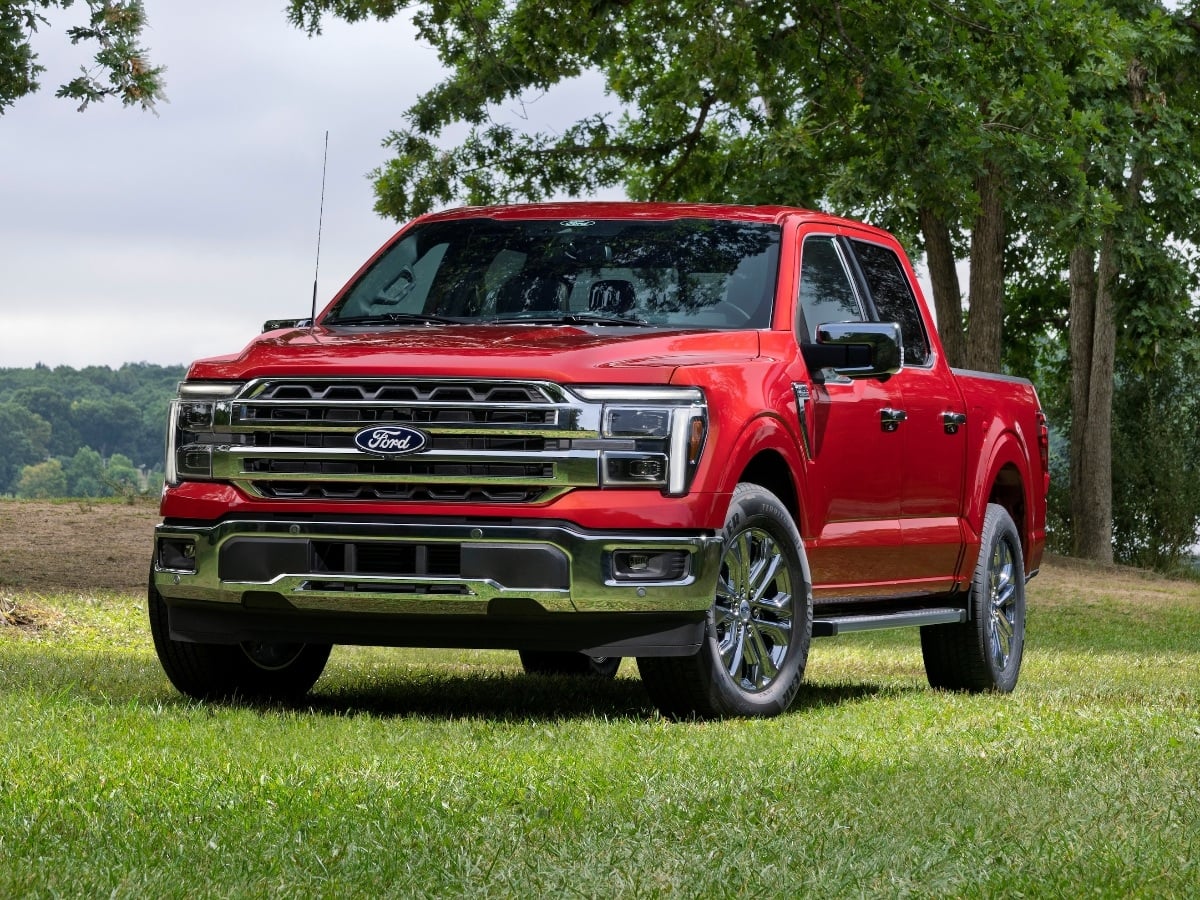
Facing renewed competition in the full-size, light duty pickup truck segment, the 2027 Ford F-150 receives subtle styling updates, a new standard engine, broader availability of its 5.0-liter V8, and ...See More
Read the Full Article
The 2027 Civic Type R goes on sale in October 2026, and it starts at $49,990, including the $1,295 destination charge.
Read the Full Article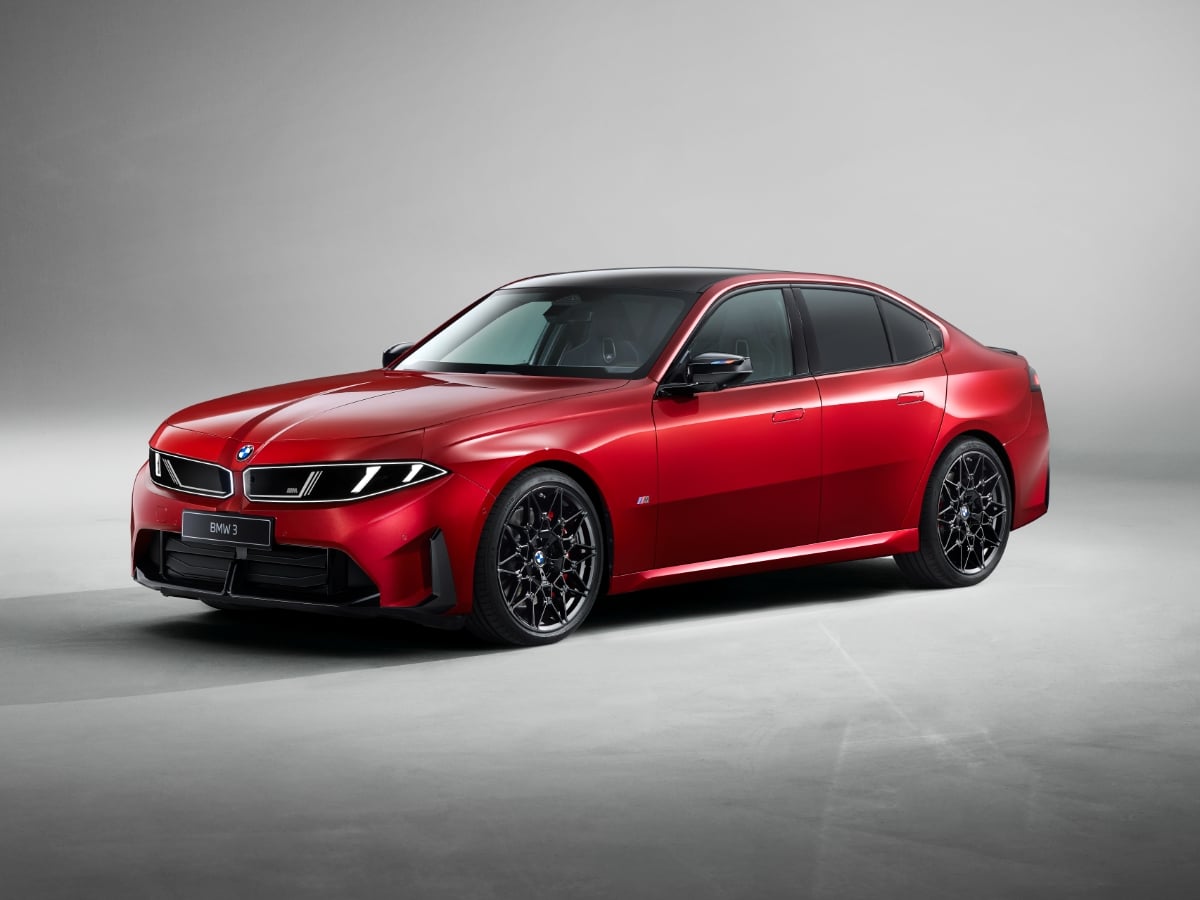
Part of BMW’s Neue Klasse (new class) rollout of redesigned models, the 2027 BMW 3 Series is all-new and goes on sale in the first quarter of 2027.
Read the Full Article