
The word spider seems totally out of place when the topic of discussion is automobiles. But just like the creepy spiders, the term has also crawled into the automobile market and has stuck ever since.
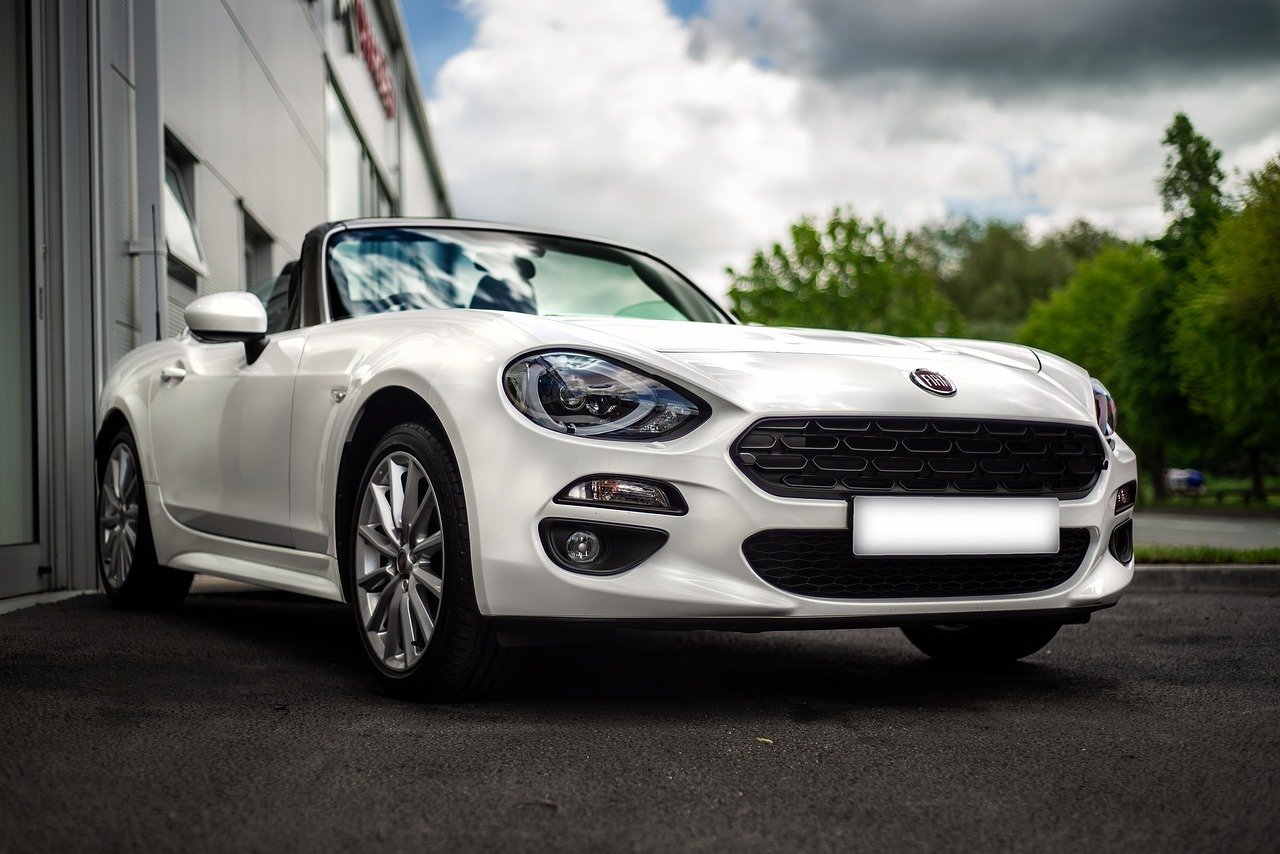
But, if you look at the automobile market, you will find a lot of vehicles with the suffix ‘spider’ or ‘spyder’, such as McLaren 720S Spider, Lamborghini Huracan Spyder, and Ferrari 488 Spider. That brings us to our next question - why are convertibles called spiders?
There are two plausible explanations. One is almost romantic, while the other is practical. Which one is the most authentic of the two? Let’s take a peek into the history of this strange terminology.
Once upon a time, there was an automobile show, and an Italian journalist attended it. He spotted a street-legal Porsche car without a roof, and it was the 550 Speeder. The vehicle was made famous by none other than American actor James Dean.
The journalist reported back to Milan across the Atlantic using the rusty phone lines of the time. His Italian counterparts who decoded his message understood that the car had no roof, but they were confused about the name. It was not so much confusion as much as a language barrier in this scenario. The magazine printed the car’s name as ‘Spider’ instead of Speeder, which was the actual model name because that is how the Italians would pronounce the word Speeder.
If you are into romanticism and want a dramatic tale behind the weird naming convention, you might want to stick to the miscommunication story. The story is surprising, and we would love to believe it, but it is probably not entirely true. It is one of our favorite explanations of why convertibles have Spider or Spyder suffixed to their model names.
Cars have borrowed many terms from the bygone era of horse-drawn carriages, and the word “spider” seems to be one of them. The coachbuilders created the Spider Phaeton in the late eighteenth century. These carriages were lightweight and weren’t meant for cross-country touring. The top of these carriages was removable and did away with the permanent side windows.
The carriage had a small body fitted with a large wooden wheel and thin spokes that resembled a spider to a certain extent. Hence, the carriages were named ‘spiders.’ The advent of motorized vehicles replaced the excellent old coaches, but they retained the name spider. Only this time, the vehicles were small convertible cars with huge wheels.
The basic concept behind the Spider is the same as earlier - lightweight, open-air vehicles meant for sports and shows. Not all convertibles are called Spiders, but European and Asian brands have adopted the name as their own. Lamborghini, Ferrari, Alfa Romeo, Mazda, Fiat, Maserati, and Chevy have used the term Spider to refer to their convertibles.
Roadster, spider, spyder, or convertible - take your pick! The terms Spider and Spyder are used interchangeably nowadays. They are essentially two-seater cars with an open-top. Italian automakers generally use the term spider with an ‘i’. The main reason behind this is that the Italian alphabet lacks the letter Y. There is no difference between a ‘Spider’ and a ‘Spyder.
Other terms like the trunk, dashboard, rumble seat, boot, and tonneau cover come from the bygone era. The dashboard is one of the most interesting because of its etymology.
However, back in the days, when people used to ride carriages, they placed a board ahead of them to catch all the debris. Dash also means ‘to strike with great force,’ and when the riders hit the reins hard, the waste gets collected in the dashboard. The current-day dashboard is the storage space in cars. It is also called the glovebox by some.
The convertibles are known as spiders because automakers wanted to name them something cool that carried the sentiment of the old Phaeton Spider carriages, and that is how the term came into the picture. Don’t let the various terms like convertible, roadster, and spyder confuse you. They all mean the same thing.
If you are interested, you can do a little more digging around and find out more terms we have adopted from the bygone era into our automotive industry. It will be an exciting search, after all! You can find many words in the automotive sector that don’t make sense, but we have adopted them and are running with them. It’s time to stop reading and catch some spiders on the web.


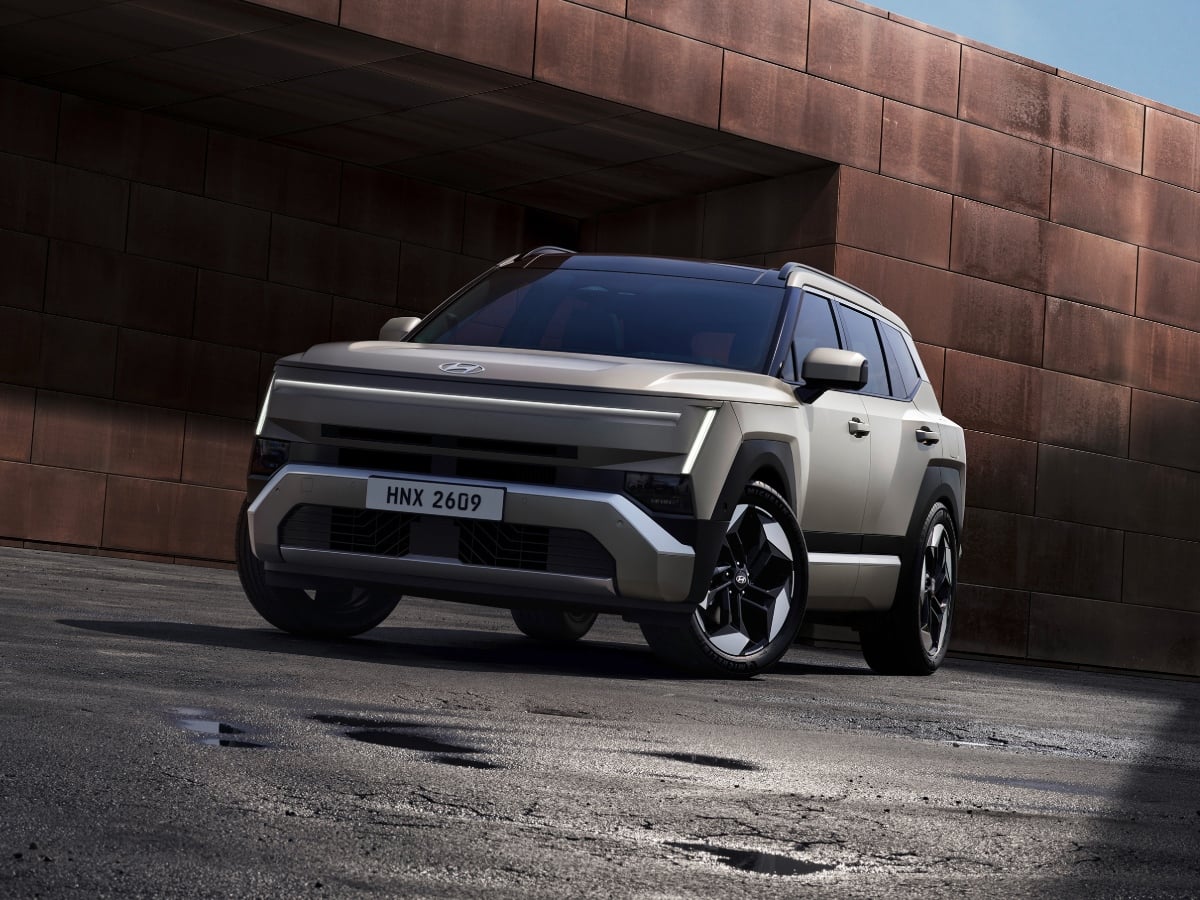
With a purposeful new design and some trail-ready upgrades, the 2027 Hyundai Tucson is pushing the brand's best-selling crossover SUV into more aggressive territory.
Read the Full Article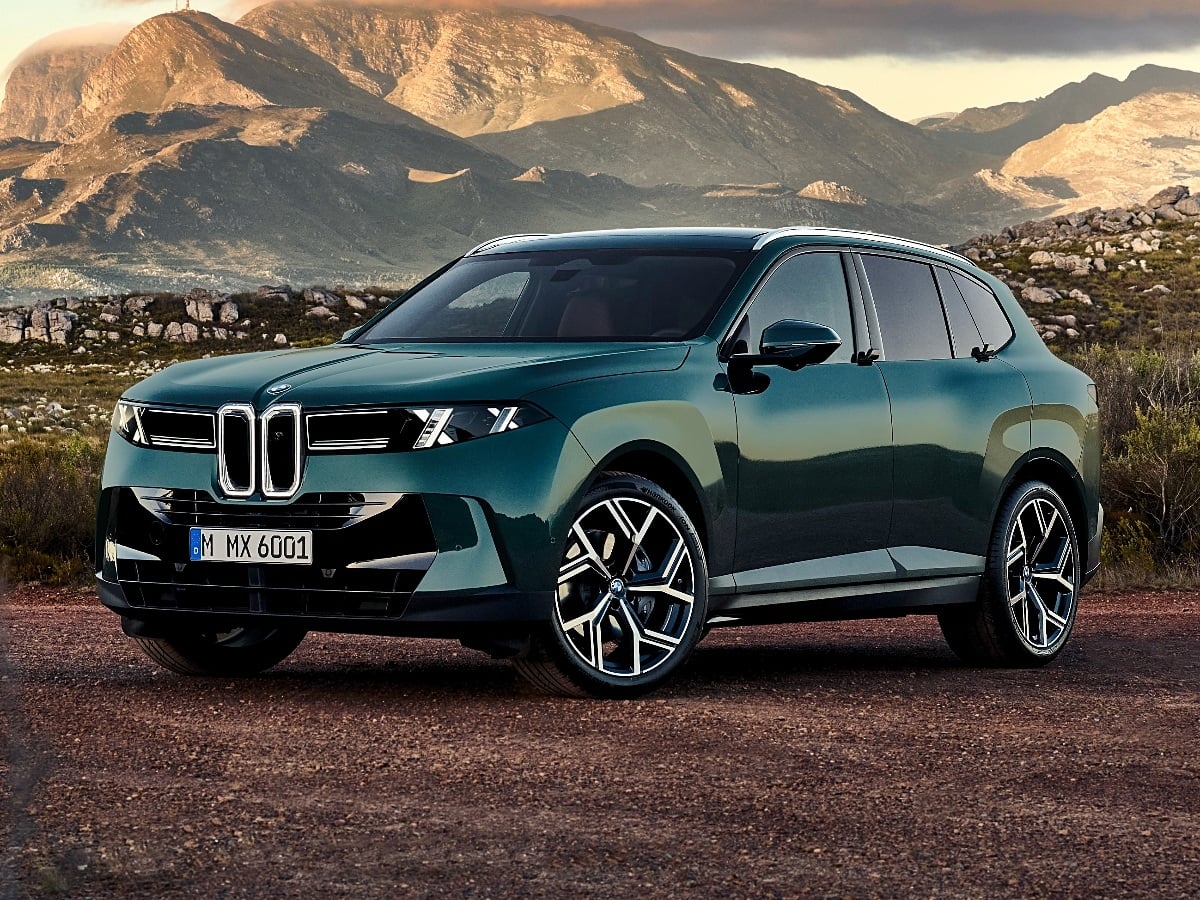
For more than 25 years, the BMW X5 has helped to define the luxury SUV segment. Now, the redesigned fifth-generation 2027 BMW X5 arrives with the automaker’s Neue Klasse styling, a roomier interior, ...See More
Read the Full Article
One of Lexus's most popular models, the NX crossover SUV is also one of the most affordable in the company’s lineup. The 2027 Lexus NX transitions to hybrid-only powertrains, and gets revised ...See More
Read the Full Article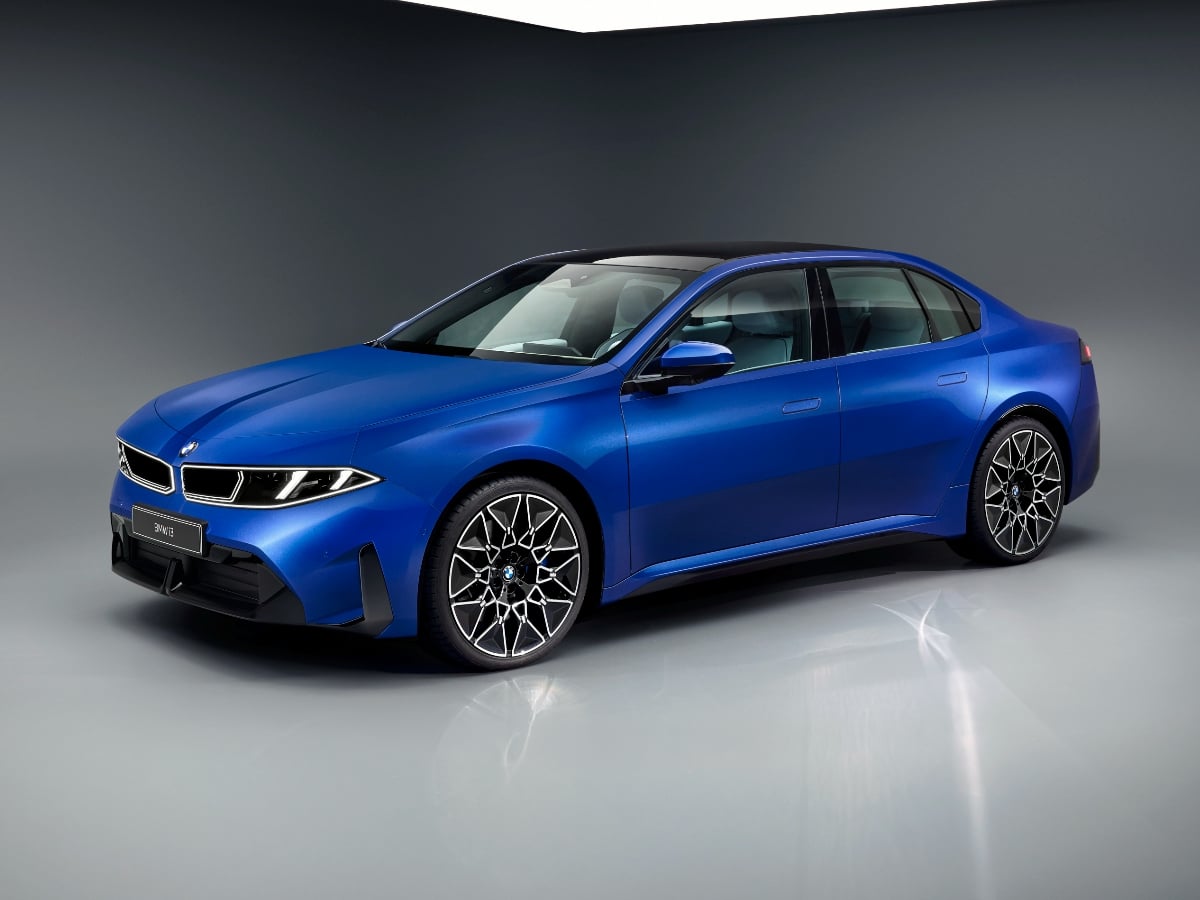
The new 2027 BMW i3 boasts an estimated range of up to 440 miles, 400-kilowatt DC fast charging capability, bidirectional charging to a home or the grid, and next-generation technology.
Read the Full Article