
Subaru is one of Japan's most well-known automotive brands, recognizable by its star-studded logo. While not as prominent as Toyota, Honda, or Nissan, the Subaru badge can be found on numerous iconic vehicles. Examples include the Impreza and Legacy sedans, the BRZ and WRX performance cars, and the Outback and Forester SUVs.

Discover who owns the Subaru brand, where Subaru vehicles are manufactured, and the brand’s history and legacy in the United States.
The car company known today as Subaru is the automobile division of the Subaru Corporation. It was founded in 1953 as Fuji Heavy Industries, following the merger of five other companies. In 2017, Fuji Heavy Industries renamed itself the Subaru Corporation.
The automobile division adopted an iconic, star-studded logo inspired by the Pleiades star cluster. In Japan, these stars are known under the collective name Subaru.
Subaru released its first vehicle to the Japanese market, the Subaru 1500 (also called Subaru P-1), in 1954. In 1958, Subaru launched the 360, the brand’s first commercially successful car. This inexpensive economy car retailed for $1,297 and claimed a fuel economy of 66.3 miles per gallon. It remained on the Japanese market until 1971.
In the following decades, Subaru invested in the technologies the brand is still known for today: its trademark Symmetrical All-Wheel-Drive (AWD) system and boxer engines. Subaru, alongside Porsche, is one of only two modern automakers that still produce boxer engines.
The first Subaru to use a boxer engine was the 1966 Subaru 1000, which used a one-liter, flat-four engine. The first AWD Subaru was a variant of the 1972 Subaru Leone Estate Van, first introduced in Japan and then in the United States in 1975 as the Subaru 4WD wagon.
Subaru officially entered the United States market on February 15, 1968, with the establishment of Subaru of America (SOA) in Pennsylvania. Initially operating as an importer, Subaru brought the 360 and later other models from the Japanese catalog to the U.S. market.
Two decades later, SOA and then-partner Isuzu acquired a manufacturing plant in Lafayette, IN, in 1989, producing the first U.S.-made Subaru model, the Legacy.
Subaru is also well-known for its association with motorsports, especially its presence in rallying and the World Rally Championship (WRC). The Subaru World Rally Team (SWRT) is the company’s most famous racing venture. It has raced the Leone, DL, RX, Impreza, and Impreza WRX, bringing their road car equivalents into the public spotlight.
SWRT won three WRC Manufacturers’ Championship titles (1995-1997), three Drivers’ Championship titles (1995, 2001, 2003), and 46 WRC race victories before disbanding in 2008.
Fuji Heavy Industries became the Subaru Corporation in 2017. The conglomerate is known for being 20% owned by Toyota and a member of the Toyota Group. Both companies frequently partner and share technologies.
Despite these close ties, the two companies remain separate. Unlike brands such as Chevrolet and Cadillac, which are subsidiaries of General Motors with shared platforms and technologies, Subaru and Toyota are distinct entities.
Subaru operates as an independent company despite Toyota’s 20% stake. This allows Subaru to produce platforms, engines, transmissions, drivetrains, and other technologies independently of Toyota, except on partnership projects.
The most famous of these projects resulted in the co-development of the Subaru BRZ and Toyota 86 (known as the Scion FR-S in the U.S. market). In recent years, the two automakers have collaborated on developing the modular Electric Toyota New Global Architecture (e-TNGA) platform. Subaru-badged models on this platform are called Electric Subaru Global Platform (e-SGP).
Subaru is unique among Japanese automakers because it keeps most of its production in its home country. Unlike Toyota, Nissan, and Honda, which have facilities worldwide, Subaru currently operates just four production plants: three in Japan and one in the United States, with one more scheduled to open in Japan in 2025. All three of the currently active Japanese facilities are located in Gunma.
In addition to these manufacturing facilities, one Subaru model is produced outside a Subaru plant. The Subaru Solterra electric SUV is a rebadged version of the Toyota bZ4X and one of the SUVs made on the Toyota e-TNGA (Subaru e-SGP) platform. It is manufactured at Toyota’s Motomachi Plant near Toyota City, Aichi.
Although Subaru was never the largest Japanese automaker, the company has a long history of producing unique vehicles designed to stand out. American motorists interested in the company’s lineup of vehicles can browse new and used Subaru models at JD Power. Get detailed information, specifications sheets, high-definition photos, and average prices paid from real owners.
Author: Corentin Bernard
Corentin’s passion for the automotive world started when he was just seven years old, during a life-changing visit to an auto museum. Now a seasoned writer, Corentin channels that early fascination into every piece he writes, whether he’s exploring the latest car trends or automotive history. But his expertise doesn't end there—he also brings his insights to topics like home improvement, the boating and yachting industry, personal finance tips, and cutting-edge tech.


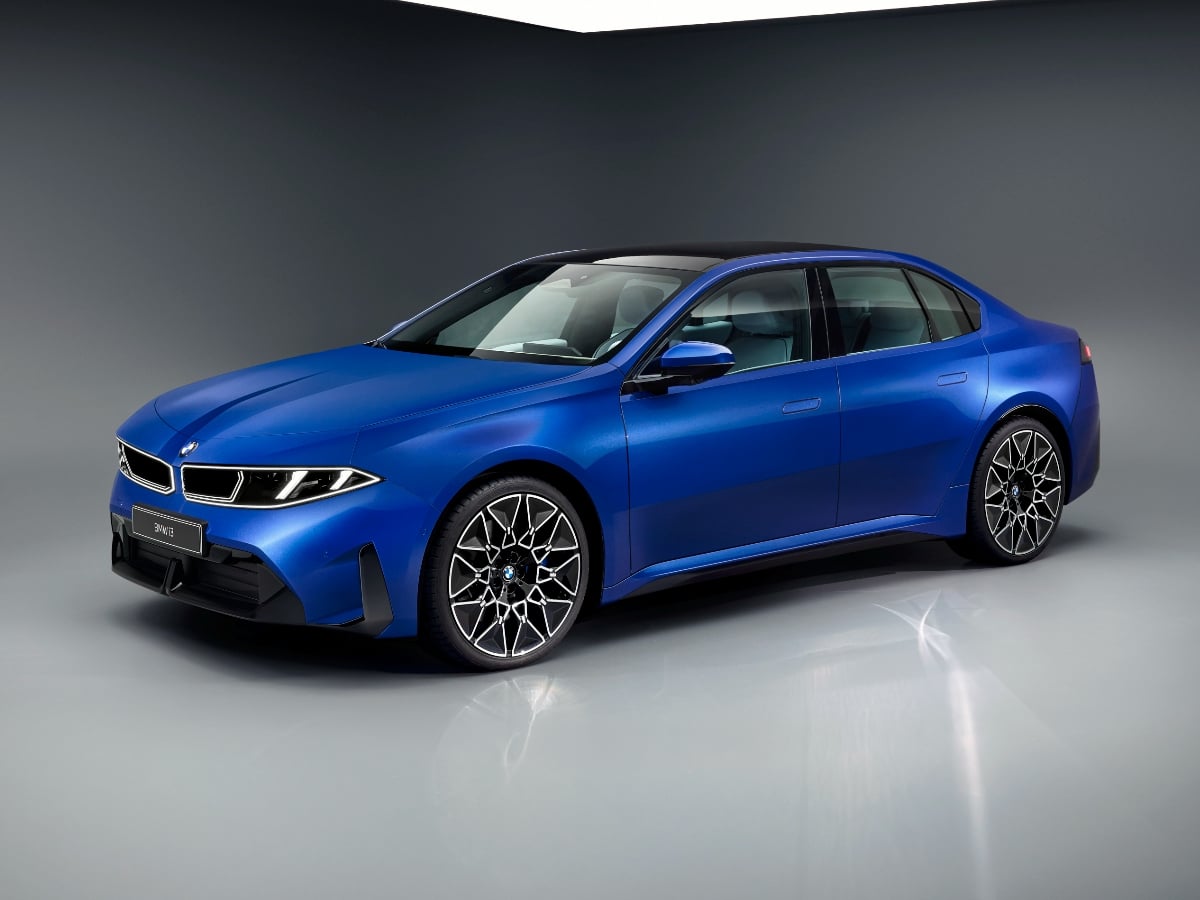
The new 2027 BMW i3 boasts an estimated range of up to 440 miles, 400-kilowatt DC fast charging capability, bidirectional charging to a home or the grid, and next-generation technology.
Read the Full Article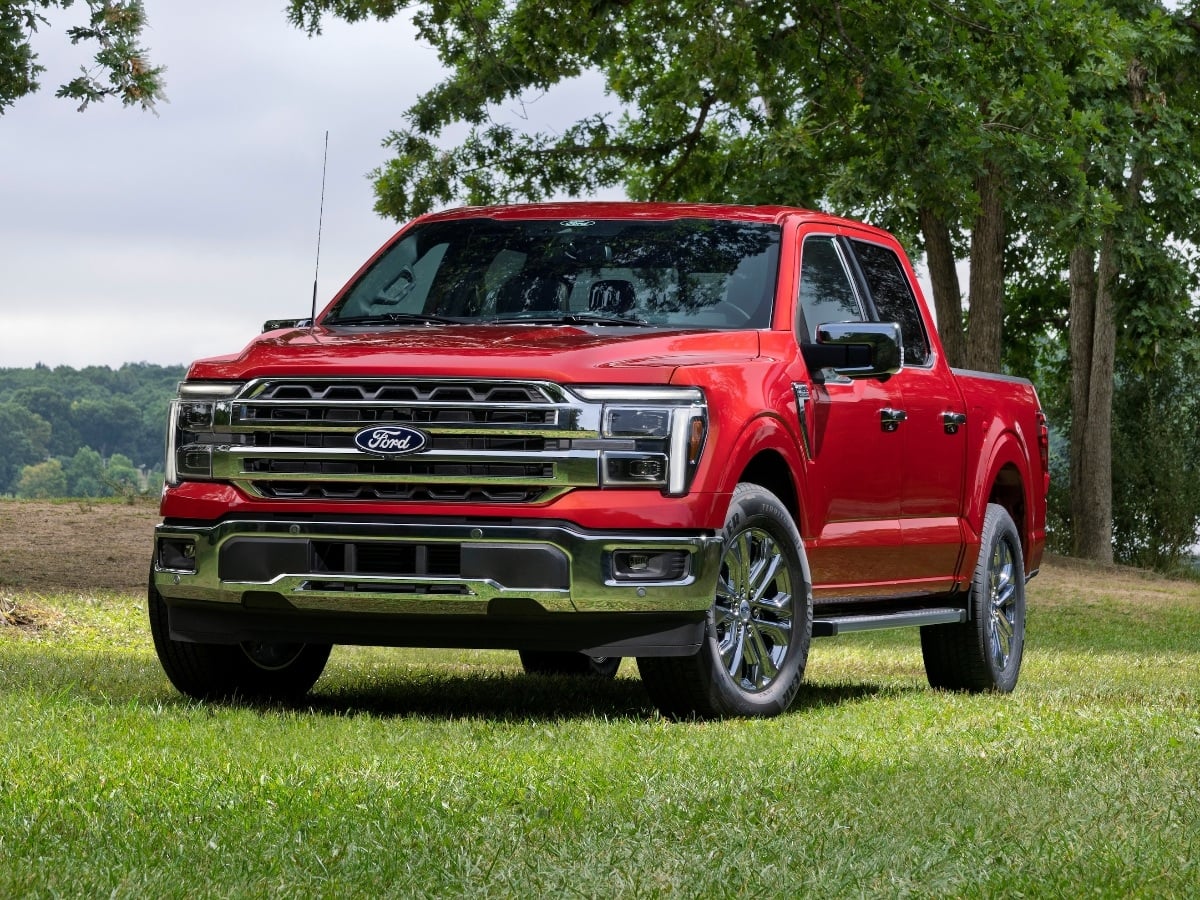
Facing renewed competition in the full-size, light duty pickup truck segment, the 2027 Ford F-150 receives subtle styling updates, a new standard engine, broader availability of its 5.0-liter V8, and ...See More
Read the Full Article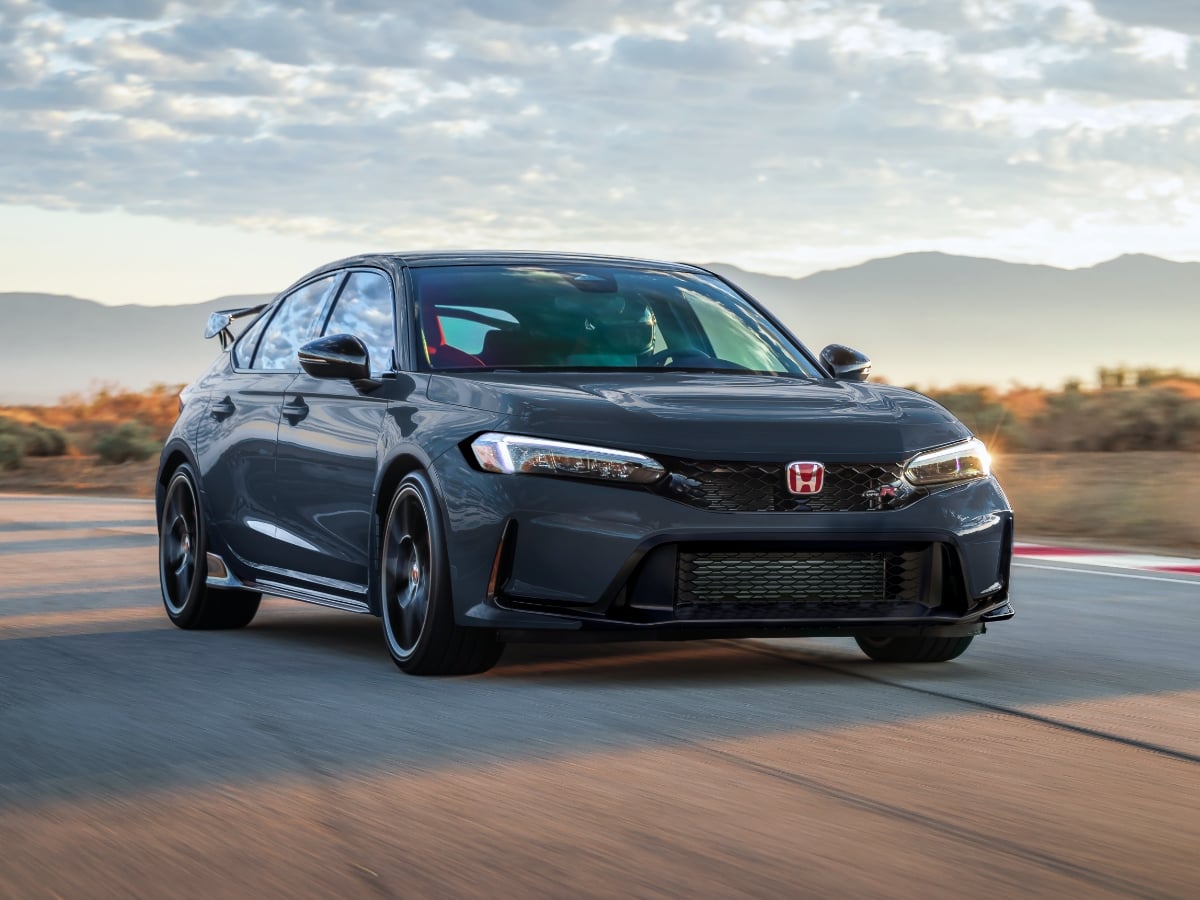
The 2027 Civic Type R goes on sale in October 2026, and it starts at $49,990, including the $1,295 destination charge.
Read the Full Article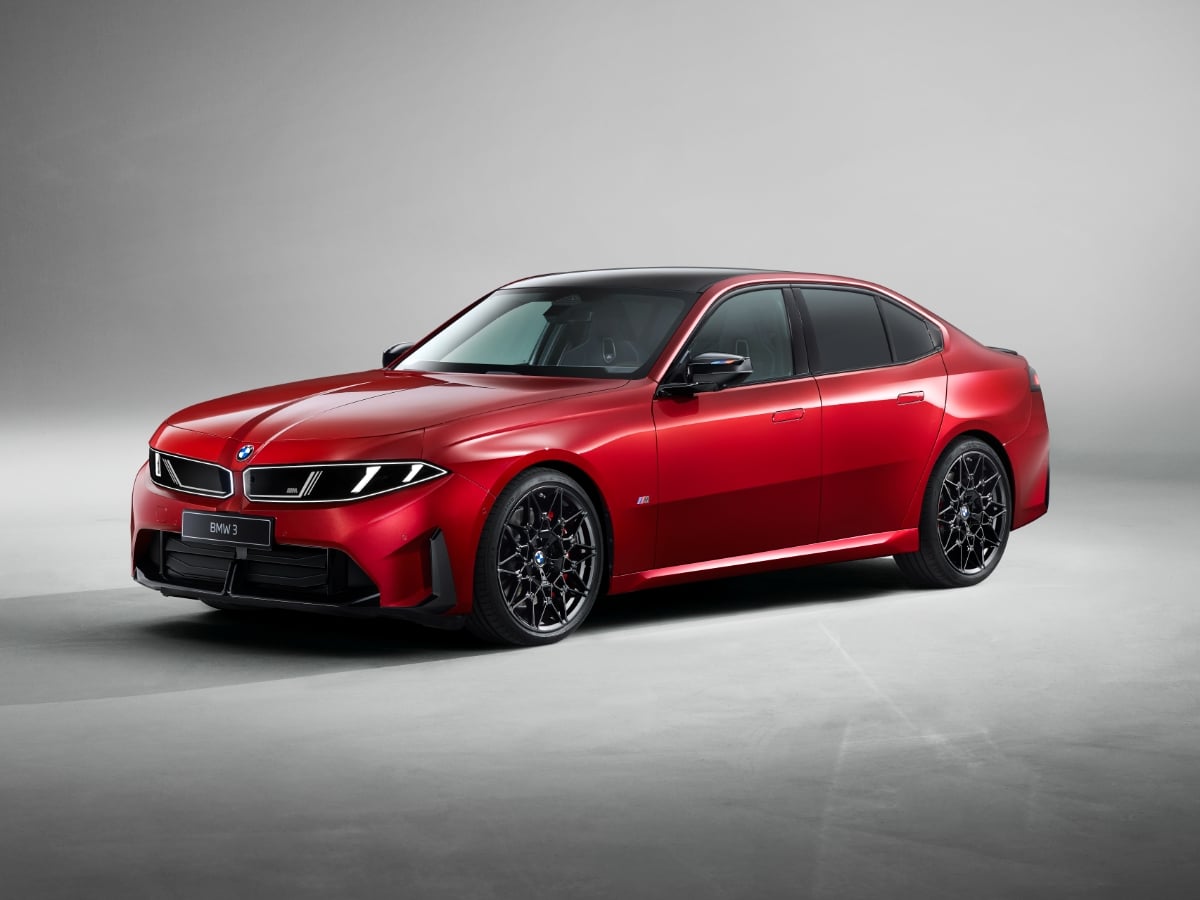
Part of BMW’s Neue Klasse (new class) rollout of redesigned models, the 2027 BMW 3 Series is all-new and goes on sale in the first quarter of 2027.
Read the Full Article