
The average reaction time is three-quarters of a second. Reaction time is how long it takes to move your foot from the accelerator pedal to the brake pedal in response to a situation.

Reaction times vary depending on the driver and the situation. However, it is a serious concern when you get behind the steering wheel. That’s because drivers with longer reaction times cause significantly more road accidents.
It is vital to pay attention to your reaction time because it contributes to the time and distance it takes to slow down and bring your vehicle to a complete stop, also known as stopping distance.
In addition to reaction time, other factors affect stopping distance. These are: perception or thinking time, perception or thinking distance, braking time, and braking distance.
This is how long it takes to identify a situation and understand the need to stop. The average thinking or perception time is also ¾ second, which is three-quarters of a second. However, it takes longer for drivers with less experience to perceive danger. Hence their perception or thinking time is relatively longer.
This is the distance the vehicle travels during the perception time. That is how far your car travels while you figure out the situation. Perception or thinking distance is highly impacted by the driver’s ability to make decisions, vision, higher speeds, distractions, driver fatigue, and driving under the influence (DUI), such as alcohol and drugs.
Braking time is how long it takes for the vehicle to come to a complete stop after you’ve applied the brakes. Braking distance is how far it travels before coming to a stop after you’ve applied the brakes.
Braking distance is highly impacted by the vehicle’s condition, mainly by brakes, tires, weather conditions, higher speeds, overloaded vehicles, and vehicles with too many occupants.
Technically, Stopping Distance = Thinking Distance + Braking Distance
Taking into account reaction time, thinking time, thinking distance, as well as braking time and distance, the average time to stop a vehicle is 6.5 seconds. This time, however, includes a 1-second delay in driver reaction time and 2.5 seconds delay in applying the brakes.
This means that depending on the speed of a vehicle, it can take a distance of 302 feet, which is 92 meters, to bring it to a complete stop.
Here are tips that can help to improve your reaction times, though the best and most effective way to improve your reaction time is to exercise your mind and body.
Increasing your following distance from the vehicle in front of you will allow you more time to react quickly to sudden stops and hazards. As a general rule, the National Safety Council recommends 3 seconds following distance.
This implies that if the vehicle ahead passes an object, say a road sign. You should allow 3 seconds to pass before you pass that road sign. Doing so will give you more time to slow down and stop when traffic comes to a sudden halt.
Using your cell phone, tuning the radio or adjusting the volume, and interacting with passengers are all distractions. Eliminate these distractions if you want to improve your reaction time.
Practice looking past the vehicle in front. This gives you knowledge of what lies ahead and will significantly improve your thinking time and distance. It will also allow you more time to react since you know the conditions further ahead.
Try to get enough rest before you embark on a journey, or at least before you drive. Also, take frequent breaks during long drives. If you are on medication, review your prescriptions since some of them can cause dizziness, and fatigue, slow your reflexes, or even blur your vision.
Always begin your braking early so that you will have enough braking distance. Do not wait till you are too close to other vehicles or objects before slamming your brakes hard.
Apply your brakes gently, then just before you come to a stop, slightly release the pressure on the brakes and then reapply them. This will help you stop smoothly.
If circumstances require you to make a hard stop, use threshold braking or limit braking so you don't lock your wheels. If they lock, release the pressure and reapply.
The average reaction time when driving is ¾ second, which is three-quarters of a second. Reaction time is how long it takes to move your foot from the accelerator pedal to the brake pedal in response to a road situation.
In addition to reaction time, thinking time and thinking distance, as well as braking time and braking distance, contribute to the total time and distance it takes to stop a vehicle.
To improve your reaction time, increase your following distance when driving, eliminate distractions, look through the cars ahead, stay awake and alert, and apply your brakes in time.


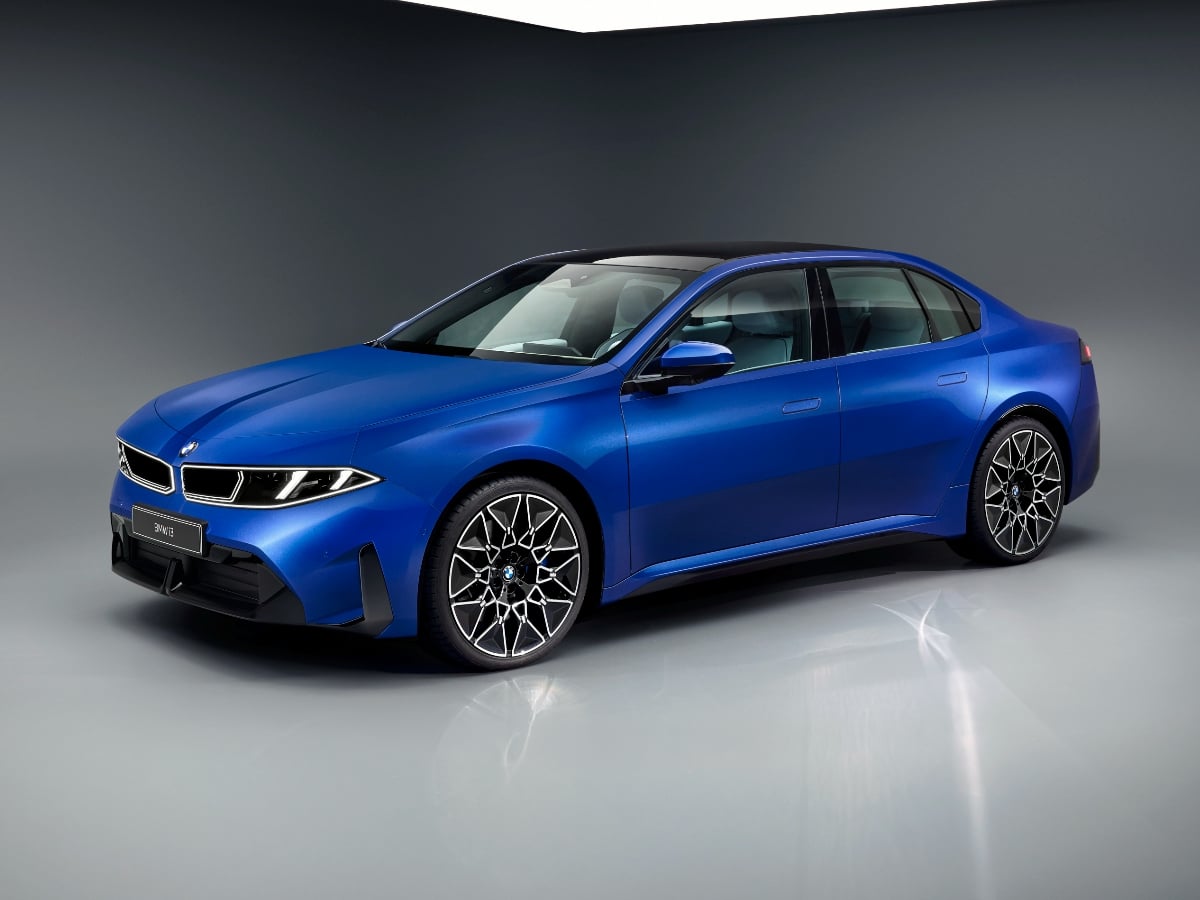
The new 2027 BMW i3 boasts an estimated range of up to 440 miles, 400-kilowatt DC fast charging capability, bidirectional charging to a home or the grid, and next-generation technology.
Read the Full Article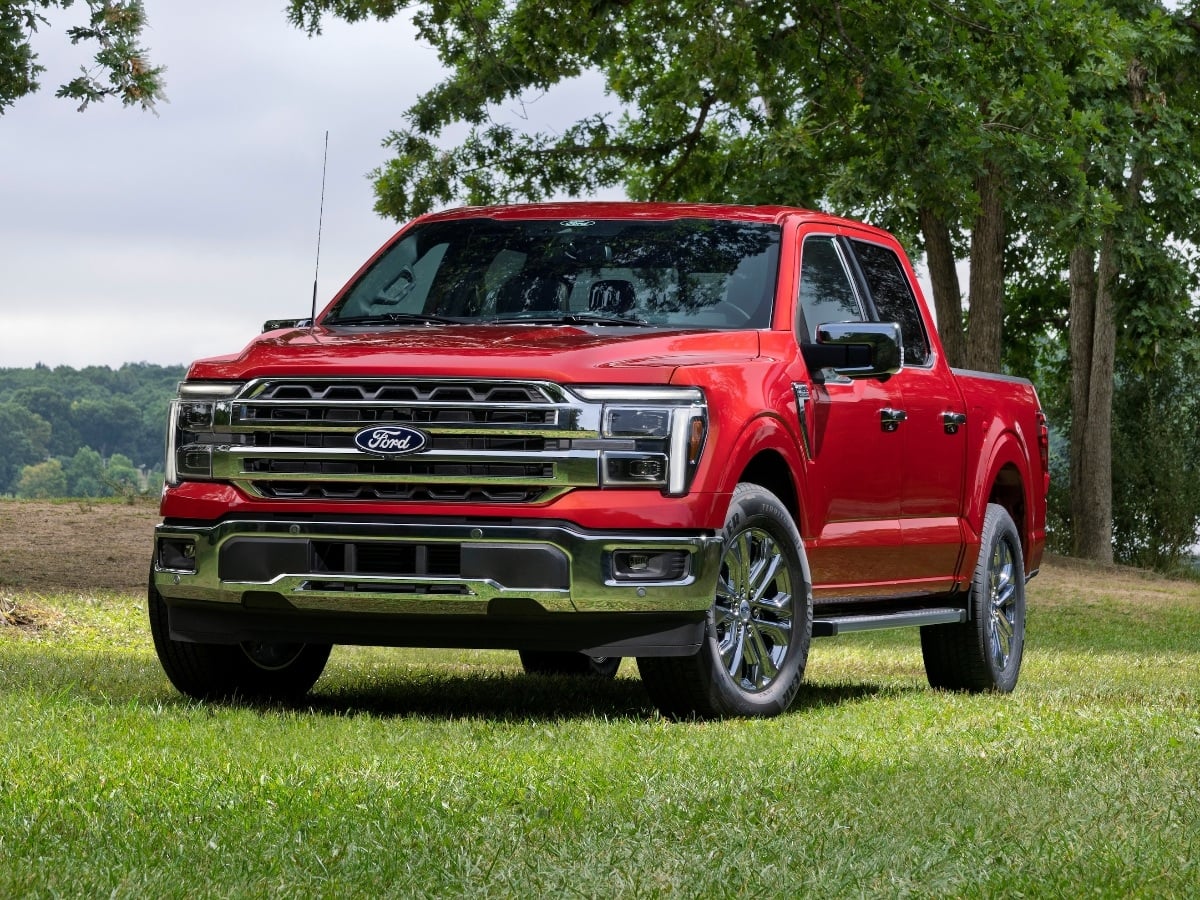
Facing renewed competition in the full-size, light duty pickup truck segment, the 2027 Ford F-150 receives subtle styling updates, a new standard engine, broader availability of its 5.0-liter V8, and ...See More
Read the Full Article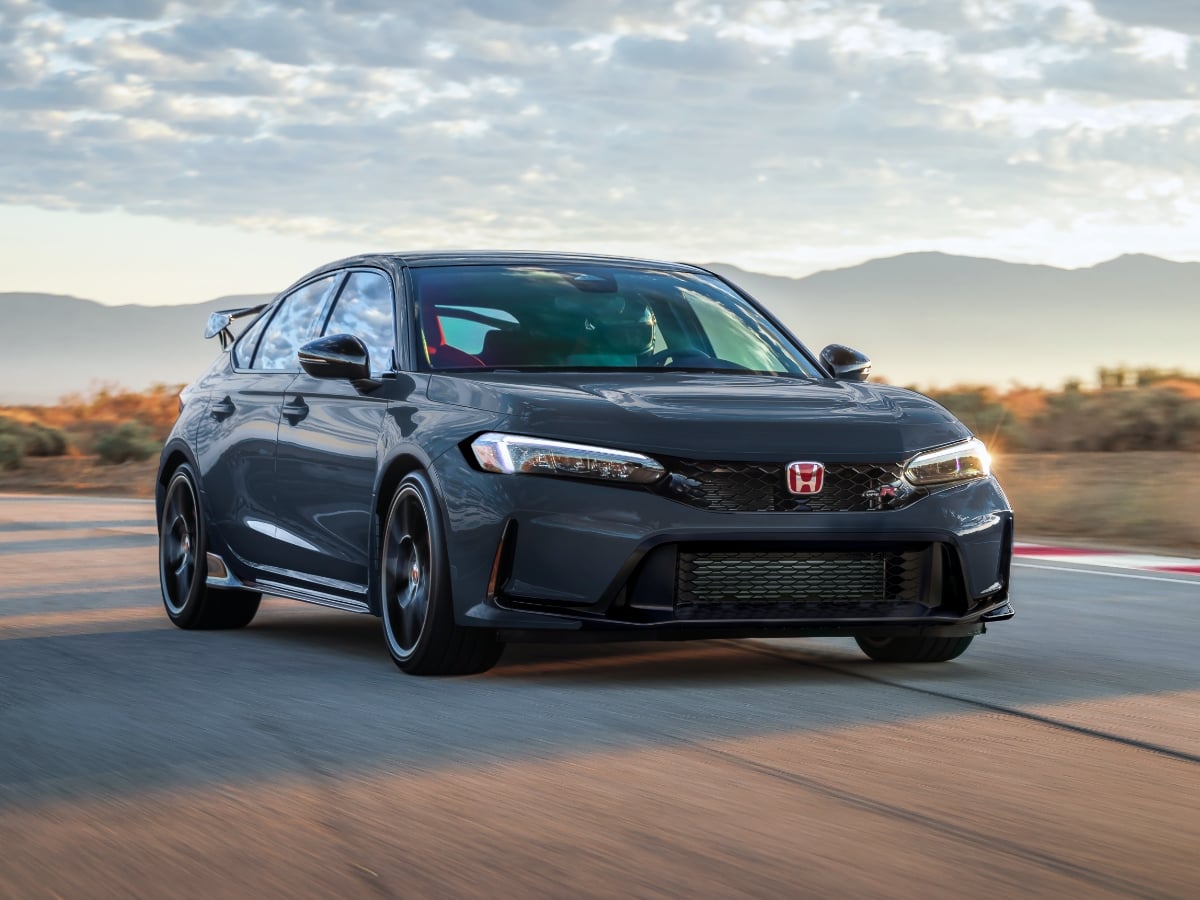
The 2027 Civic Type R goes on sale in October 2026, and it starts at $49,990, including the $1,295 destination charge.
Read the Full Article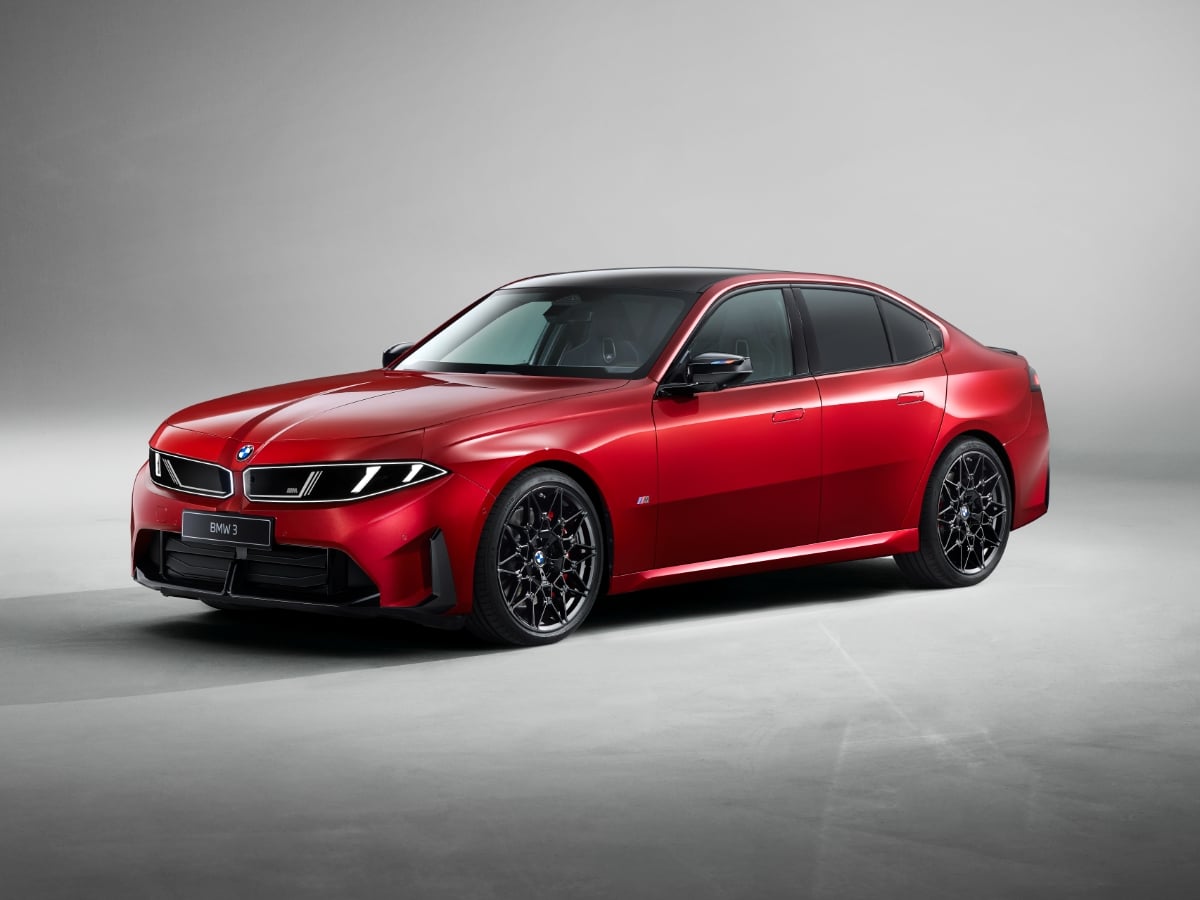
Part of BMW’s Neue Klasse (new class) rollout of redesigned models, the 2027 BMW 3 Series is all-new and goes on sale in the first quarter of 2027.
Read the Full Article