
Undercoating is a rust mitigation strategy for your vehicle. Although newer cars are built to resist rust more effectively than older models, rust is still a concern. Taking preventive measures early can extend your vehicle’s lifespan and minimize the need to address problems later. This article explores the dangers of rust, prevention strategies, and the different types of undercoating.

Neglected rust can escalate from a minor cosmetic issue into a significant safety and repair concern. Spreading rust compromises the fuel tank housing, chassis, transmission, drivetrain, suspension, wheel wells, and other components. It can also weaken the vehicle’s structural integrity, diminishing its ability to protect occupants in a collision.
Rust prevention is essential, as rust removal is both tedious and labor-intensive. Two common mitigation measures are rustproofing and undercoating. Rustproofing involves a professional applying protective wax to the vehicle surfaces that are most susceptible to rust.
Undercoating entails spraying the entire undercarriage of the vehicle with rubber, polyurethane, wax, oil, or asphalt-based coating. This application is designed to form a protective barrier between the undercarriage and moisture from the road.
There are five primary types of undercoating.
Many undercoating options are available based on your needs, budget, and comfort level with self-application. Dealerships may charge over $800 for undercoating, while garages might charge a few hundred dollars. However, some individuals can complete the process themselves for about $100. For those choosing a DIY approach, 16-ounce rubberized undercoating spray cans can be found in the $24 to $54 range.
Undercoating is an effective method to prevent rust from forming on your vehicle. It’s an important consideration for those in colder or more humid environments, especially if your vehicle is an older model that lacks the same level of corrosion protection as newer vehicles.
Matt Yantakosol is a lifelong automotive enthusiast and former consultant focused on the consumer aspect of the industry. He has traveled to New York, Detroit, Chicago, L.A., Paris, Geneva, Frankfurt, and Tokyo Auto Shows to track and observe the newest industry innovations. In addition to JDPower.com, Matt's writing has appeared on Pcarmarket.com.


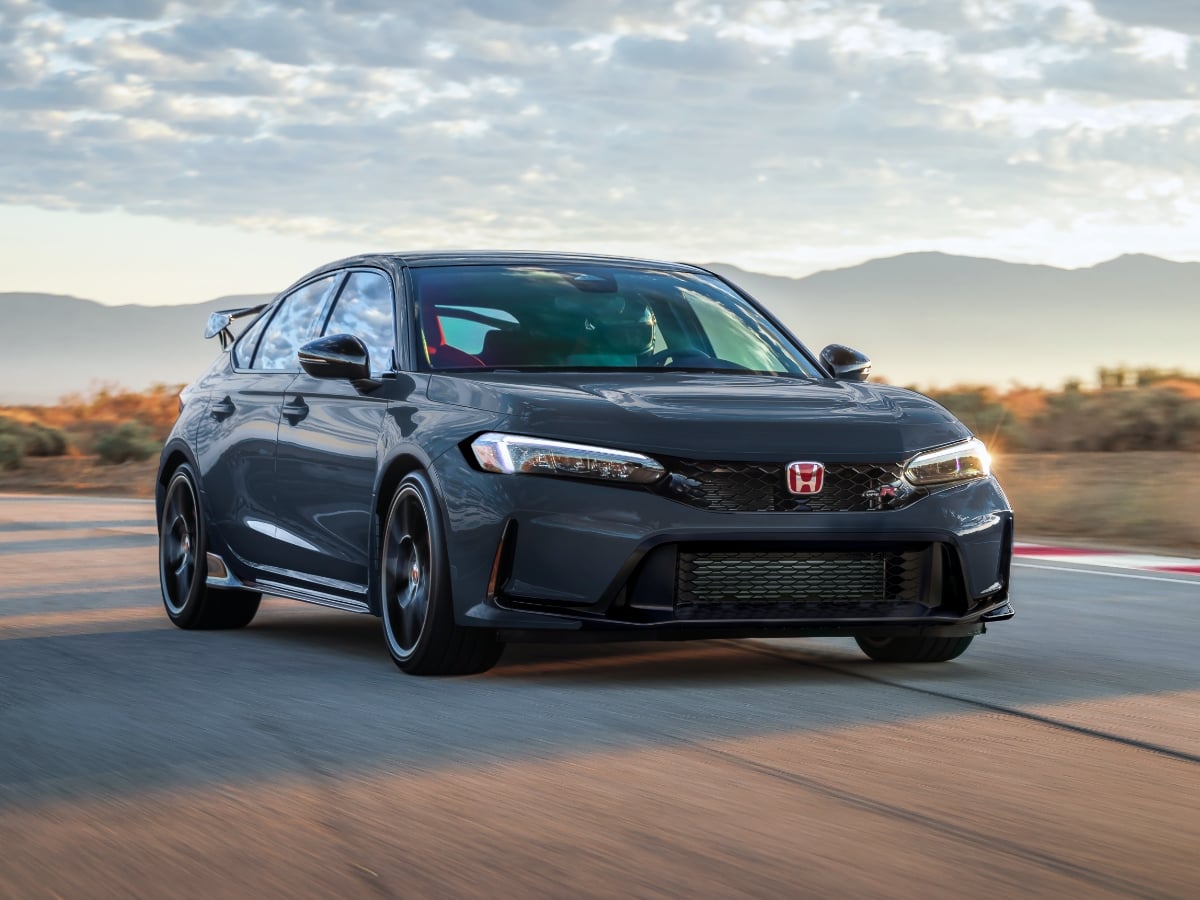
The 2027 Civic Type R goes on sale in October 2026, and it starts at $49,990, including the $1,295 destination charge.
Read the Full Article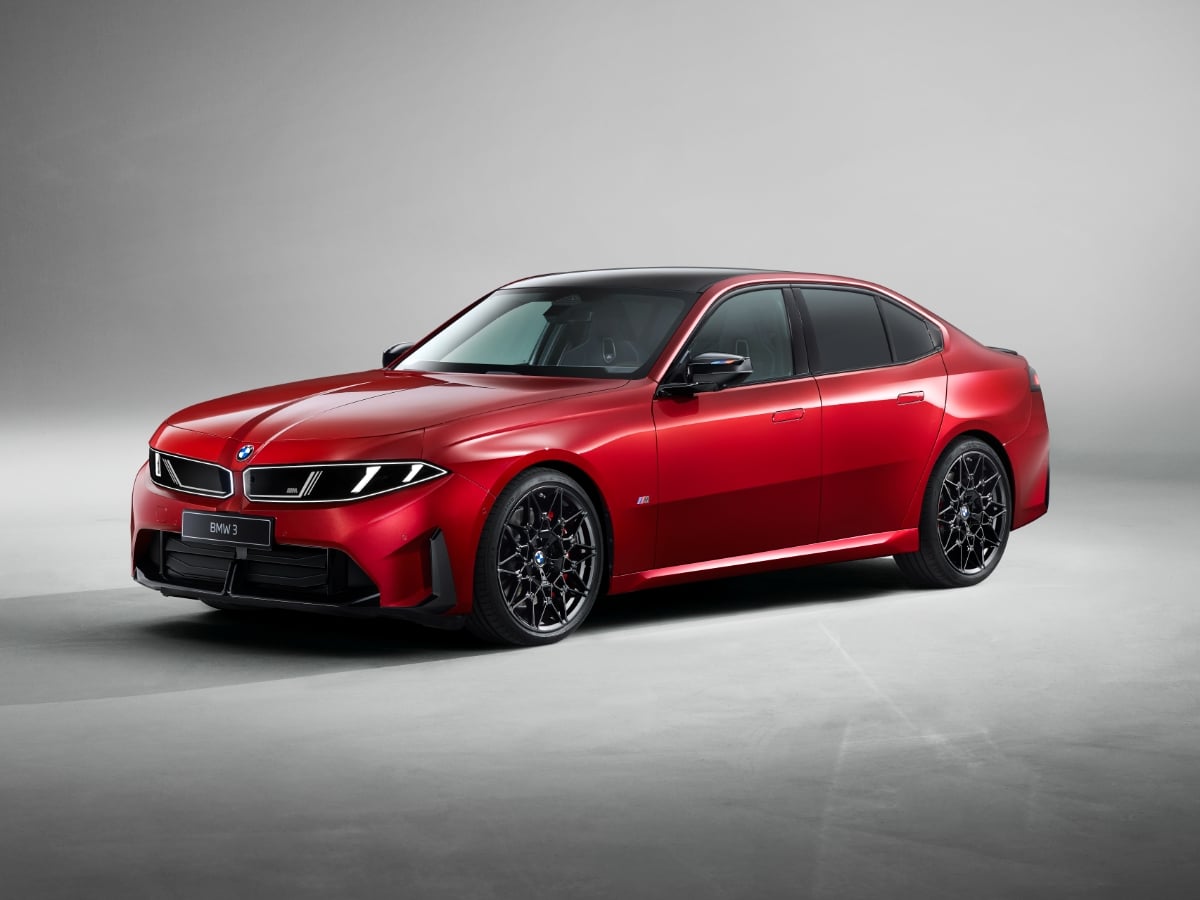
Part of BMW’s Neue Klasse (new class) rollout of redesigned models, the 2027 BMW 3 Series is all-new and goes on sale in the first quarter of 2027.
Read the Full Article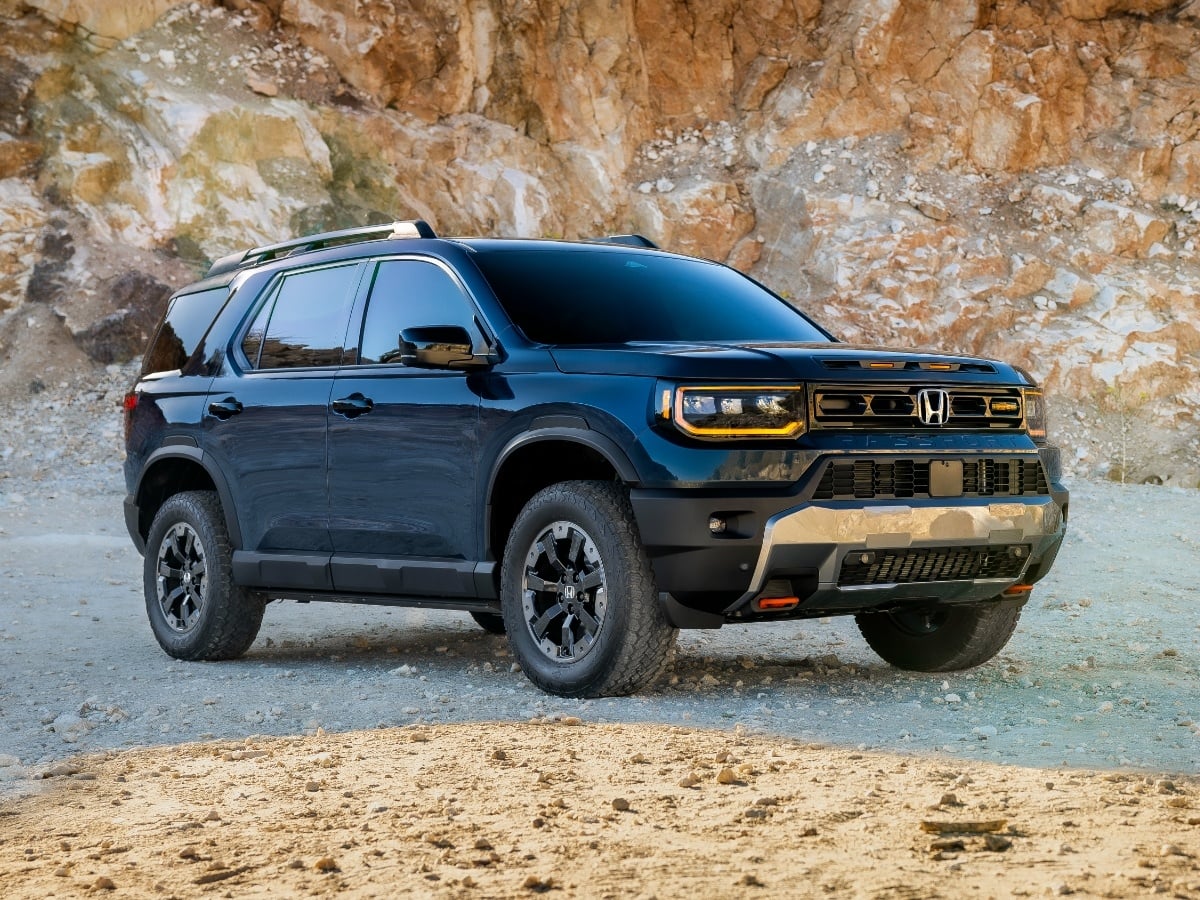
Updates to the 2027 Honda Passport TrailSport include a reworked suspension, improved steering, subtle styling enhancements, and added standard equipment.
Read the Full Article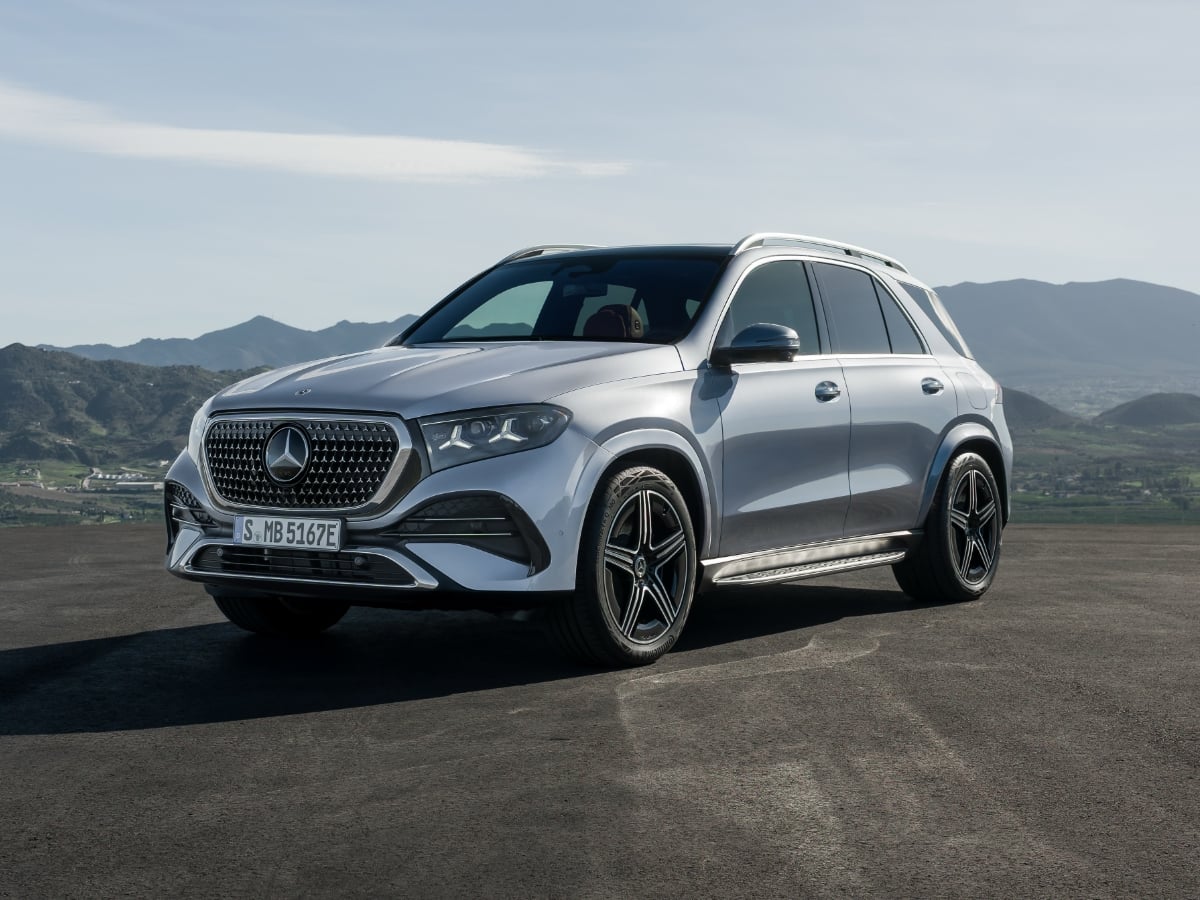
The midsize 2027 Mercedes GLE remains available in original and spicy Coupe recipes, now with standard 4Matic all-wheel drive (AWD), MBUX Superscreen technology, and a panoramic glass sunroof for ...See More
Read the Full Article