
A car can expire from rust. Although newer models withstand rust far better than older ones, no car is totally immune. Driving a car in a humid environment makes it even more vulnerable. Additionally, vehicles that frequently travel on roads coated in snow, ice, or salt corrode more quickly.

When inspecting for rust, try to raise the vehicle on a level to get a closer look. If this isn't an option, be prepared to get a little dirty as you slide beneath the car. Examine whatever piece of metal you can find using a flashlight.
Over time, wear and strain can dissolve protective coatings and leave metals exposed to moisture. Anywhere on the body of an automobile might get rust. In reality, because oxidation can begin inside a panel or part and expand outward, surface rust is typically just the beginning of the problem.
Check out the following components under your car:
Exhausts: Your car's tailpipe, which can get blocked by dirt and debris, can accumulate moisture from both the inside and outside of the car.
Frame Rails: The rails that run beneath an automobile's doors on either side are called the frame rails.
Wheel Wells: In older cars without arch liners, the curves above your tires are particularly vulnerable to rust.
Suspension: It is vulnerable to moisture contact due to its proximity to tires, which can fling up dirt and other debris from below the car.
Doors And The Rocker Panels: When the drain holes in the bottoms of the doors aren't regularly wiped out, rust in the doors typically starts to form. The door chamber becomes clogged with dirt and debris, which allows rust to eat away at the sheet metal. Although rust in the doors is unattractive and probably indicates that there is rust elsewhere, doors may be easily repaired, and replacement doors are not difficult to get, so it might not be a deal-breaker.
Undercarriage: Scratches and bare metal on your car's paintwork are quite visible, especially if you value your vehicle's appearance. Understanding what's happening beneath the surface, on the other hand, needs a bit more effort. Check your car's underneath for rust on a regular basis, particularly during the winter seasons, to ensure there are no issues.
While the majority of rust issues begin as minor cosmetic damage, if left unattended, they can turn into safety threats.
By corroding the coatings and giving your car's paint job a worn-out appearance, rust stains on the body can affect your paint job. Rust can start as a little scrape on the body of your car and spread beneath the surface to cause serious damage.
If left unattended, rust can harm your car's interior workings, undermine its stability, and harm its chassis, wheel wells, fuel tank housing, engine mounts, and other elements. Rust compromises the structural integrity of your car and reduces its ability to withstand accidents, putting your life in danger.
Rust can harm expensive auto parts and even entire systems, like your suspension system, transmission system, or drive train, if you don't take care of it right away. You could also require qualified professionals to confirm the damage's full degree.
Fortunately, it's not too difficult to prevent rust on your car. These five ideas are a good place to start.
Wash Your Vehicle Often: Washing a car frequently is one of the simplest ways to avoid corrosion. It will not only keep your car looking new, but it will also remove corrosive dirt, salt, and grime.
Bear In Mind The Wax: You should wax your car at least twice a year to keep it in top shape and stop rust from developing. This offers another more layer of protection between moisture-causing corrosion and the paint on your car.
Rust-Proofing The Area: It's a good idea to hire a professional to apply a protective rust-proof coating if you already struggle with rust or live in a tough area.
Safeguard Your Vehicle Against The Elements: The effects of snow, rain, and sun on your car can be severe. It's best to park it under cover if you want to prevent rust. Consider constructing a garage if your house doesn't already have one.
Prevent The Spread Of Rust By Repairing It As Soon As Possible: It's a good idea to inspect your car every time you wash it. Watch out for any paint deterioration or tiny rust stains.
The cosmetic value of a car is considerably reduced by rust stains. However, if rust attacks the metal components, it might also jeopardize your safety. Electrical connections and components may become more prone to damage as a result of losing their protective steel coating.
The fact that rust destroys metal makes it extremely dangerous. Rust will eventually damage the frame and chassis if it isn't treated, slowly eating away at the car's exterior layer of paint. The engine and the trunk would later become rusted. The connectors supporting these essential components will deteriorate once they've been exposed to corrosion, making them more prone to failure and compromising your ability to drive safely.



The new 2027 BMW i3 boasts an estimated range of up to 440 miles, 400-kilowatt DC fast charging capability, bidirectional charging to a home or the grid, and next-generation technology.
Read the Full Article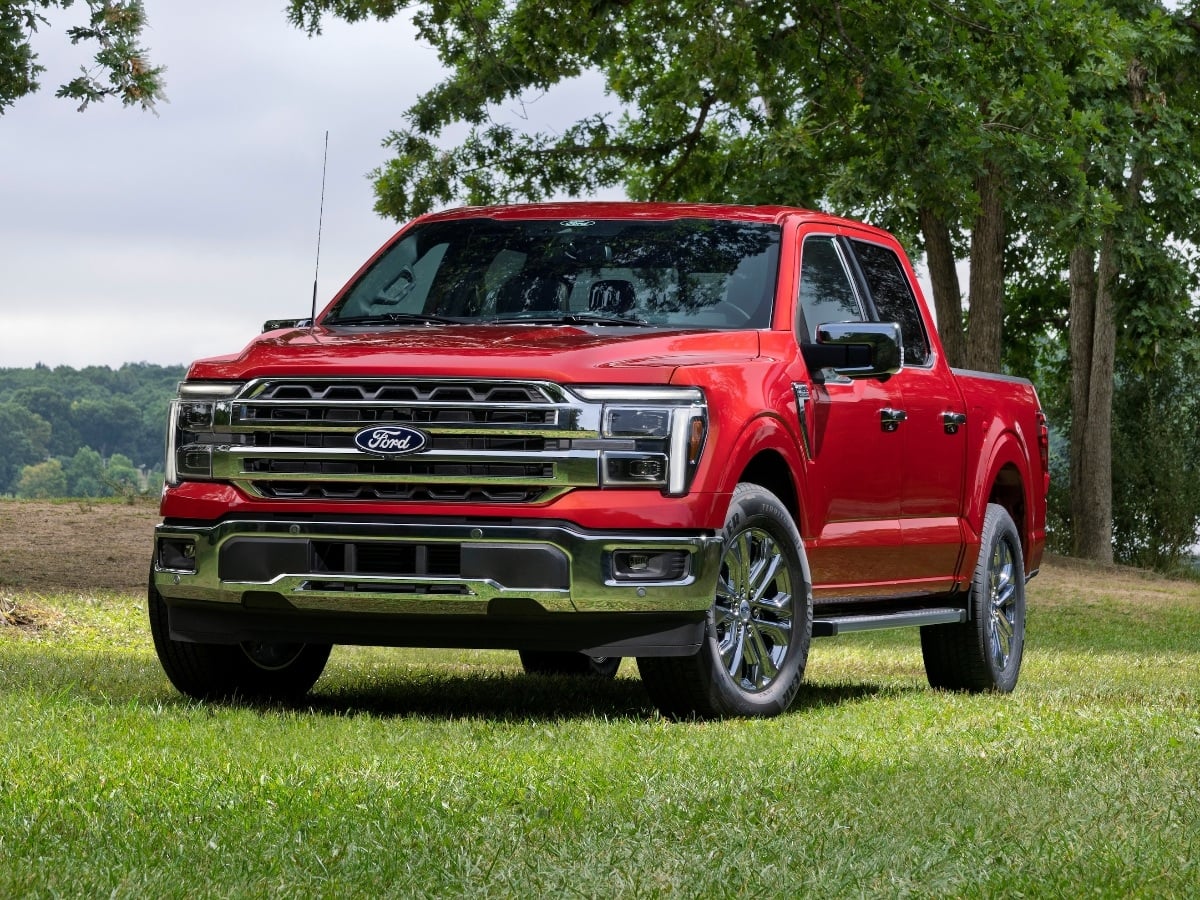
Facing renewed competition in the full-size, light duty pickup truck segment, the 2027 Ford F-150 receives subtle styling updates, a new standard engine, broader availability of its 5.0-liter V8, and ...See More
Read the Full Article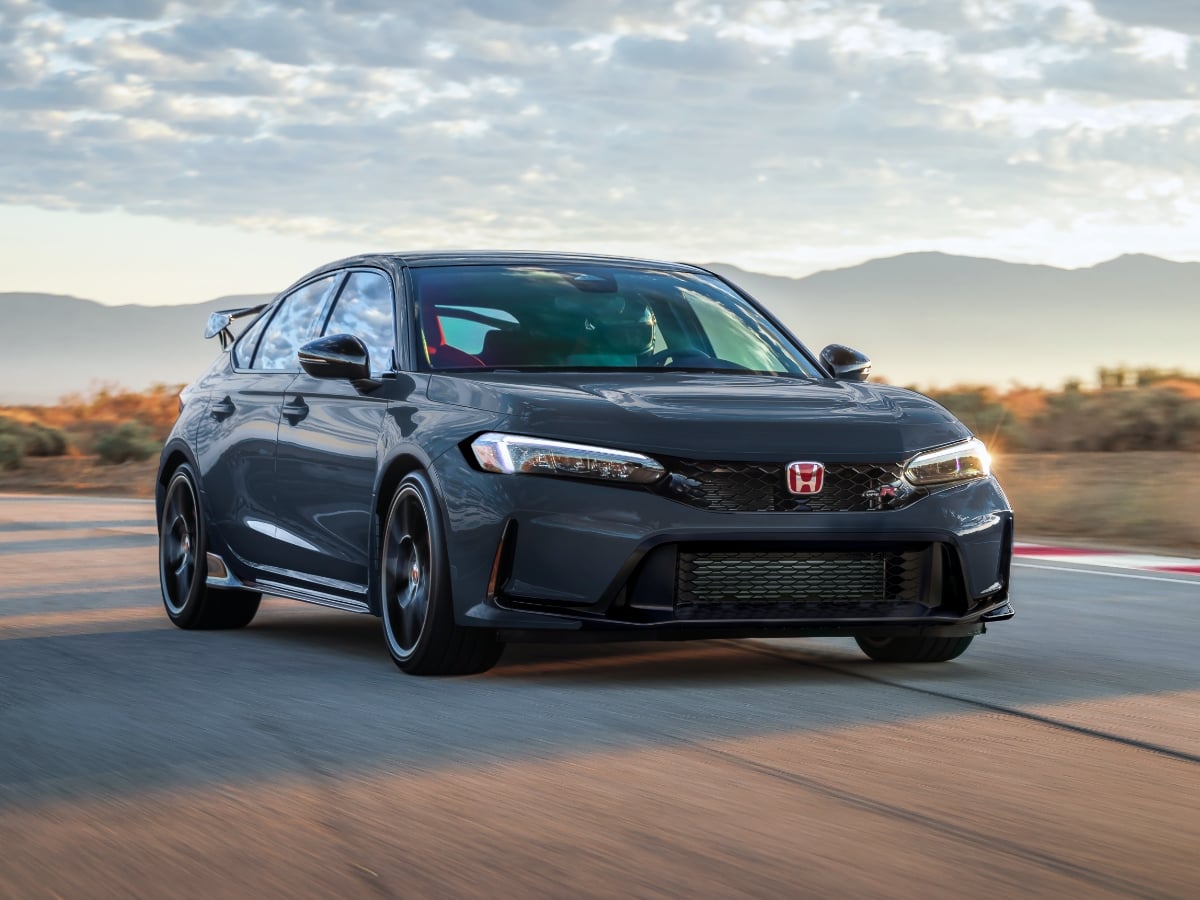
The 2027 Civic Type R goes on sale in October 2026, and it starts at $49,990, including the $1,295 destination charge.
Read the Full Article
Part of BMW’s Neue Klasse (new class) rollout of redesigned models, the 2027 BMW 3 Series is all-new and goes on sale in the first quarter of 2027.
Read the Full Article