
Rear-axle steering, also known as rear-wheel steering or four-wheel steering, is an automotive technology designed to improve a vehicle's handling and maneuverability. By allowing the rear wheels to turn in conjunction with or opposite to the front wheels, rear-axle steering enhances turning capabilities, especially with larger vehicles that might struggle with navigating through narrow streets and tight parking lots.

Porsche first introduced four-wheel steering in 1977 when it debuted the 928 model featuring the "Weissach Axle"—a passive rear-axle setup. Other automakers like Ford, Peugeot, and Saab soon developed their own versions of this system.
In 1985, Nissan introduced the first active four-wheel steering system on its R31 Skyline for the Japanese market. In 1987, Honda equipped the Prelude with a similar system. Since then, many brands have incorporated active four-wheel steering into their models.
Rear-axle steering functions through a combination of actuators, sensors, and control systems. Depending on the specific system, the rear wheels can turn in two primary configurations: in the same direction as the front wheels (parallel mode) for stability at higher speeds or in the opposite direction (counter mode) for improved maneuverability at low speeds.
The most well-known recent example of rear-axle steering is the GMC Hummer’s CrabWalk mode. Aside from helping the Hummer maneuver with a quick turning radius, rear-axle steering allows the vehicle to travel in a diagonal path to avoid obstacles in the wilderness, including ditches, boulders, fallen trees, etc. It also enables the Hummer to parallel park with greater ease.
Automakers that offer rear-axle steering are, for the most part, premium-level or luxury brands, including Acura, Audi, Bentley, BMW, Cadillac, Ferrari, GMC (Hummer), Lamborghini, Lexus, Mercedes-Benz, Porsche, and Rolls-Royce.
Rear-axle steering enhances vehicle maneuverability by allowing the front and rear wheels to steer. There are two primary types of systems:
Both types improve vehicle handling, stability, and safety and apply to various driving scenarios and preferences.
Rear-axle steering offers several key benefits:
Rear-axle steering offers various benefits that improve maneuverability and stability. From achieving tighter turning and enhancing low-speed agility to boosting high-speed performance and overall driver comfort, rear-axle steering systems can take vehicle dynamics to a new level.
To learn more about various automotive technologies, visit the Shopping Guides section of the website.
Jessica Shea Choksey is an experienced writer in the automotive field. In addition to JDPower.com, she was a correspondent for PBS's MotorWeek, and her work has appeared on Autotrader.


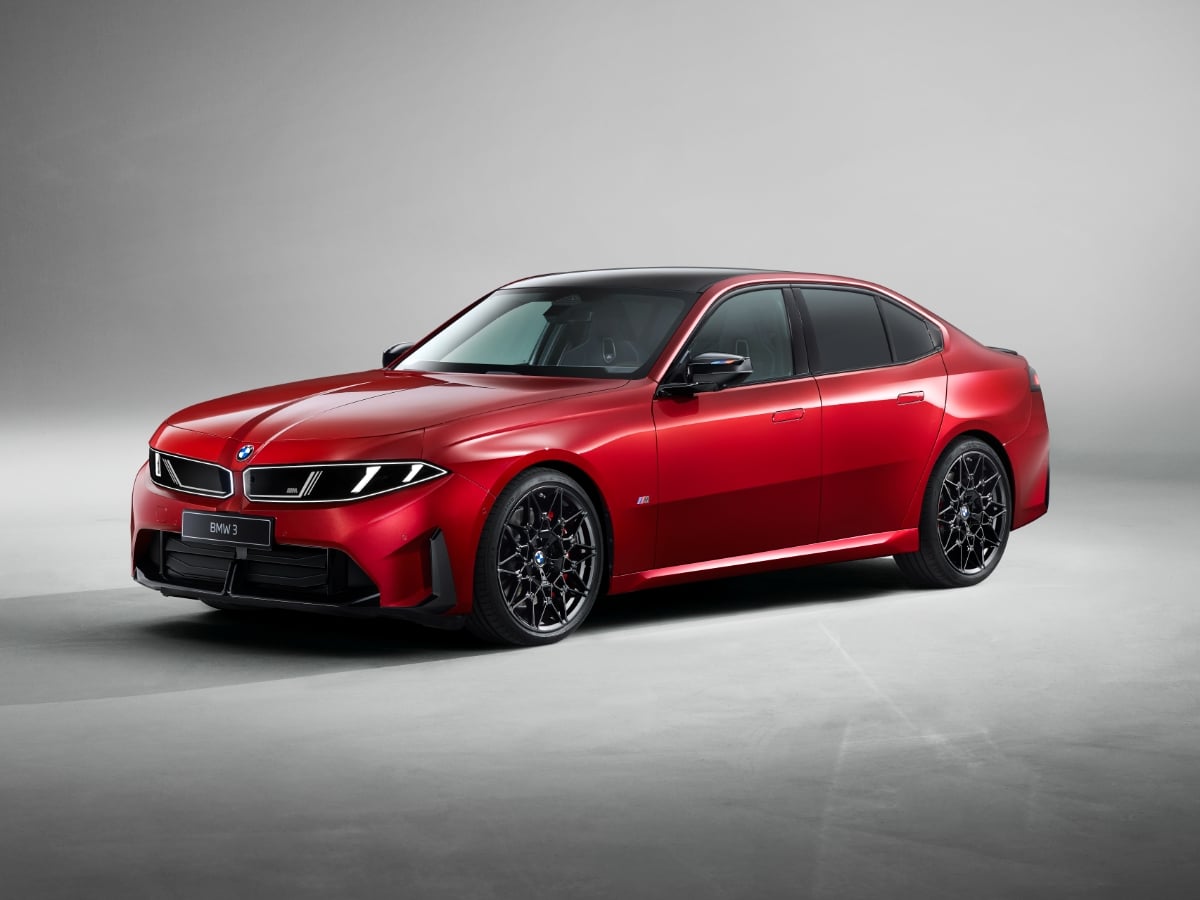
Part of BMW’s Neue Klasse (new class) rollout of redesigned models, the 2027 BMW 3 Series is all-new and goes on sale in the first quarter of 2027.
Read the Full Article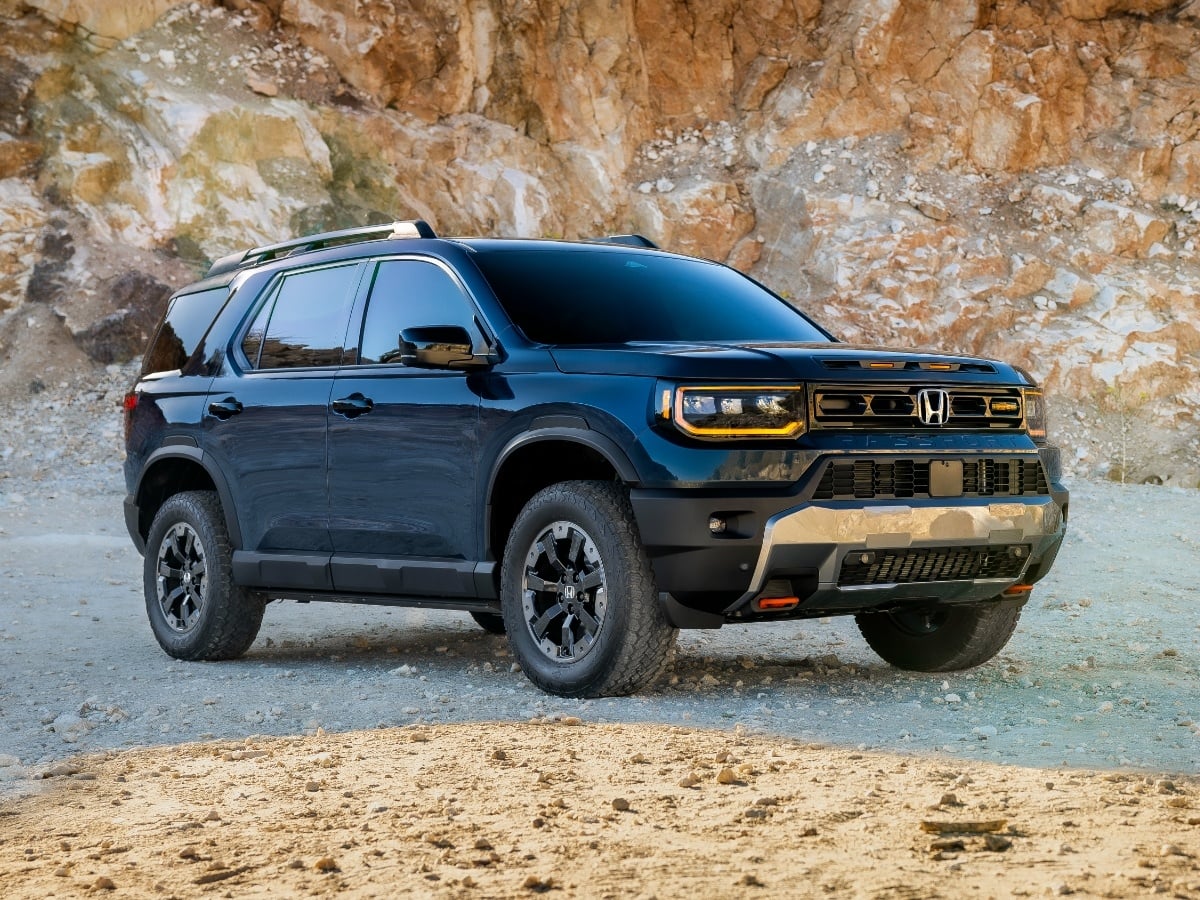
Updates to the 2027 Honda Passport TrailSport include a reworked suspension, improved steering, subtle styling enhancements, and added standard equipment.
Read the Full Article
The midsize 2027 Mercedes GLE remains available in original and spicy Coupe recipes, now with standard 4Matic all-wheel drive (AWD), MBUX Superscreen technology, and a panoramic glass sunroof for ...See More
Read the Full Article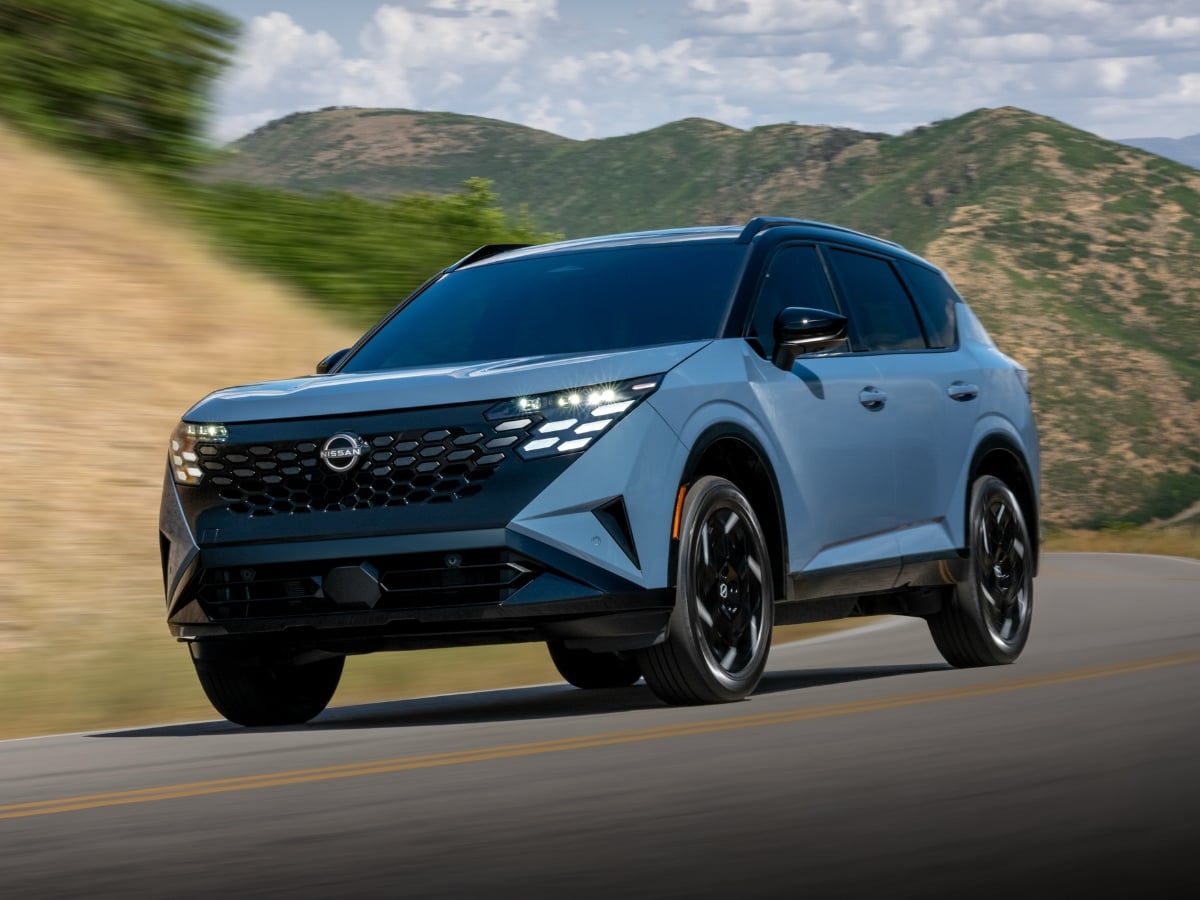
Nissan is about to introduce an innovative new SUV. The 2027 Nissan Rogue Hybrid has a gasoline engine, but it does not power the wheels. Instead, electric motors at each axle provide propulsion, ...See More
Read the Full Article