
There are many technologies employed within a vehicle. You probably know cruise control helps maintain speed and that the ESC system assists the driver in emergencies on the road.

However, one word you might not have heard is “positraction”. Just as any other technology implemented in vehicles, it plays quite an essential role in maintaining a good driving experience.
This article will explore what positraction is and explain exactly how it works. So, let's get started!
Positraction, or positive-traction rear end, is a General Motors brand name for a limited-slip differential (LSD). It helps distribute power to the rear wheels and helps them spin at the same speed.
When one of the wheels slips or slides, a positraction differential redirects more power to the wheel with a solid grip on the surface. It allows you to gain more traction control over the car and significantly improve its grip on the road.
But despite its relatively simple role, you must understand how it works to choose the right car.
As we mentioned, positraction directs power to the wheel that needs it most. If you drive in normal conditions on a road or highway, the differential will provide equal torque to both wheels. This helps to smooth out vehicle movement and is useful in most driving situations you may find yourself in.
Additionally, positraction helps if you drive through a tight corner or accelerate too harshly. In this scenario, your wheels will want to spin at different speeds, which decreases traction and causes handling issues. Here the differential will adjust the speed at which the rear tires turn and allow the axles to spin at different rates. The torque will be directed to the wheel with the most traction, and the driver will regain stability and control.
But while it is clear what the positraction does, you may start to wonder about the differential and what role it plays.
A differential is a component in your car’s axle that transforms the power from the engine into movement in the wheels. It splits the torque from the engine two ways and allows the wheels to spin at different speeds. It keeps them from locking, which causes difficulties when turning or significantly reduces control.
The differential works by having pinions turn gears inside its case with the driveshaft. It, in turn, spins the axle shafts using different gear ratios.
Early automobiles had open differentials, and because of that, the same amount of torque was applied to each wheel. It could cause slippage on turns and tight corners or in off-road situations. As you could’ve guessed, the issue was solved when the positraction stepped in.
Positraction offers many benefits to the consumer, especially for those who find themselves in very unfortunate road situations. Today, if a car is not fitted with positraction, it absolutely must have any other means of traction control to redirect power.
We repeatedly mentioned that positraction increases control when you need it most. Be it any icy road or just generally rough terrain; you should be absolutely fine with this technology on board.
Other benefits include fewer burnouts when the right rear tire spins more than the left one. Plus, it also helps with the wheel lock and makes turning as easy and intuitive as it should be.
The downsides, however, include uneven tire wear as varying amounts of torque will be applied to the wheels and repair costs. Positraction is a relatively expensive component but a much-needed addition for modern vehicles.
Like ESC, positraction is an element of your car that allows you to stay in control at all times. It monitors your rear wheels, redirects power when needed, and makes sure slippery roads or rough surfaces don’t become obstacles for the drivers.
Uneven tire wear and repair costs are only a small price to pay for such an excellent component. So, make use of the information we provided, and choose the right vehicle for yourself.


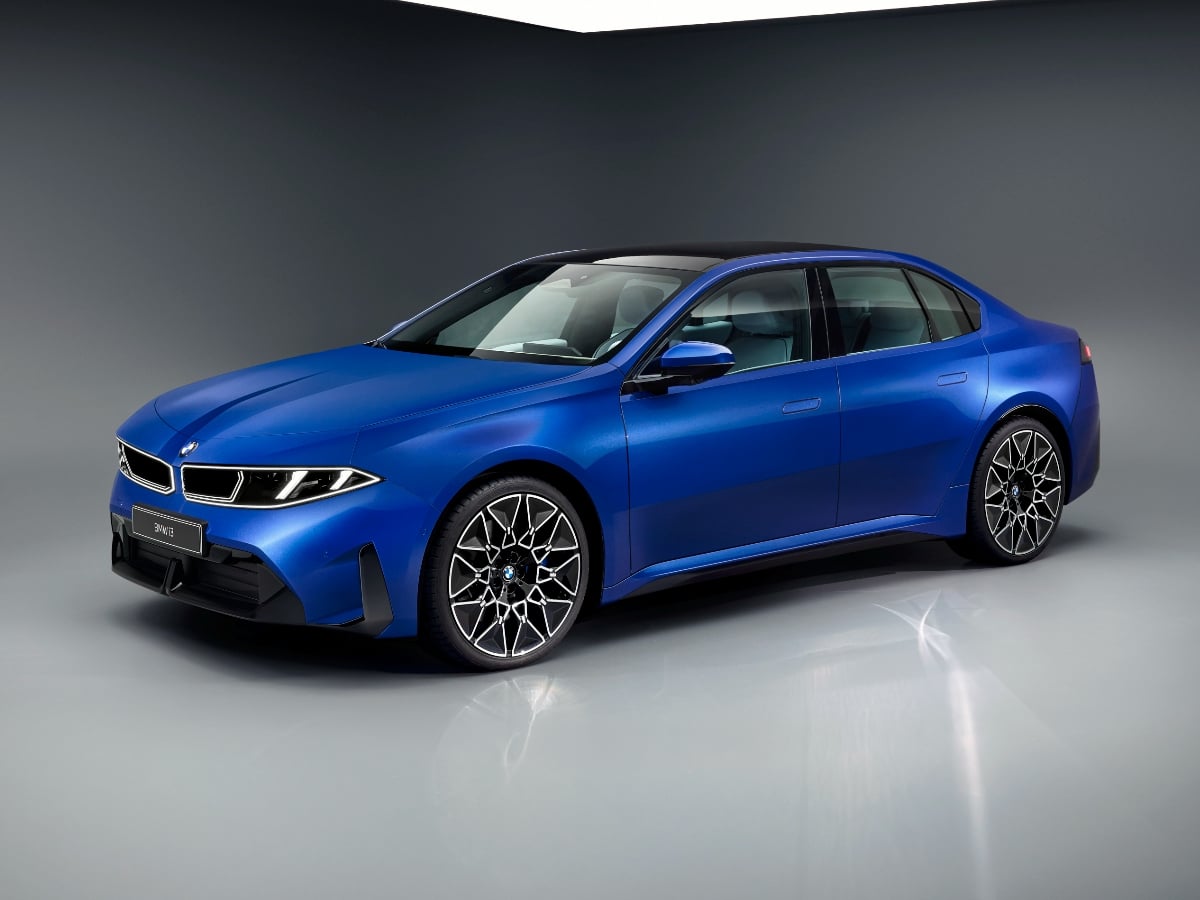
The new 2027 BMW i3 boasts an estimated range of up to 440 miles, 400-kilowatt DC fast charging capability, bidirectional charging to a home or the grid, and next-generation technology.
Read the Full Article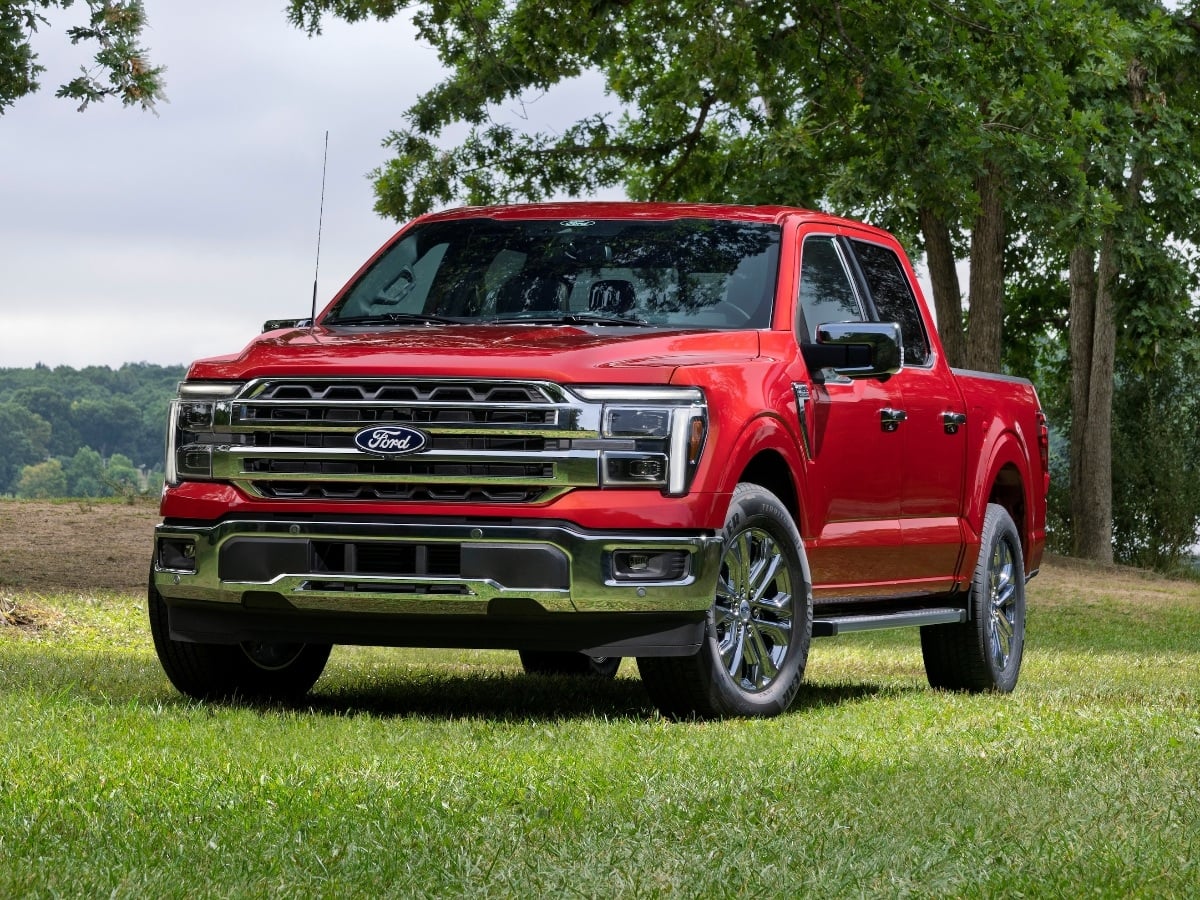
Facing renewed competition in the full-size, light duty pickup truck segment, the 2027 Ford F-150 receives subtle styling updates, a new standard engine, broader availability of its 5.0-liter V8, and ...See More
Read the Full Article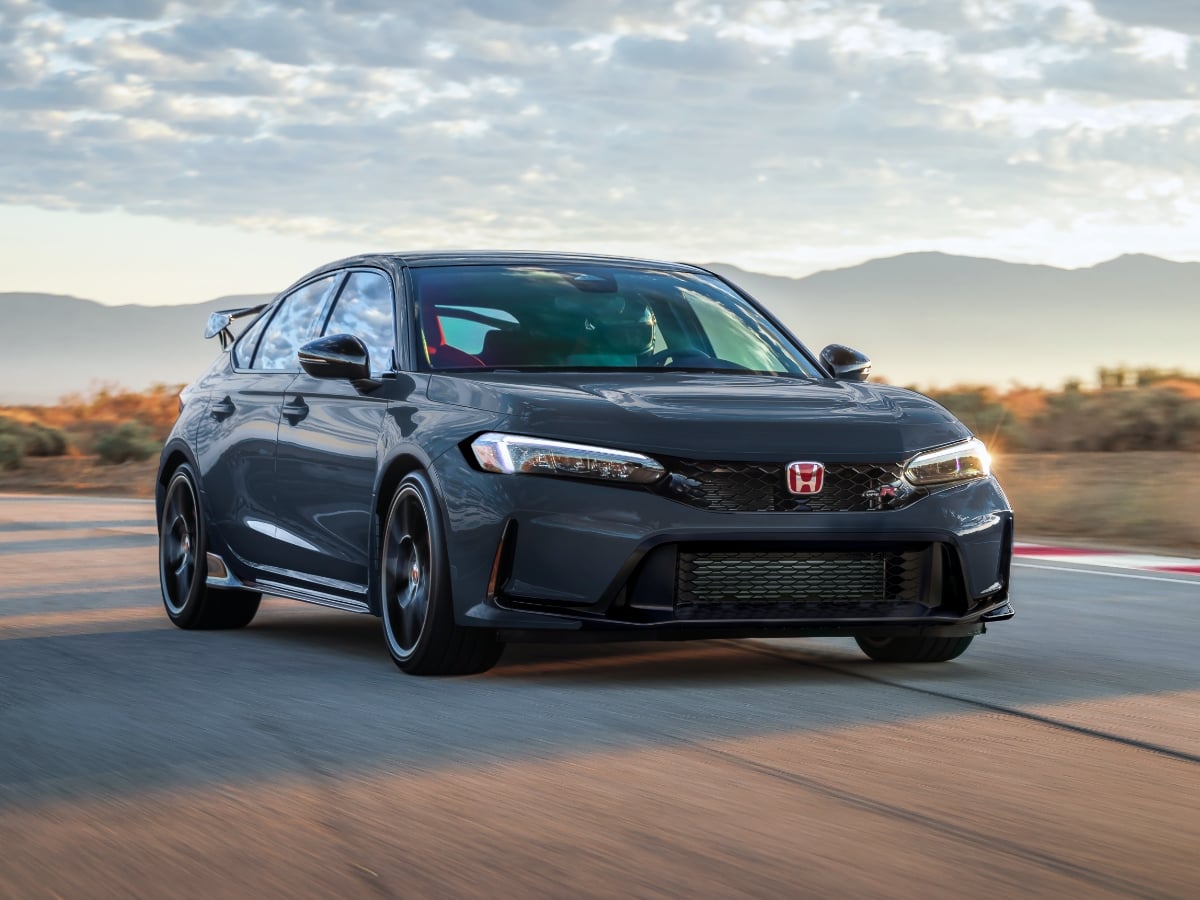
The 2027 Civic Type R goes on sale in October 2026, and it starts at $49,990, including the $1,295 destination charge.
Read the Full Article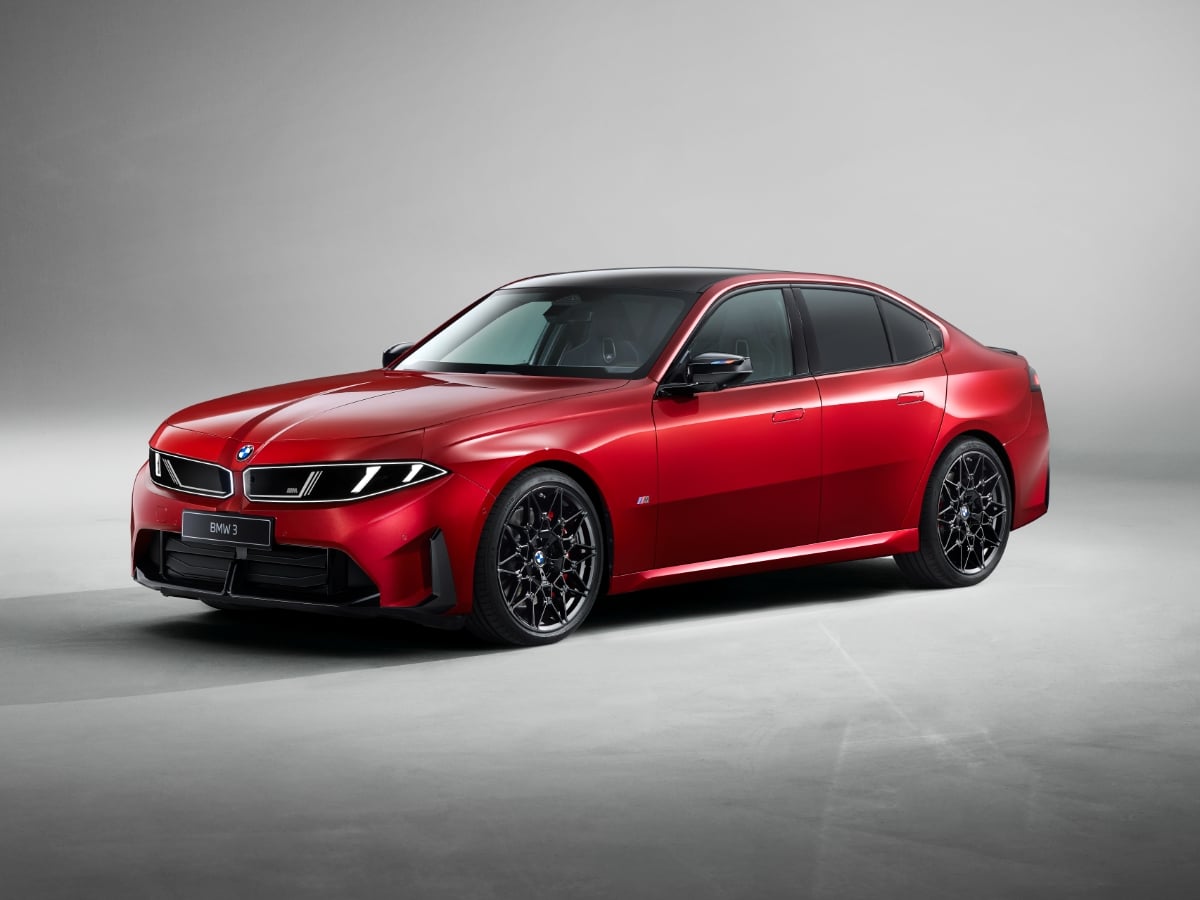
Part of BMW’s Neue Klasse (new class) rollout of redesigned models, the 2027 BMW 3 Series is all-new and goes on sale in the first quarter of 2027.
Read the Full Article