
Mazda Smart Brake Support (SBS) is an advanced driver assistance system (ADAS) that helps avoid or mitigate forward collisions by using radar and camera sensors to issue warnings and automatically apply the brakes. As a core part of Mazda's i-ActivSense safety system, SBS provides drivers with an extra layer of protection in-town and at higher speeds, when a quick reaction is crucial.

Smart Brake Support uses a forward-facing camera and millimeter-wave radar to monitor the road ahead. When the system detects that the vehicle is about to hit another car or an obstacle, it first displays visual warnings and emits audible chimes, giving the driver time to react. If the driver does not brake or steer away in time, SBS automatically applies the brakes to avoid a collision or reduce its impact.
The system activates at speeds above 10 mph. Because it uses radar, SBS can detect objects at greater distances and under a broader range of lighting conditions than camera-only systems. In addition to full automatic braking, SBS enhances brake assistance, ensuring the brakes engage quickly and firmly when the driver applies the pedal in an emergency.
Mazda previously equipped many of its models with Smart City Brake Support (SCBS), an earlier low-speed automatic braking system. The key differences between these two technologies include sensor types, operating speeds, and intended use cases.
Mazda designed SCBS for low-speed urban scenarios: parking lots, heavy traffic, and stop-and-go city driving. Early versions typically operated below about 18 mph. Smart Brake Support takes over at higher speeds, adding collision mitigation capability on suburban roads and highways.
The original SCBS relied on either a laser sensor or a single forward camera, which limited its range and performance. Smart Brake Support uses radar combined with a camera, offering longer detection distances, better performance in varying lighting conditions, and full warning alerts.
Smart City Brake Support remains fundamentally a low-speed, short-range system, while SBS is designed for broader, faster, and more demanding driving conditions.
Smart Brake Support improves safety by responding faster than a human could in most situations, especially when traffic changes suddenly. It can reduce collisions and improves brake response during emergency stops.
However, no automatic braking system is perfect. Weather, road conditions, or even radar or camera obstructions can limit performance. Additionally, the system may not always detect motorcycles and pedestrians. As Mazda has noted, SBS is a support system, not a substitute for attentive driving.
Mazda Smart Brake Support marks the brand's move toward more comprehensive, higher-speed collision mitigation technology by adding radar-based detection. The result is a safer driving experience, whether navigating crowded streets or cruising at highway speeds.
Visit the Shopping Guides section of the website to learn more about different automotive technologies.
Jessica Shea Choksey is an experienced writer in the automotive field. In addition to JDPower.com, she was a correspondent for PBS's MotorWeek, and her work has appeared on Autotrader.


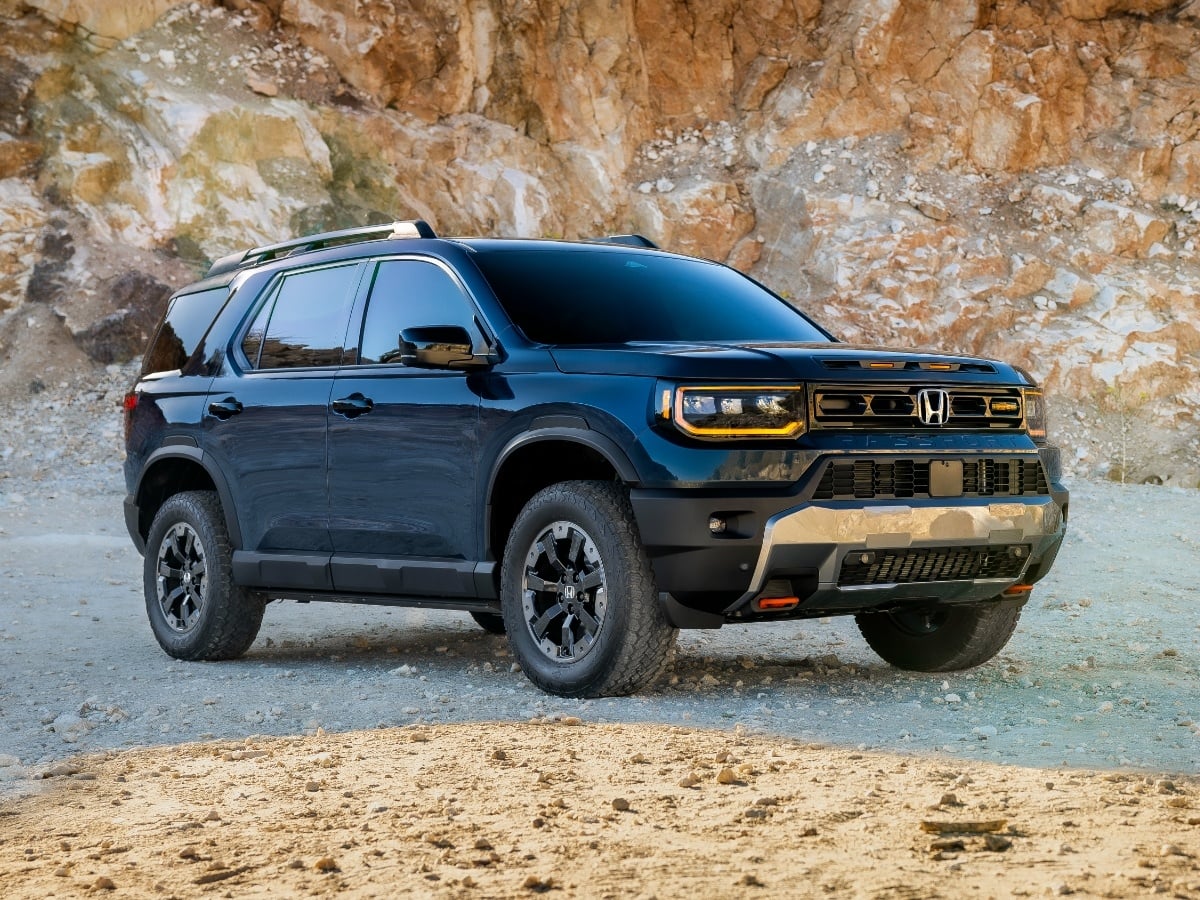
Updates to the 2027 Honda Passport TrailSport include a reworked suspension, improved steering, subtle styling enhancements, and added standard equipment.
Read the Full Article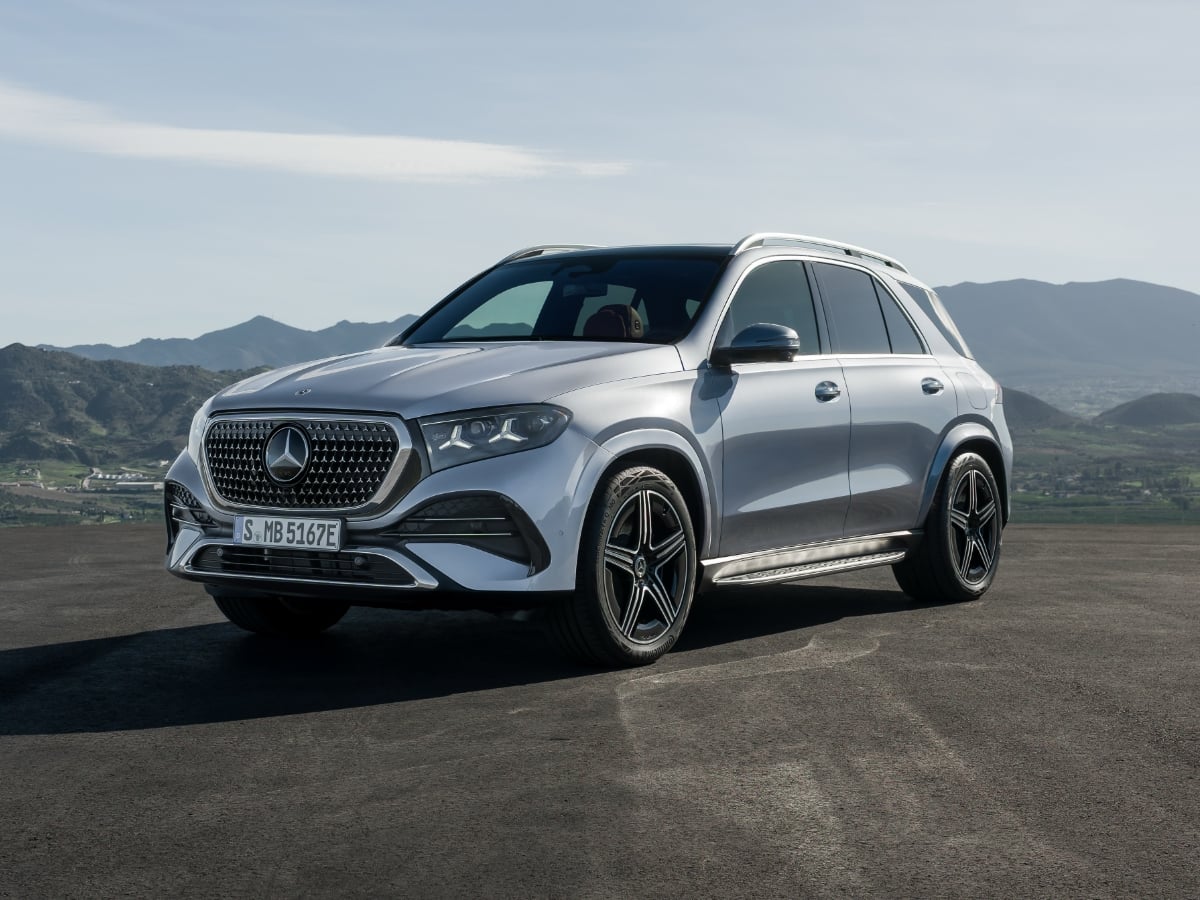
The midsize 2027 Mercedes GLE remains available in original and spicy Coupe recipes, now with standard 4Matic all-wheel drive (AWD), MBUX Superscreen technology, and a panoramic glass sunroof for ...See More
Read the Full Article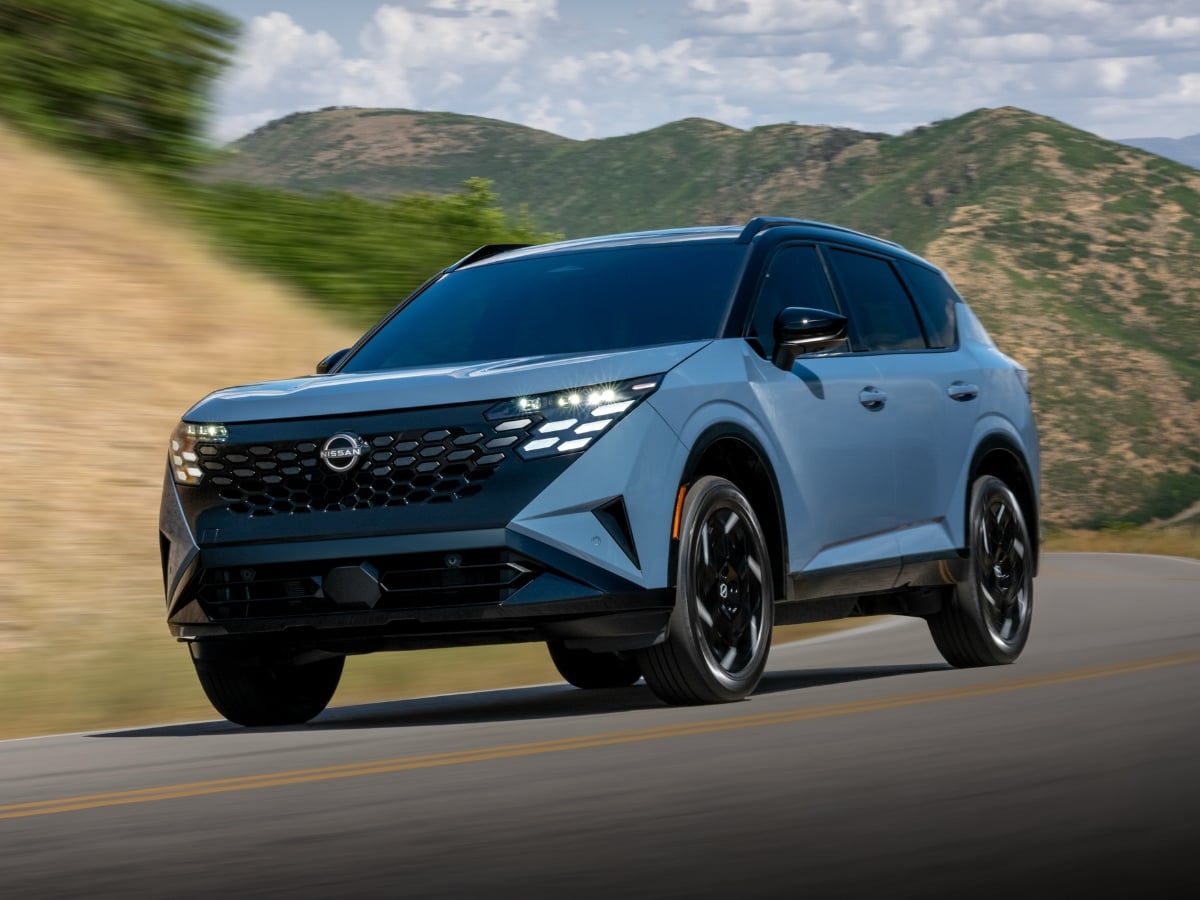
Nissan is about to introduce an innovative new SUV. The 2027 Nissan Rogue Hybrid has a gasoline engine, but it does not power the wheels. Instead, electric motors at each axle provide propulsion, ...See More
Read the Full Article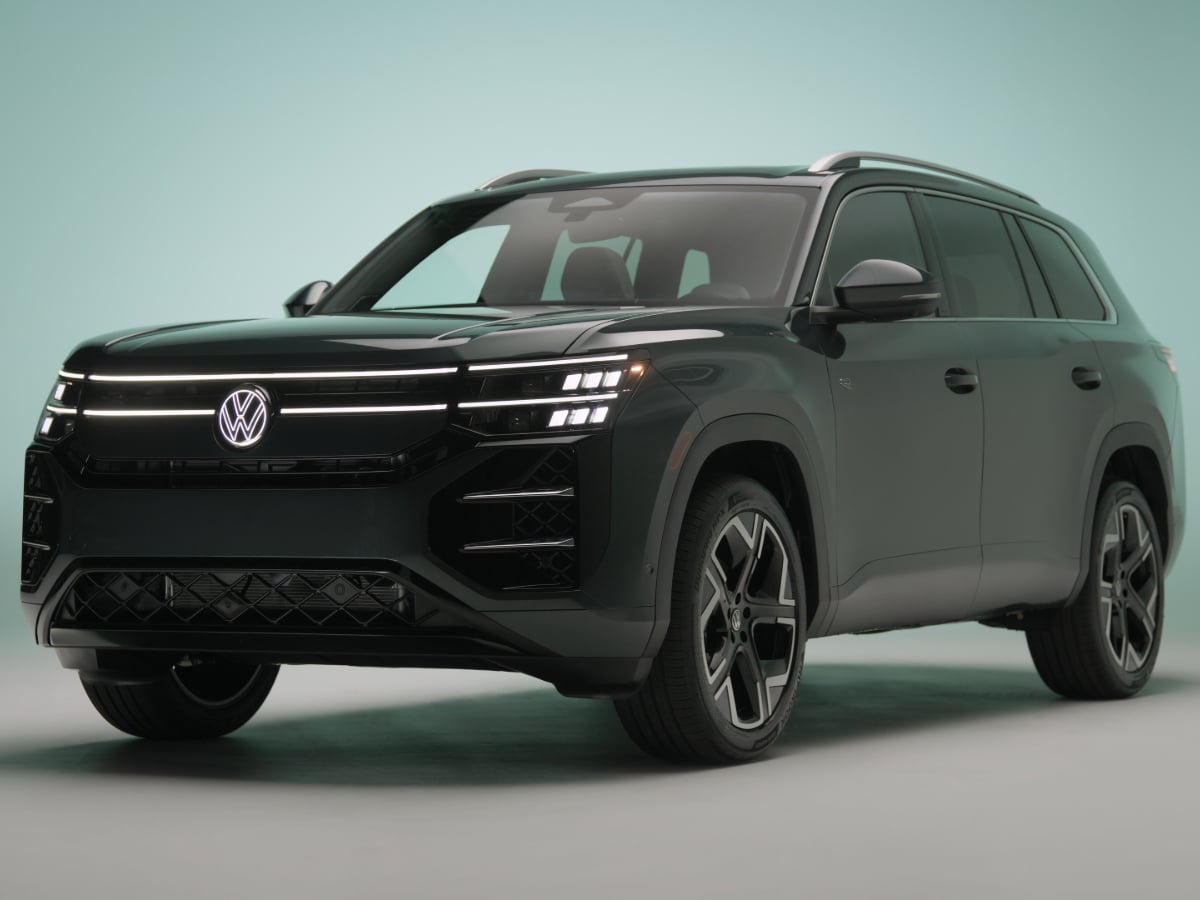
Adding European flair to the otherwise vanilla midsize three-row family SUV market, the redesigned 2027 Volkswagen Atlas debuts with a sharper exterior, an upgraded cabin, more power, and new ...See More
Read the Full Article